Tandoor Oven Tips

Tandoor Safety & Operations

Run Your Tandoor Oven With Confidence

Lighting, curing, temperature control, and day-to-day tandoor maintenance — how to run a tandoor oven safely and get consistent results every time, whether your clay oven sits in a backyard or a commercial kitchen.

  • Gas Safety
  • Curing
  • Cleaning
  • Inspection
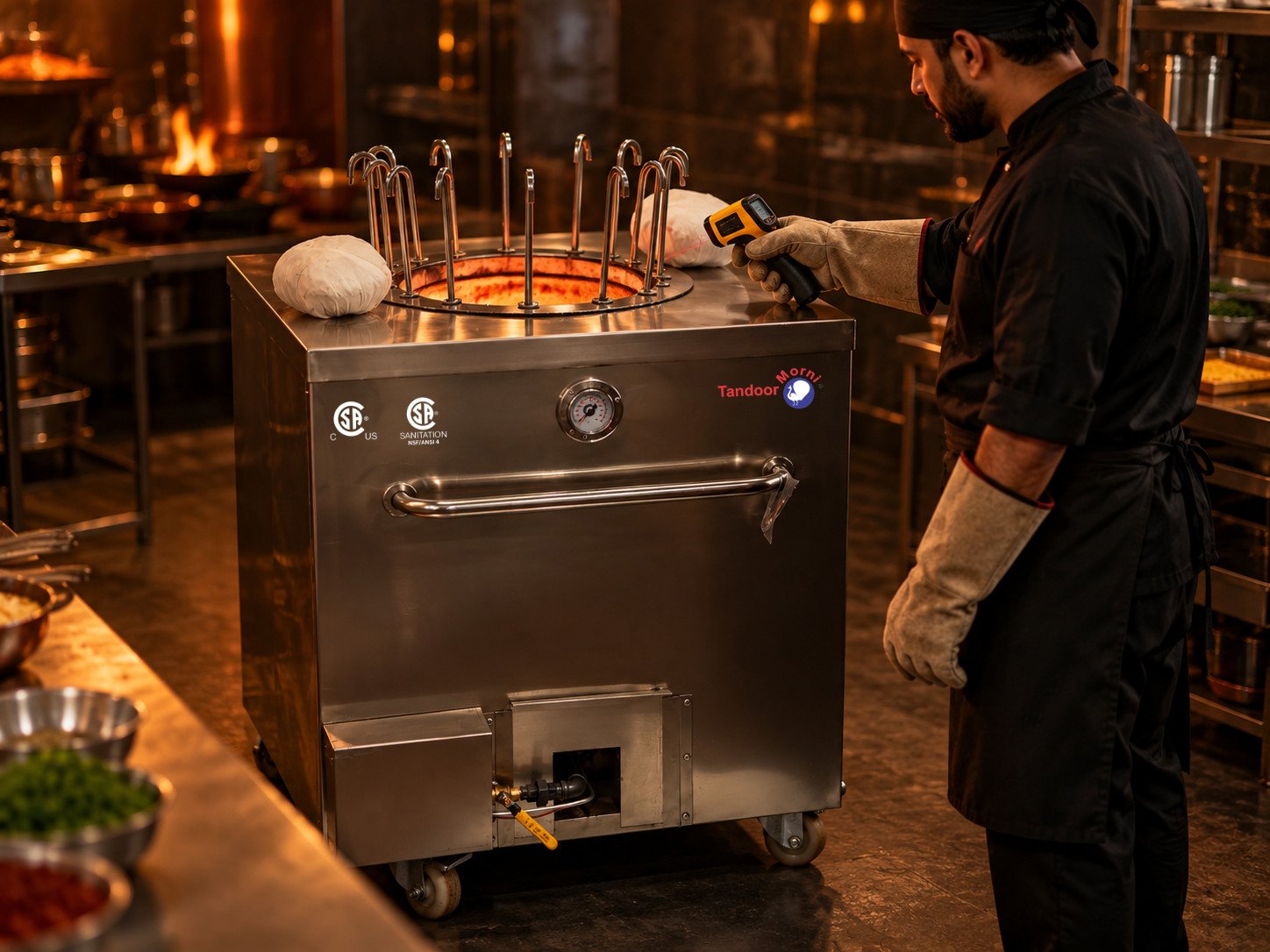
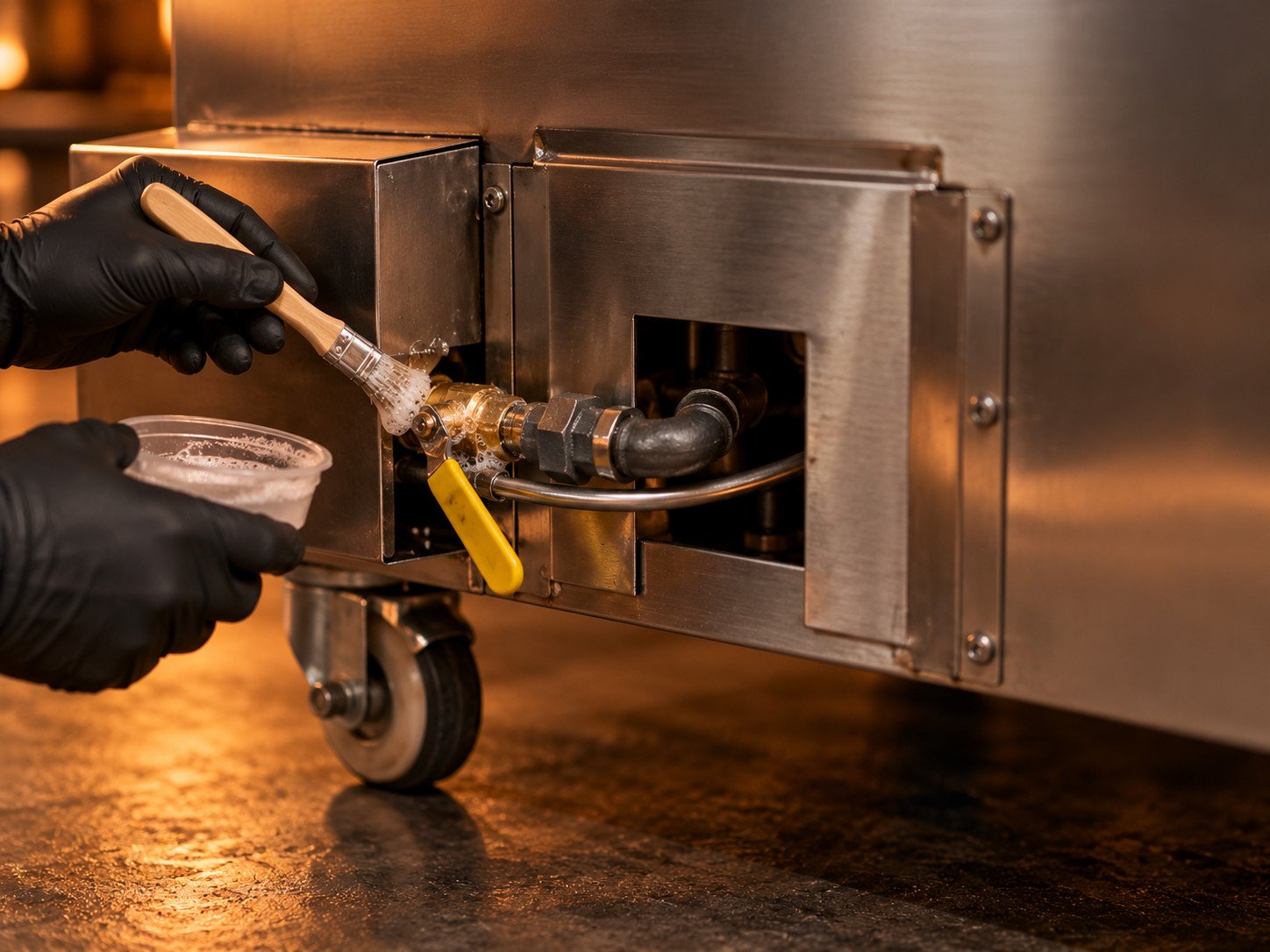
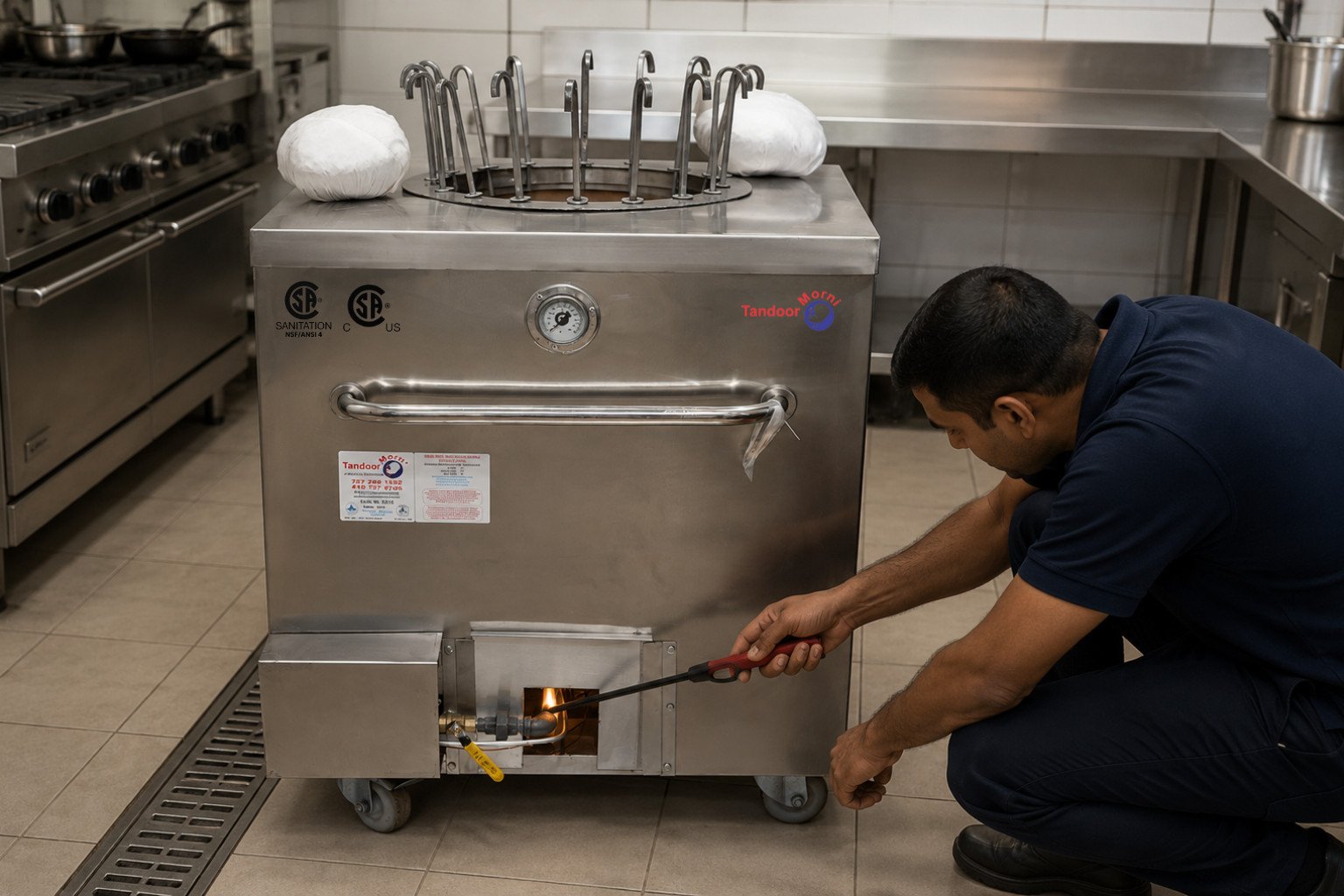
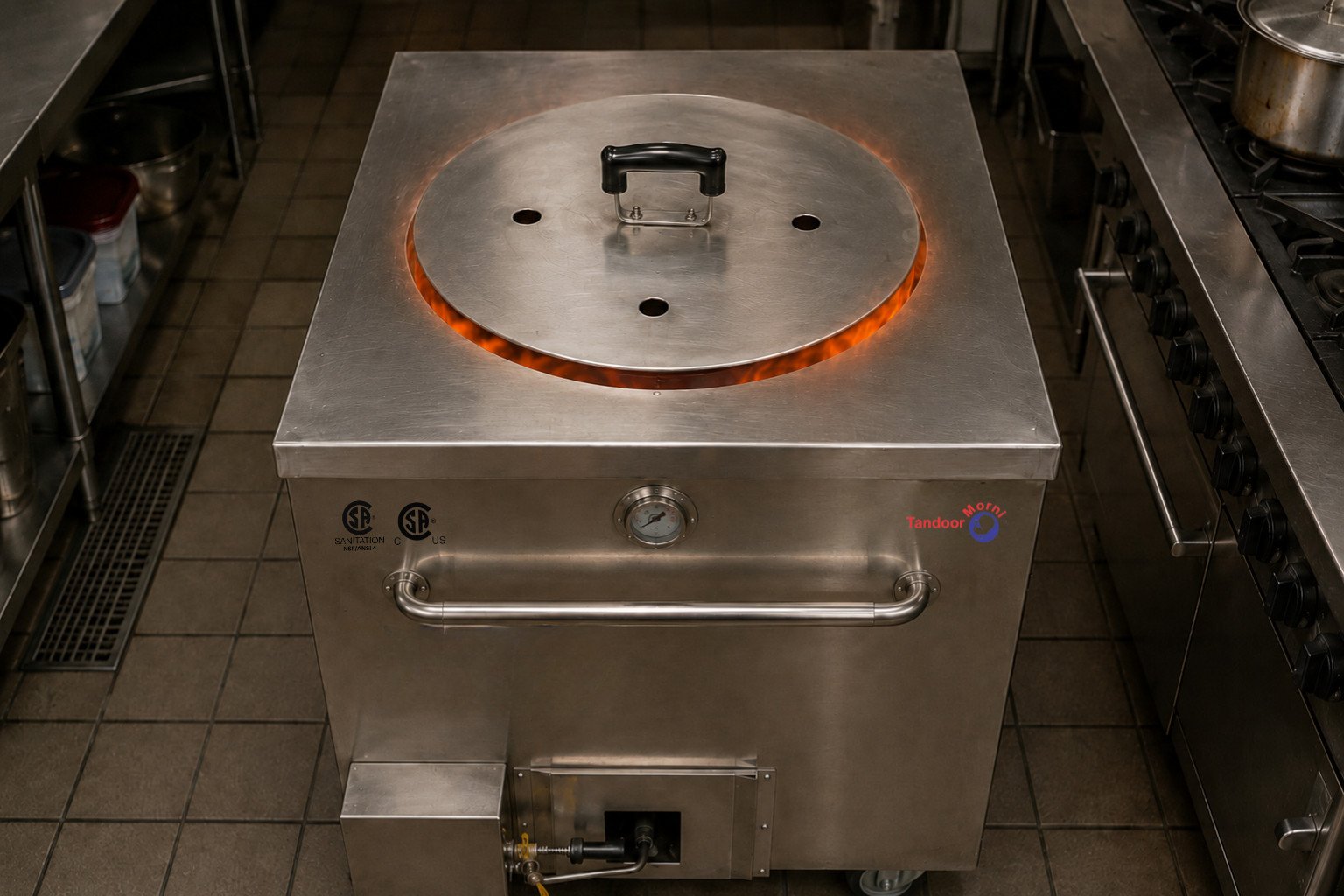
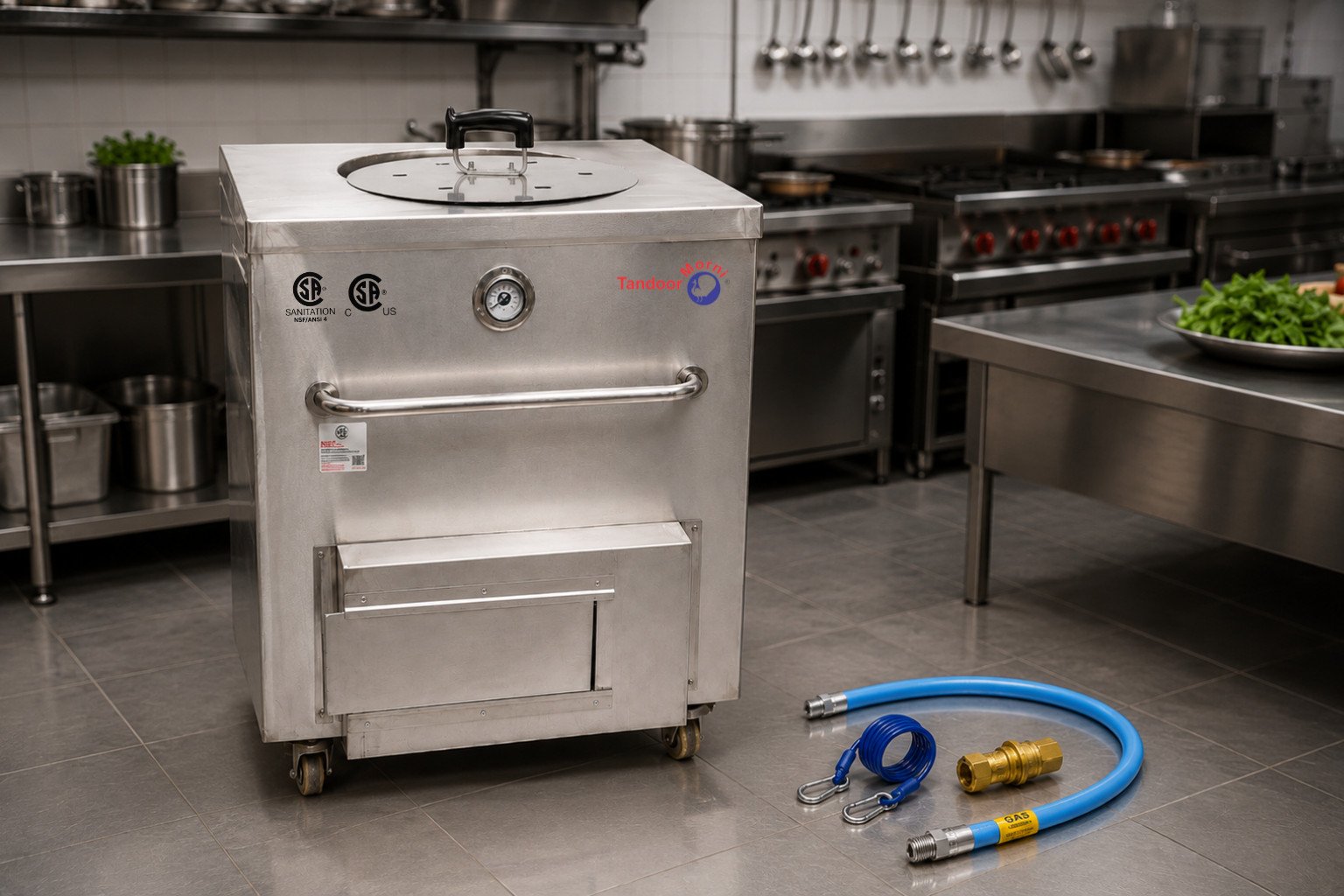
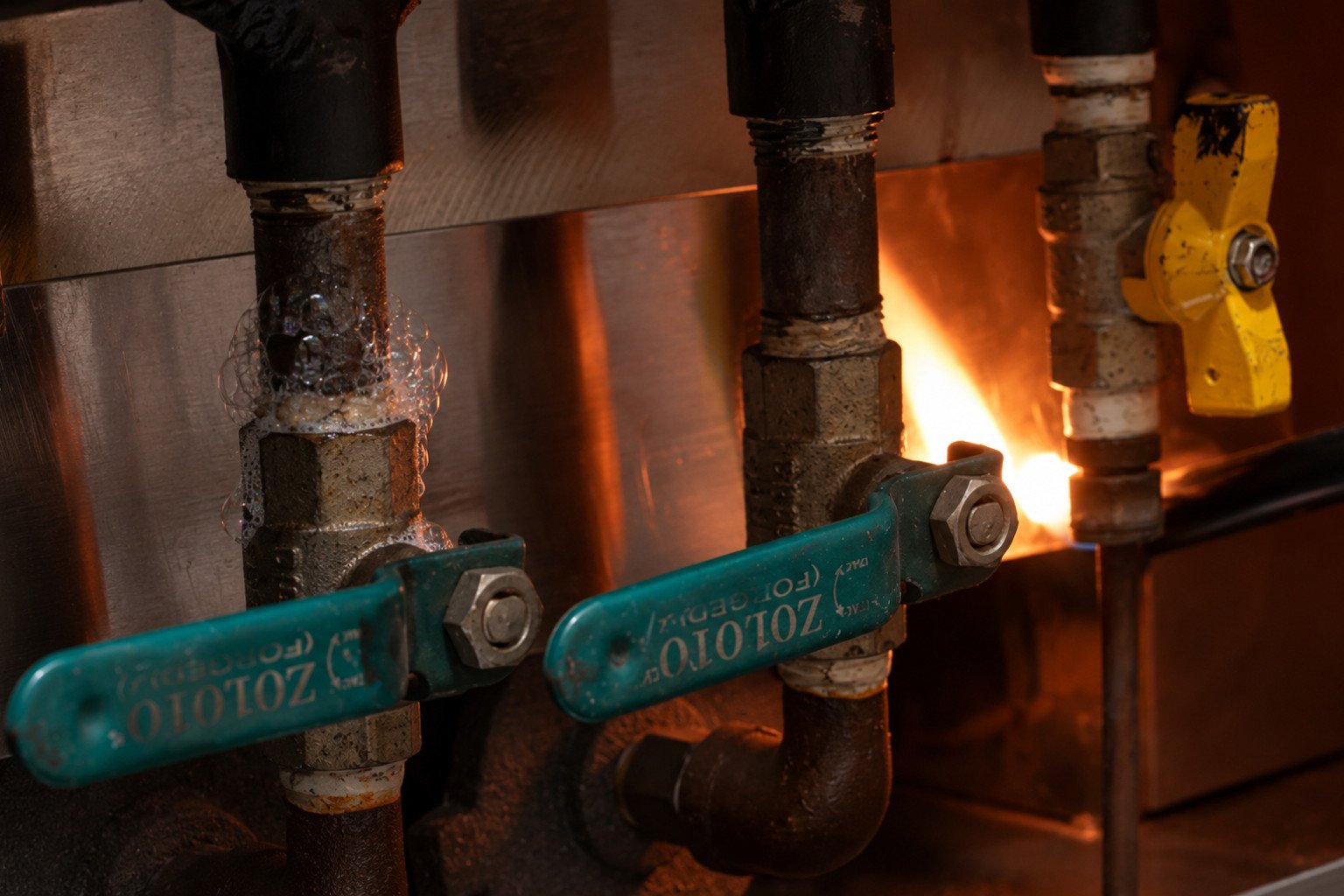
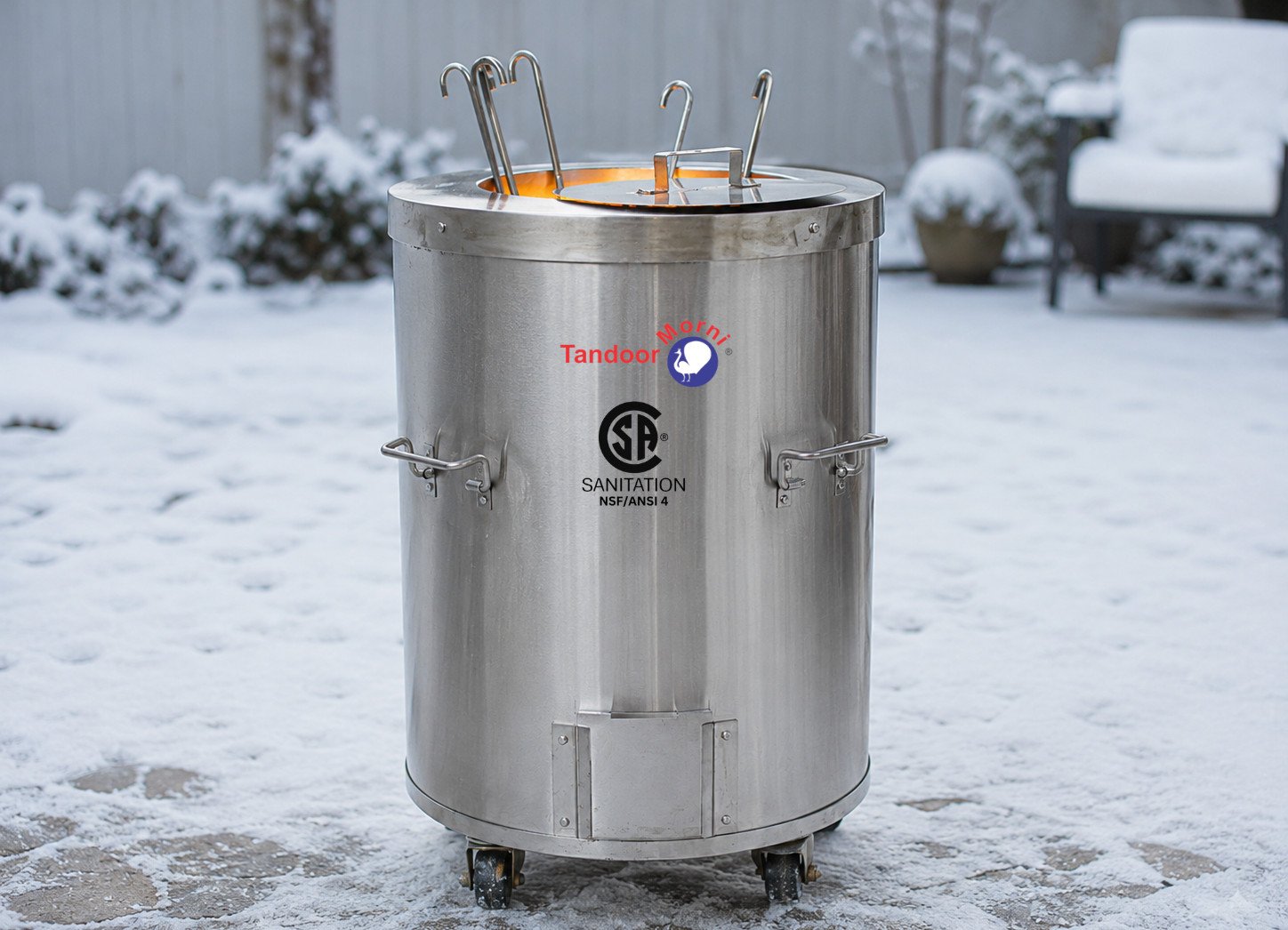
Tandoor safety: chef in heat-resistant gloves checking the temperature of a stainless steel tandoor oven with an infrared thermometer gun Tandoor safety leak test: gloved hands brushing leak test solution onto the gas valve of a commercial tandoor oven Gas-Checked, Cured & Ready Before Every Cook
  • CertifiedTandoor Oven Models
  • 15Articles
  • 9USA & Canada Showrooms
Start Here

Tandoor Safety and Maintenance: Everything in One Place

Tandoor safety comes down to a short list of habits done every time: cure a new clay oven before its first cook, check the gas before you light it, keep hands and guests clear of a chamber that runs at 600 to 900 degrees Fahrenheit, and clean and inspect the oven once it cools. This page is the hub for all of it. Every guide we publish on tandoor maintenance, safety and operation is linked below, grouped by the job you are trying to do.

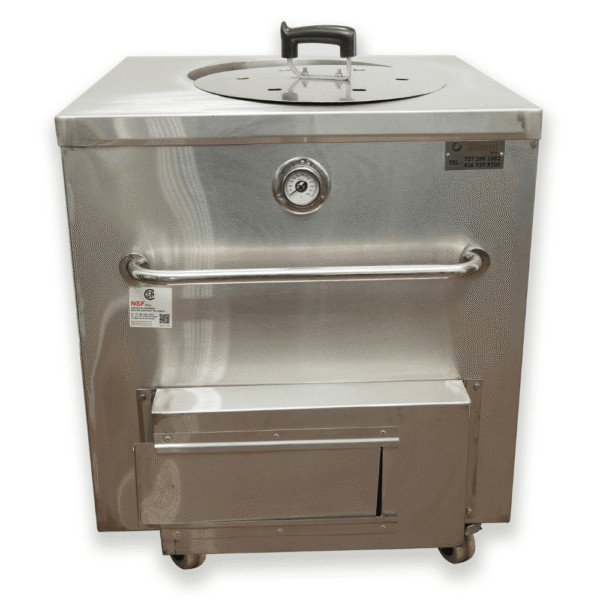
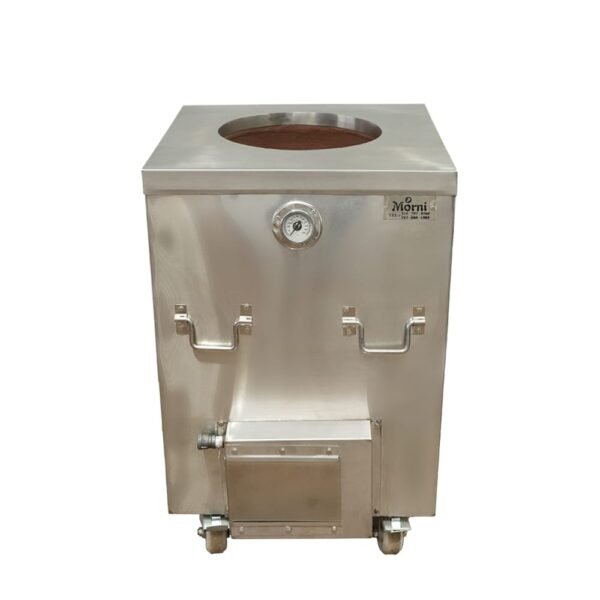
The advice applies whether you run a commercial tandoor oven through nightly service, such as the Restaurant Tandoor Oven CH02, or fire up a backyard tandoori oven like the Wood Fired Tandoor Oven R28 on weekends. The clay, the heat, and the risks are the same. Only the frequency changes. Tandoor safety is a routine, not a one-time setup.

Quick answer: To keep a tandoor oven safe, do five things. Cure it with staged heating before first use. Leak-test every gas connection before lighting. Preheat fully and wear heat-resistant gloves while cooking. Brush out ash and food once the clay oven has cooled. Check the clay lining for hairline cracks and the gas parts for wear on a regular schedule. Use charcoal, wood, and gas ovens outdoors or under a commercial hood, never in a closed room.

At a Glance

Tandoor Oven Maintenance and Safety Guide: What to Do and When

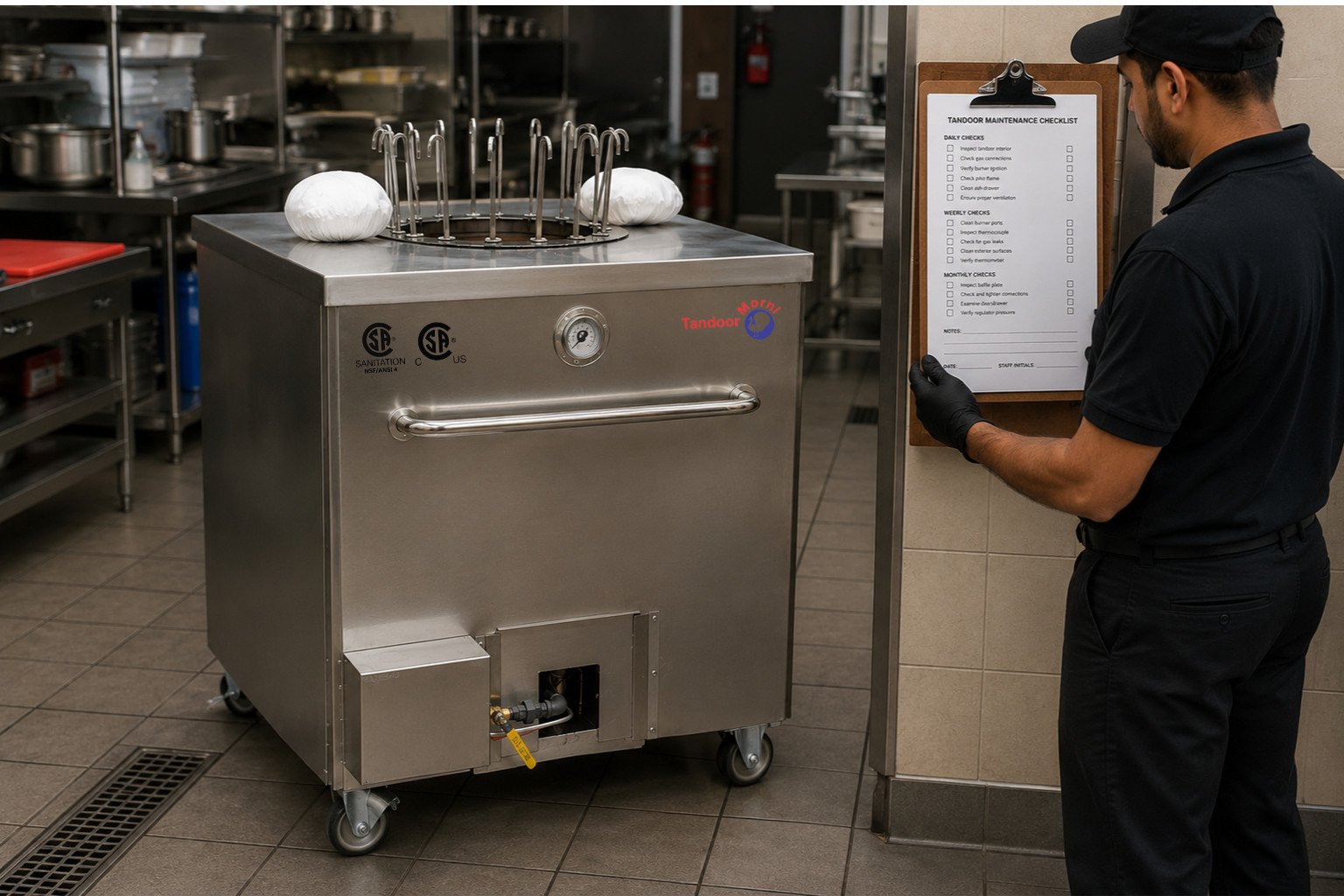
Good tandoor oven maintenance is mostly about timing. This schedule covers a gas, charcoal, or wood-fired tandoor. Skip the gas rows if your oven burns charcoal or wood.

WhenWhat to do
Before first useCure the clay with a series of short, progressively hotter burns over the first few days. A new tandoor pushed straight to full heat is the most common cause of early cracks.
Before every cookCheck the hose and fittings on a gas oven, confirm the pilot lights on the first attempt, clear anything flammable from around the oven, and preheat fully before food goes in.
While cookingWear heat-resistant gloves, keep children and guests back from the mouth of the oven, and never leave a lit tandoori oven unattended.
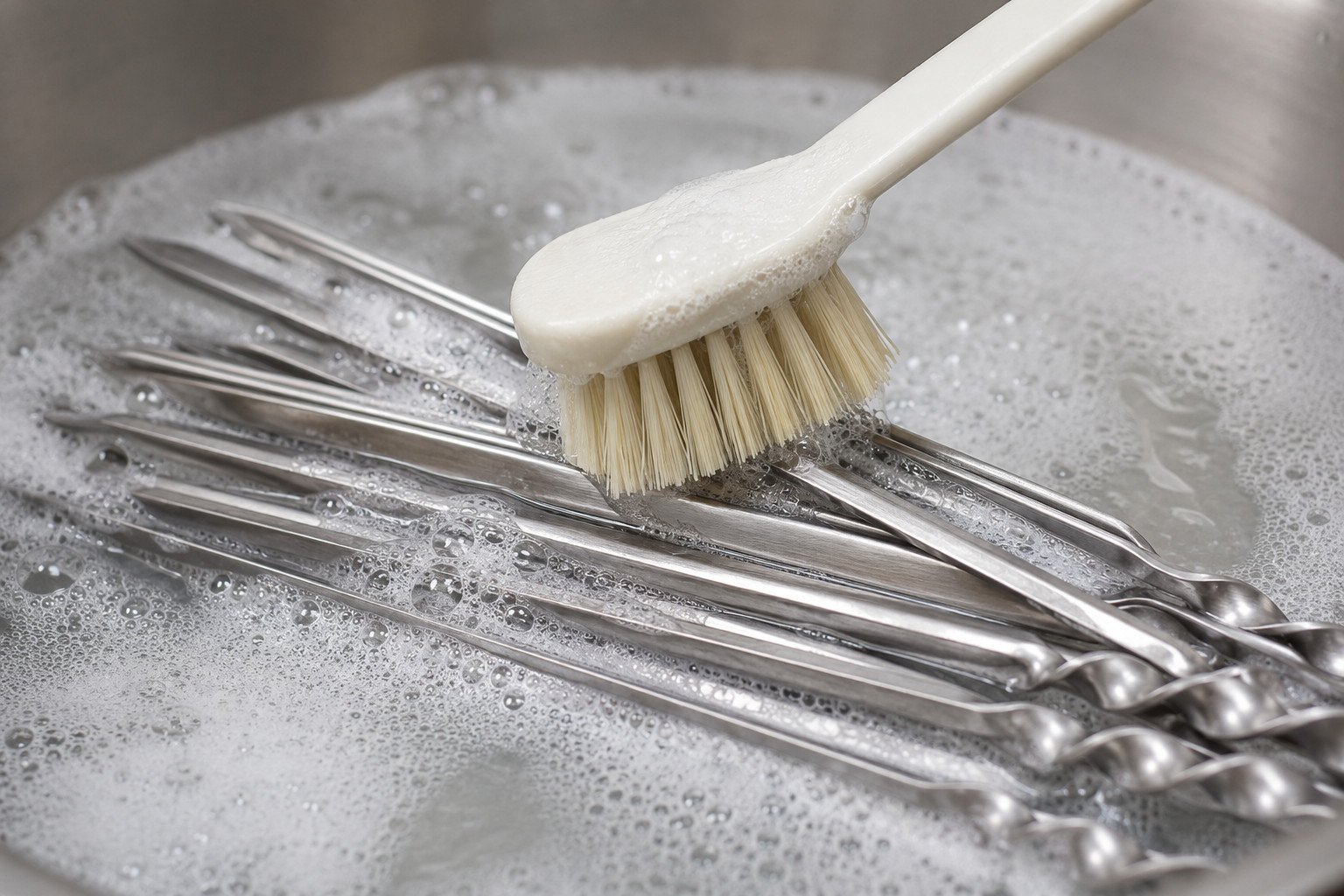
After every cookLet the oven cool, then brush out ash and food debris and wipe down the exterior. Clean skewers while residue is still soft.
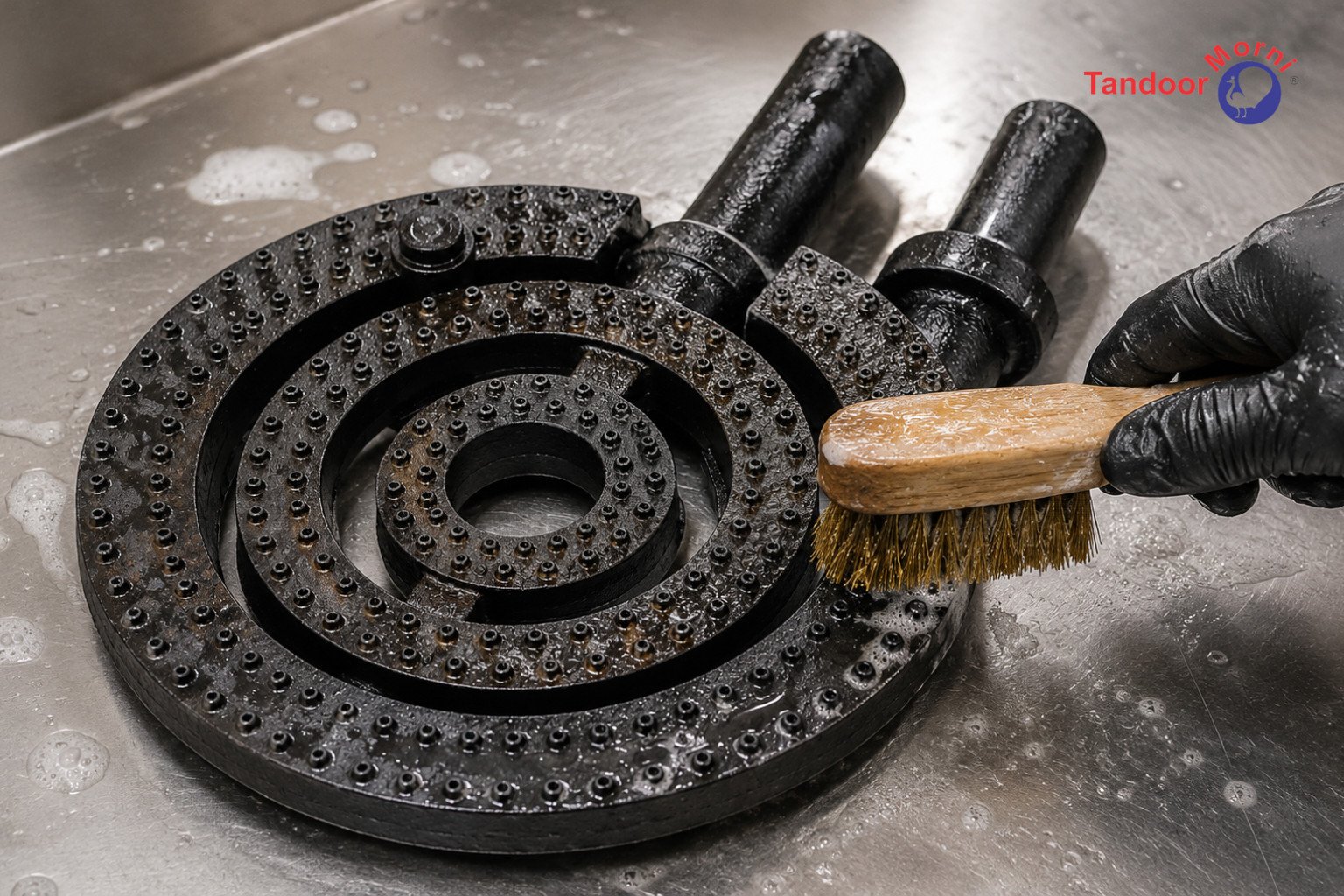
WeeklyOn a gas oven, inspect the hose for cracks or stiffness and check that fittings are tight. Clean the burner and metal plates so the flame stays even.
MonthlyInspect the clay lining for hairline cracks and patch small ones early. Check how quickly the pilot catches; a slow or unreliable pilot usually points to the thermocouple.
Each seasonCover an outdoor clay oven against rain and frost, check for moisture under the cover, and re-test gas connections after any long break or after moving the oven.
Browse by Topic

Every Tandoor Safety and Operations Guide, Grouped by Job

Fifteen guides cover how to maintain a tandoor from the day it arrives. Pick the group that matches what you need to do today.

Step by Step

How to Maintain a Tandoor Oven in Six Steps

If you only read one section on how to maintain a tandoor oven, make it this one. The six steps below are the core tandoor maintenance routine; the guides above go deeper on each.

  1. Cure the clay before the first cook

    Heat a new tandoor in stages over several days instead of one long burn. Applying Tandoor Oven Curing Paste AS05 during this first seasoning helps the wall settle evenly.

  2. Leak-test the gas connections

    On a gas tandoori oven, brush leak test solution onto every joint with the gas on and the burner off. Bubbles mean a leak: shut the gas off and fix the fitting before lighting. Never test with a flame.

  3. Preheat fully, then check the temperature

    A clay oven needs a real preheat to cook evenly. Confirm the wall temperature with a Digital Thermometer Gun AS16 instead of guessing from burner time.

  4. Clean once the oven has cooled

    Brush out ash and food, wipe the exterior, and clean the burner and plates on a gas tandoor. Never pour water into a hot clay chamber; the sudden temperature change can crack it.

  5. Inspect the clay and patch early

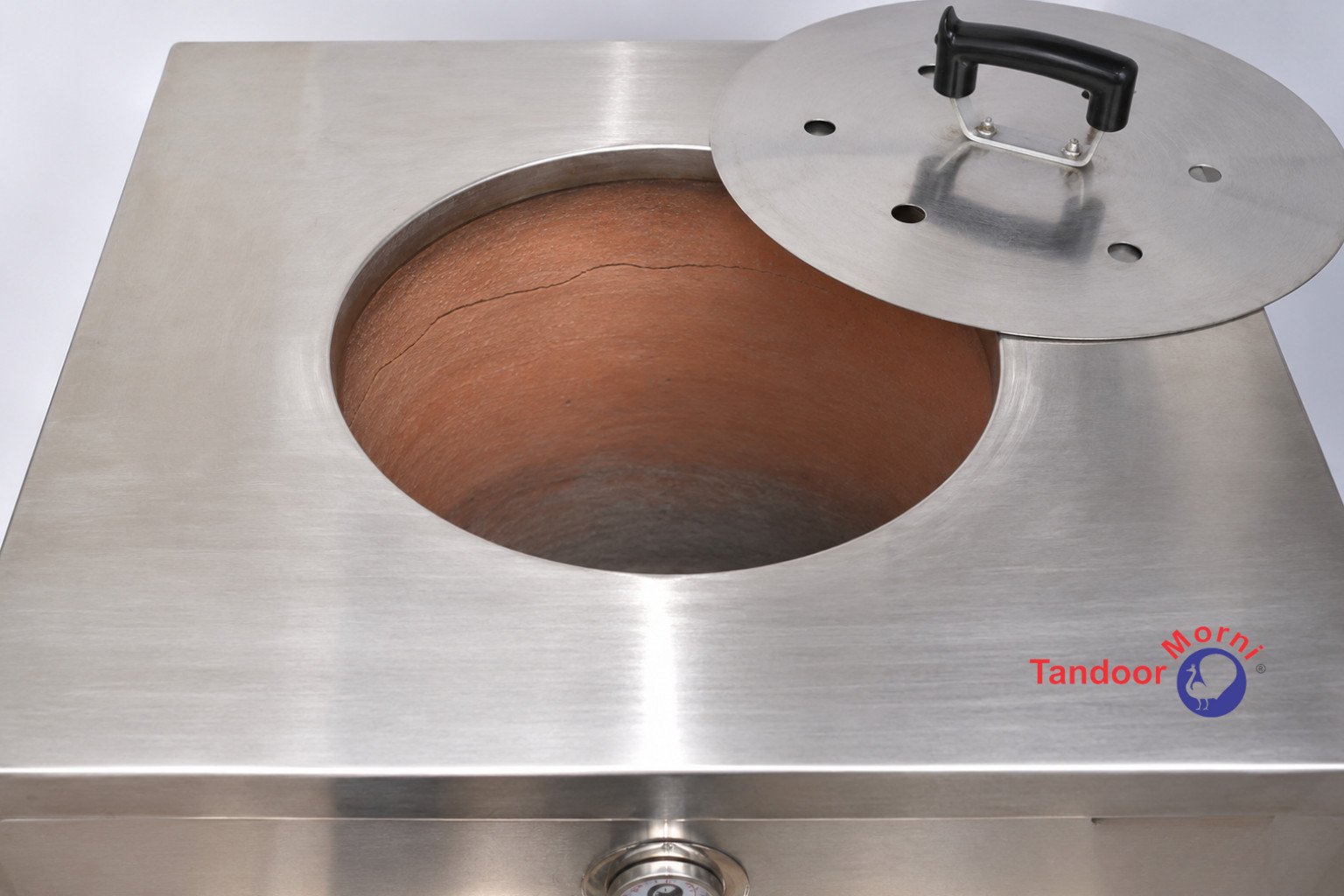
    Hairline cracks are normal wear, not a defect. Patch them with a Tandoor Clay Pot Repair Kit AS08 before they widen and start leaking heat.

  6. Protect the oven between uses

    Keep rain and frost off an outdoor tandoor oven with a Tandoor Cover AS14, and let the oven cool completely before covering it.

By Fuel Type

How to Maintain a Tandoori Oven: Gas vs Charcoal and Wood

The clay is cared for the same way in every tandoor. What differs is the fuel side, so this tandoori oven maintenance and safety guide splits it in two.

AreaGas tandoor ovenCharcoal or wood clay oven
Main safety checkLeak-test hose and fittings; confirm the pilot stays lit.Clear the area of anything flammable; keep a lid or cover for embers nearby.
Parts that wearThermocouple, pilot assembly, burner, and gas hose.Ash grate and base; the clay near the fire takes the most heat.
CleaningBurner ports and metal plates, so the flame stays blue and even.Ash removal after every cook, once fully cold.
Where to use itOutdoors, or indoors only under a commercial ventilation hood.Outdoors only, in open air.
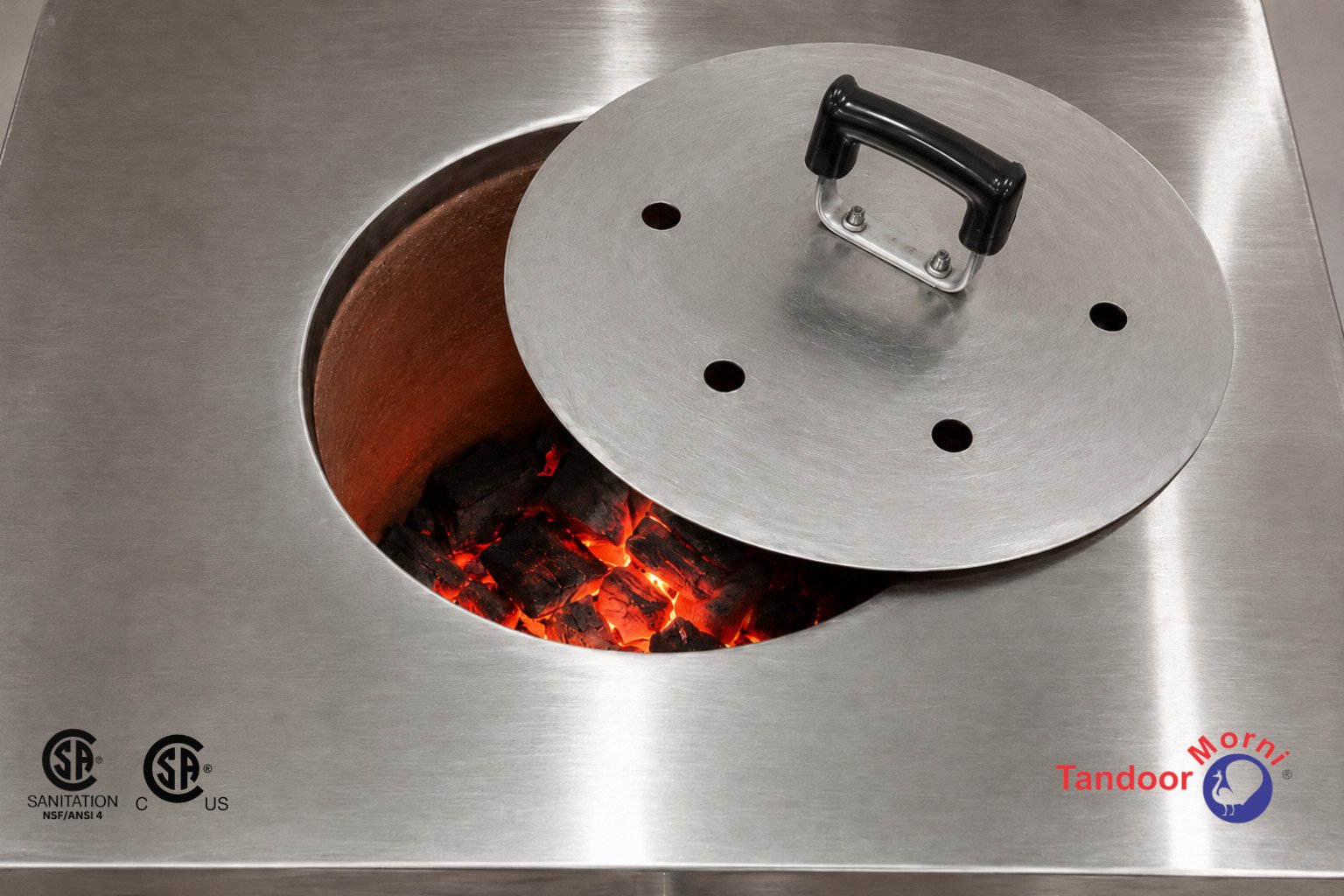
After cookingTurn the gas off at the supply, not just at the oven.Let coals burn out or smother them; dispose of ash only when cold.
The Clay Itself

Clay Tandoor Oven Maintenance and Care

The clay pot is the heart of every tandoor, and it is the part that rewards care the most. If you want to know how to maintain an Indian clay oven so it lasts for years, three rules cover nearly everything.

Heat it and cool it gradually. Clay cracks from sudden change, not from heat alone. Bring the oven up in stages, and let it cool on its own with the lid off.

Keep it dry. Clay absorbs water, and trapped moisture turns to steam the next time the oven is fired. Cover an outdoor clay oven, lift the cover in dry weather so condensation can escape, and give a damp oven a slow, low first burn.

Fix small cracks while they are small. A hairline crack patched this week is a ten-minute job. The same crack left for a season can mean relining the oven. Clay oven maintenance is cheap when it is early.

Gear and Parts

Tandoor Safety Gear and Replacement Parts Worth Keeping on Hand

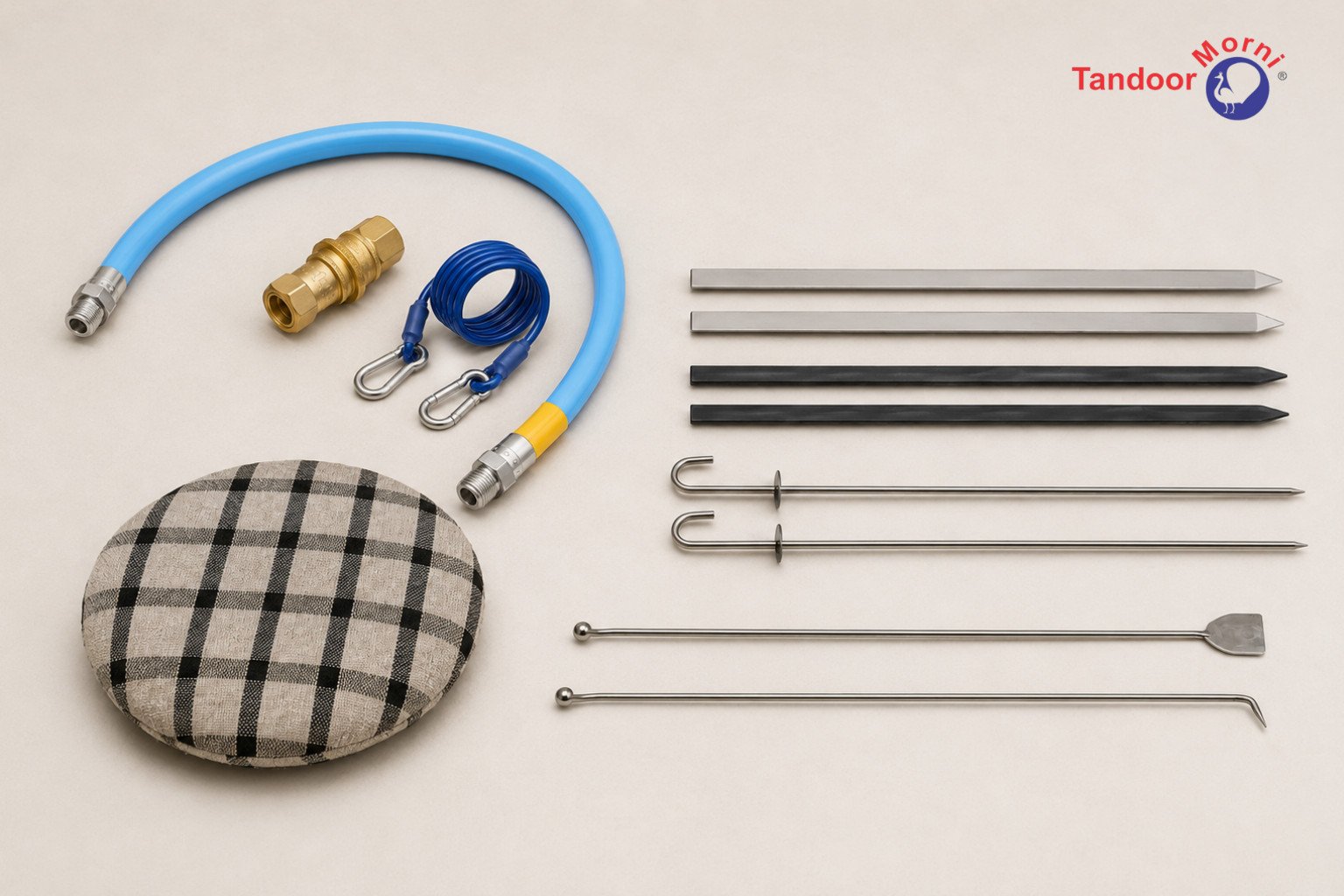
Most tandoor maintenance problems are solved with a small, inexpensive part. These are the ones to keep within reach, and good tandoor safety gear costs little next to the oven it protects. The full range is on our tandoor oven accessories page.

Heat Resistant Gloves AS15

Protects hands while loading skewers and pressing naan onto the wall of a hot tandoor oven.

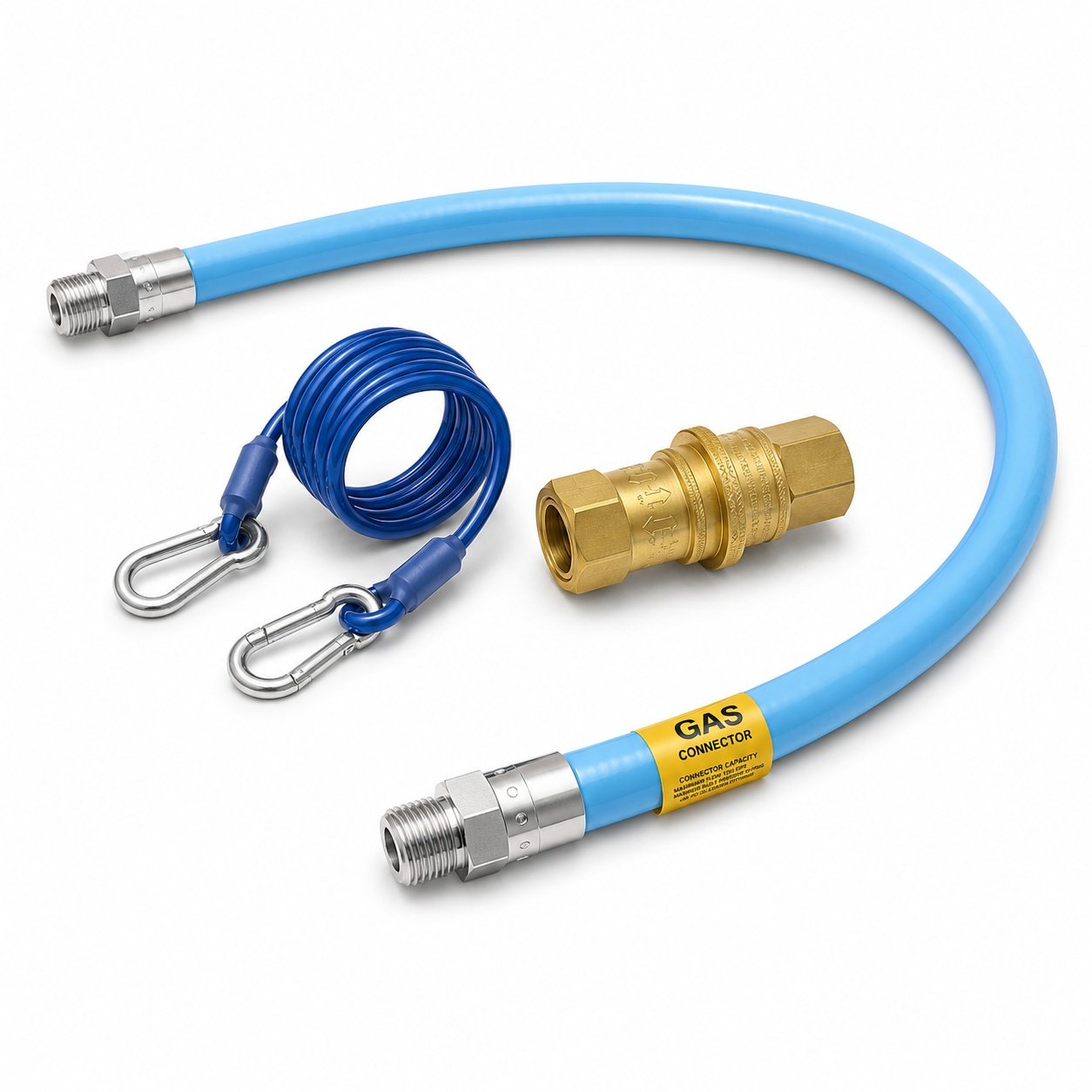
Gas Hose & Connector Kit AS01

A rated hose and connector for a gas tandoor. Replace it at the first sign of cracking or stiffness.

Thermocouple AS12

The safety part that shuts the gas off if the flame goes out. The first thing to check when a pilot won't stay lit.

Pilot Assembly AS13

Provides the pilot flame that lights the burner on a gas tandoori oven. Worth keeping a spare in a busy kitchen.

Tandoor Oven Burner AS06

A replacement burner for when heat becomes uneven or recovery slows after heavy use.

Stainless Steel Lid AS11

Holds heat in the clay oven between orders and keeps debris out of the chamber.

Know When to Stop

Warning Signs: When to Shut a Tandoor Down

Part of tandoor safety is knowing when not to cook. Turn the oven off and deal with the cause if you notice any of the following.

Stop and check before your next cook

  • You smell gas. Shut the supply off, do not light anything, ventilate, and leak-test every connection.
  • The pilot keeps going out. Repeated relighting is not a fix. Check the thermocouple and pilot assembly.
  • The flame is yellow, weak, or lifting. A healthy gas flame is steady and blue. Clean or replace the burner.
  • A crack is wide enough to see light or feel heat through. Repair it before firing the clay oven again.
  • The hose is cracked, stiff, or kinked. Replace it; do not tape it.
  • Anyone near the oven feels dizzy or gets a headache. Move to fresh air at once. These can be signs of carbon monoxide.
Common Questions

Tandoor Safety and Maintenance: Frequently Asked Questions

What is the most important rule of tandoor safety?

Check the fuel side before you light the oven. On a gas tandoor that means leak-testing the hose and fittings; on a charcoal or wood oven it means clearing the area and cooking outdoors. Most serious incidents start before the food goes in.

How to maintain a tandoor oven day to day?

Preheat fully, cook with gloves on, let the oven cool, then brush out ash and food and wipe the exterior. Once a month, inspect the clay lining for hairline cracks and, on a gas oven, check the hose, burner, and pilot.

How often should a tandoor be cleaned?

After every cook, once it has cooled. A commercial tandoor oven running nightly service should also have its burner and metal plates cleaned weekly so the flame stays even. Regular cleaning is the base of all tandoor maintenance.

Does a new tandoori oven need curing?

Yes. Heat a new clay oven in stages over the first few days rather than going straight to full heat. Curing lets the clay settle and is the best protection against early cracking. It is the first step in how to maintain a tandoori oven.

Are cracks in a clay oven dangerous?

Hairline cracks are normal and are not a safety problem on their own. They become one if they widen enough to leak heat or weaken the wall, which is why they should be patched early with a clay repair kit.

How do I check a gas tandoor for leaks?

With the gas on and the burner off, brush leak test solution or soapy water onto each connection. If bubbles form, there is a leak: turn the gas off and tighten or replace the fitting. Never use a flame to look for a leak.

Why won't my tandoor's pilot stay lit?

The usual cause is a worn thermocouple, the safety part that holds the gas valve open while it senses the pilot flame. A dirty pilot or a draft can cause it too. Replace the thermocouple if cleaning does not help.

Can I use a tandoor indoors?

A charcoal, wood, or gas tandoor should be used outdoors, because it produces smoke and carbon monoxide. The exception is a commercial tandoor oven installed under a proper ventilation hood in a licensed kitchen.

How hot does a tandoor get?

A working tandoor typically runs between 600 and 900 degrees Fahrenheit. That is far hotter than a kitchen oven, which is why heat-resistant gloves and a clear space around the oven matter.

What does clay oven maintenance involve in winter or wet weather?

Keep it covered and dry, and warm it slowly. Clay that has absorbed moisture or is very cold should get a gentle, low first burn before it is brought up to cooking temperature.

Do I need a certified oven for a restaurant?

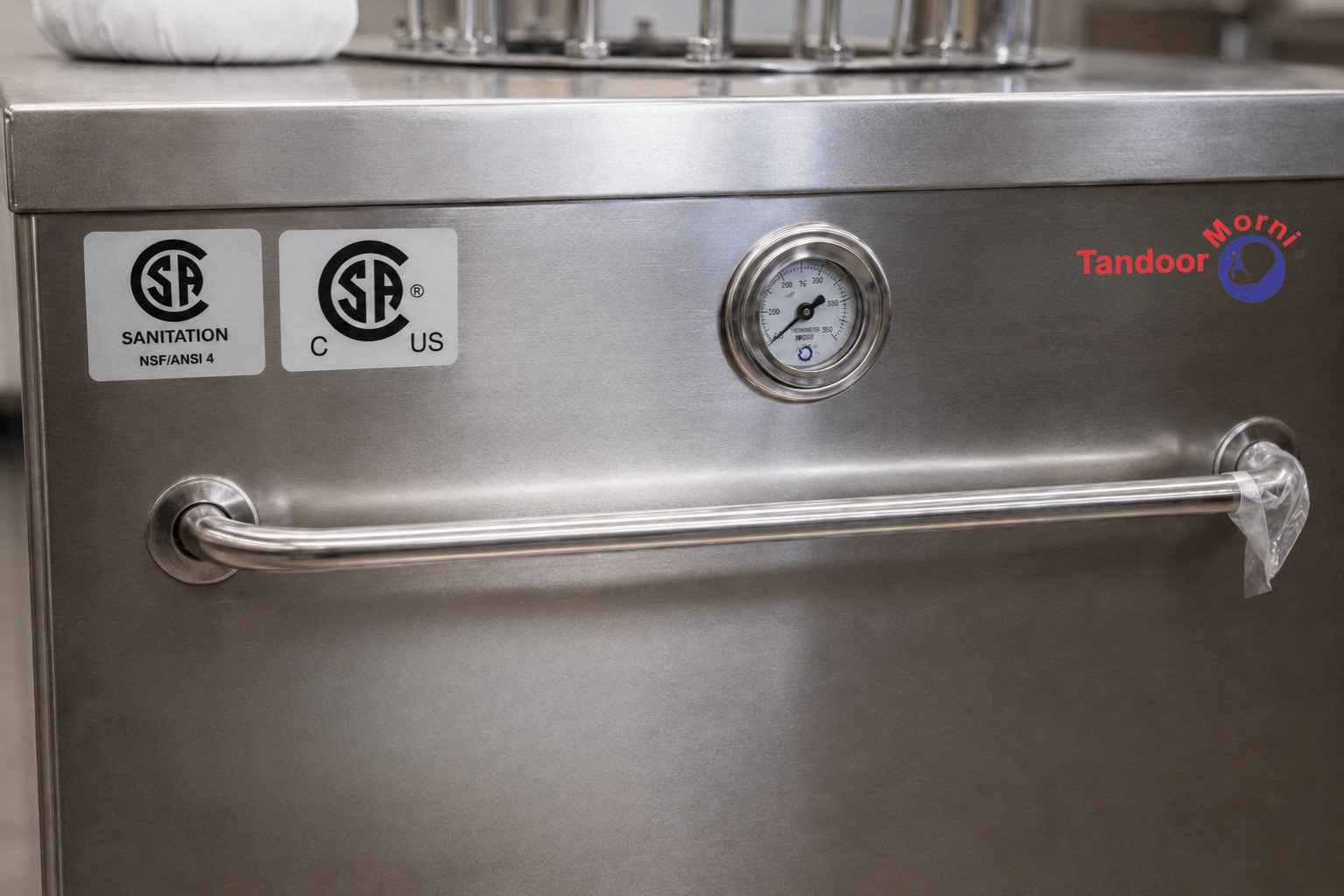
In most places, yes. Health and fire inspectors generally expect certified commercial equipment. Our certified tandoor ovens page lists the models and the marks each one carries, including the Tandoor Oven T04.

Where can I find the instructions for my specific model?

The Operation Manual covers setup, curing, and safe first use for our CH and CS series ovens. For any other model, call us and we will walk you through it.

Not Sure About Something on Your Tandoor?

If a part looks worn, a flame looks wrong, or you want a second opinion before lighting a new tandoor oven, ask before you cook. Our team answers tandoor safety and tandoor oven maintenance questions for every model we build.

Get Hands-On Help — 9 USA & Canada Showrooms

Questions About Lighting, Curing, or Maintenance? Talk To A Real Person At One Of Nine Showrooms.

Some safety questions are easier answered in person than read on a page. Visit a Tandoor Morni showroom and our team can walk you through curing a new oven, safe lighting, and routine maintenance on the exact model you own or are considering. Showrooms are located in Edison NJ, Houston, Chicago, Tampa, Washington D.C., Manteca CA, Algona WA, Boulder CO, and Mississauga ON. Call ahead to book your visit • Mon to Fri, 10AM to 4PM.