Tandoori fish is one of the most celebrated dishes in Indian cuisine — crisp edges, a smoky aroma, and a juicy interior that's hard to replicate with any other cooking method. But getting there consistently is harder than it looks. Even experienced cooks end up with dry, unevenly charred, or bland results because they overlook a handful of details that matter far more with fish than with heartier cuts of meat. This guide breaks down the common mistakes cooking fish in tandoor and exactly how to fix each one, so every batch comes out the way it's supposed to, whether you're cooking for a family dinner or a full catering event.
Fish behaves differently than chicken or lamb inside a tandoor. It's more delicate, it cooks faster, and it has almost no fat reserve to protect it from drying out. That means the margin for error is smaller, and the usual habits that work fine for a lamb kebab can genuinely ruin a fillet of salmon or pomfret. Understanding the most frequent tandoor fish cooking errors is the fastest way to close that gap between a good result and a genuinely great one.
Why Fish Needs a Different Approach in a Tandoor
A tandoor's intense radiant heat, often reaching 900 Degree Fahrenheit (480 Degree Celsius), is what gives tandoori food its signature char. That same intensity is exactly why fish demands more precision. Thicker cuts of meat can absorb uneven heat and still turn out fine; a thin fillet has almost no buffer. A few extra minutes on the wrong skewer, or a chamber that's slightly too crowded, and the fish goes from perfectly cooked to overdone before you even notice.
The five mistakes below cover the entire cooking process — from marination through resting — because tandoor fish cooking errors rarely come from just one bad decision. They tend to stack, and fixing all five at once is what actually gets you restaurant-quality results at home.
Mistake #1: Skipping the Proper Marination Time
Rushing marination is one of the most common mistakes cooking fish in tandoor, and it's also one of the easiest to fix. When fish only sits in its marinade for a few minutes, the spices never penetrate past the surface, leaving the inside bland even if the exterior looks perfectly charred.
The fix: Marinate fish for 2 to 4 hours, and overnight if your schedule allows it. The acids in yogurt and lemon juice tenderize the flesh while spices like cumin, turmeric, and coriander build real depth of flavor. Always cover and refrigerate the fish while it marinates — the FDA's food handling guidance is clear that marinating on the counter rather than in the fridge is a genuine food safety risk, not just a flavor issue. Start with fresh, firm-fleshed fish like salmon, snapper, or pomfret — softer fish tends to fall apart on the skewer before it even reaches the tandoor.
Mistake #2: Using the Wrong Tandoor Temperature or Model
The tandoor itself, and how well it holds heat, plays a bigger role in fish cooking errors than most home cooks expect. Fish cooked in an unevenly heated chamber can burn on the outside while staying raw in the middle, or it can stick to the skewer and clay wall entirely.
The fix: Always preheat the tandoor for at least 30 minutes before loading any fish, so the chamber reaches a steady, even temperature rather than a hot spot near the burner and a cooler zone elsewhere. Equipment matters here too — a well-built oven like the Restaurant Tandoor Oven CH02 (32x32x37 inches) is designed for the kind of consistent heat distribution that fish specifically needs, since its wider chamber avoids the crowded hot spots that smaller or poorly insulated units struggle with.
Mistake #3: Ignoring Moisture Control
Fish naturally holds a lot of water, and how you manage that moisture can make or break the final texture. Leaving too much surface moisture on the fish before it goes into the tandoor is one of the more overlooked tandoor fish cooking errors, since it directly blocks the caramelized crust that makes tandoori fish so distinctive.
The fix: Pat the fish completely dry before marinating, and use thick hung curd rather than a watery yogurt for the base of your marinade. Go easy on lemon juice and oil — too much liquid in the marinade prevents the surface from crisping properly. A dry, well-coated fillet develops a smoky, charred exterior while staying juicy underneath.
Mistake #4: Overcrowding the Tandoor
Patience matters more in tandoor cooking than almost any other method, and overcrowding is consistently one of the most common mistakes cooking fish in tandoor for people trying to cook a large batch quickly. Packing too many skewers or fillets into the chamber at once blocks air circulation, which leads to some pieces charring too fast while others stay undercooked.
The fix: Cook in smaller batches and leave real space between each skewer or fillet so heat can circulate evenly around every piece. A Round Catering Clay Tandoor Oven CS01 (24x37 inches) gives caterers and larger households enough interior room to space skewers out properly without needing to run multiple cooking cycles for a single event.
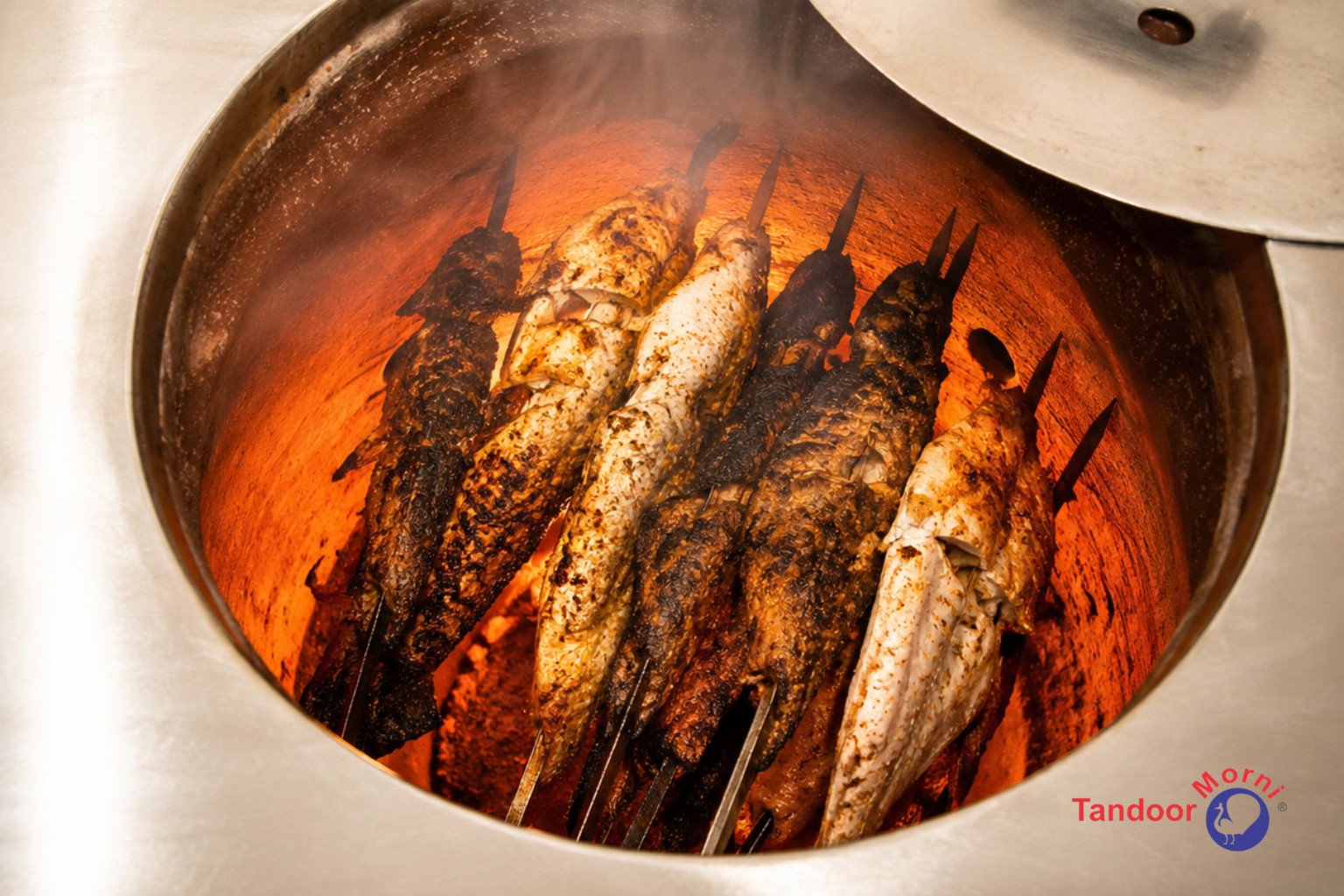
Packing too many skewers into the chamber blocks airflow — some pieces char too fast while others stay undercooked.
Mistake #5: Skipping the Resting Time After Cooking
Just like any grilled or roasted protein, fish needs a short rest after it comes out of the tandoor. Serving it immediately is a small mistake with a big consequence — the internal juices haven't had time to redistribute, so cutting into the fish right away lets them escape, leaving the flesh drier than it should be.
The fix: Let the fish rest for about 5 minutes after removing it from the tandoor. A light brush of butter or ghee during this rest adds richness and shine without undoing the work of the marinade. This is a small step, but it's consistently one of the tandoor fish cooking errors that's easiest to eliminate once you know to look for it.
Choosing the Right Tandoor Skewer Types for Fish
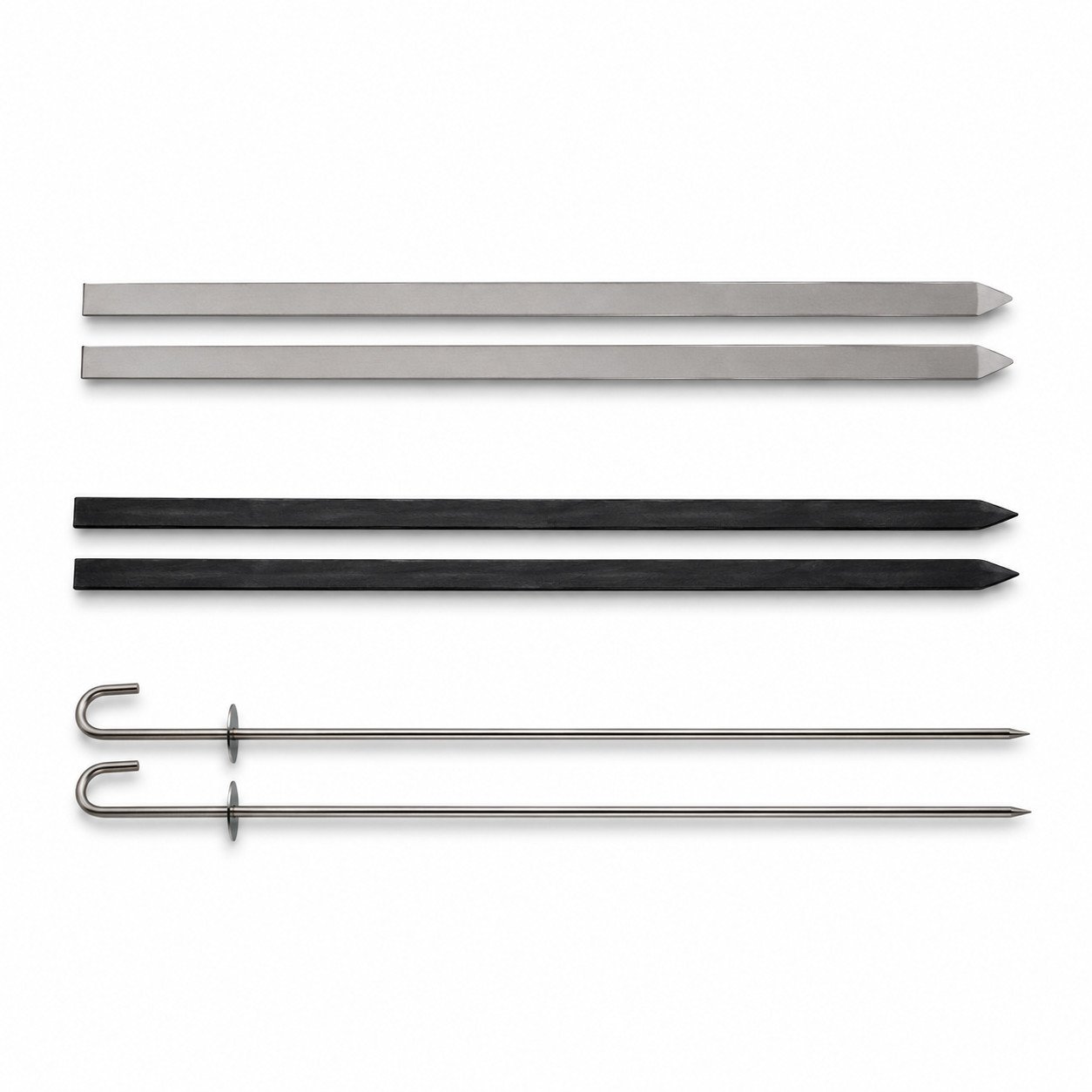
Fish needs a different skewer than red meat, and picking the wrong one from the available tandoor skewer types is a quiet contributor to a lot of the mistakes above. Thin, 3mm–5mm slim skewers heat up and cool down quickly, which suits delicate fillets and prevents them from overcooking before the surface even browns. Thicker skewers, built for chicken or lamb, retain heat far longer than a piece of fish actually needs, which makes them a poor match for anything delicate.
Understanding tandoor skewer types also matters for serving format. Whole fillets tend to do better on flat skewers that support their shape, while cubed fish for tikka-style dishes holds up well on thinner round skewers. Our Tandoor Skewers & Shish Kebab Skewers For Sale AS04 come in flat, round, and hook styles, which covers both formats without needing to buy separate sets for fish and meat.
Tandoor Skewers for Kebabs vs Tandoor Skewers for Fish
It's worth being clear that tandoor skewers for kebabs and tandoor skewers for fish aren't always interchangeable, even though they look similar on the shelf. Kebab skewers built for chicken tikka or seekh kebab are usually thicker and heavier, since they're designed to support denser cuts through a longer cook time. Fish needs the opposite — a lighter, thinner skewer that won't hold excess heat against a fillet that only needs a few minutes to cook through.
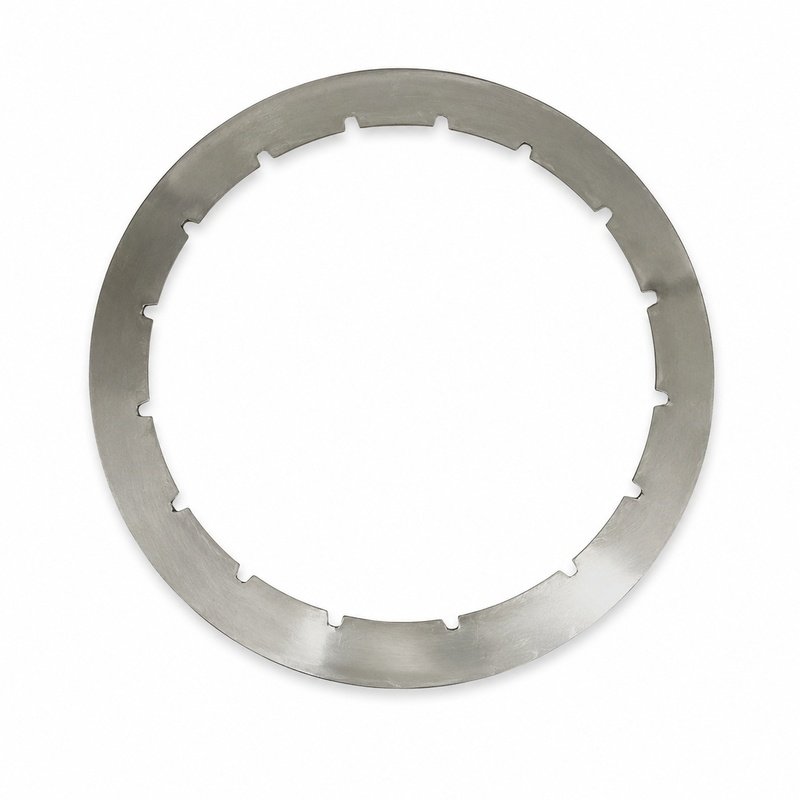
If your kitchen regularly cooks both, it's worth keeping two separate sets on hand rather than trying to make one all-purpose skewer work for everything. A Tandoor Skewers Ring AS10 makes it easier to keep fish skewers separated and organized from your heavier kebab set, so you're not reaching for the wrong one mid-cook.
Why the Right Tandoor Model Matters for Fish
Even with every technique above dialed in, the oven itself still sets the ceiling on your results. A high-quality tandoor delivers consistent temperature, proper airflow, and efficient fuel use — three things that matter enormously for a protein as unforgiving as fish. A poorly insulated or unevenly heated unit can undo good marination and careful timing in a matter of minutes.
For home cooks working through smaller batches, the Wood Fired Tandoor Oven R28 (20x28 inches) offers a compact chamber that holds heat evenly for a handful of fillets at a time — ideal for a weeknight dinner rather than a large batch. Commercial kitchens running through higher volume are usually better served by the Restaurant Tandoor Oven CH02, while caterers who need to space out multiple skewers across a single event tend to get the most consistent results from the Round Catering Clay Tandoor Oven CS01, since its wider round chamber was built with exactly that kind of batch spacing in mind.
Wood-fired cooking adds its own layer of flavor worth mentioning here. The Wood Fired Tandoor Oven R28 in particular gives fish a slightly deeper smokiness than a gas-fired chamber, though it also demands a bit more attention to preheating time, since wood-fired heat builds less predictably than a gas burner with a dial.
If you're weighing which size actually fits your kitchen, it's worth comparing the full Home Tandoor Ovens lineup against our Catering Tandoor Ovens range before deciding, since chamber size affects fish cooking outcomes just as much as marination or skewer choice.
Best Fish Varieties for Tandoor Cooking
Not every fish holds up the same way inside a tandoor, and picking the wrong variety is another quiet contributor to common mistakes cooking fish in tandoor. Firm, fatty fish handles the intense vertical heat far better than something soft or delicate, since it's less likely to flake apart on the skewer before it's fully cooked.
- Salmon — holds its shape well and its natural fat keeps it from drying out even at high heat
- Snapper — firm, mild-flavored, and forgiving for cooks still getting used to tandoor timing
- Pomfret — a traditional choice for tandoori fish, with a texture that takes well to skewering whole
- Tuna steaks — thick cuts that tolerate a slightly longer cook without drying out
Softer, flakier fish like tilapia or sole can still work, but they need extra care with skewer choice and cook time, since they're far more prone to falling apart under the tandoor's heat than the firmer varieties above.
How to Tell When Tandoori Fish Is Done
Guessing at doneness is one more entry on the list of common mistakes cooking fish in tandoor, since pulling fish too early or too late both ruin the texture in different ways. The FDA's safe minimum internal temperature chart puts fish at 145 Degree Fahrenheit, or cooked until the flesh is opaque and separates easily with a fork — usually somewhere between 8 and 12 minutes depending on thickness and skewer type, though exact timing always depends on how well the chamber was preheated.
Relying on a food thermometer alongside the visual and tactile check is the most reliable way to avoid both undercooked centers and dry, overcooked exteriors. A reliable thermometer removes most of the remaining guesswork.
Getting Your Temperature Readings Right
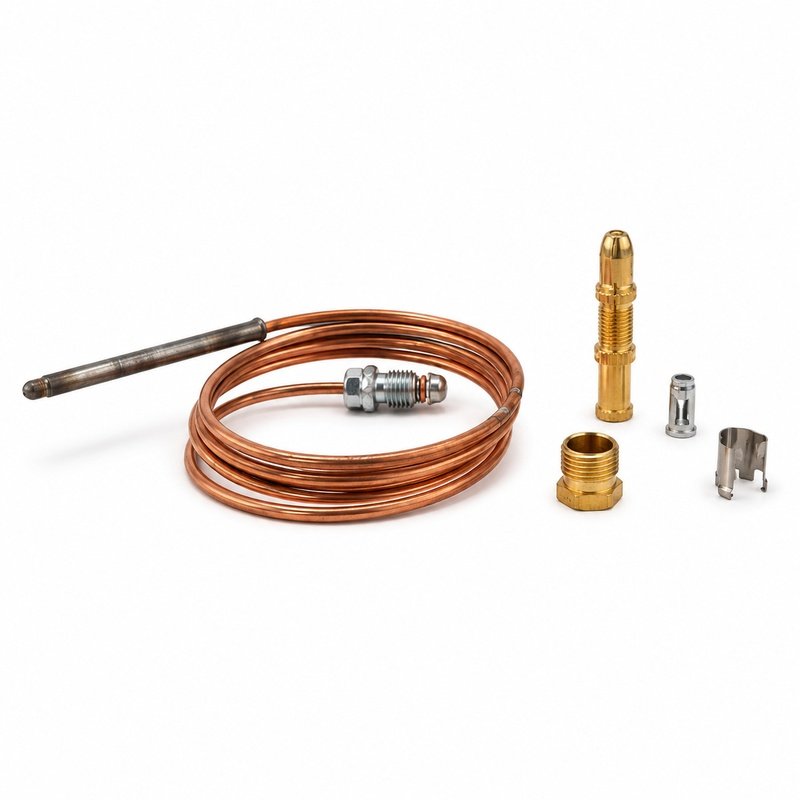
A recurring theme across all five mistakes is heat control, and guessing at chamber temperature is one of the quieter tandoor fish cooking errors home cooks make. Rather than relying on how the chamber looks or feels, a Digital Thermometer Gun AS16 takes the guesswork out of knowing when the tandoor has actually reached a steady, even temperature before the fish goes in. For gas models, keeping the Tandoor Oven Thermocouple AS12 in good working order also helps maintain the consistent heat that delicate fish depends on.
Quick Reference: Fish Cooking Mistakes and Fixes
| Mistake | What It Causes | The Fix |
|---|---|---|
| Skipping marination time | Bland, under-seasoned fish | Marinate 2–4 hours, ideally overnight |
| Wrong tandoor temperature | Burnt outside, raw inside | Preheat chamber for at least 30 minutes |
| Ignoring moisture control | No crispy, charred crust | Pat dry; use thick hung curd, less liquid |
| Overcrowding the chamber | Uneven cooking, poor airflow | Cook in smaller batches, space skewers out |
| Skipping resting time | Dry, less flavorful fish | Rest 5 minutes before serving |
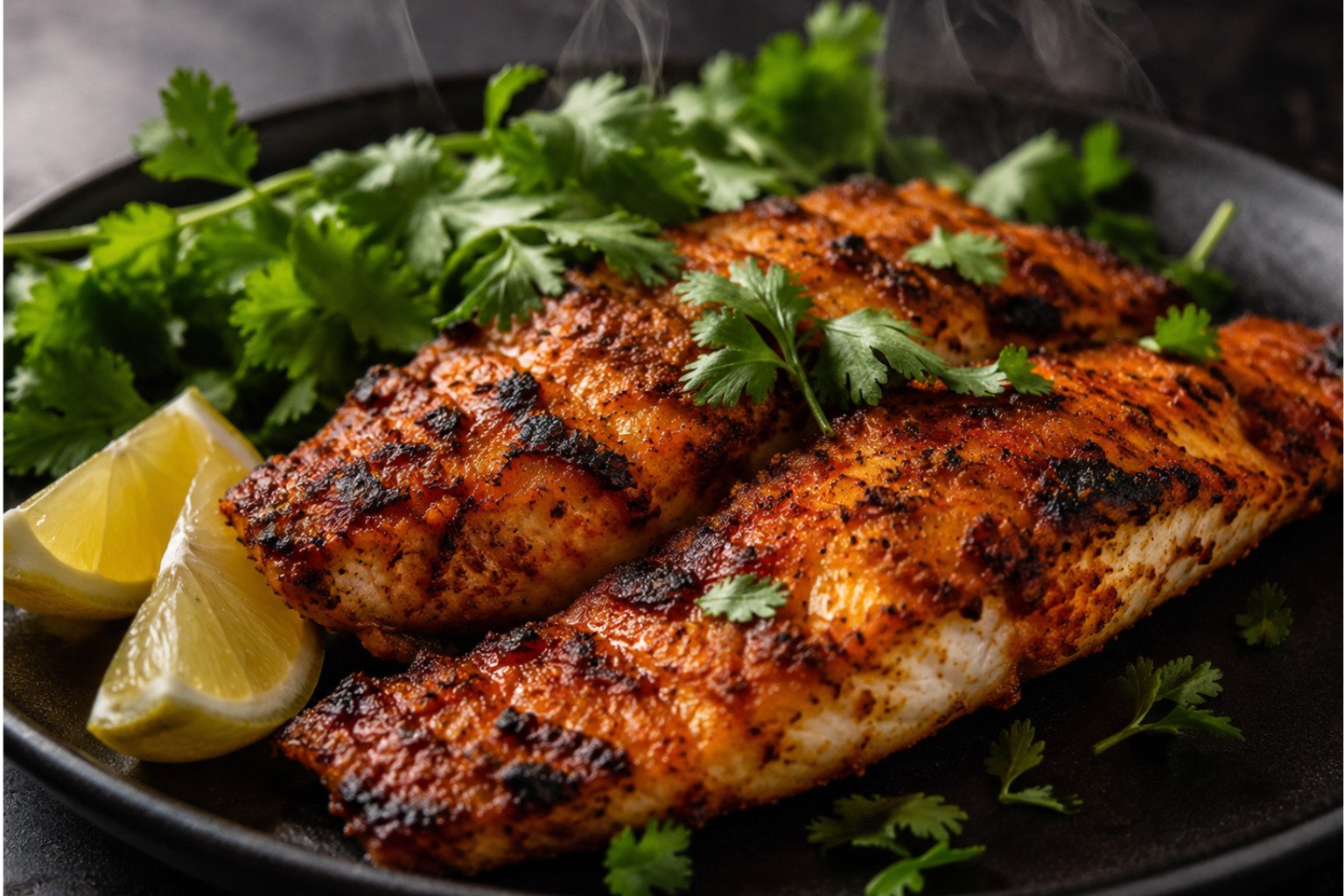
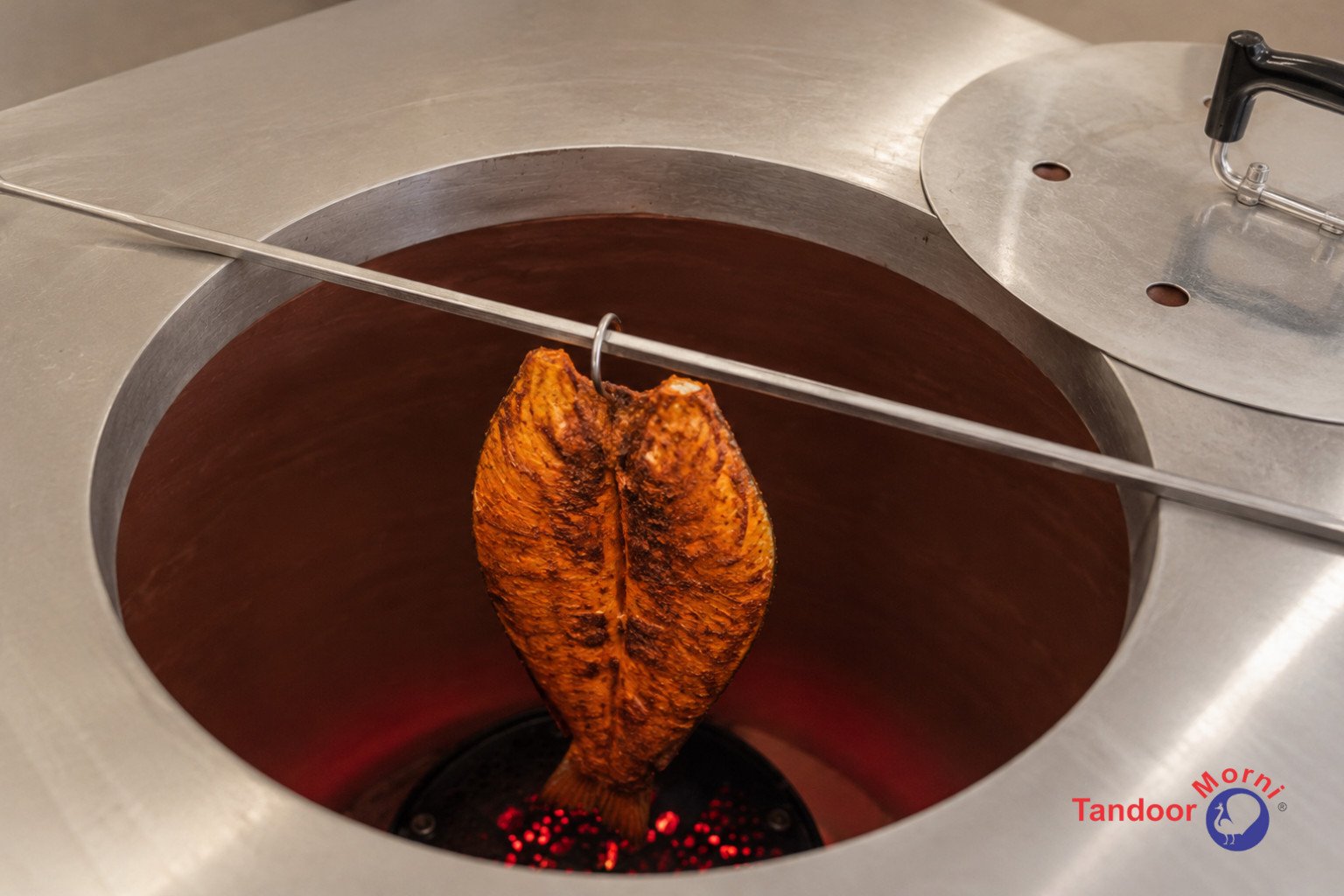
The payoff once all five mistakes are avoided: an evenly charred crust with a moist, flaky interior.
Frequently Asked Questions
What's the single most common mistake cooking fish in tandoor?
How long should fish marinate before going into a tandoor?
Which tandoor skewer types work best for fish?
Can I use the same skewers for fish and kebabs?
Why does my tandoori fish stick to the skewer or clay wall?
Final Thoughts on Avoiding Fish Cooking Mistakes
None of the common mistakes cooking fish in tandoor are complicated to fix once you know what to look for. Marinate long enough for the spices to actually reach the flesh, preheat a properly built oven before the fish goes in, manage surface moisture, give every piece room to breathe, and let the fish rest before you cut into it. Get those five right, along with the correct skewer for the job and a firm-fleshed variety like salmon or pomfret, and tandoori fish becomes one of the easiest dishes in your rotation instead of one of the trickiest.
Have questions about equipment, skewers, or getting started with tandoori fish? Call us at +1 (727) 251-6924 or email info@tandoormorni.com, and our team can help you find the right oven and accessories for your kitchen or catering setup. Certified ovens are also available through flexible financing options if you're outfitting a full kitchen at once, and our Operation Manual covers preheating and curing steps in more detail for first-time tandoor owners.