Tandoor ovens are prized for the rich, smoky flavor and high-heat cooking that turns naan, kebabs, and roasted vegetables into something a conventional oven simply can't replicate. But that performance depends on components most cooks rarely think about until something goes wrong — the burner and the metal plates. Learning to clean tandoor burners and plates properly isn't a cosmetic chore; it's what keeps heat distribution even, flavor authentic, and the oven itself safe to operate session after session, whether it's cooking twice a week at home or running through dozens of orders a night in a commercial kitchen.
This guide covers why cleaning matters, exactly what tools you'll need, and a full step-by-step process for both the burner assembly and the metal plates, along with a maintenance schedule and the mistakes that cause the most damage when skipped. Whether you're running a single gas tandoor oven burner at home or maintaining a full commercial lineup, the same core principles apply.
Why Cleaning Tandoor Burners and Plates Matters
A handful of concrete problems build up when burners and plates go uncleaned for too long, and each one compounds the others over time.
- Flavor preservation. Residual grease, burnt food particles, and ash residue alter the flavor of every dish that follows, even when the marinade and technique are otherwise perfect.
- Even heat distribution. A burner clogged with carbon deposits or soot heats unevenly, which shows up as scorched exteriors paired with undercooked centers — a problem no amount of skill in the kitchen can fully compensate for.
- Safety. Accumulated grease and food debris are a genuine fire hazard inside a chamber that regularly reaches several hundred degrees. Commercial kitchens are held to NFPA 96, the fire protection standard covering grease buildup in cooking equipment, and routine tandoor burner maintenance meaningfully reduces that risk regardless of whether your kitchen is formally inspected against it.
- Professional appearance. For restaurants and caterers, a visibly clean tandoor signals kitchen standards to customers and inspectors alike.
Tools and Supplies You'll Need
Gathering everything before you start keeps the process moving without interruptions. Here's the full list for a proper clean tandoor burners and plates session.
- A wire brush or grill brush for scrubbing metal surfaces
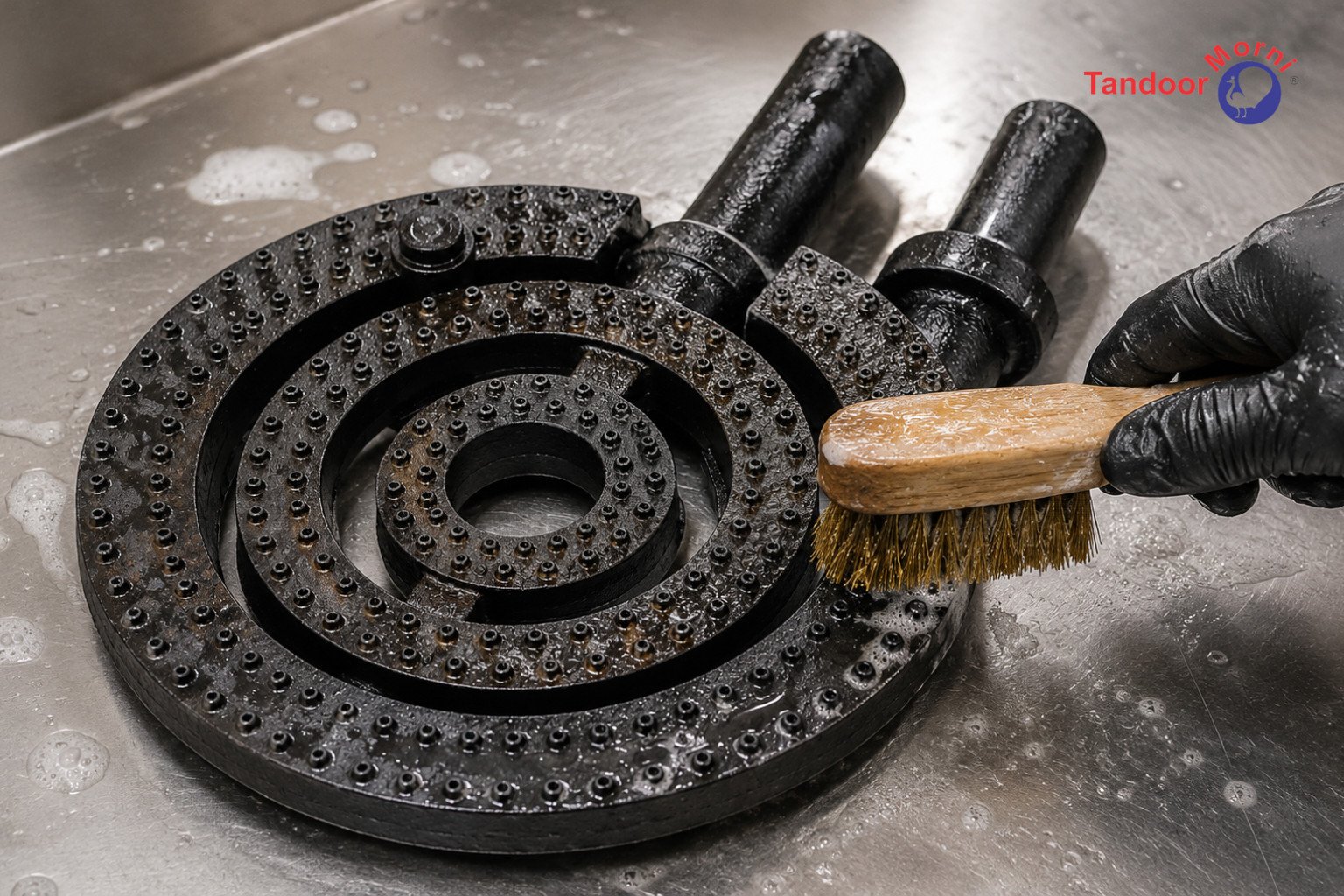
- A brass bristle brush for gently cleaning burner nozzles without damaging them
- Warm water and mild dish soap
- A vinegar or baking soda solution as a natural degreaser
- Non-abrasive scrub pads
- Protective gloves
- Toothpicks or a soft pin for unclogging burner holes
- Dry cloth and paper towels
- Heat-resistant oil, such as vegetable oil, for conditioning metal plates after cleaning
Step-by-Step Guide to Cleaning Tandoor Burners
The burner is the heart of the tandoor, supplying the intense heat authentic tandoori cooking depends on, so keeping it clean directly protects performance. These are the core tandoor burner cleaning steps to follow every time.
Step 1: Turn Off and Cool Down
Make sure the tandoor is fully powered off and completely cooled before starting. If you're working on a gas tandoor oven burner, disconnect the gas supply first — never clean a burner that's still connected to an active gas line.
Step 2: Remove Loose Debris
Use a dry brush to sweep away loose ash, carbon deposits, and food particles from the surface before introducing any liquid or cleaning solution.
Step 3: Unclog the Burner Holes
Over time, small food particles and soot block the tiny holes that distribute flame evenly. Use a toothpick or soft pin to gently clear each one. Avoid metal skewers here — they can enlarge or permanently damage the holes, which affects flame shape and heat distribution going forward.
Step 4: Soak and Clean
For detachable burners, soak them in warm, soapy water for 15 to 20 minutes, then scrub gently with a bristle brush to lift stains and grease. This soak step is what makes the rest of the tandoor burner maintenance process meaningfully easier.
Step 5: Rinse and Dry Thoroughly
Rinse with clean water and let the burner dry completely before reassembly. Leftover moisture on a gas tandoor oven burner isn't just a rust risk — it can also interfere with proper gas flow once reconnected.
Step 6: Reassemble and Test
Once fully dry, reattach the burner and reconnect the gas supply. Light the tandoor briefly to confirm even flame distribution across every hole before returning to normal cooking use.
Gas Tandoor Oven Burner: What Makes It Different
A gas tandoor oven burner carries extra considerations that charcoal or wood setups don't have to think about. Because it's connected to an active fuel line, any cleaning step involving disconnection and reconnection needs to be treated as a safety procedure, not just routine upkeep. Always verify the gas connection is fully disconnected before touching the burner, and always test the flame pattern after reassembly rather than assuming it reconnected correctly.
Clogged burner holes on a gas unit don't just cause uneven cooking — they can also create irregular flame patterns that burn hotter in some spots than the burner was designed for, which accelerates wear on the surrounding components. Regular tandoor burner maintenance is what keeps a gas tandoor oven burner performing the way it did on day one.
Step-by-Step Guide for Cleaning Metal Plates
The metal plates used for covering, placing food, or holding charcoal take on heavy exposure to both high heat and food residue. Clean metal plates tandoor maintenance is just as important for hygiene and performance as the burner itself.
Step 1: Cool Before Cleaning
Let plates cool down naturally before handling them. Sudden exposure to cold water while a plate is still hot can cause warping, which permanently affects how evenly it sits and conducts heat afterward.
Step 2: Scrape Off Residue
Use a scraper or grill brush to remove burnt-on food and carbon buildup before moving to a wet clean.
Step 3: Soak in a Cleaning Solution
Submerge the plates in warm water with dish soap or vinegar. For stubborn grease, add a spoonful of baking soda for extra cleaning power — the same combination used for burner cleaning works well here too.
Step 4: Scrub and Rinse
Use a non-abrasive scrub pad to clean both sides thoroughly, then rinse with warm water until no soap residue remains.
Step 5: Dry and Condition
Dry with a cloth or allow the plates to air-dry completely, then lightly oil them with a heat-resistant cooking oil. This step mirrors how you'd season cast iron, and it's what actually prevents rust and extends the plate's usable life — using a food-safe oil matters here for the same reason NSF/ANSI 51 governs which materials and finishes are acceptable on food-contact equipment in the first place.
Tandoor Burner Maintenance Schedule
Consistency matters more than intensity when it comes to tandoor burner maintenance. Here's a practical schedule to follow.
- After every use: a quick brush-down to prevent heavy buildup from accumulating in the first place.
- Weekly, especially for commercial use: a full deep clean of both burners and plates. Restaurants and catering operations running a tandoor nightly should treat this as a standing routine, not an occasional task.
- Regular inspection: check burners for cracks or rust and replace immediately if either is found — a damaged burner is a safety issue, not just a performance one.
- Ongoing plate seasoning: lightly oil plates after each clean to maintain a protective layer, and store them in a dry place to prevent moisture buildup between uses.
How Your Oven Model Affects Burner Maintenance
Burner design and access vary by model, which changes how involved the cleaning process is in practice. The Natural Gas Tandoor Oven CH04 (34x34x37 inches) uses a detachable burner assembly that makes the soak-and-scrub steps above straightforward, since the whole unit can be removed rather than cleaned in place. The Restaurant Tandoor Oven CH02 (32x32x37 inches), running through nightly commercial service, sees far more cooking cycles between cleanings, so the weekly deep-clean schedule matters even more for keeping its gas tandoor oven burner performing consistently under heavy use.
For kitchens that need documented compliance alongside performance, the CSA ETL NSF Tandoor Oven T04 (34x34x37 inches) pairs certified construction with the same burner maintenance routine described in this guide — certification confirms the equipment meets a safety standard, but it doesn't replace the ongoing cleaning that keeps it operating at that standard over years of use.
Whichever model you're running — the Natural Gas Tandoor Oven CH04, the Restaurant Tandoor Oven CH02, or the CSA ETL NSF Tandoor Oven T04 — the underlying steps to clean tandoor burners and plates stay the same. What changes is how often you need to run through them.
Common Mistakes to Avoid
A handful of avoidable habits show up repeatedly, even among people trying to stay on top of tandoor burner maintenance.
- Cleaning while still hot. This can warp plates or cause burns. Always let components cool completely before handling.
- Using steel wool on burners. It damages the metal and can enlarge the gas holes, permanently affecting flame pattern and heat distribution.
- Skipping the drying step. Moisture left on metal plates or burner components is one of the most common causes of rust between cleanings.
- Neglecting the gas flow check. After cleaning a gas tandoor oven burner, always confirm it's reassembled correctly and test the flame before resuming normal cooking.
- Using harsh chemical cleaners. These can damage the metal surface and leave a residue that isn't food-safe, which defeats the purpose of cleaning in the first place.
When to Clean vs When to Replace a Burner
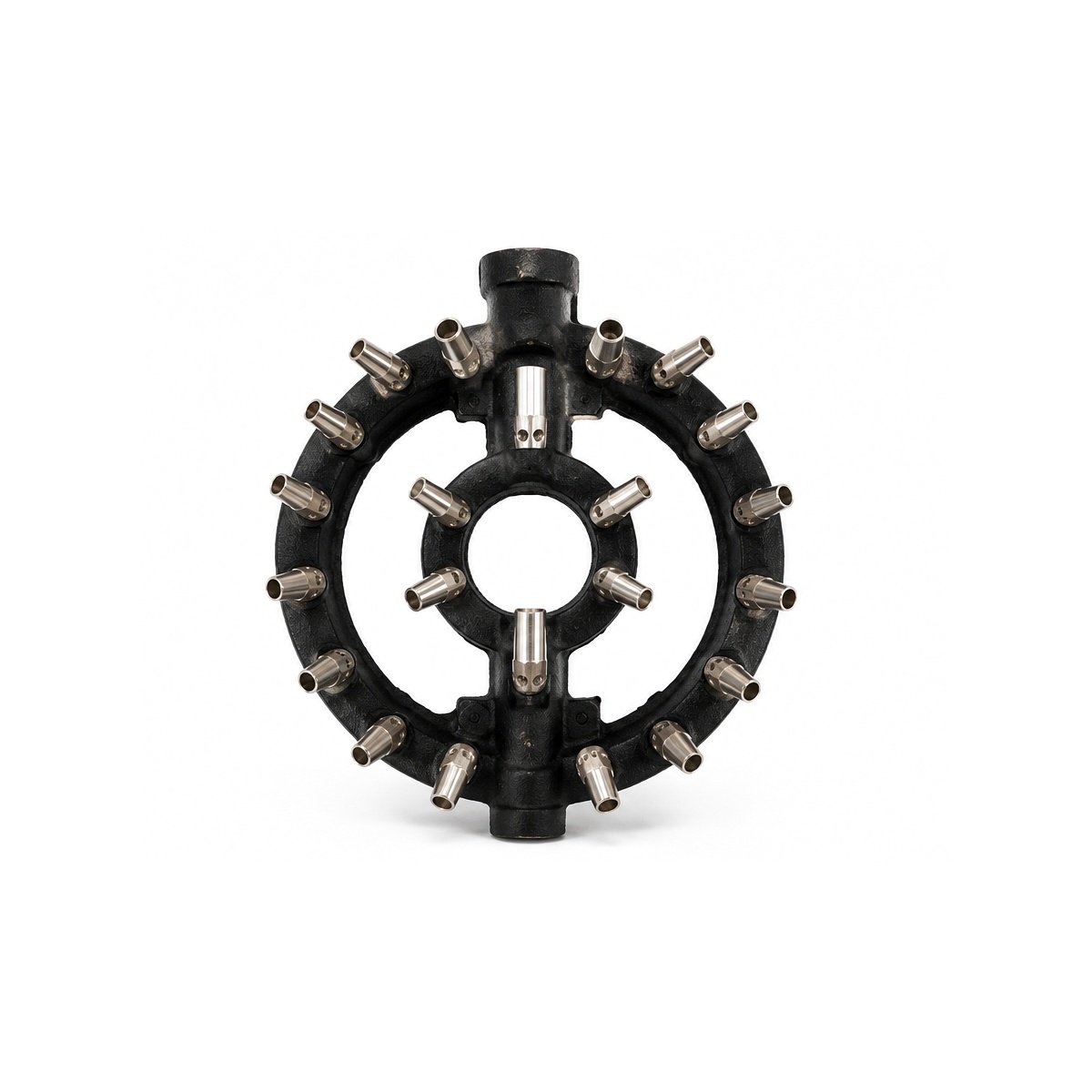
Regular cleaning extends a burner's life significantly, but it doesn't make it last forever. If a burner shows cracks, visible rust that scrubbing doesn't remove, or an uneven flame pattern even after unclogging every hole, it's time to replace it rather than continue cleaning around the problem. A cracked burner isn't just a performance issue — it's a genuine safety risk on any gas-powered unit. Our Tandoor Oven Burner AS06 is built as a direct replacement part for exactly this situation, so a damaged burner doesn't mean waiting on a full oven replacement.
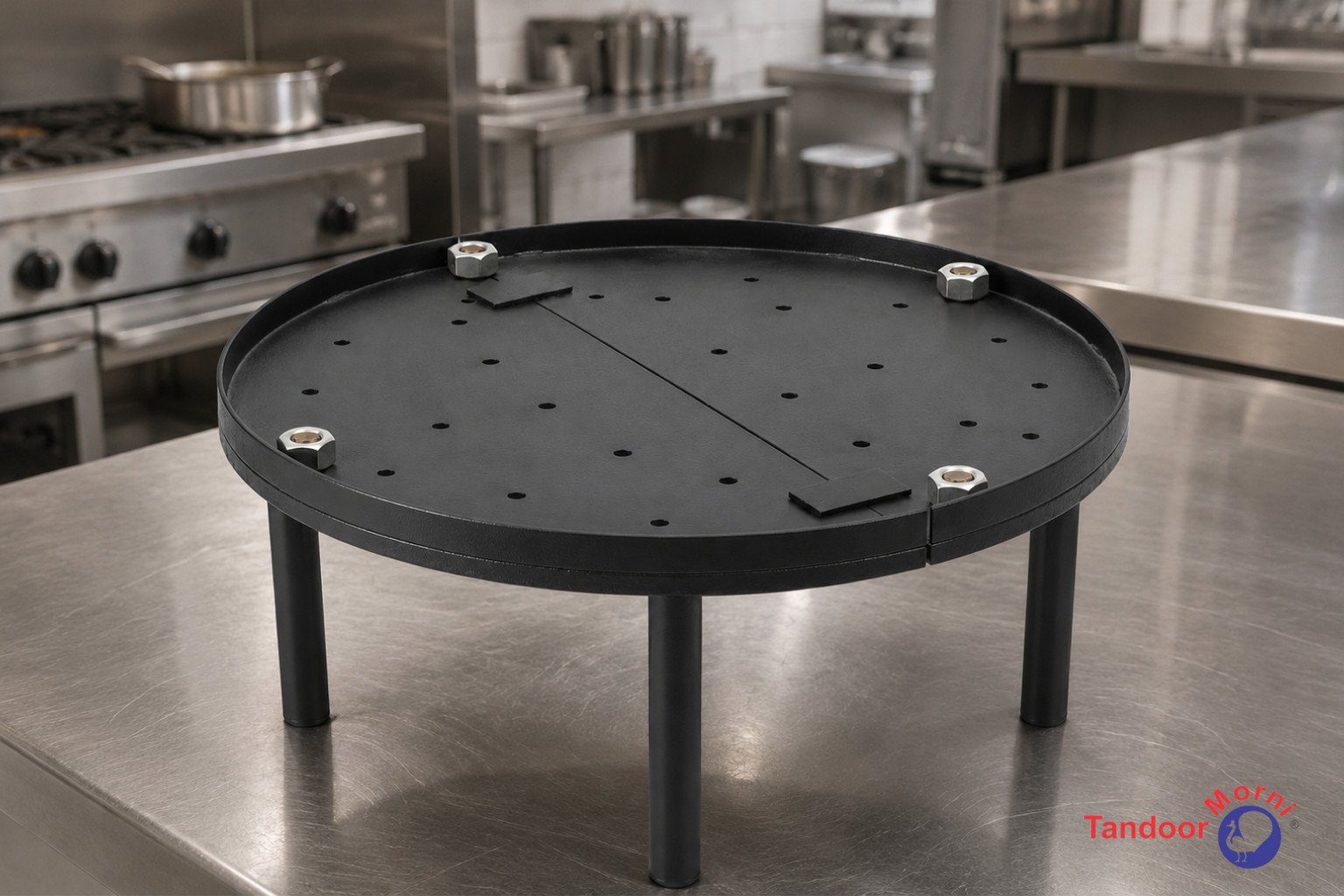
A light coat of heat-resistant oil after cleaning is what actually prevents rust between sessions, the same way seasoning protects cast iron.
Clean Metal Plates Tandoor Routines by Cooking Style
How often you need a clean metal plates tandoor routine depends heavily on what you're cooking most. Naan and bread cooking leaves relatively light residue on plates compared to fattier meats like lamb or chicken thigh, which render grease directly onto the plate surface during cooking. Kitchens that lean heavily on skewered meats should expect to run the full soak-and-scrub process more frequently than one focused mostly on bread and vegetables.
Charcoal-adjacent plates that sit near the fuel source also accumulate ash and soot faster than plates used purely for food placement higher in the chamber. Separating these into different cleaning frequencies — rather than treating every plate in the tandoor identically — keeps a clean metal plates tandoor routine efficient instead of over-cleaning parts that don't actually need it as often.
How Commercial Kitchens Should Approach Burner Cleaning
Commercial kitchens face a different set of pressures than a home cook cleaning a single tandoor on weekends. Nightly service means the burner and plates go through far more heat cycles per week, and any downtime for cleaning has to be scheduled around service hours rather than whenever it's convenient. The most effective approach is building tandoor burner maintenance directly into closing procedures, so the cool-down period that happens naturally after service overlaps with the time needed for cleaning rather than adding an extra step later.
Staff training matters here too. A clean metal plates tandoor habit that only one person on staff actually follows tends to fall apart the moment that person is off shift. Documenting the steps in this guide as a standing closing checklist keeps the routine consistent regardless of who's working that night, and it's a natural companion to the certification standards a commercial kitchen is already expected to maintain.
Signs Your Tandoor Needs Cleaning Right Now
Beyond a fixed schedule, a few warning signs mean cleaning shouldn't wait for the next scheduled session. A visibly uneven or sputtering flame on a gas tandoor oven burner usually points to clogged holes rather than a mechanical fault. A noticeably off flavor in food that used to taste consistent is often residue buildup rather than a marinade or ingredient problem. Visible smoke or unusual odor when the tandoor first heats up typically means grease or food debris has accumulated on the plates or burner surface. And any flame that looks orange or yellow rather than the steady blue expected from a properly functioning gas burner is worth investigating immediately, since it can indicate a combustion issue tied to blockage or buildup.
Catching these signs early keeps a routine tandoor burner maintenance session from turning into a bigger repair. None of them require waiting for the weekly deep clean — if you notice any of them, it's worth running through the steps in this guide the same day.
Frequently Asked Questions
How often should I clean tandoor burners and plates?
Can I clean a gas tandoor oven burner myself, or does it need a technician?
What's the best way to unclog burner holes without damaging them?
Why do my metal plates keep rusting even though I clean them?
Is it safe to use steel wool to clean tandoor burners?
When should I replace a burner instead of continuing to clean it?
Final Thoughts on Burner and Plate Maintenance
A tandoor oven delivers unmatched flavor, but only with consistent care behind it. Learning to clean tandoor burners and plates properly — cooling components fully, clearing debris, soaking and scrubbing, drying completely, and conditioning metal plates with oil — protects flavor, safety, and the equipment itself all at once. Build these steps into a routine rather than an occasional task, and your tandoor will stay efficient, safe, and long-lasting for years of regular use. The time investment is small compared to what it protects: consistent flavor, reliable heat, and equipment that keeps performing the way it did on the day it arrived.
Have questions about burner maintenance or need a replacement part? Call us at +1 (727) 251-6924 or email info@tandoormorni.com, and our team can help. Certified ovens and accessories are also available through flexible financing options, and our Operation Manual covers setup and care instructions in more detail for first-time tandoor owners.