Tandoor Buying Guide · 2026 Edition

Tandoor Buying Guide Before You Choose A Tandoor

This Tandoor Buying Guide walks you through sizing, fuel type, clay quality, and CSA/NSF certifications — everything you need to compare before choosing a tandoor oven for your home, catering business, or restaurant. The 60-second version: pick clay over electric for authentic 900°F cooking, match the opening size to your batch volume, and verify certification if the oven will be used commercially. Everything else is detail this Tandoor Buying Guide covers below.

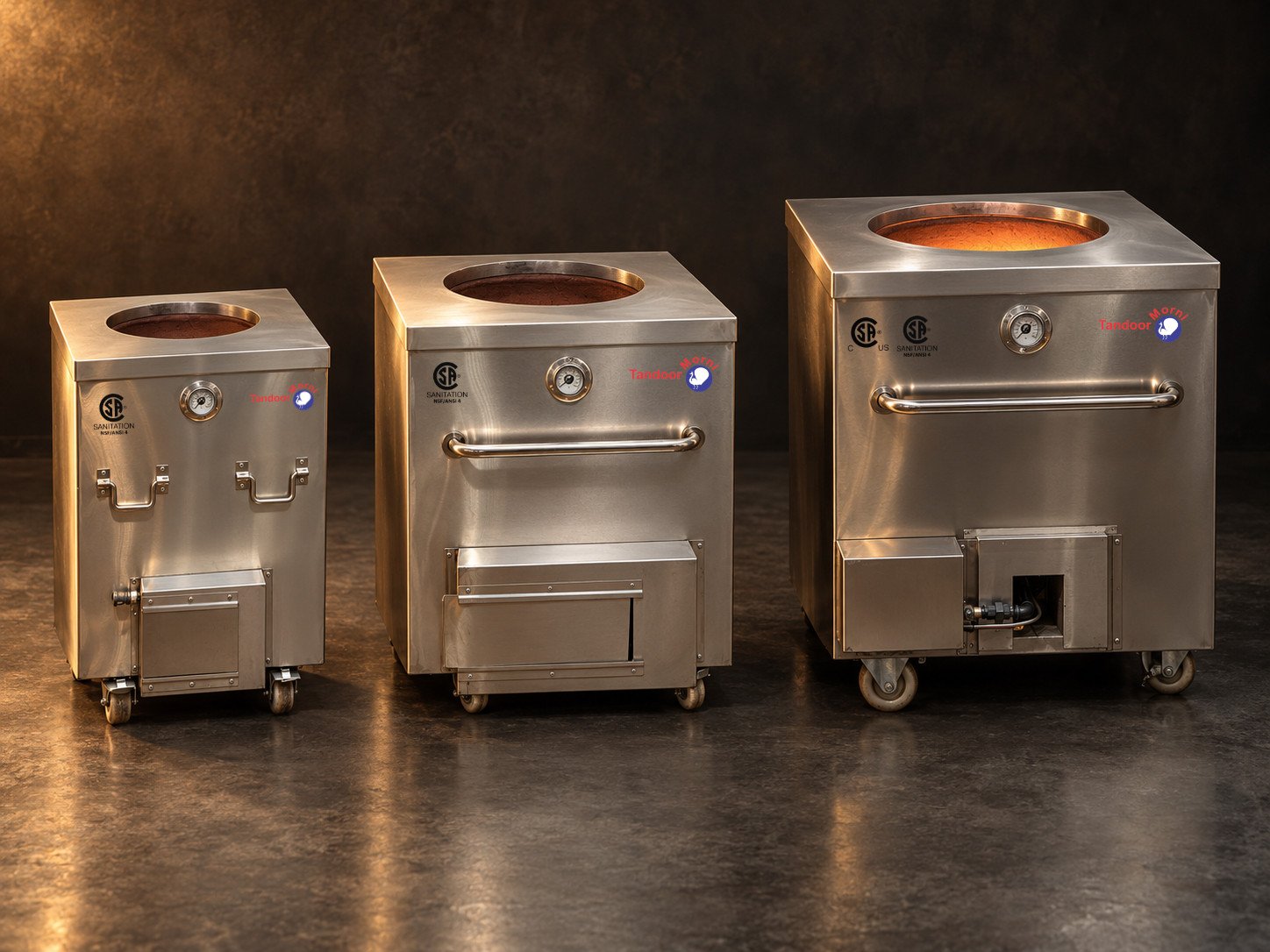
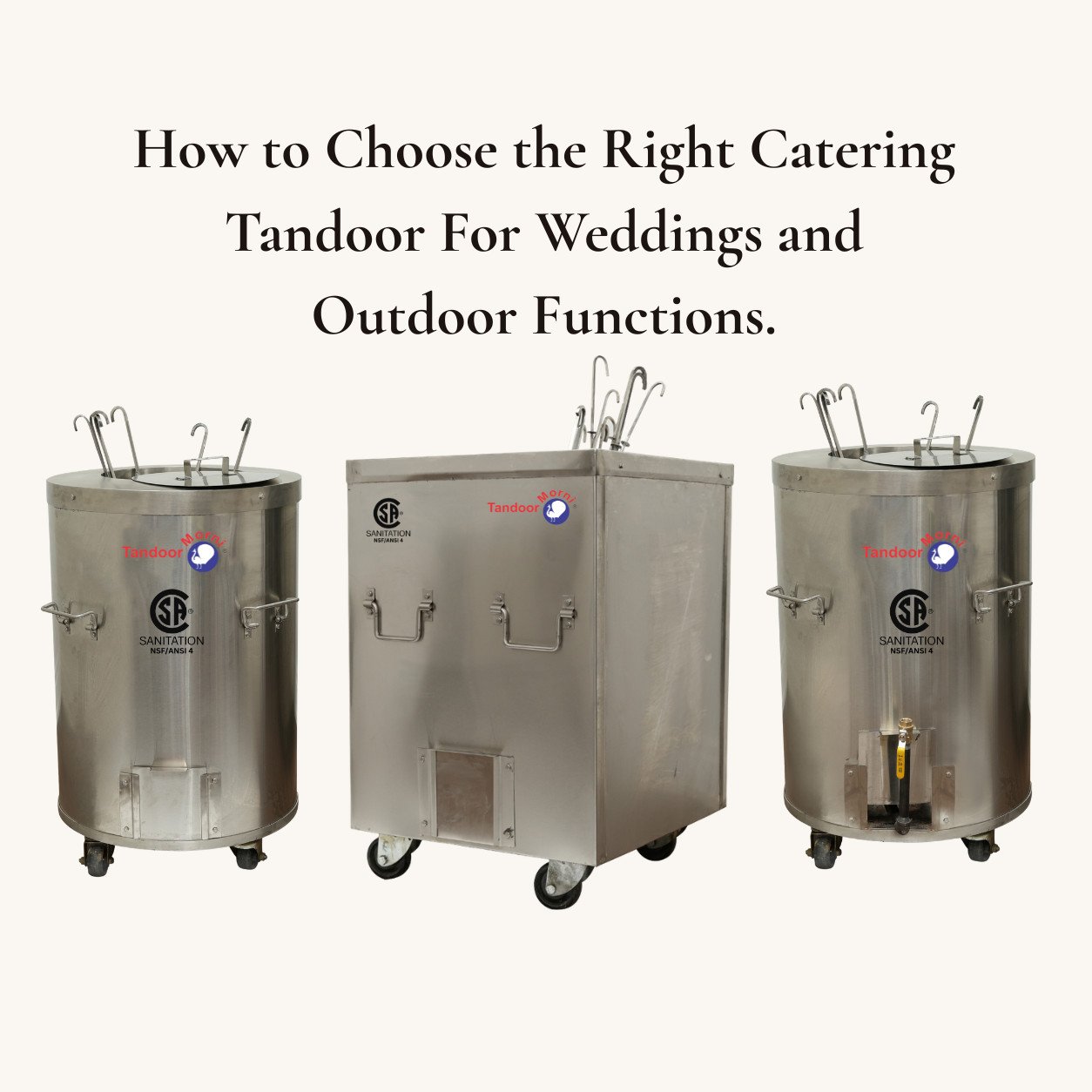
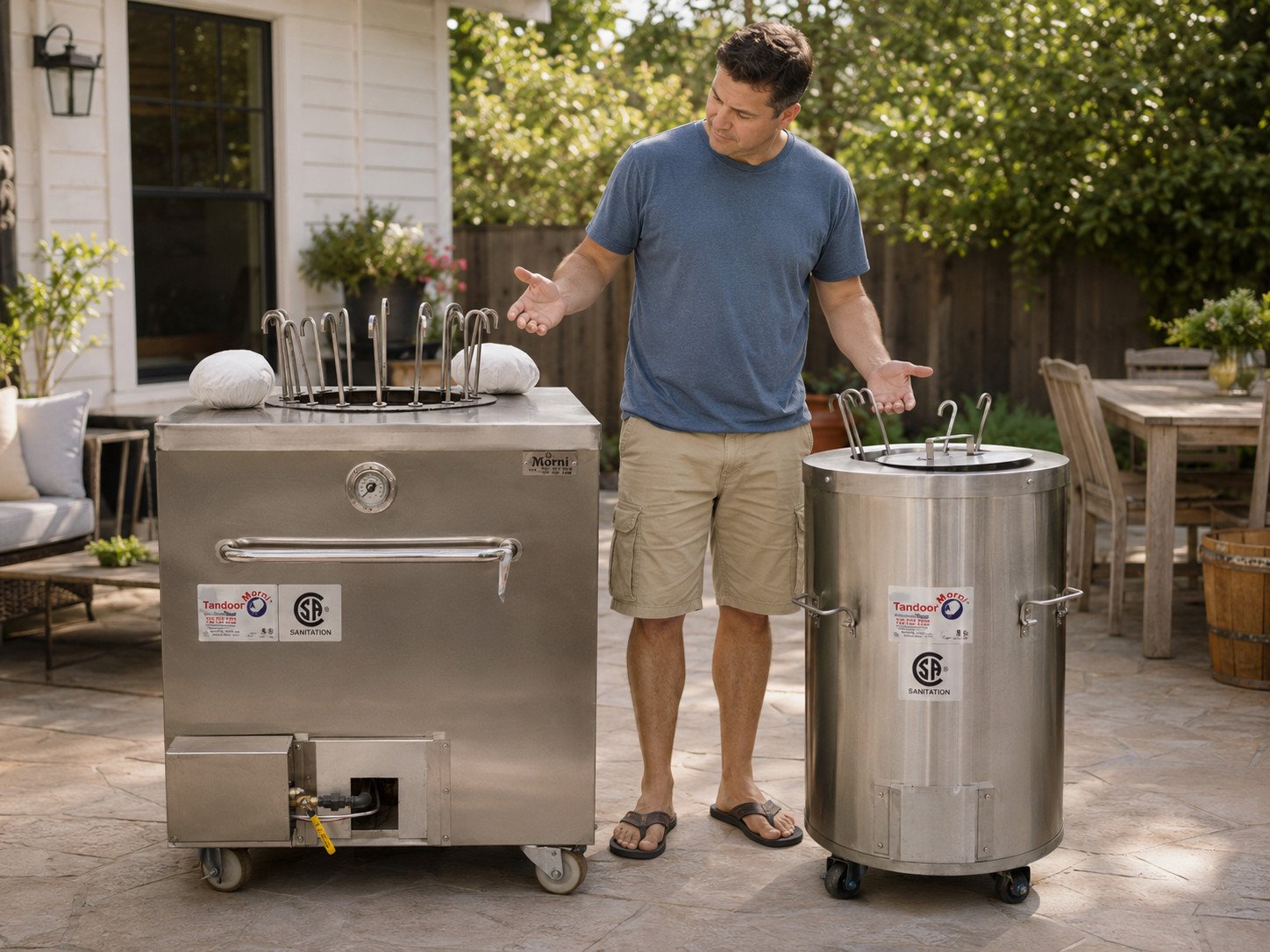
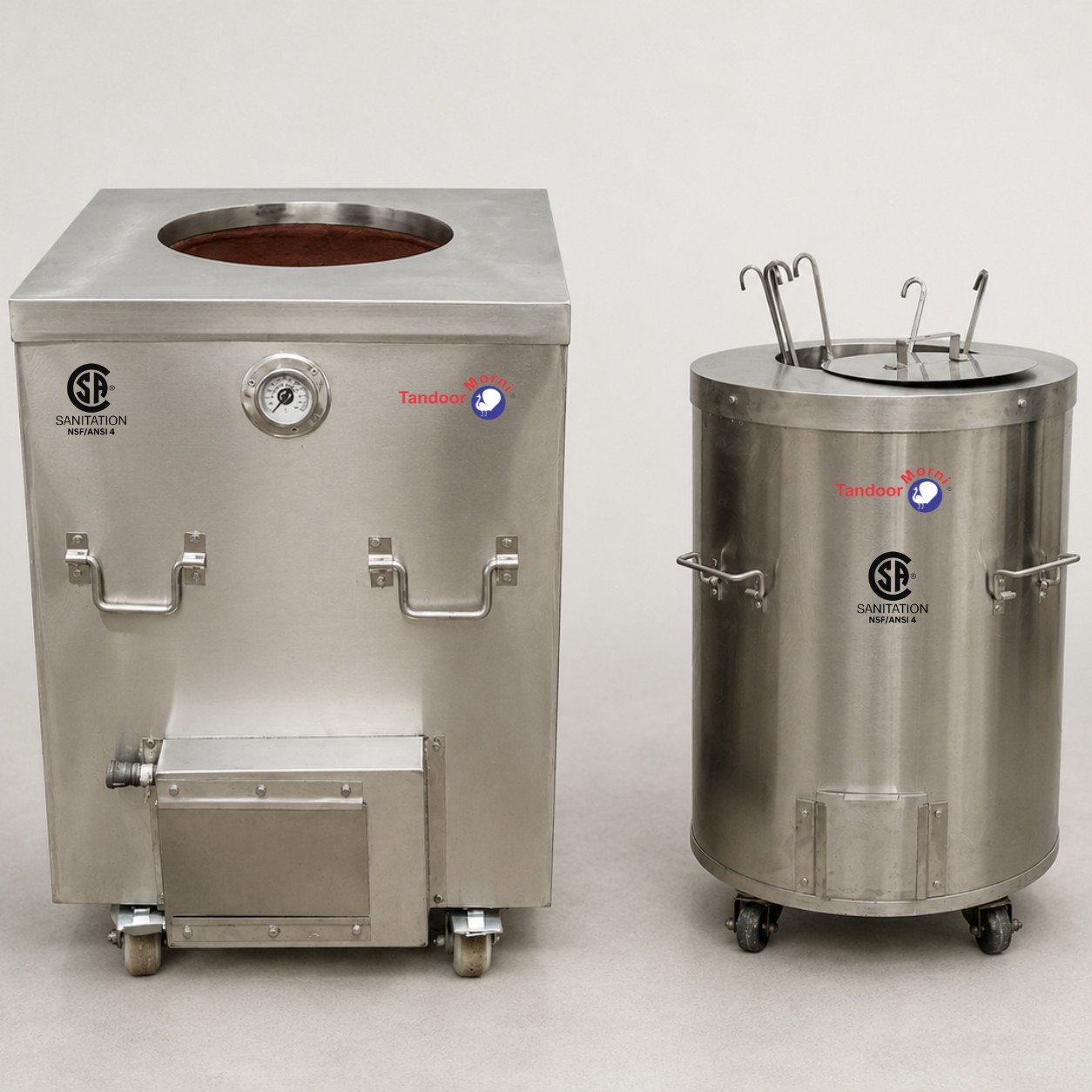
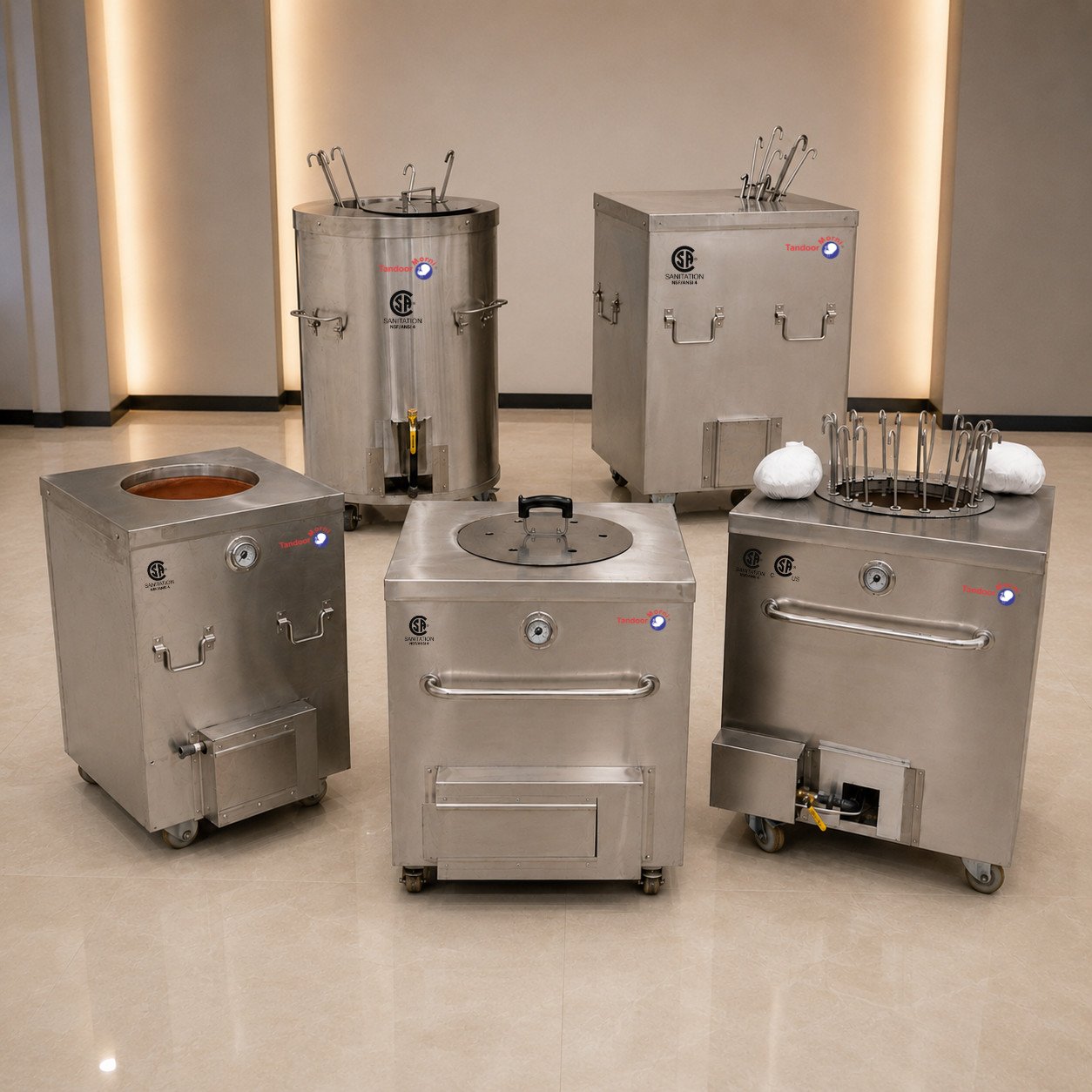
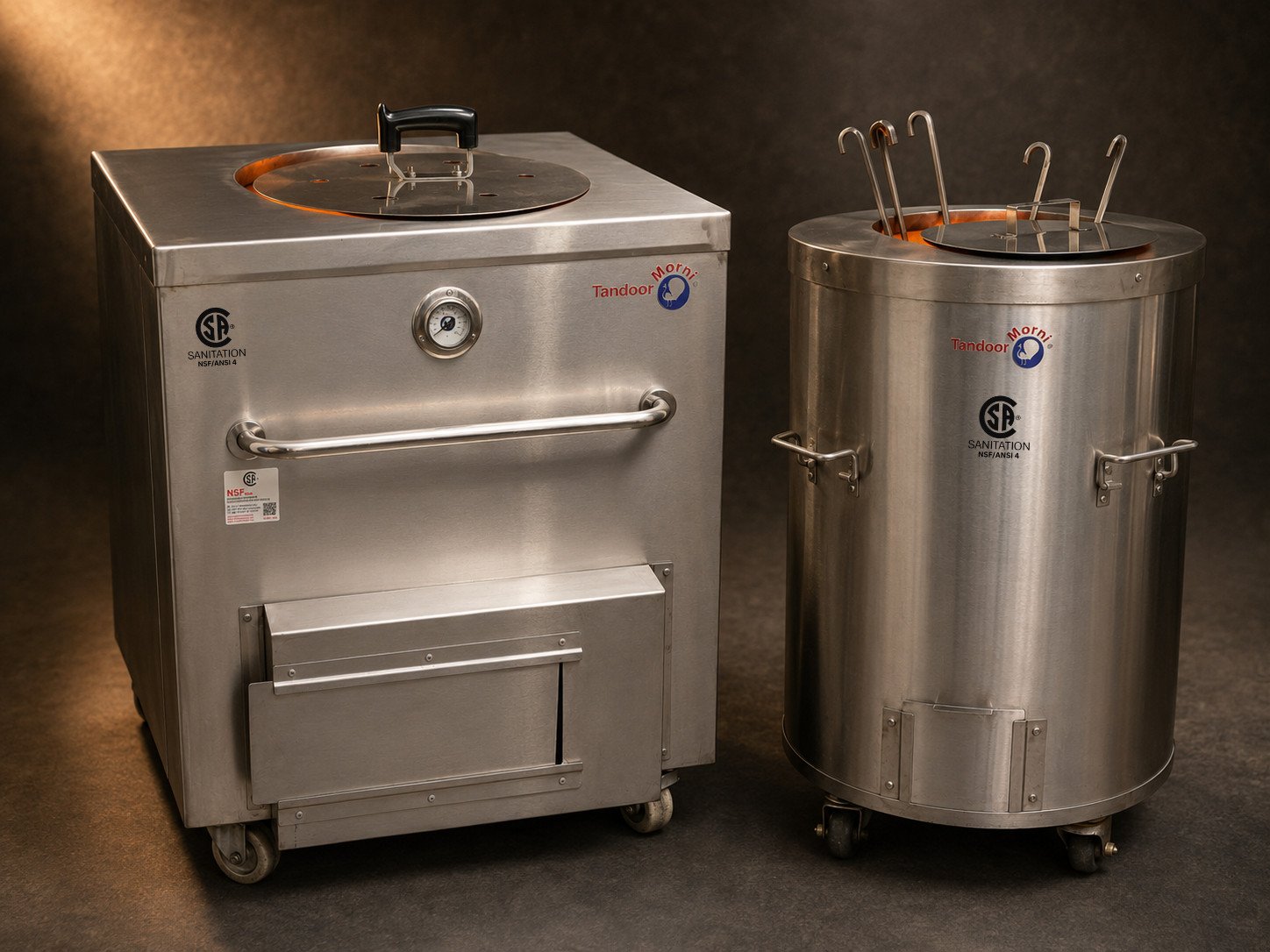
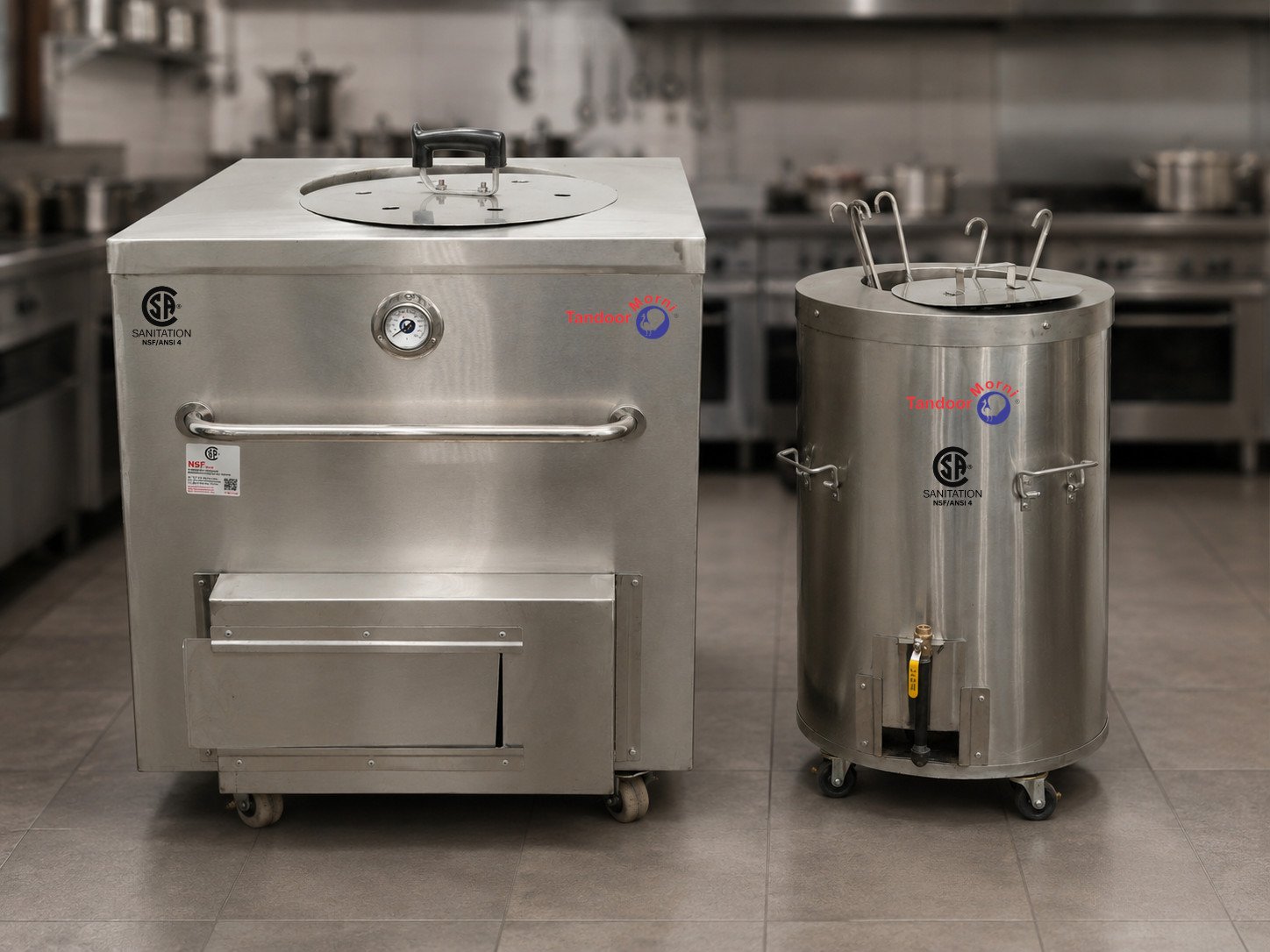
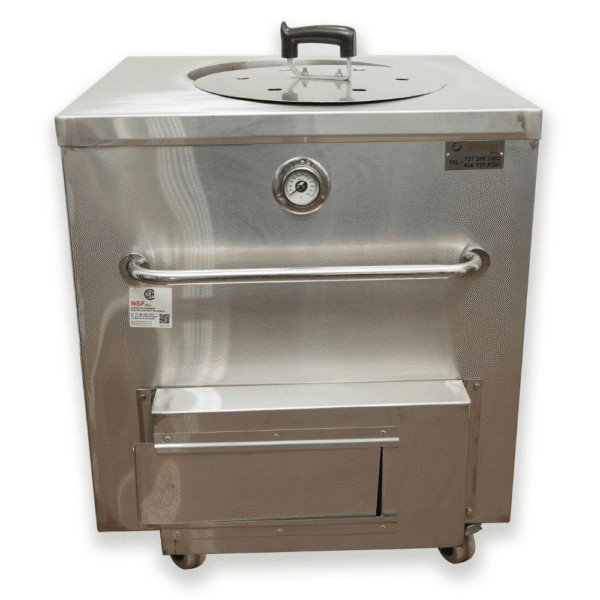
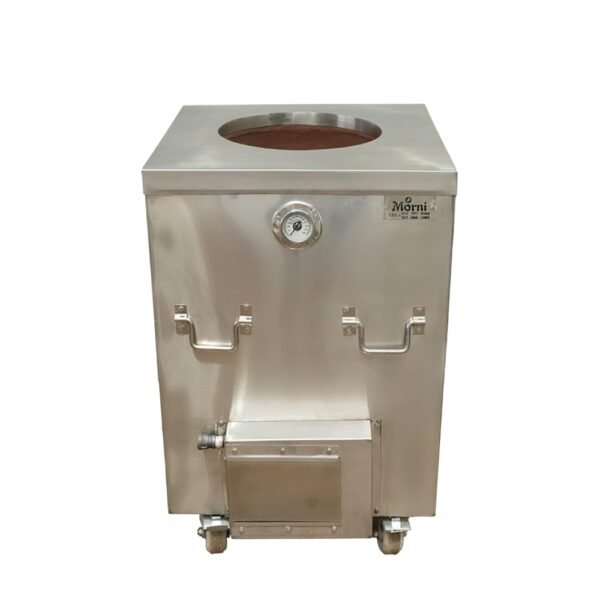
Tandoor Buying Guide: three Tandoor Morni tandoor ovens in home, catering and restaurant sizes shown side by side for comparison NSF, CSA & ETL Certified
Tandoor Ovens

Tandoor Buying Guide

Tandoor Buying Guide: How to Choose the Right Tandoor Oven

60-Second Answer

A good Tandoor Buying Guide walks you through six choices in order: home or commercial, fuel (gas, charcoal, or wood), size (12–17 inch opening), clay quality, certification (CSA/NSF for commercial), and budget ($1,099 for a home R26 up to $2,299 for a commercial T06). Clay-bodied tandoors that reach 700–900°F are the authentic pick; electric units capped at 450°F are an apartment compromise. The rest of this Tandoor Buying Guide explains each choice.

Buying a tandoor is a big decision, whether it is a home tandoor oven for the backyard or a commercial tandoor oven for a busy restaurant line. This Tandoor Buying Guide walks you through every choice in order: home or commercial, fuel, size, clay quality, certification and budget.

Think of it as our complete Tandoor Buying Guide, tandoor oven buying guide, and tandoor buyer's guide in one place — a practical resource you can come back to at any stage. By the end you will know exactly how to buy a tandoor that suits your kitchen, and which tandoor oven for sale on our site matches your needs.

Before choosing a model, make sure you understand what a traditional tandoori oven actually is — the clay, the fire, the chimney effect, and the 900°F peak heat that defines authentic tandoori cooking. Every section of this Tandoor Buying Guide below assumes that foundation.

Tandoor Buying Guide

What is a traditional tandoori oven?

Before the rest of this Tandoor Buying Guide walks you through fuel, size, and certification, here is the plain-English definition and the 5,000-year history behind the oven that produces every piece of authentic naan, tandoori chicken, and seekh kebab you have ever eaten.

60-second answer. A traditional tandoori oven — or tandoor — is a cylindrical, bell-shaped cooking chamber hand-built from iron-rich North Indian clay. A fire of charcoal, wood, or gas is lit at the bottom. The clay walls absorb and radiate heat at 700–900°F, cooking naan by direct contact and tandoori chicken by combined radiant heat, convection, and smoke from vaporized fat. The design is roughly 5,000 years old, and no electric appliance has ever reproduced its combination of heat, smoke, and radiant-clay effect. If you only read one line of this Tandoor Buying Guide, read that one.

The word tandoor comes from the Dari and Pashto tanūr, borrowed into Hindi and Punjabi and used across South Asia and the Middle East. Clay cooking vessels with the same shape have been dated by archaeologists to roughly 3000 BCE in what is now Punjab, making the traditional tandoori oven older than most written languages. Every modern Tandoor Buying Guide is still describing a design that was finalized by Indus Valley potters.

A traditional tandoori oven is defined by four things working together: a thick, hand-shaped clay body; a cylindrical chamber that forces hot air to rise through a narrow top opening; a fire burning at the base; and a steel outer shell with insulation that keeps the heat where food is cooked. If any one of those is missing — the clay, the chimney shape, the real fire, or the insulated body — the oven is not a traditional tandoor. It is a styled countertop oven at best. This is the single most important thing a Tandoor Buying Guide can teach you: name on the box is not enough.

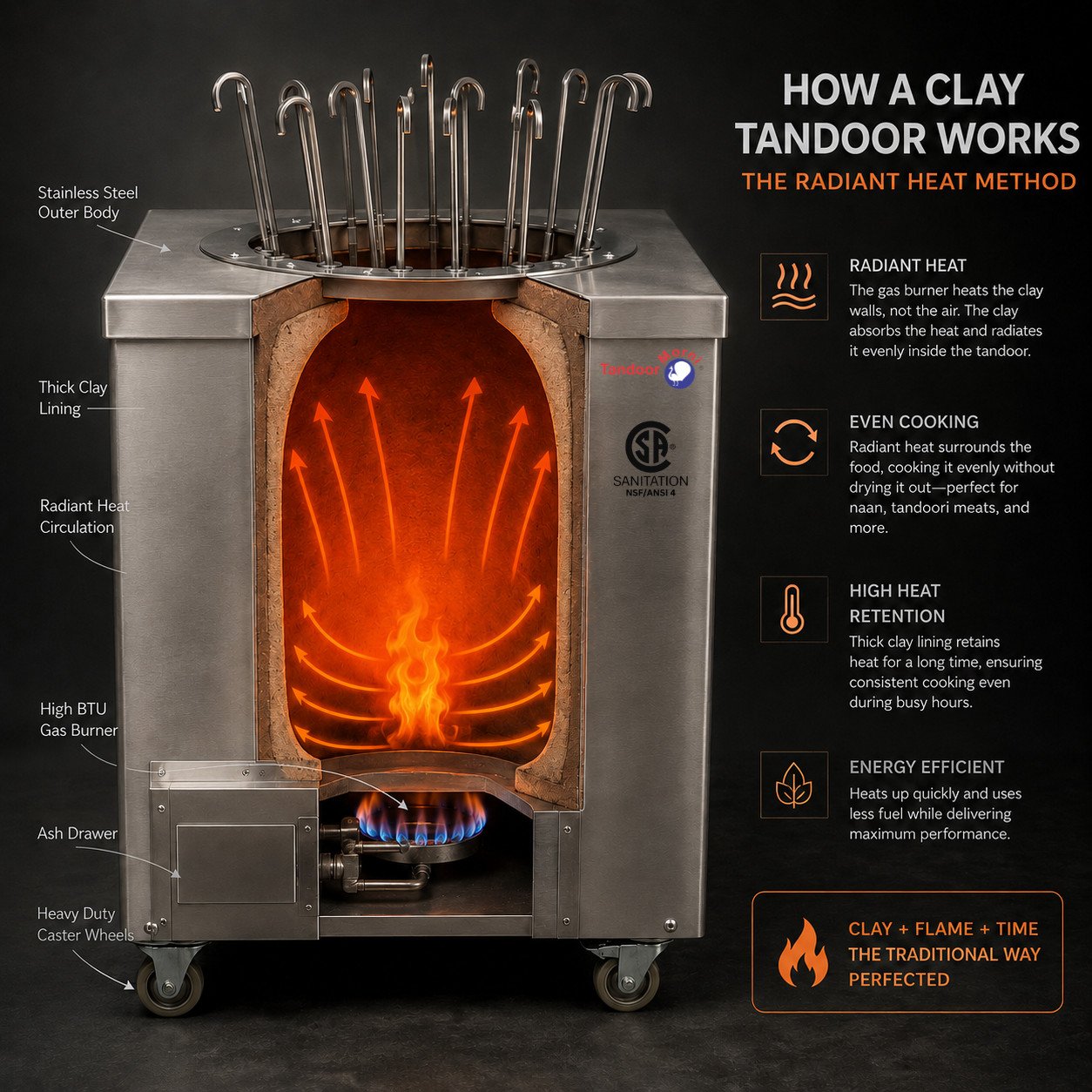
How a traditional tandoori oven cooks food. Three heat mechanisms work together inside the chamber. First, the hot clay walls radiate infrared heat directly onto food at 700–900°F — this is what sears a tandoori chicken in under 90 seconds and blisters raw naan dough on contact with the wall. Second, convection: hot air rises through the cylindrical chamber and cooks skewered meat from all sides at once, so nothing needs to be turned. Third, smoke: marinades and rendered fat drip onto hot coals or the burner base, instantly vaporize, and flavor the chamber’s air. This is where the smoky tandoori taste comes from.

No single mechanism on its own produces authentic tandoori cooking. Only clay + fire + a cylindrical chamber delivers all three, which is why the design has outlasted every attempted replacement. For a side-by-side comparison, see our electric vs clay tandoor guide, which is a companion piece to this Tandoor Buying Guide.

Peak heat vs. a home oven. A well-stoked traditional tandoori oven runs at 700°F at the fire base and 900°F+ along the clay walls. A home oven maxes out at 550°F. A pizza oven tops out at about 700°F. The Maillard reaction — the browning that creates char flavor and the signature tandoori color — begins at around 285°F but dramatically accelerates above 650°F. This temperature gap is the physical reason no indoor appliance matches the result of a real clay tandoor, and it is why the rest of this Tandoor Buying Guide weighs peak heat so heavily when choosing between models.

The anatomy of a traditional tandoori oven. A real tandoor has four parts. The clay body is the cooking chamber itself, hand-shaped from iron-rich clay, sun-cured, kiln-fired, then cured again before shipping, and 1.5–3 inches thick. The steel shell is a stainless or weatherproof-steel exterior with insulation (mineral wool or ceramic fiber) in the gap between clay and shell. The fire chamber sits at the base and holds charcoal, wood, or a 23-tip gas jet burner rated 20,000–100,000 BTU in commercial units. The round top opening is 12–17 inches across; the narrow top is what creates the chimney effect that defines tandoori cooking.

Quick traditional tandoori oven facts for this Tandoor Buying Guide, at a glance: design age ~5,000 years (3000 BCE, Punjab) • body material iron-rich North Indian clay, hand-shaped • shape cylindrical / bell-shaped chamber • peak heat 700–900°F sustained • fuel options charcoal, wood, propane, or natural gas • heat methods radiant clay + convection + smoke • lifespan 30–50 years with care • typical weight 175–600 lb (home to commercial).

Is a traditional tandoori oven the same as a clay oven? +

A traditional tandoori oven is one specific kind of clay oven — cylindrical, fire-powered, and designed for naan and skewered meat at 700–900°F. Other clay ovens (a wood-fired pizza oven, a horno, a kamado) share the clay body but not the shape, temperature, or cooking method. All traditional tandoori ovens are clay ovens; not all clay ovens are tandoori ovens, which is why this Tandoor Buying Guide treats the two terms separately.

Can a traditional tandoori oven be gas-powered? +

Yes. A natural gas or propane traditional tandoori oven still uses the full clay body, cylindrical chamber, and radiant-clay heat mechanism — the gas simply replaces charcoal as the heat source. Gas tandoors reach the same 700–900°F wall temperature, bake naan the same way, and produce real smoke from marinade and fat vaporizing onto the clay. They are “traditional” in every way that matters except fuel, and every Tandoor Buying Guide worth reading treats them as the restaurant-grade standard.

How is a traditional tandoori oven different from an electric tandoor? +

A traditional tandoori oven is a clay chamber heated by combustion to 700–900°F. An electric tandoor is a stainless-steel countertop appliance heated by resistance coils to 400–450°F. The traditional oven has thick clay walls, a real fire, smoke, and a chimney effect. The electric unit has none of those. The gap is not subtle — the cooking methods are physically different, and this is the first distinction every Tandoor Buying Guide should make.

Do restaurants still use traditional tandoori ovens? +

Yes — almost universally. Every Indian, Pakistani, Afghan, Punjabi, and Middle Eastern restaurant that serves authentic naan and tandoori chicken uses a traditional clay tandoori oven. Models like our CH02, CH04, CH06, T02, T04, and T06 are the restaurant-grade versions of a design that has not fundamentally changed in 5,000 years. If you are comparing restaurant-grade options later in this Tandoor Buying Guide, those are the six models to start with.

The short answer

Tandoori Oven Buyer's Guide in 60 Seconds

If you only read one part of this tandoori oven buyer's guide, read this.

Cooking at home?Choose a compact outdoor model such as the Mini Clay Tandoor Oven Home R26 or Large Outdoor Tandoor Oven R32. Home tandoors are outdoor equipment.
Running a restaurant?Choose a CSA and NSF certified gas tandoor sized to your busiest service, such as the Restaurant Tandoor Oven CH02 or Natural Gas Tandoor Oven CH04.
Catering or a food truck?Choose a compact, transportable model such as the Food Truck Tandoor Oven CS02 (propane-ready) or the Portable Charcoal Catering Tandoor CS03.
Not sure?Call +1 (727) 251-6924 or visit one of our 9 showrooms and compare in person.

All Buying Guide posts

18 articles
Stainless steel tandoor seller Washington: Authentic Clay & Steel Ovens for Every Kitchen
Buying Guide
Stainless steel tandoor seller Washington: Authentic Clay & Steel Ovens for Every Kitchen
18 min read
Best Tandoor Seller USA: Authentic Clay Tandoor Ovens Shipped Nationwide
Buying Guide
Best Tandoor Seller USA: Authentic Clay Tandoor Ovens Shipped Nationwide
18 min read
Commercial Tandoor for Restaurant Kitchens: The Complete Buying Guide
Buying Guide
Commercial Tandoor for Restaurant Kitchens: The Complete Buying Guide
16 min read
Commercial vs Residential Tandoor: Which One Actually Fits Your Kitchen
Buying Guide
Commercial vs Residential Tandoor: Which One Actually Fits Your Kitchen
15 min read
Tandoor Models CS01, CS03 and CS04 with Tandoor Morni and NSF/ANSI 4 logo and the text heading How to choose the right catering tandoor for weddings and Outdoor Functions.
Buying Guide
Catering Tandoor for Weddings: How to Choose the Right Outdoor Event Oven
15 min read
How to Choose a Tandoor: The Complete Buying Guide for Home Cooks
Buying Guide
How to Choose a Tandoor: The Complete Buying Guide for Home Cooks
15 min read
How to Choose a Tandoor: A Portable Tandoor for Home Buying Guide
Buying Guide
How to Choose a Tandoor: A Portable Tandoor for Home Buying Guide
13 min read
Tandoor oven guide: cross-section view of a clay tandoor oven showing the interior chamber and radiant heat cooking method
Buying Guide
Tandoor Ovens: Everything You Should Know
10 min read
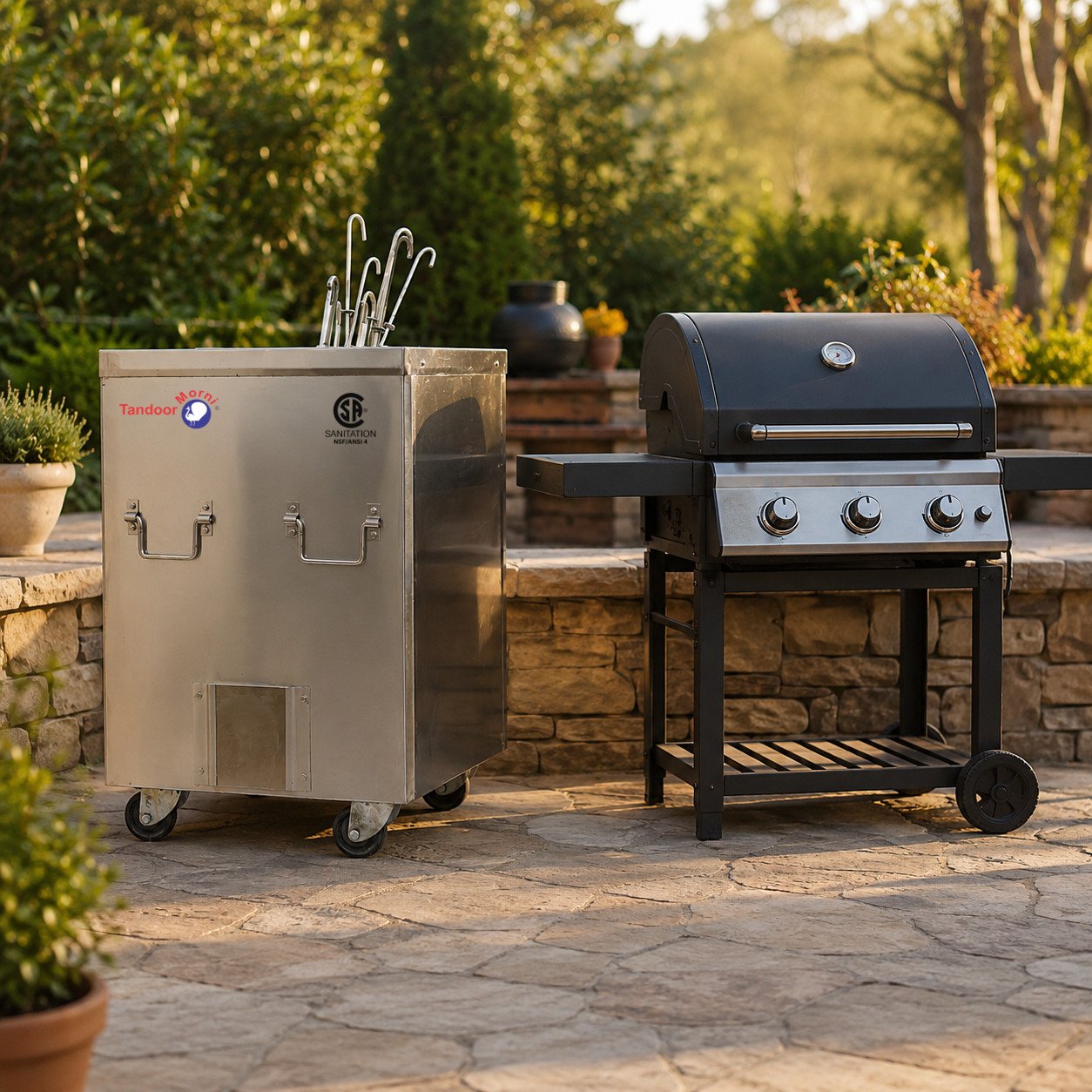
Tandoor vs conventional grill: a charcoal tandoor oven and a traditional BBQ grill set up side by side outdoors
Buying Guide
Tandoor vs Conventional Grill: What's Right for You?
16 min read
What is a tandoor: a home clay tandoor oven and a commercial restaurant tandoor oven shown side by side
Buying Guide
What Is a Tandoor: Which Tandoor Is Best for Commercial and Residential Use?
16 min read
Where to find a tandoor: a showroom display of clay and stainless steel tandoor ovens for home and restaurant kitchens
Buying Guide
Where Can You Find a Tandoor for Your Kitchen?
16 min read
Propane vs charcoal vs clay tandoor: fresh naan bread baked side by side in a gas tandoor oven and a charcoal tandoor oven
Buying Guide
Propane vs Charcoal vs Clay Tandoor: How Naan Bread Actually Compares
15 min read
Restaurant and home tandoor ovens side by side: a commercial clay tandoor in a professional kitchen and a mini clay tandoor on a home patio
Buying Guide
Restaurant and Home Tandoor Ovens: Choosing the Right Clay Oven for Restaurant or Home
10 min read
Square vs round clay tandoor: a square commercial tandoor oven and a round catering tandoor oven shown side by side
Buying Guide
Square vs Round Clay Tandoor: Which One Is Right for You?
12 min read
Stainless steel tandoor for chefs: a modern stainless steel tandoor oven in a professional open kitchen with a chef working nearby
Buying Guide
From Tradition to Innovation: Exploring Stainless Steel Tandoors for Today's Chefs
16 min read
Copper tandoor luxury trend: a polished copper tandoor oven as the centerpiece of a modern upscale Indian kitchen
Buying Guide
Why Copper Tandoors Are the New Luxury Trend in Indian Kitchens
16 min read
How to Cure a New Clay Tandoor Before First Use
Buying Guide
How to Cure a New Clay Tandoor Before First Use
15 min read
Safety & Operations, Buying Guide
Certificates of Gas Safety for Tandoor Ovens: The Complete Guide
15 min read

Step by step

How to Choose a Tandoor Oven in 6 Steps

The same six steps apply if you are working out how to choose a tandoori oven for a home, a restaurant or a catering business.

  1. Decide: home or commercial

    Home tandoors are built for backyards and family cooking; commercial tandoors are built for long service hours and health inspections.

  2. Choose your fuel

    Gas gives steady, controllable heat. Charcoal and wood give extra smoke. Electric suits small indoor spaces but runs cooler.

  3. Pick the right size

    Size the clay pot for your busiest hour of naan and skewers, not your average one.

  4. Check certification

    Restaurants need equipment inspectors recognise. Look for CSA and NSF certification.

  5. Plan the space

    Home tandoors are outdoor equipment. Commercial tandoors need a code-compliant hood and fire suppression, and a licensed gas professional for the connection.

  6. Set your budget

    Compare the full cost, including delivery (in-transit insurance is available at extra cost), and spread it with tandoor oven financing.

Home or commercial

Tandoor Buying Guide: Home vs. Commercial

Our home tandoor buying guide and our commercial advice start from the same question: where will the oven live, and how hard will it work?

FeatureHome tandoor ovenCommercial tandoor oven
Where it goesBackyard, patio or outdoor kitchen (outdoor use only)Restaurant line under a hood with fire suppression
FuelDepends on the model, such as charcoal or wood. See each product page.Natural gas or propane
Typical sizes20x26 to 20x32 inches24x24 to 36x36x37 inches
CertificationNot usually required for home useCSA and NSF certified for health inspections
Built forWeekend cookouts and family gatheringsLong, hot service hours every day
Example modelsMini Clay Tandoor Oven Home R26, Wood Fired Tandoor Oven R28, Large Outdoor Tandoor Oven R32Restaurant Tandoor Oven CH02, Natural Gas Tandoor Oven CH04, Middle Eastern Tandoor Oven CH06
PriceSee each model on our home tandoor ovens pageFeatured commercial models run from $1,799 to $2,199, plus shipping

Fuel

Tandoor Oven Buying Guide: Gas, Charcoal or Electric

An electric tandoor, a gas tandoor and a charcoal tandoor all bake naan, but they suit very different kitchens. For more detail, read our guide to propane vs charcoal vs clay tandoors.

Gas

Natural gas or propane

  • Steady, controllable heat
  • Fast, predictable heat-up
  • The standard for restaurants
  • Needs a licensed gas connection

Examples: Natural Gas Tandoor Oven CH04, CSA ETL NSF Tandoor Oven T04, Propane Gas Tandoor Oven A02

Charcoal & wood

The traditional way

  • Extra smoky flavour
  • Slower to light and settle
  • Best outdoors
  • Great for backyards and events

Examples: Large Outdoor Tandoor Oven R32, Wood Fired Tandoor Oven R28, Charcoal Tandoor Oven CU02, Portable Charcoal Catering Tandoor CS03

Electric

Compact and indoor

  • Plugs in, no gas line
  • Runs cooler than a clay tandoor
  • Less char on naan
  • Suits small indoor kitchens

Examples: Our current range focuses on gas, charcoal and wood-fired clay tandoors.

Size

Choosing the Right Size of Tandoor

Size the clay pot for your busiest hour. Capacities below come from our featured commercial models.

Tandoori Oven for Home: Buying Guide

Best Tandoor Oven for Home: Buying Guide

A tandoor oven for home use should fit your outdoor space, your fuel preference and how many people you cook for. These are the three home tandoor ovens buyers ask about most.

Compact

Mini Clay Tandoor Oven Home R26

The smallest home model, at 20x26 inches, for patios and small backyards.

Wood fired

Wood Fired Tandoor Oven R28

A 20x28 inches clay tandoor for cooks who want real wood-fired flavour.

Charcoal

Large Outdoor Tandoor Oven R32

The largest home model, at 20x32 inches, for bigger families and gatherings.

Home tandoor tips

Tandoor Buying Guide · The clay pot

Tandoor Buying Guide: Clay Oven Guide — What Makes a Good Clay Tandoor

Whether you think of this chapter of the Tandoor Buying Guide as an Indian clay oven buying guide or a clay tandoor oven buying guide, the clay pot is what you are really paying for. An Indian clay oven lives or dies by its clay, and this is the single most important chapter of any Tandoor Buying Guide.

Tandoori Clay Oven Buyer's Guide: How to Choose a Clay Oven

01

Thick, hand-finished clay

A thicker clay pot holds heat longer and cooks more evenly — the first checkpoint on any Tandoor Buying Guide checklist. Ask how the clay is made and finished.

02

Insulation and body

The clay sits inside an insulated body. Choose a stainless steel body for easy cleaning, or copper for a traditional look.

03

Hairline cracks are normal

Fine surface cracks are normal in a working clay tandoor. Keep the Tandoor Clay Pot Repair Kit AS08 on hand for maintenance.

04

Proper curing

A new clay pot must be cured slowly before its first high-heat cook, using Tandoor Oven Curing Paste AS05. Every Tandoor Buying Guide should flag this — skipping curing cracks the clay.

05

Parts you can replace

A good clay tandoor is a long-term buy. Make sure parts like the Tandoor Oven Burner – AS06 and Tandoor Oven Thermocouple AS12 are available — this closes the Tandoor Buying Guide loop with long-term serviceability.

Tandoor Buying Guide · Checklist

Tandoori Oven for Sale: What to Know Before You Buy

This Tandoor Buying Guide checklist is the last stop before you order. Before you choose any tandoori oven for sale, or any tandoor oven for sale from any seller, work through these eight points — every one of them has saved a buyer we know from a costly mistake.

Model finder

Which Tandoor Should You Buy? A Quick Model Finder

This part of our tandoori oven buying guide matches common situations to a starting model. Call us to confirm the right fit.

If you have…Start with
A backyard or patio at homeLarge Outdoor Tandoor Oven R32Charcoal, 20x32 inches
A small home with limited spaceMini Clay Tandoor Oven Home R26Compact, 20x26 inches
A food truck or street cartFood Truck Tandoor Oven CS02Propane-ready, 24x24x37 inches
Catering and outdoor eventsPortable Charcoal Catering Tandoor CS03Charcoal, 24x24 inches
A restaurant serving 40–80 coversRestaurant Tandoor Oven CH0216 naans, 32x32x37 inches
A restaurant serving 80–150 coversNatural Gas Tandoor Oven CH0418 naans, 34x34x37 inches
A large restaurant or banquet hallMiddle Eastern Tandoor Oven CH0620 naans, 36x36x37 inches
A city that requires NSF and CSA togetherCSA ETL NSF Tandoor Oven T04Dual-certified T-Series

Tandoor Buying Guide · Ready to buy

Tandoor Buying Guide: How to Buy a Tandoor Online or in a Showroom

This Tandoor Buying Guide ends where every tandoor purchase does — at checkout. Two paths: order online with a phone call to confirm fit, or visit one of our nine showrooms and take one home the same day.

Order online or by phone

Choose your model, call +1 (727) 251-6924 or email info@tandoormorni.com with any questions, and we deliver to your door. Commercial ovens ship by freight; home ovens ship by standard carrier. In-transit insurance is available at extra cost. Most buyers who followed this Tandoor Buying Guide end up here — a 10-minute call with our team settles size and fuel in one go.

Visit one of 9 showrooms

Compare ovens side by side and take one home the same day. Showrooms are open Monday to Friday, 10 AM to 4 PM, by appointment. Seeing a lit tandoor in person is the last step of this Tandoor Buying Guide that no amount of reading replaces.

See all showroom addresses

FAQ

Tandoor Buying Guide: Frequently Asked Questions

Everything buyers ask us before they order a tandoor oven — heat, fuel, size, certification, pricing, and what ships in the box.

What should I look for when buying a tandoor oven? +

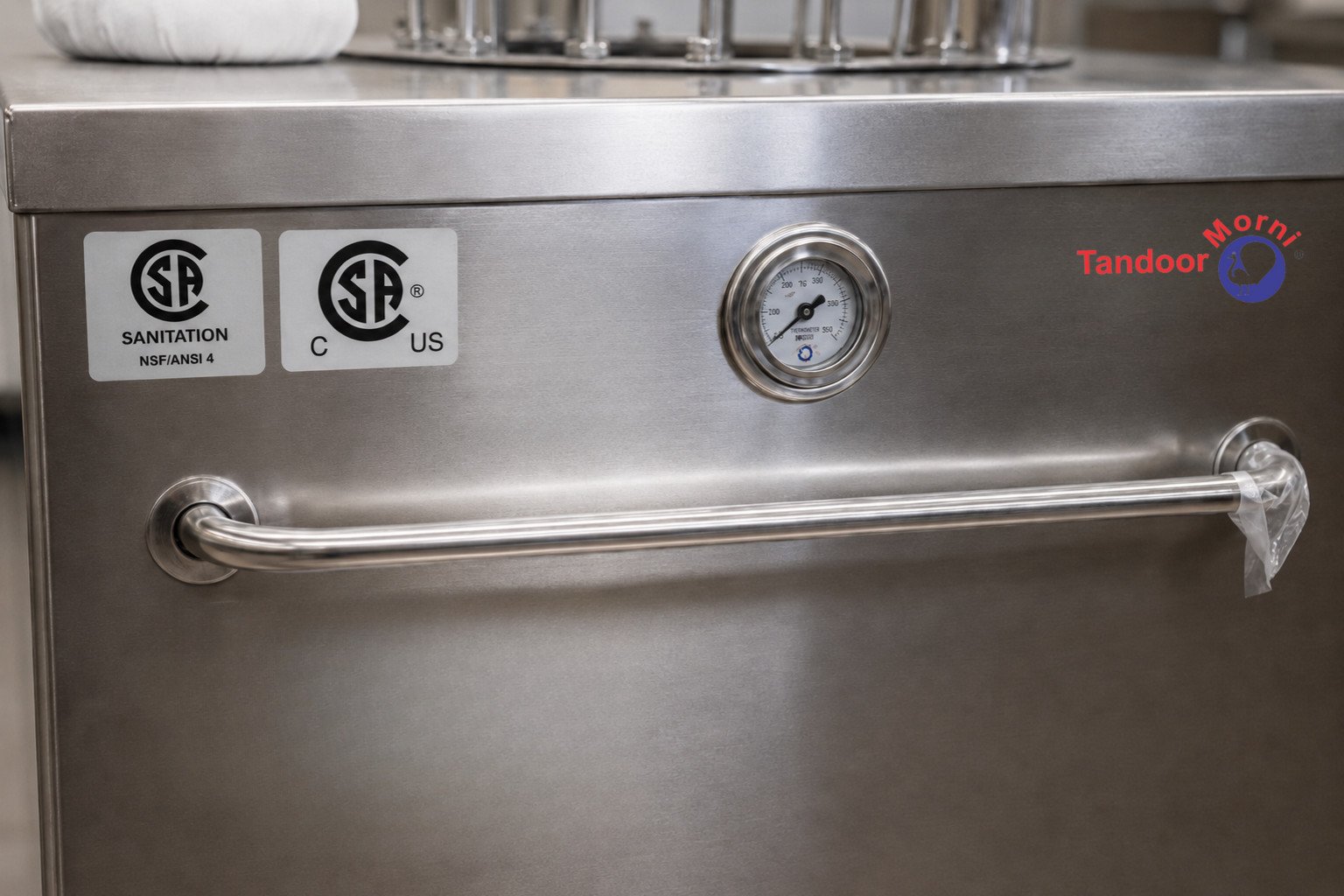
Look for six things: a thick, hand-shaped clay body (1.5–3 inches), a stainless-steel outer shell with insulation, a certification sticker (CSA Sanitation NSF/ANSI 4 for commercial use), the right fuel for your space (gas indoors with ventilation, charcoal outdoors), a capacity that matches your cook volume, and a warranty backed by a company that will still answer the phone in 5 years. Tandoor Morni ovens are certified, warranty-backed, and ship with free accessories.

Is a gas or charcoal tandoor better? +

Both reach 700–900°F, so the cooking result is similar. Gas is faster (3-minute warm-up), easier to control, and allowed indoors with a hood — most restaurants pick gas. Charcoal produces slightly more smoke flavor, costs less to run in some regions, and is the traditional choice for outdoor catering and backyard home use. Pick gas for a restaurant, charcoal for maximum authenticity, or buy a convertible model that runs on either.

Is an electric tandoor as good as a clay tandoor? +

No. An electric tandoor caps at 400–450°F because household circuits cannot sustain higher wattage. A clay tandoor reaches 700–900°F. The Maillard reaction that creates char and the puffing of naan dough both need sustained temperatures above 650°F, so electric units cannot reproduce authentic tandoori results. Electric is a reasonable apartment compromise, not a replacement. For the full comparison, see our electric vs clay tandoor guide.

Can I use a home tandoor indoors? +

Only if you have a commercial-grade range hood and proper makeup air. A home clay tandoor produces real smoke — it is designed to be used outdoors on a patio or under an exterior hood. Running one in an ordinary home kitchen without professional ventilation is not safe and will trigger smoke alarms. For an indoor-only home, an electric tandoor is the practical choice; for authentic tandoori results, cook outdoors.

What size tandoor do I need for a restaurant? +

Match the opening size to your menu. A 13-inch top opening (CS02 catering, 8 naans per cycle) suits food trucks and small operations. A 17-inch top opening (CH02, CH04, CH06, T02, T04, T06 — 16–20 naans simultaneously) is the restaurant standard and handles 100+ cover services. For catering 250+ guests, step up to the CS01 round catering model. When in doubt, oversize — running a large tandoor at partial load is easier than running a small one at the limit.

Does a restaurant tandoor need certification? +

Yes — most US and Canadian health departments require commercial tandoors to carry CSA Sanitation NSF/ANSI 4 certification, and many jurisdictions also require CSA C-US (electrical/gas safety) certification. All Tandoor Morni commercial models (CH02, CH04, CH06) are NSF/ANSI 4 certified; the T-series (T02, T04, T06) and catering CS01 add dual CSA certification. Operating an uncertified commercial tandoor can mean failed inspections and fines.

What comes with a Tandoor Morni oven? +

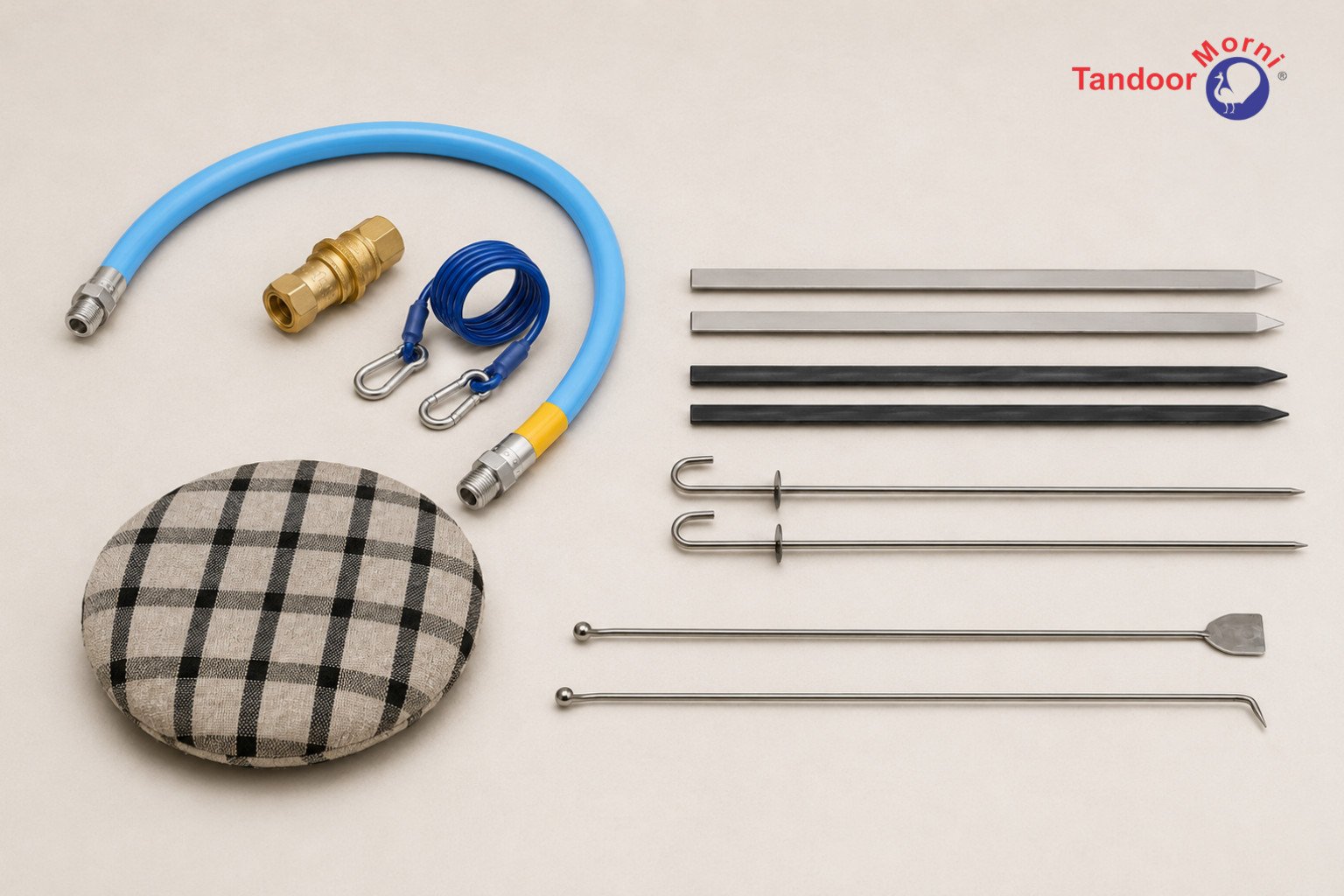
Every oven ships with a free accessory bundle: tandoor skewers (flat, round, and hook-type), a naan rod pair, a tandoor baffle plate for commercial units, a curing paste for first-time commissioning, and the appropriate hose or burner for gas models. Spec-sheet PDFs, installation instructions, and a one-year warranty are included. Financing is available on every order.

How much does a tandoor oven cost? +

Home tandoors (R26, R28, R32) run $1,099–$1,299 after our current promotion. Catering tandoors (CS01, CS02, CS03, CS04) run $1,299–$1,799. Commercial restaurant tandoors (CH02, CH04, CH06, T02, T04, T06) run $1,999–$2,299. Copper and premium indoor models (A02–A06, CU02–CU06) run $2,499–$2,999. Every price includes free shipping within the continental US, and financing is available.

Can I see a tandoor before I buy? +

Yes — Tandoor Morni operates 9 showrooms across the United States and Canada, so you can see, touch, and smell a lit tandoor before you order. We also ship nationwide with a 30-day return window. Call +1 (727) 251-6924 or email info@tandoormorni.com to find your nearest showroom or request a video walkthrough.

Talk Equipment With Our Team — 9 USA & Canada Showrooms

Planning A Commercial Kitchen Or Catering Fleet? Nine Showrooms Across the USA and Canada.

Equipping a restaurant, ghost kitchen, or catering business is easier with a walkthrough. Visit a Tandoor Morni showroom and our team can help you plan kitchen layout, compare commercial models, and talk through financing in person. Showrooms are located in Edison NJ, Houston, Chicago, Tampa, Washington D.C., Manteca CA, Algona WA, Boulder CO, and Mississauga ON. Call ahead to book your visit • Mon to Fri, 10AM to 4PM.