How to Choose a Tandoor: The Complete Buying Guide for Home Cooks
Adding a tandoor oven to your kitchen or backyard is one of the best ways to bring real South Asian flavor home — the kind of smoky char and fast, high-heat cooking that's hard to replicate with a standard grill or oven. But figuring out how to choose a tandoor that actually fits your space, budget, and cooking style takes more thought than picking the first model that shows up in a search.
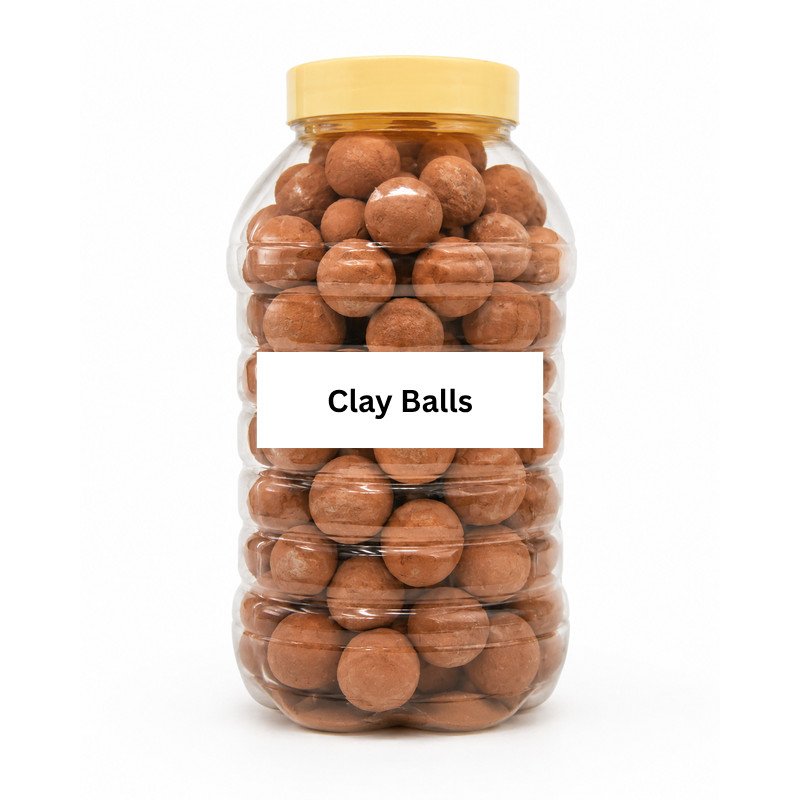
This tandoor buying guide walks through everything that actually matters: sizing, fuel type, materials, certification, temperature control, portability, maintenance, and the accessories — including tandoor oven clay balls — that keep a new tandoor performing well for years rather than just its first season.
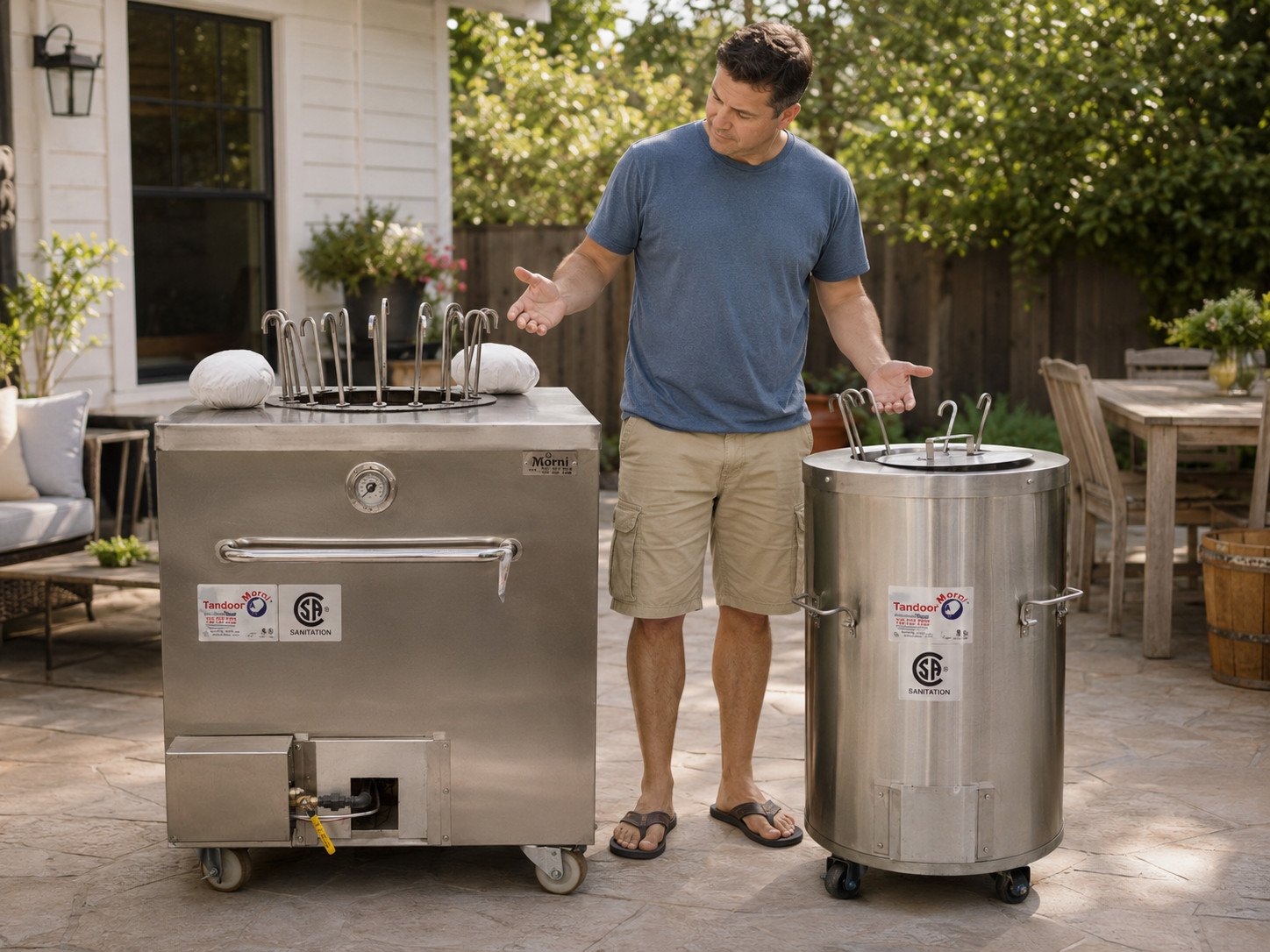
Choosing the right tandoor oven starts with matching size, fuel, and material to how you actually plan to cook.
Why a Tandoor Oven Is Worth Adding to Your Kitchen
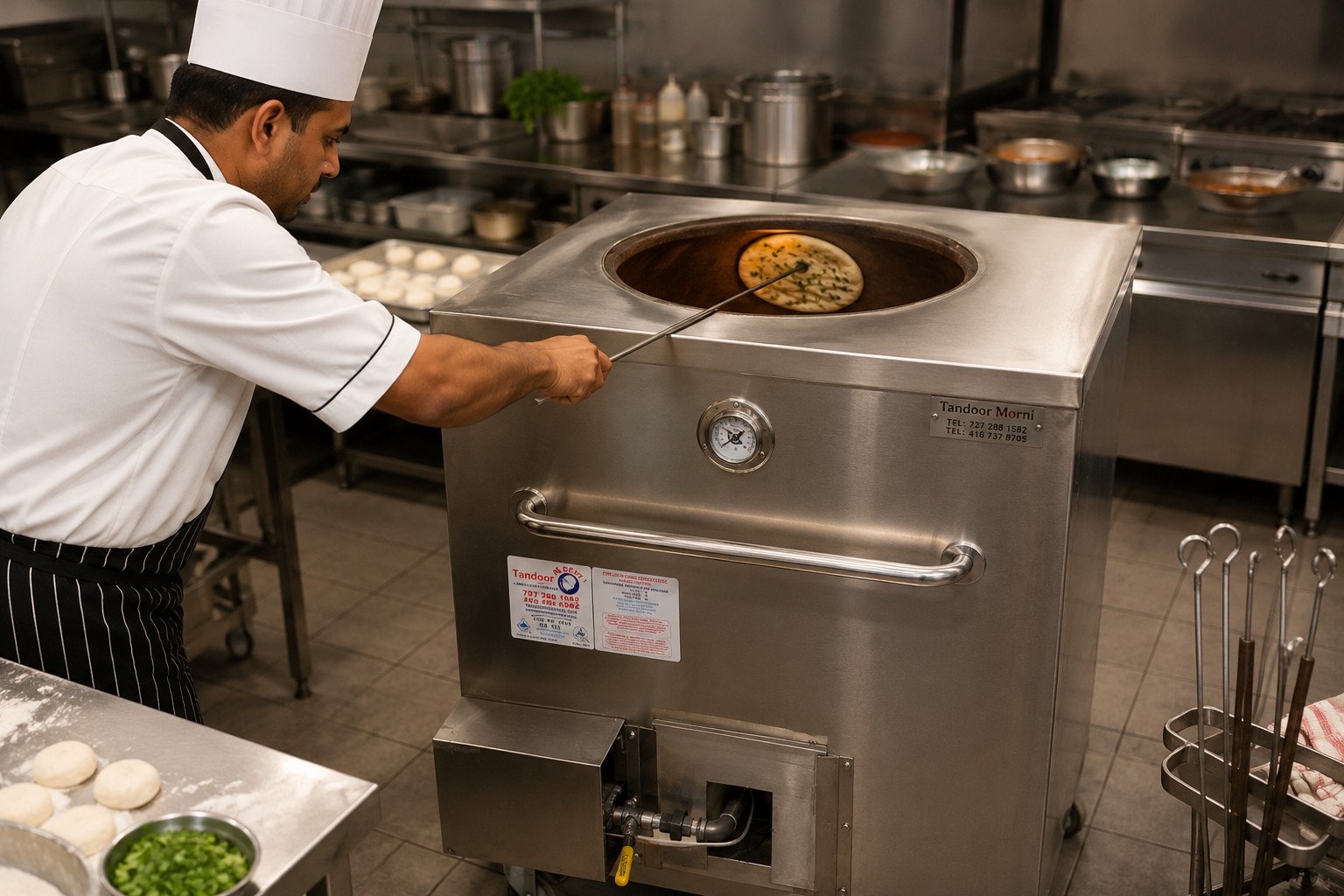
A tandoor oven adds something no other home cooking equipment quite replicates. Its clay-lined chamber holds intense, even radiant heat, which is what gives tandoori dishes their signature char on the outside while keeping meat, paneer, and vegetables tender inside. Naan puffs and blisters in under two minutes against a properly heated wall — a result that's genuinely difficult to get from a conventional oven or a standard backyard grill.
Beyond the food itself, cooking with a tandoor is an experience in its own right. Pressing dough onto a glowing clay wall, pulling skewers of char-flecked chicken or lamb off the heat, and serving it all fresh off the fire tends to turn a regular dinner into something guests remember. Once you have one at home, you stop needing to go out for the tandoori dishes you used to only get at a restaurant.
That said, choosing the right tandoor oven is a real decision, not an impulse buy — the models on the market range widely in size, fuel type, build quality, and price, and the wrong choice can mean underused capacity, a unit that doesn't fit your space, or a cooking experience that falls short of what you were expecting. Home cooks chasing the most traditional experience often gravitate toward a wood-fired model like the Wood Fired Tandoor Oven R28 for exactly this reason. The rest of this guide walks through exactly what to weigh before you order.
How to Choose a Tandoor by Size and Cooking Volume
Size is usually the first decision in choosing the right tandoor oven, and it comes down to two things: how much space you have, and how much food you actually plan to cook at once. A larger chamber gives you more room for multiple skewers or several rounds of naan at a time, which matters if you're regularly cooking for a full table or hosting dinner parties. A compact model is the better fit for a smaller family, a balcony, or a corner of a patio where floor space is limited.
| Cooking for a Crowd | A bigger chamber, like the one on the Restaurant Tandoor Oven CH02, lets you cook multiple skewers or several naans at once, which matters for dinner parties and larger families rather than everyday solo cooking. |
|---|---|
| Cooking for 3-4 People | A compact or portable model is usually plenty, and it's easier to fit into a balcony, small patio, or a corner of the kitchen. |
| Limited Outdoor Space | Measure your actual footprint, including clearance on all sides, before comparing chamber sizes — a model that looks compact in a photo can still be larger than expected in person. |
| Frequent Entertaining | If dinner parties are a regular occurrence, size up rather than down; a chamber that's too small becomes the bottleneck of the evening. |
Choosing the Right Tandoor Oven Fuel: Charcoal, Propane, Natural Gas, or Electric
The fuel type you choose affects flavor, convenience, and how much hands-on attention the oven needs, so it's worth understanding the real tradeoffs of each option before deciding.
| Charcoal | The most traditional option, giving food a rich, smoky flavor as juices drip onto hot coals. Takes longer to heat and needs regular ash cleanup — basic charcoal safety guidance is worth a quick read if you're new to open-flame cooking — but it delivers the classic tandoor experience purists look for. |
|---|---|
| Propane | Heats up quickly, is easy to control, and suits beginners or anyone cooking outdoors who wants convenience over the deepest smoke flavor. A strong starting point for most first-time buyers. |
| Natural Gas | An affordable, steady-heat option for kitchens already piped for gas. Doesn't produce a strong smoky flavor, but running costs stay low and predictable over time. |
| Electric | The simplest option for indoor use — plug in and cook. Generally doesn't reach the same high temperatures as charcoal or gas, so results are good but not quite as authentic. |
If a smoky, traditional flavor matters most, charcoal wins every time. If you want the fastest path to consistent results with minimal fuss, propane is usually the easiest entry point — a model like the Propane Gas Tandoor Oven A02 (32x32 inches) is a common first choice for exactly this reason, combining quick heat-up with dependable temperature control for backyard cooking.
Clay vs Stainless Steel: Choosing the Right Tandoor Oven Build
The material of the oven's body affects both performance and how much upkeep it needs over the years you'll own it.
Clay Tandoor Ovens
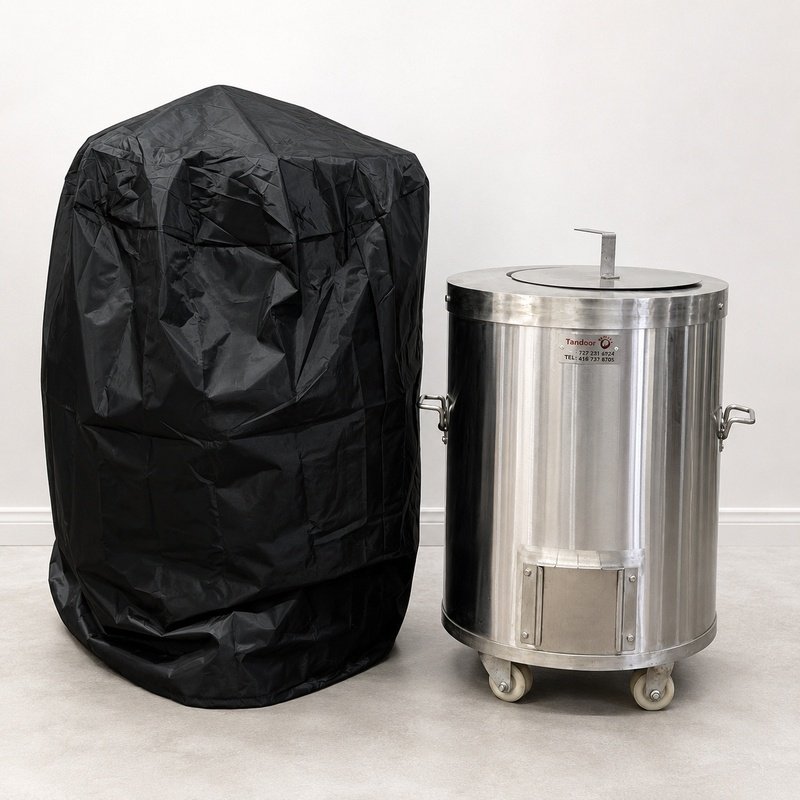
Clay is the traditional material, and it does more than look authentic — it holds moisture and keeps food tender, which is part of why clay ovens are especially good for naan and other breads. Clay bodies do need more care, since they can crack if mishandled or left exposed to harsh weather without protection.
Stainless Steel Tandoor Ovens
A steel exterior is durable, easy to wipe down, and holds up well both indoors and outdoors. Most steel-clad models still use a genuine clay interior for authentic cooking performance, combining the strength of steel with the cooking quality of clay.
Want a traditional feel and don't mind a bit more upkeep? Go clay. Want easier long-term maintenance without giving up authentic flavor? A clay-lined steel model gives you both.
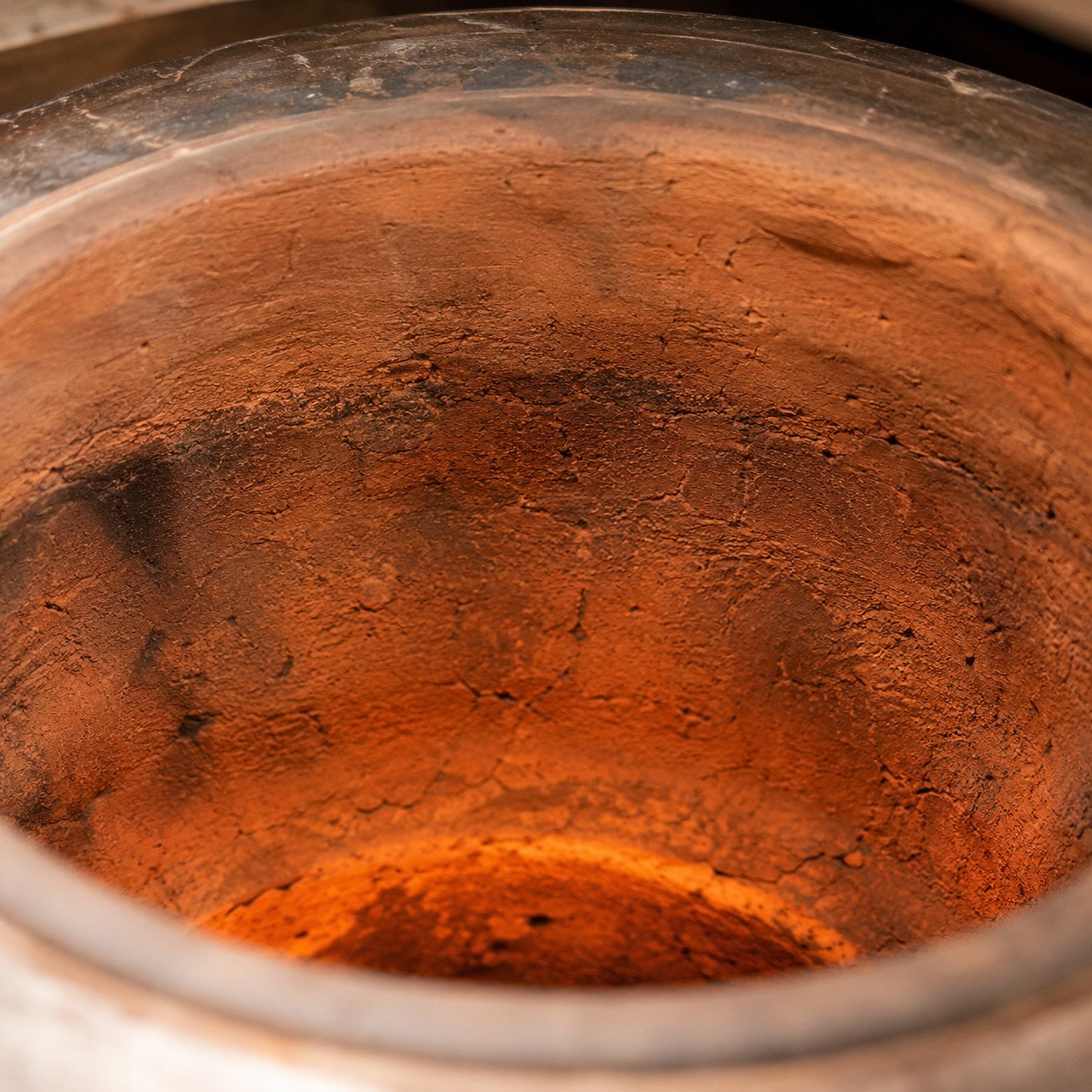
A closer look at the clay lining that gives a tandoor its signature heat retention and flavor.
Certification and Brand Reputation: What to Check Before You Buy
Safety certification is easy to overlook when you're focused on size and fuel type, but it matters more than most first-time buyers expect. Look for tandoor ovens that carry recognized safety marks like NSF and CSA certification, which confirm the unit has been independently tested against real safety standards in the US and Canada rather than just described as "safe" in a product listing.
Brand reputation matters just as much. Before ordering, check customer reviews, confirm the company has a track record of standing behind its products, and look for a seller who offers real support — not just a listing with no way to reach a human being if something goes wrong after delivery. A trusted brand will also typically offer a warranty and be reachable for questions about installation or troubleshooting down the line.
Temperature Control and Insulation: Cooking Consistently Every Time
Getting consistent results from a tandoor depends heavily on how well it holds and regulates heat. Charcoal ovens can be trickier here, since the heat shifts as coals burn down and need adjusting. Propane, natural gas, and electric models generally make temperature control easier, and some come with a built-in gauge to help you track the heat without guesswork.
Insulation plays a bigger role in this than most buyers realize. The layer between the clay core and the outer shell is what keeps heat inside the chamber instead of escaping through the sides, which directly affects both cooking consistency and how much fuel you burn per session. Tandoor oven clay balls are a traditional way to recreate and maintain that heat-retaining layer — the Tandoor Oven Clay Balls AS07 are a simple, low-cost way to top up insulation on a clay-bodied oven that's starting to lose heat faster than it used to.
Portability: Cooking Wherever You Want
If you want the option to bring your tandoor to a friend's backyard, a camping trip, or a family gathering, look specifically for a portable model. Portable tandoors are lighter, easier to move, and some even come with wheels for one-person handling.
Keeping a Tandoor Oven in Good Shape Season After Season
Every tandoor needs some level of upkeep, but how much depends heavily on the build. Clay ovens need the most attention — regular ash cleanout, keeping the unit dry between uses, and periodically checking for cracks that need repair before they get worse. Stainless steel ovens are simpler: a wipe-down after use is usually enough, though gas connections on any fuel type should be checked regularly regardless of the exterior material.
A Simple Maintenance Routine
Clean the oven after each use, inspect clay bodies for early signs of cracking, and confirm gas connections are secure before every cooking session. This small routine catches most problems while they're still cheap and easy fixes rather than letting them turn into a bigger repair.
Matching the Oven to What You Actually Want to Cook
Not every tandoor is built the same way for the same purpose. Some setups favor grilling meats with more skewer space, while others are optimized for fast, high-volume naan baking. Think honestly about what you'll cook most often before choosing between models.
Wood Fired Tandoor Oven R28
For home cooks chasing the deepest, most traditional smoke flavor, the Wood Fired Tandoor Oven R28 delivers authentic char without needing a gas hookup, closest to how a tandoor cooks in its original form.
Restaurant Tandoor Oven CH02
For serious home cooks who entertain often or want restaurant-level output at home, the Restaurant Tandoor Oven CH02 offers commercial-grade recovery time and chamber capacity most standard home units can't match.
Propane Gas Tandoor Oven A02
Sized at 32x32 inches, the Propane Gas Tandoor Oven A02 balances real cooking capacity with the quick, controllable heat-up that makes propane such an easy fuel type to live with day to day.
Finding the Right Tandoor for Your Budget
Tandoor ovens vary widely in price depending on size, materials, and fuel type. Resist the urge to default to the cheapest option available — a better-built oven typically lasts longer and performs more consistently, which usually works out to better value over several years of ownership rather than replacing a cheap unit after one season.
Set a budget before you start comparing models, look at more than one brand, and check whether a package deal including accessories offers better overall value than buying the oven and every accessory separately.
Common Mistakes People Make When Choosing a Tandoor
A few avoidable mistakes come up again and again when home cooks are working through how to choose a tandoor for the first time. Catching these before you order saves money and a mismatched purchase.
Accessories and Safety Features Worth Adding to Your Order
The right accessories make daily use of a tandoor noticeably easier, and a few safety basics are worth building into your setup from day one rather than adding later.
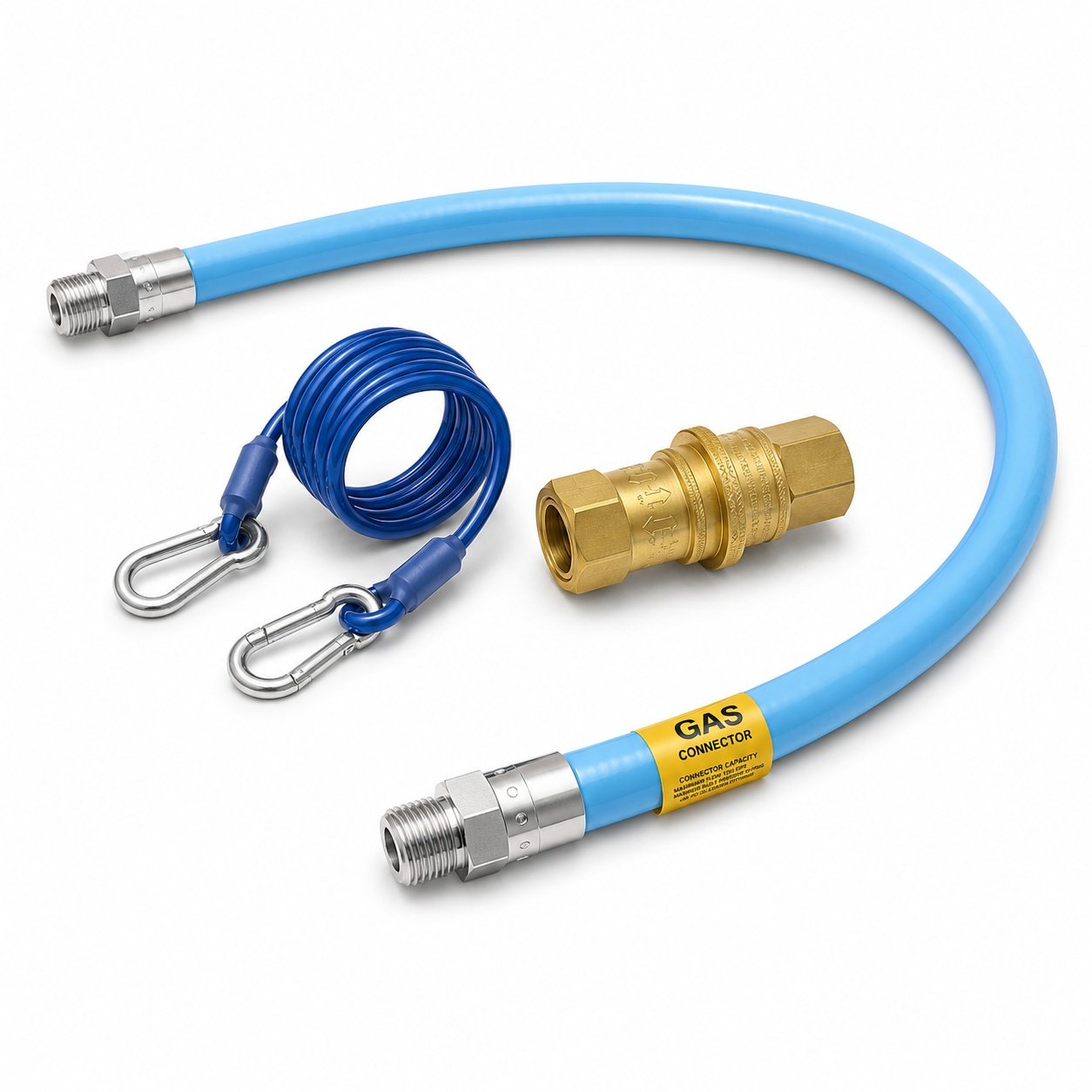
If you're running a gas-fueled model, general outdoor cooking appliance safety guidance from the U.S. Consumer Product Safety Commission is a useful baseline to follow alongside your tandoor's specific instructions, covering everything from hose inspection to safe placement relative to your home.
How to Choose a Tandoor: Frequently Asked Questions
What's the single biggest factor in how to choose a tandoor?
What is the easiest fuel type for a beginner choosing the right tandoor oven?
Should I choose a clay or stainless steel tandoor oven?
What are tandoor oven clay balls used for?
Is certification really necessary for a home tandoor oven?
Can I use this tandoor buying guide if I want to cook for a large family regularly?
How much maintenance does a home tandoor actually need?
Does Tandoor Morni offer financing for a home tandoor purchase?
More From Tandoor Morni
Still working through how to choose a tandoor for your home? Browse related guides and recipes below to plan the rest of your setup.
Order the Right Tandoor for Your Home Today
Whether you're chasing the deep smoke of the Wood Fired Tandoor Oven R28, the fast convenience of the Propane Gas Tandoor Oven A02, or the entertaining-ready capacity of the Restaurant Tandoor Oven CH02, our team can help you settle on the right size, fuel type, and build for how you actually plan to cook.
Have questions about choosing the right tandoor oven for your space? Call us at +1 (727) 251-6924 or email info@tandoormorni.com and our team will walk through this tandoor buying guide with you for your specific kitchen or backyard.
Shop Accessories for Your New Tandoor
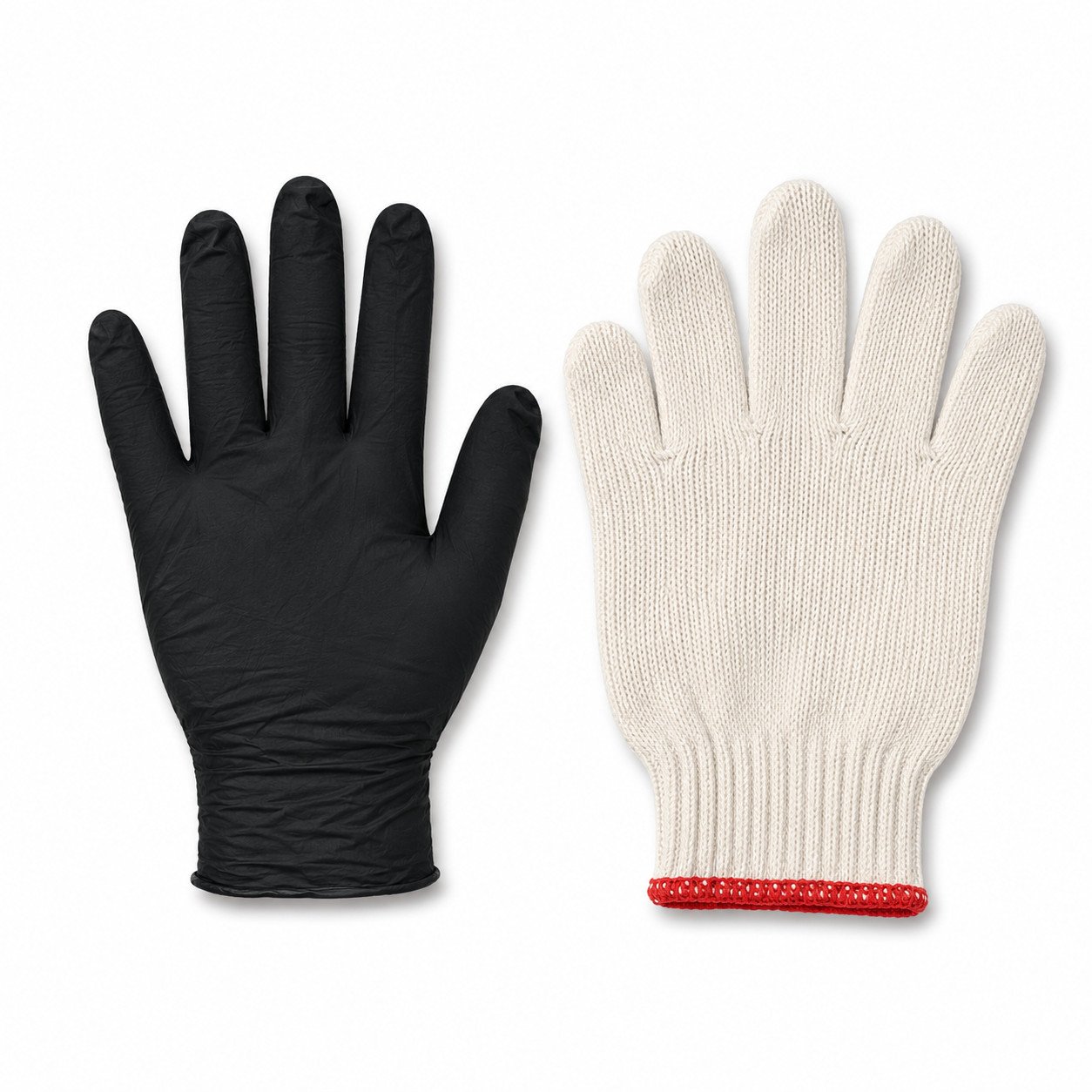
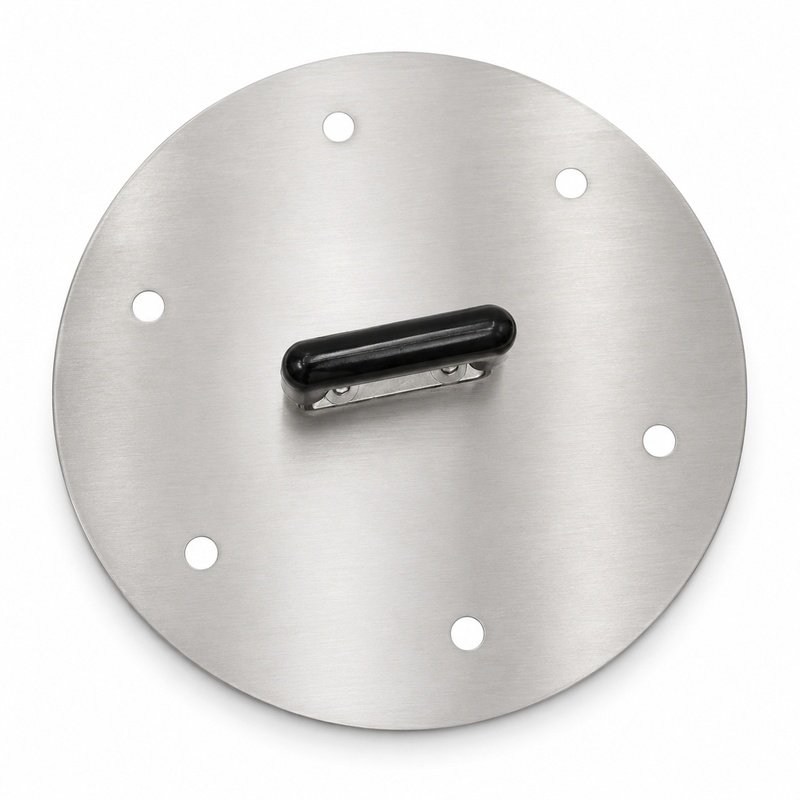
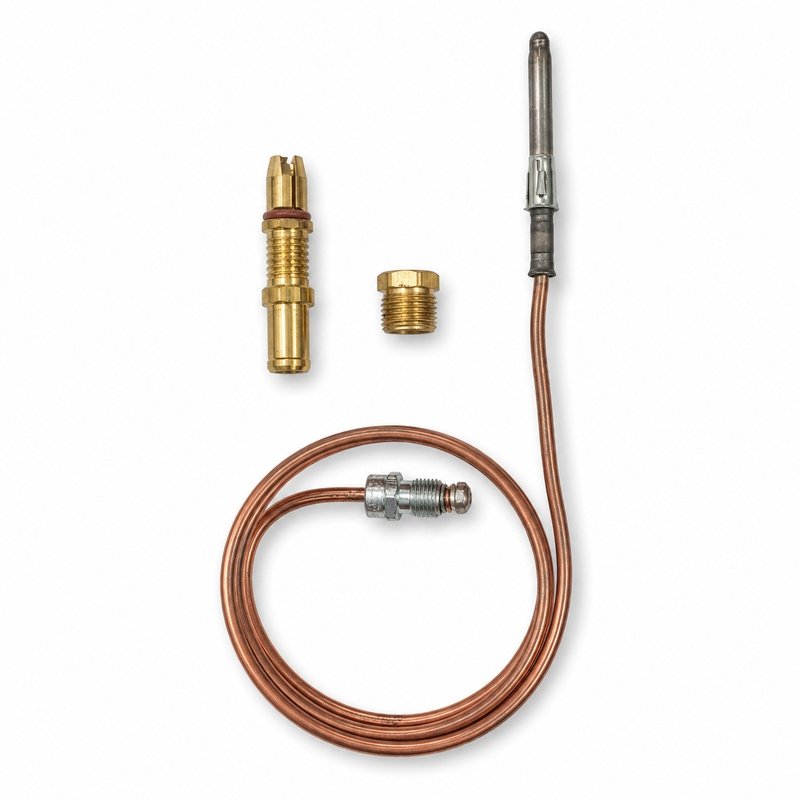
Keep these three accessories on hand once your tandoor is set up and cooking regularly.