A stainless steel tandoor for chefs isn't a departure from tradition — it's the same 5,000-year-old cooking method, refined for a kitchen that runs every night of the week. The clay-lined chamber and radiant heat that give tandoori food its signature char haven't changed. What's changed is everything around that core: the exterior build, the heat control, the ease of cleaning, and the reliability professional tandoor ovens need to deliver through a full service without missing a beat.
This guide traces that evolution — from the earliest clay ovens of the Indus Valley to the modern tandoor found in open kitchens today — and walks through what actually separates a professional-grade unit from a decorative one: durability, a dependable gas system with a working tandoor oven thermocouple, certification, and the day-to-day maintenance that keeps a busy kitchen's oven running for years.
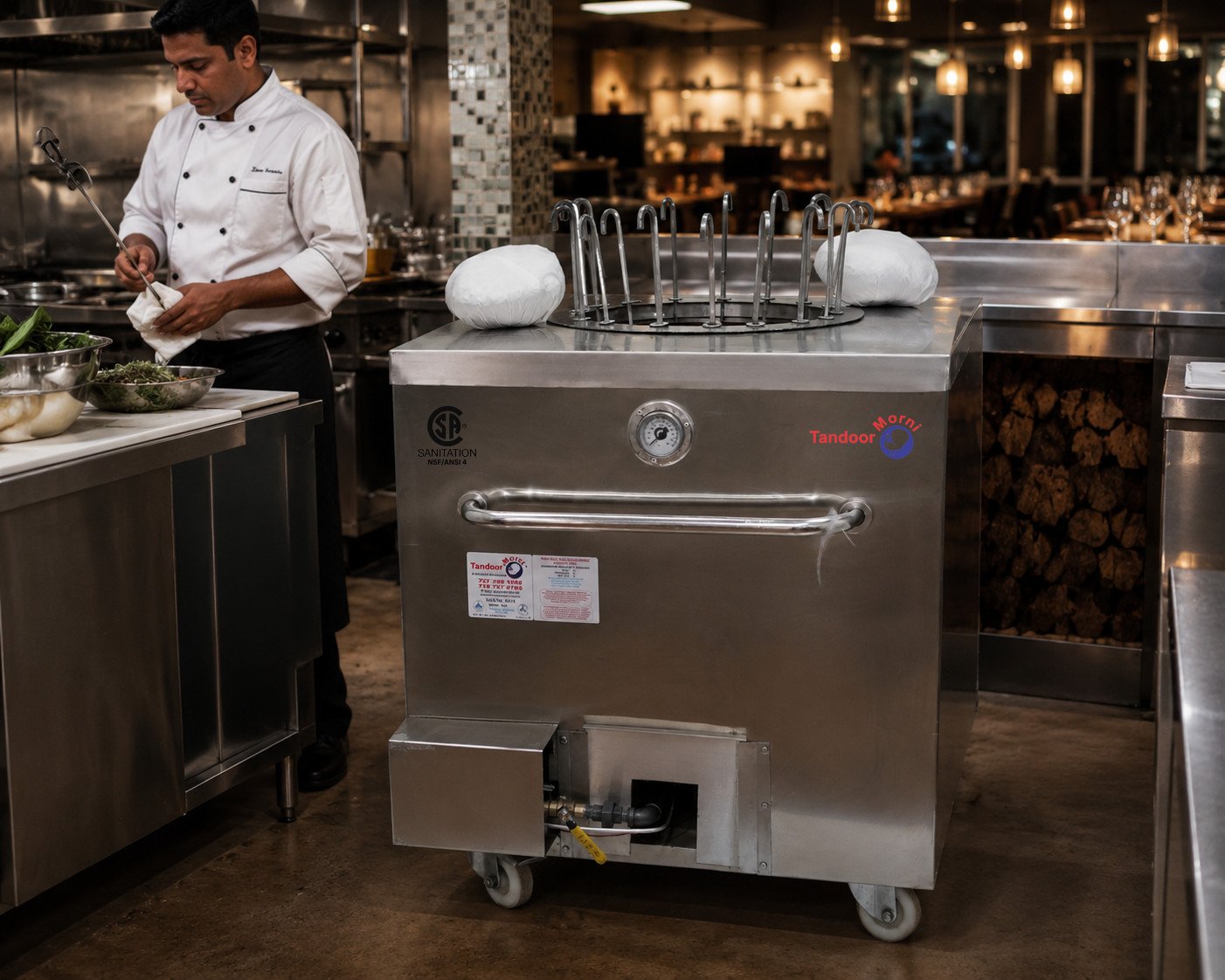
A modern tandoor built for the pace and precision of a professional kitchen.
From Clay to Stainless Steel: The Evolution of Tandoor Design
The tandoor, as a cooking setup, began roughly 5,000 years ago and found its most prominent early use in the Indus Valley and Harappan civilizations. Its design shifted and embraced new construction methods over the centuries, with recognizable versions of the modern tandoor emerging by the 16th and 17th centuries. While its use began especially in the Indian subcontinent, the tandoor later earned lasting popularity across West and Central Asia.
Traces of tandoor-style cooking also appear in Egyptian and Mesopotamian civilizations, suggesting the core idea — a fired clay chamber delivering intense radiant heat — emerged independently in more than one part of the ancient world. The Mughals played a direct role in shaping the oven's later form as well. Jahangir, a Mughal emperor, is credited with commissioning a portable tandoor so his traveling cooks could prepare his meals wherever his court happened to be — arguably the earliest ancestor of today's portable and catering models.
The traditional clay oven found its primary early use in baking bread, later evolving to include aromatic vegetables, succulent meats, and the tantalizing flatbreads tandoori cooking is known for today. That range — one piece of equipment producing bread, protein, and vegetables alike — is exactly what still makes a stainless steel tandoor oven such a versatile centerpiece in a professional kitchen.
Understanding the Setup of the "Ghar Ke Tandoor"
Right after the partition of India, families migrated from Western Punjab to the eastern region, and many carried their tandoors with them. Cooking in makeshift, home-built tandoors — the ghar ke tandoor, or "household tandoor" — became a common solution for families rebuilding their lives and their kitchens in a new place. That resourceful, portable spirit is worth remembering: long before "portable tandoor" was a product category, it was a practical necessity, and the instinct to adapt the tandoor to a new setting is baked into the equipment's entire history.
It's a useful bit of context for any chef evaluating equipment today. The same underlying goal — reliable, authentic tandoori cooking wherever it's actually needed, whether that's a resettled family's backyard or a brand-new restaurant kitchen — has driven every meaningful change in tandoor design since. Stainless steel construction is simply the latest chapter in that same story of adaptation, not a break from it.
Stainless Steel Tandoor Ovens as a Modern Solution Over Clay or Charcoal Alone
Traditional clay tandoors rely on charcoal as their fuel source, with a clay or ceramic lining doing the work of holding heat. A stainless steel tandoor for chefs takes a different approach, pairing gas fuel with a steel exterior while keeping the same genuine clay-lined interior that does the actual cooking. Clay-only tandoors deliver that earthy, smoky flavor purists love, but they require more maintenance and care. Steel construction offers a real alternative: faster heat-up, easier control, and an exterior that doesn't chip or crack.
Durability and Corrosion Resistance
Stainless steel resists rust and corrosion far longer than an exposed clay or ceramic exterior, holding up to years of daily commercial use without the wear that eventually cracks a bare clay body.
Faster Heat-Up, Easier Control
A gas-fired stainless steel tandoori oven heats up quicker than a charcoal-only unit and offers more repeatable heat — a real advantage for a kitchen running the same dishes to the same standard, order after order.
Easier to Keep Clean
Grease and food residue wipe away from a stainless exterior with minimal effort, compared to the more careful handling a clay surface requires to avoid damage during cleaning.
A Fit for Open Kitchens
Stainless steel brings a sophisticated, modern look that complements contemporary kitchen design, making it a strong fit for open kitchens in restaurants and stylish home setups alike.
What Makes Professional Tandoor Ovens Different
Not every stainless steel tandoor is built to the same standard, and the difference shows up fastest during a busy service. A genuine professional chef tandoor oven needs to recover heat quickly between orders, hold a steady temperature through hours of continuous use, and stand up to the daily wear of a working kitchen line — not just look the part in a showroom.
Stainless Steel Tandoor Oven A04
Sized at 34x34 inches, the A04 pairs a full stainless steel body with a genuine clay-lined interior, giving chefs a unit that resists rust and daily wear while still cooking with authentic radiant heat.
Natural Gas Tandoor Oven CH04
For kitchens already piped for natural gas, the Natural Gas Tandoor Oven CH04 connects directly to the building's existing line, giving a professional kitchen predictable running costs alongside consistent recovery time.
Stainless steel tandoor ovens are available today in a range of sizes and designs suited to both home use and serious business use. Smaller, portable models find wide use in tighter kitchen spaces, while larger models offer greater cooking capacity — the kind of setup a chef running a full tandoori menu actually needs.
Matching Tandoor Size to Kitchen Volume
Sizing a tandoor for a professional kitchen isn't just about available floor space — it's about matching chamber capacity to actual nightly volume, the same practical consideration tandoori cooking has always demanded, whether the oven was built into a village courtyard or a modern restaurant kitchen.
| High-Volume Dining Rooms | A larger chamber, like the one in the Stainless Steel Tandoor Oven A04, keeps pace with a steady stream of orders through a full dinner rush without the recovery lag a smaller unit would struggle with. |
|---|---|
| Counter-Service and Smaller Concepts | A more compact steel-bodied model still delivers full authentic flavor while fitting a tighter kitchen footprint. |
| Hotel and Banquet Kitchens | Larger chamber capacity supports cooking multiple dishes at once, which matters for event-driven volume that can shift dramatically night to night. |
Reliable Heat and the Tandoor Oven Thermocouple
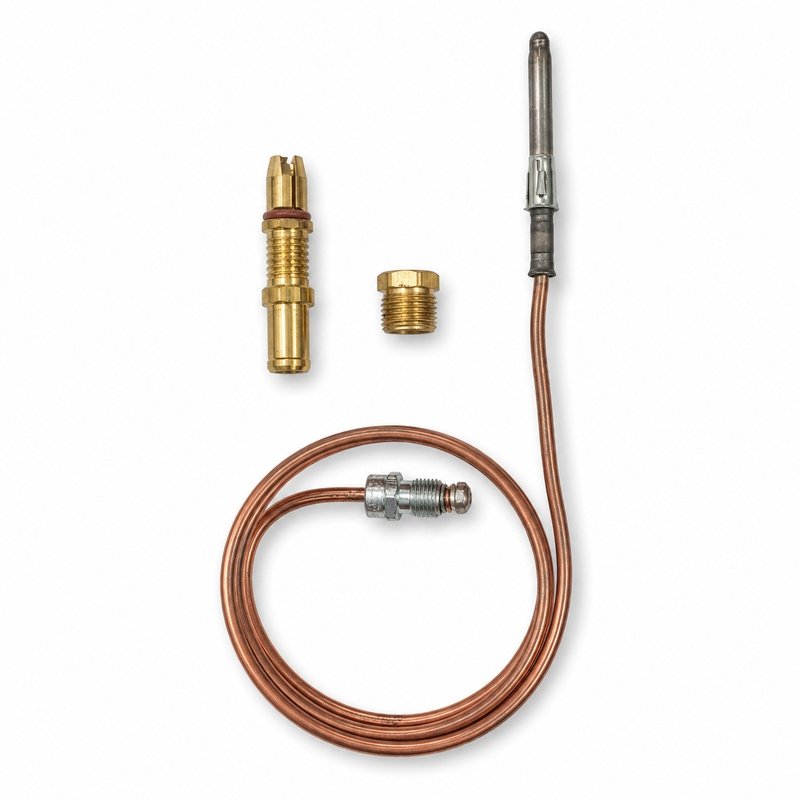
One of the biggest practical advantages a gas-fired modern tandoor offers over a bare charcoal unit is heat you can repeat, and the tandoor oven thermocouple is the small part that keeps that gas system running safely. A thermocouple sits in the pilot flame. While it senses heat, it holds the gas valve open; if the pilot goes out, it shuts the gas off. It is a safety device rather than a thermostat — the cook sets the heat with the burner control — but nothing else works without it.
For a professional kitchen running dozens of orders through a single service, that reliability is the difference between every naan and every skewer coming out the way the last one did, and a line that keeps stopping to relight. If a gas tandoor's pilot won't stay lit, a failing thermocouple is usually the first thing worth checking. The Tandoor Oven Thermocouple AS12 is a small, inexpensive replacement part with an outsized effect on how dependably the oven performs under real kitchen conditions.
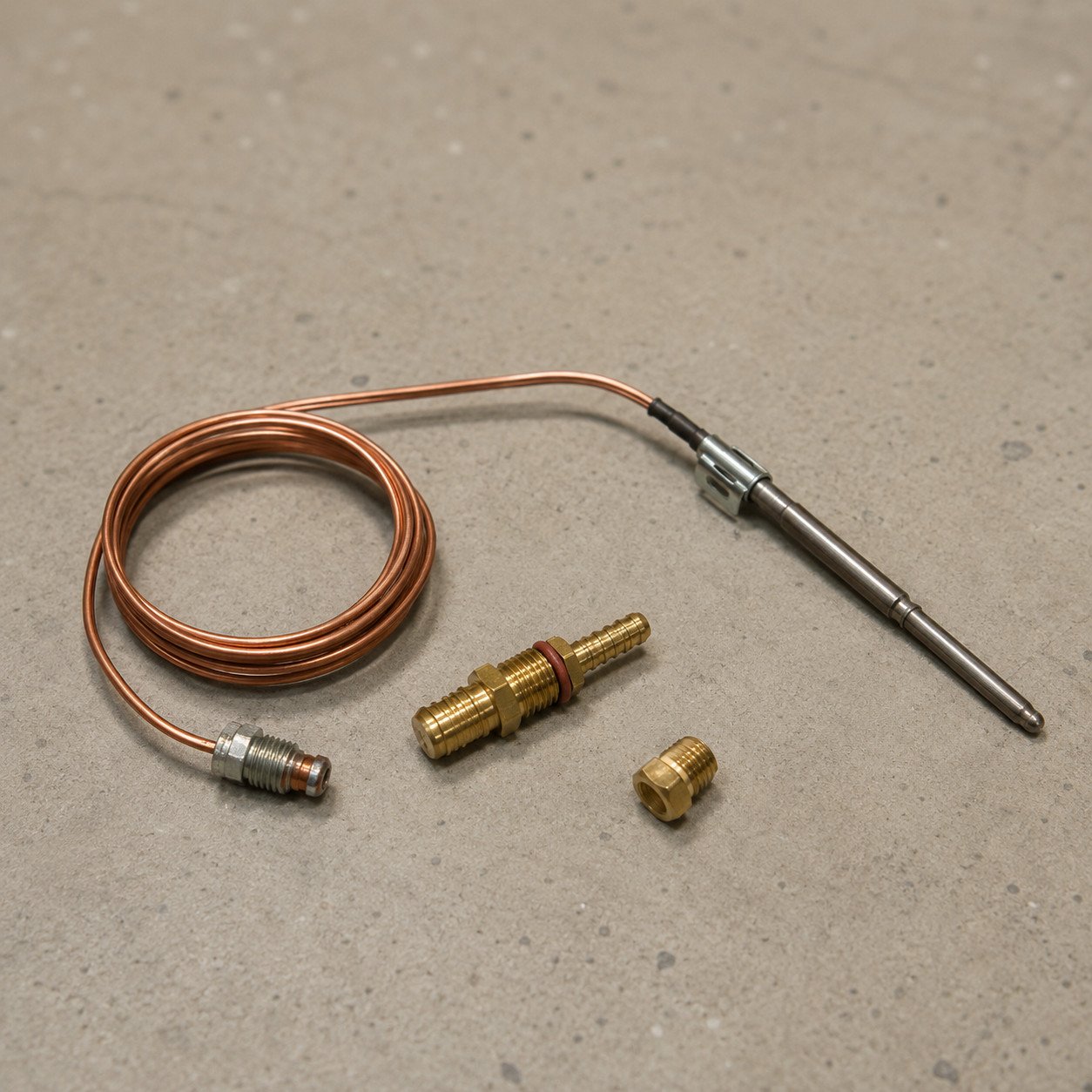
A tandoor oven thermocouple keeps the pilot lit and shuts the gas off if the flame goes out.
Certification: What to Look for Before You Buy
For a professional kitchen, certification isn't optional — it's what confirms a stainless steel tandoor for chefs has been independently tested against real safety standards rather than just described as commercial-grade in a listing. The CSA NSF Tandoor Oven T04 carries the certifications most commercial kitchen permits require, removing any ambiguity during a health inspection.
Look for CSA and NSF certification specifically when comparing professional tandoor ovens for a licensed commercial kitchen — these marks confirm the unit meets recognized safety standards for gas components, food-contact surfaces, and overall construction, not just that it's built from stainless steel.
Who's Actually Switching to a Stainless Steel Tandoor
The shift from clay-only to stainless steel isn't limited to one type of kitchen. A range of chefs and operators are making the switch for slightly different reasons.
Maintenance: Why Stainless Steel Is Easier to Live With
Clay is vulnerable to cracking over the years of repeated heating and cooling, which is part of why so many kitchens have moved toward a stainless steel tandoor as the lower-maintenance option. Grease and food residue wipe away with minimal effort, and the metal itself doesn't require the same careful handling a bare clay surface does to avoid chipping or cracking during routine cleaning.
That said, the interior is still genuine clay, so the same basic principles apply: clean the chamber after each service, watch for hairline cracks in the clay lining over time, and confirm gas connections and the thermocouple are functioning correctly as part of a routine inspection schedule. Staff working near the tandoor for long shifts should also follow standard kitchen heat-safety practices — OSHA's heat exposure guidance is a useful baseline for any kitchen running high-heat equipment for hours at a stretch.
Stainless Steel Tandoor for Chefs: Frequently Asked Questions
Why choose a stainless steel tandoor for chefs over a traditional clay-only build?
What does a tandoor oven thermocouple actually do?
Are professional tandoor ovens certified for commercial kitchen use?
How old is the tandoor as a cooking method?
Does a stainless steel exterior change the flavor of tandoori food?
Should I choose the Natural Gas Tandoor Oven CH04 or a propane model?
Does Tandoor Morni offer financing for a stainless steel tandoor oven?
More From Tandoor Morni
Curious how a stainless steel tandoor oven fits your kitchen? Browse related guides and recipes below to plan the rest of your setup.
Bring a Stainless Steel Tandoor to Your Kitchen
Buying from a manufacturer like Tandoor Morni means the oven comes with real support behind it. We build every unit to add sturdiness, efficiency, and convenience — whether it's headed for a home kitchen or a full commercial line — and to deliver steady heat and dependable performance, so you can cook the flavors and textures tandoori cooking is known for, service after service.
Whether you need the Stainless Steel Tandoor Oven A04, the certified CSA NSF Tandoor Oven T04, or the natural gas convenience of the Natural Gas Tandoor Oven CH04, our team can help you find the right fit for your kitchen.
Have questions about which model fits your setup? Call us at +1 (727) 251-6924 or email info@tandoormorni.com and our team will help you find the right fit and financing structure.
Shop Accessories for Your Tandoor
Keep these three parts on hand once your oven is installed and running daily service.