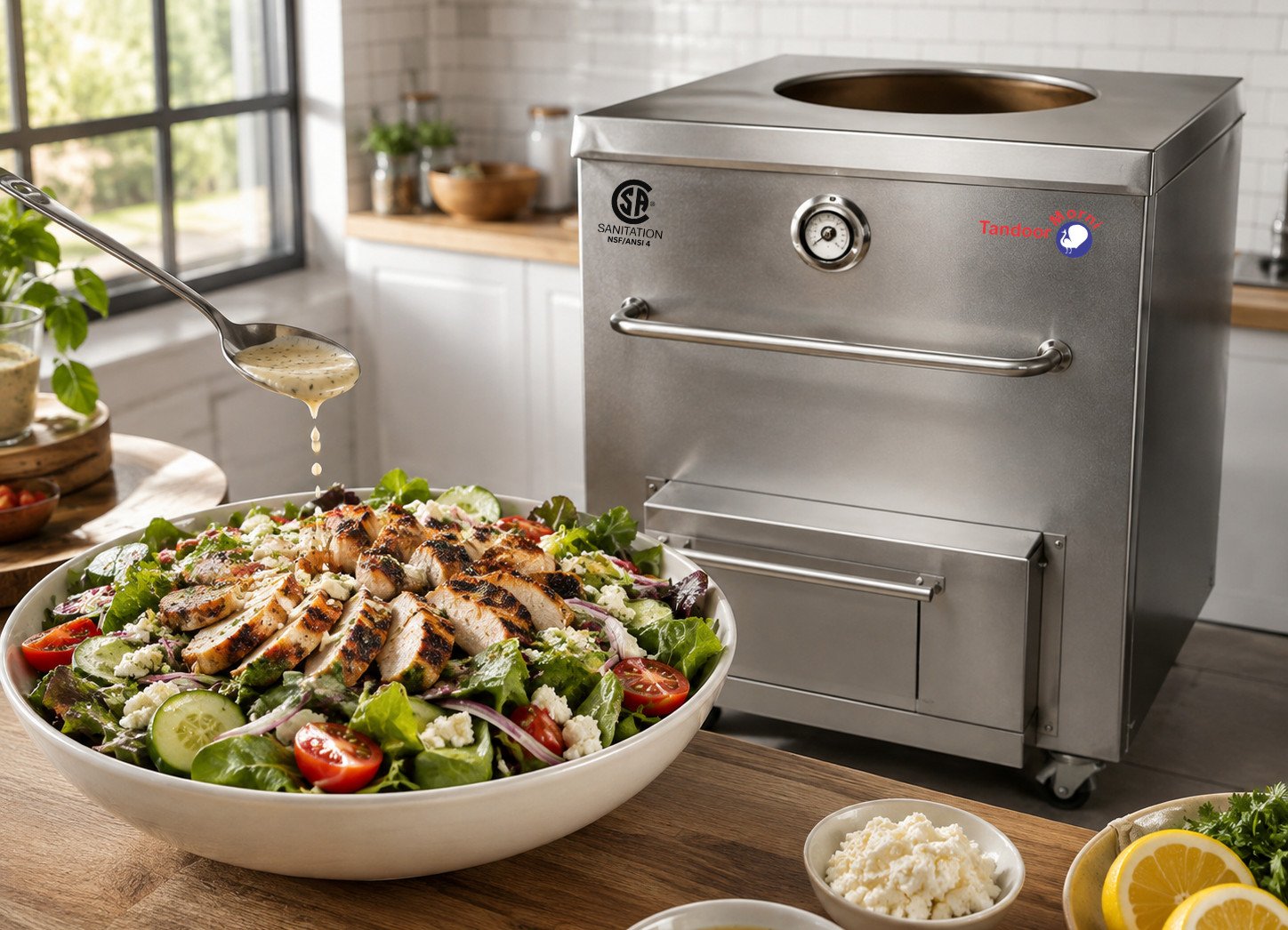
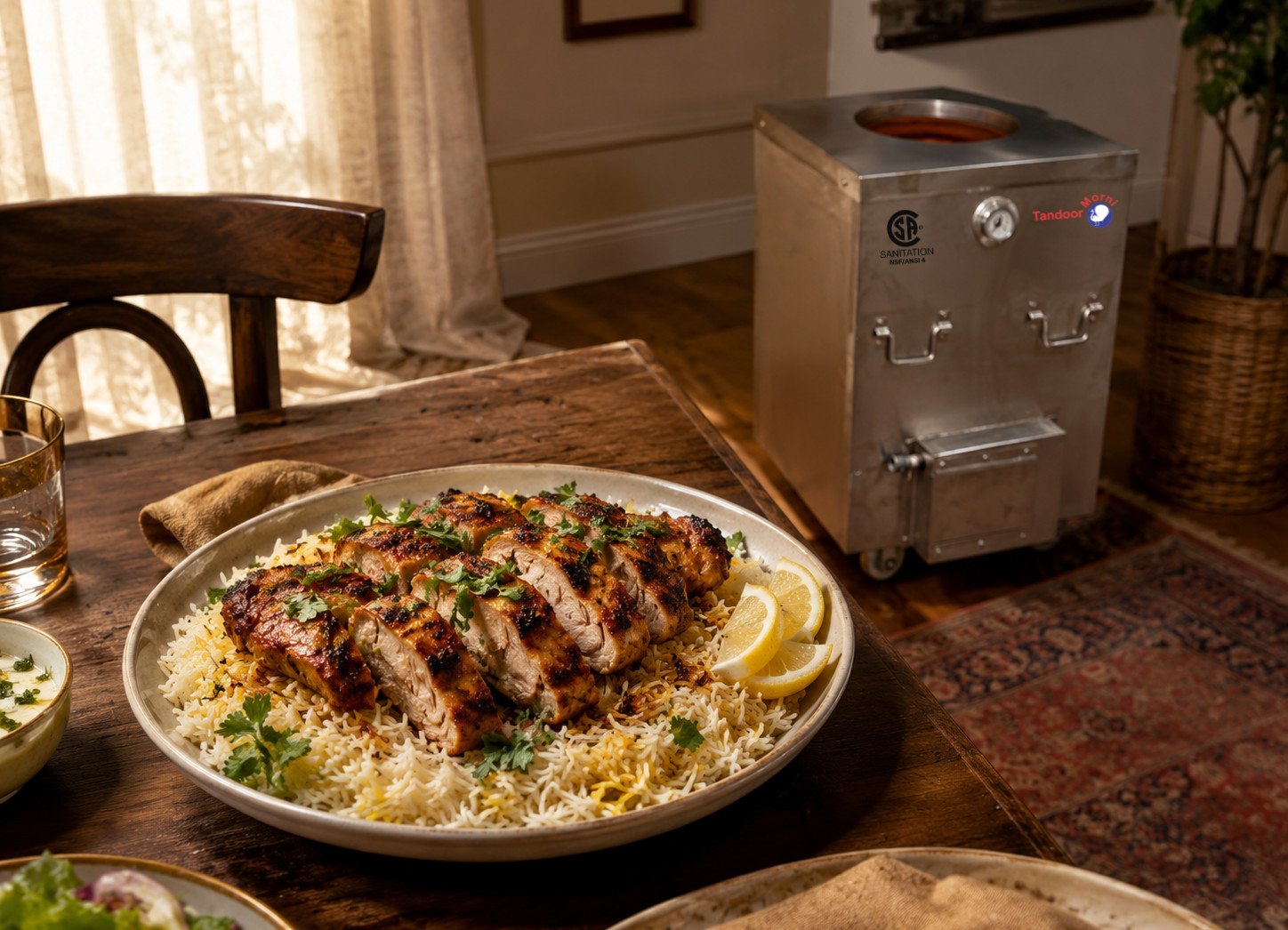
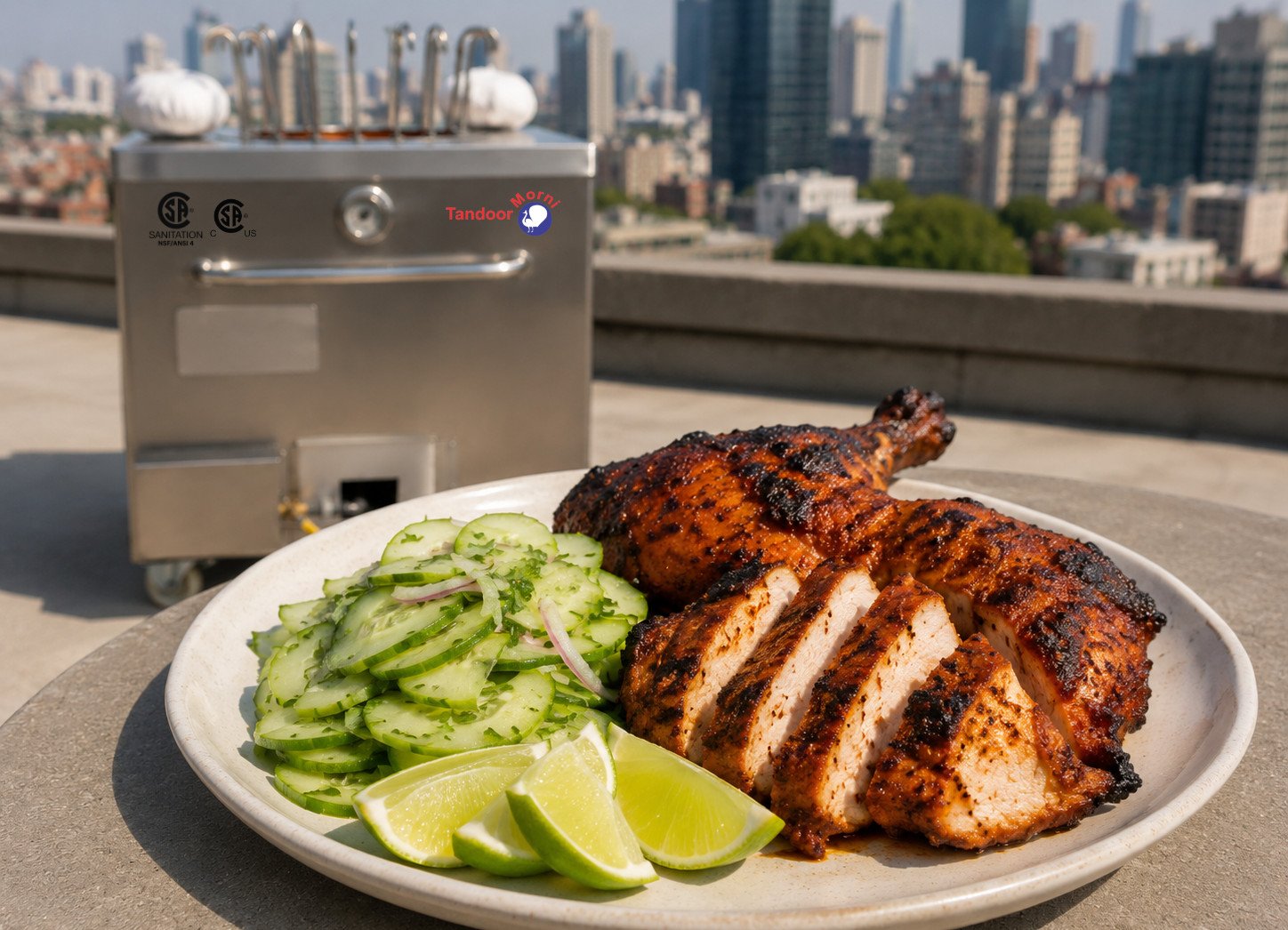
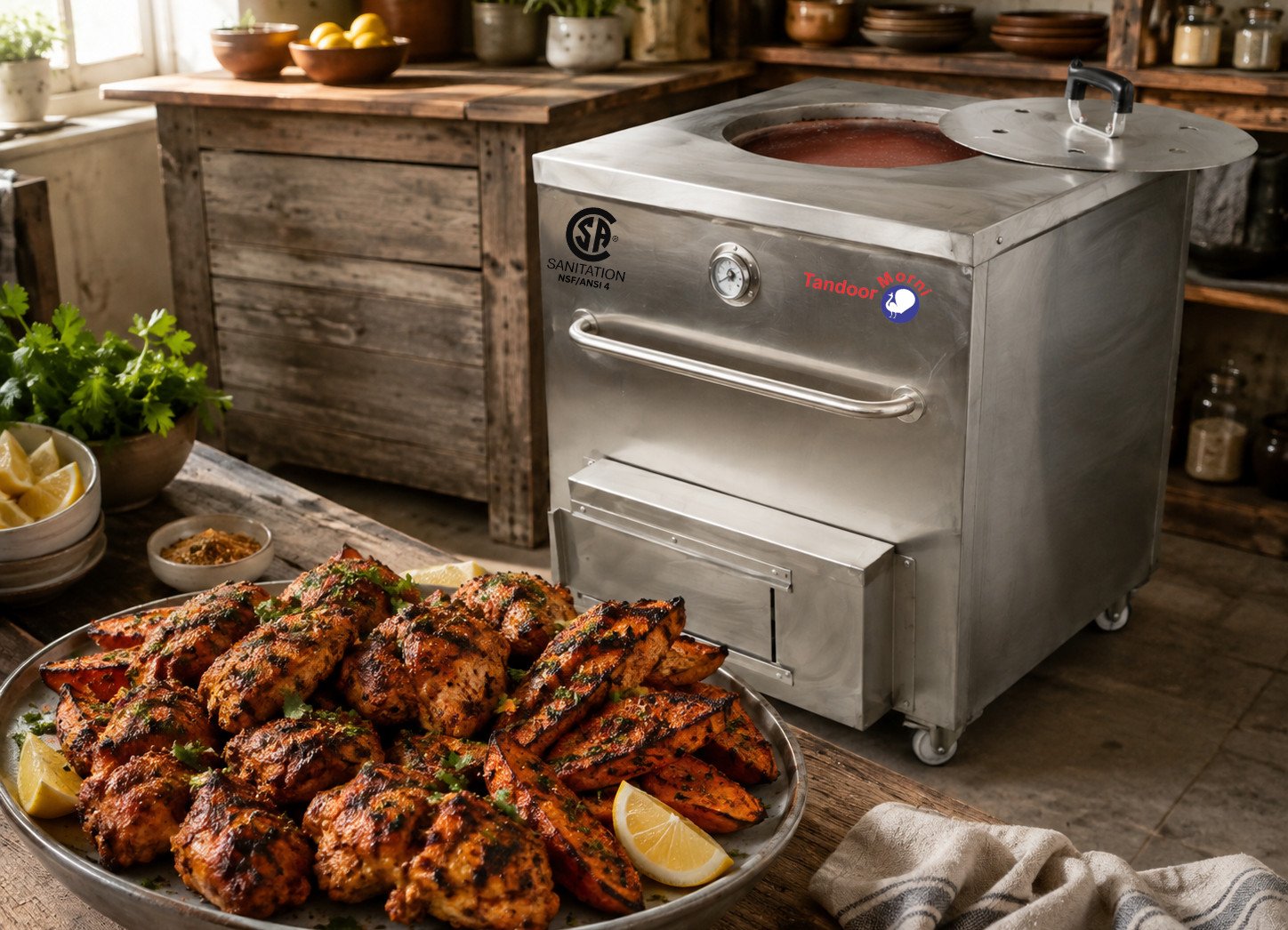
Non-Vegetarian Recipes From the Clay Oven
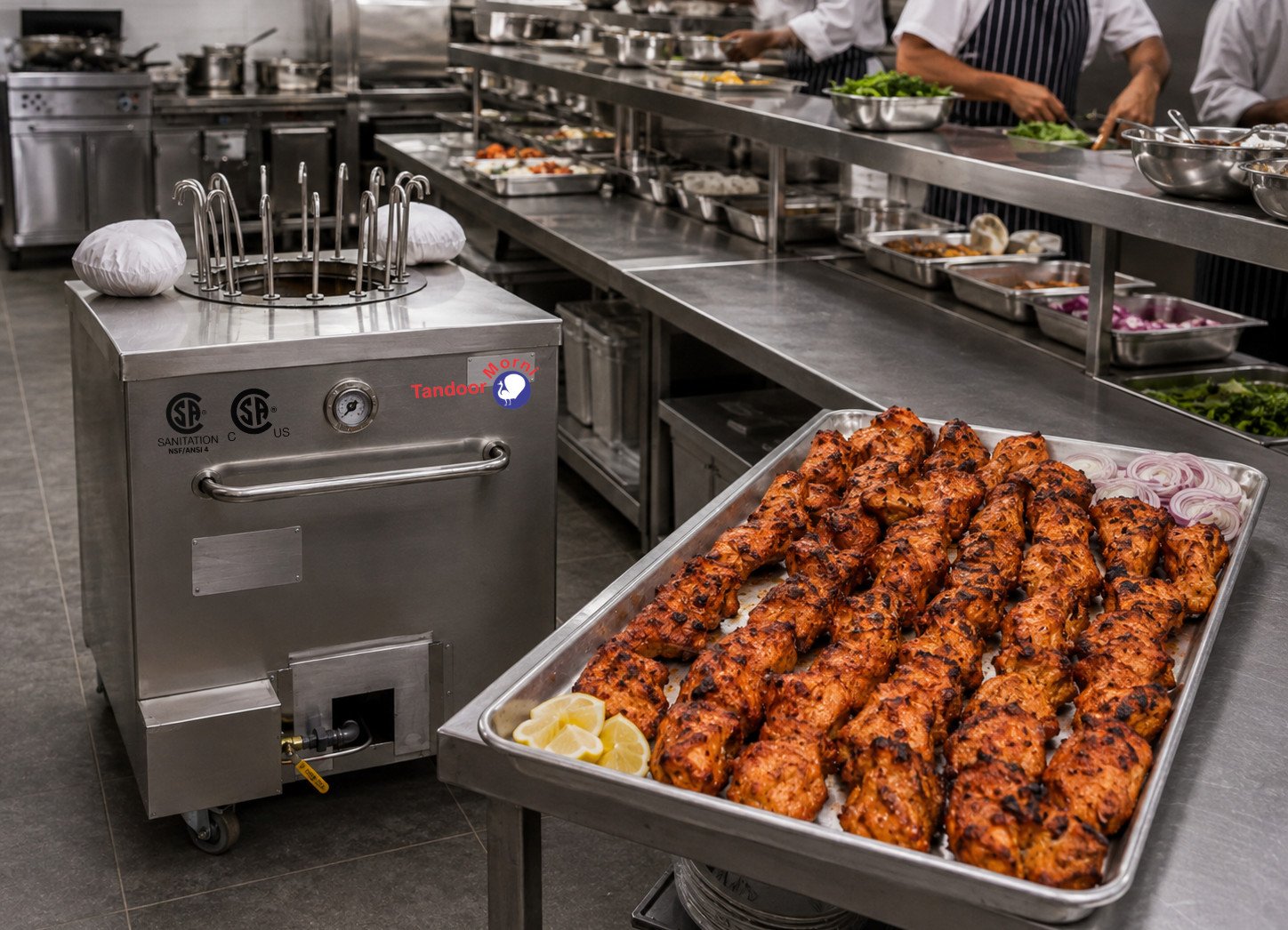
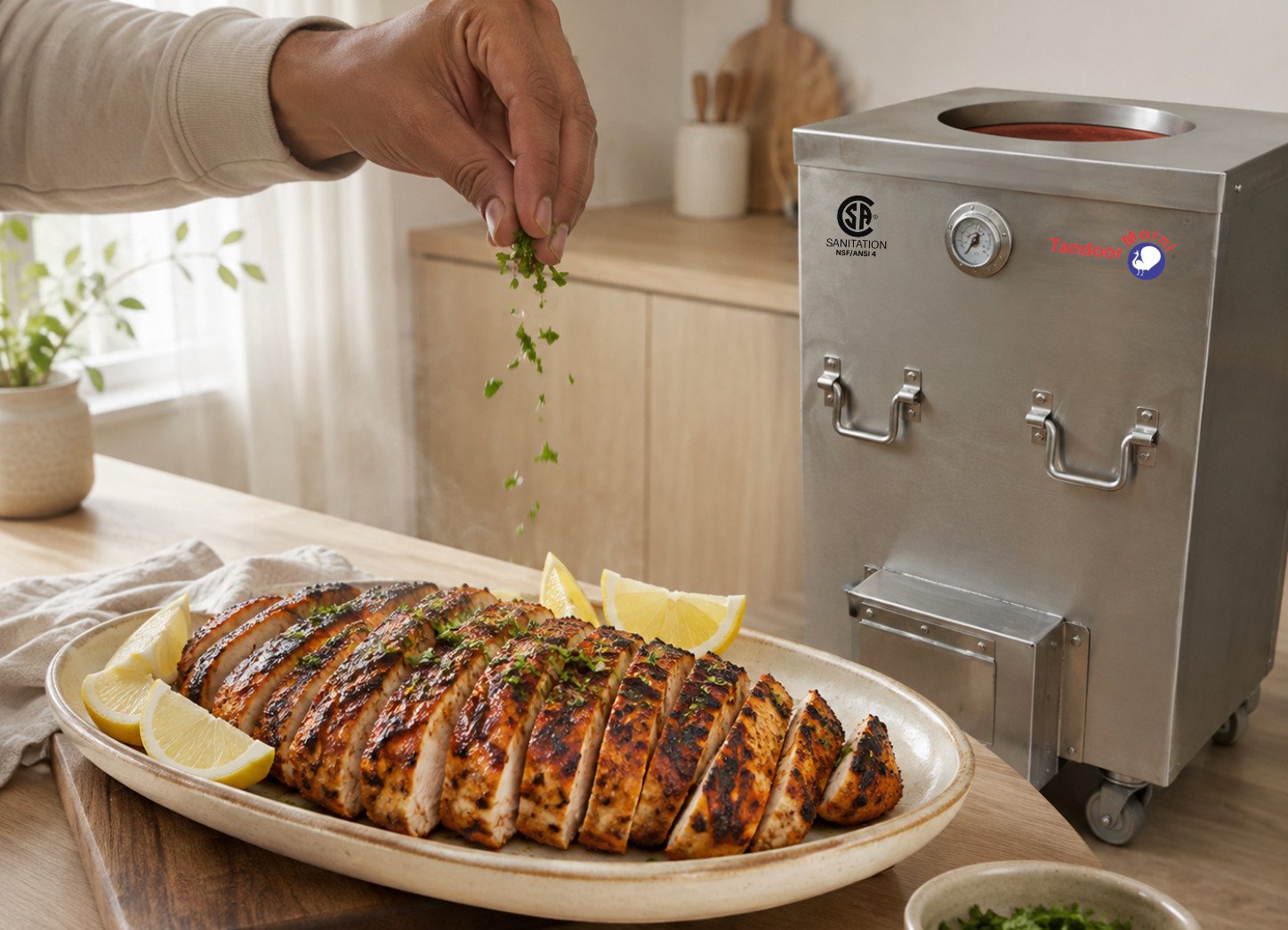
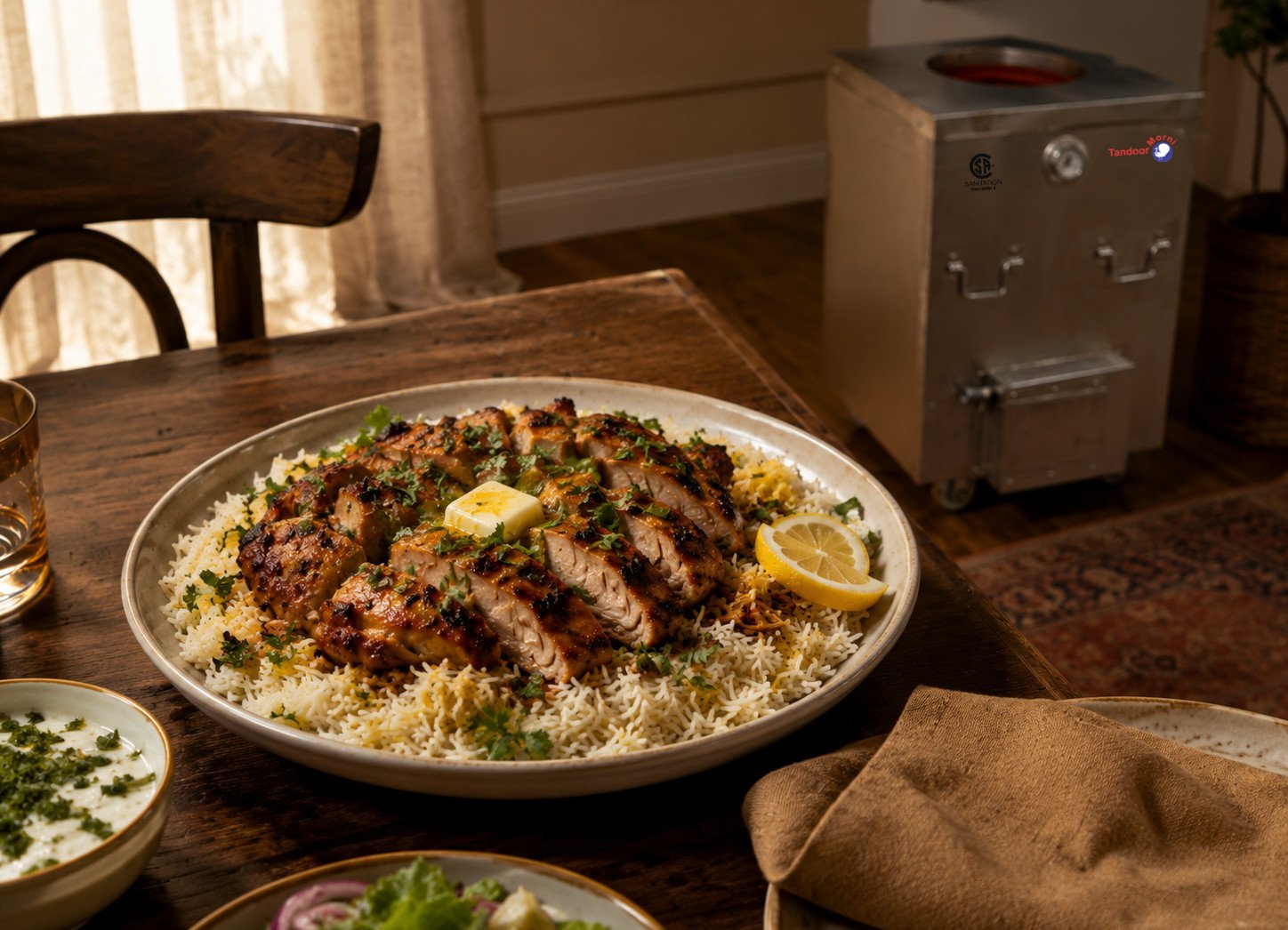
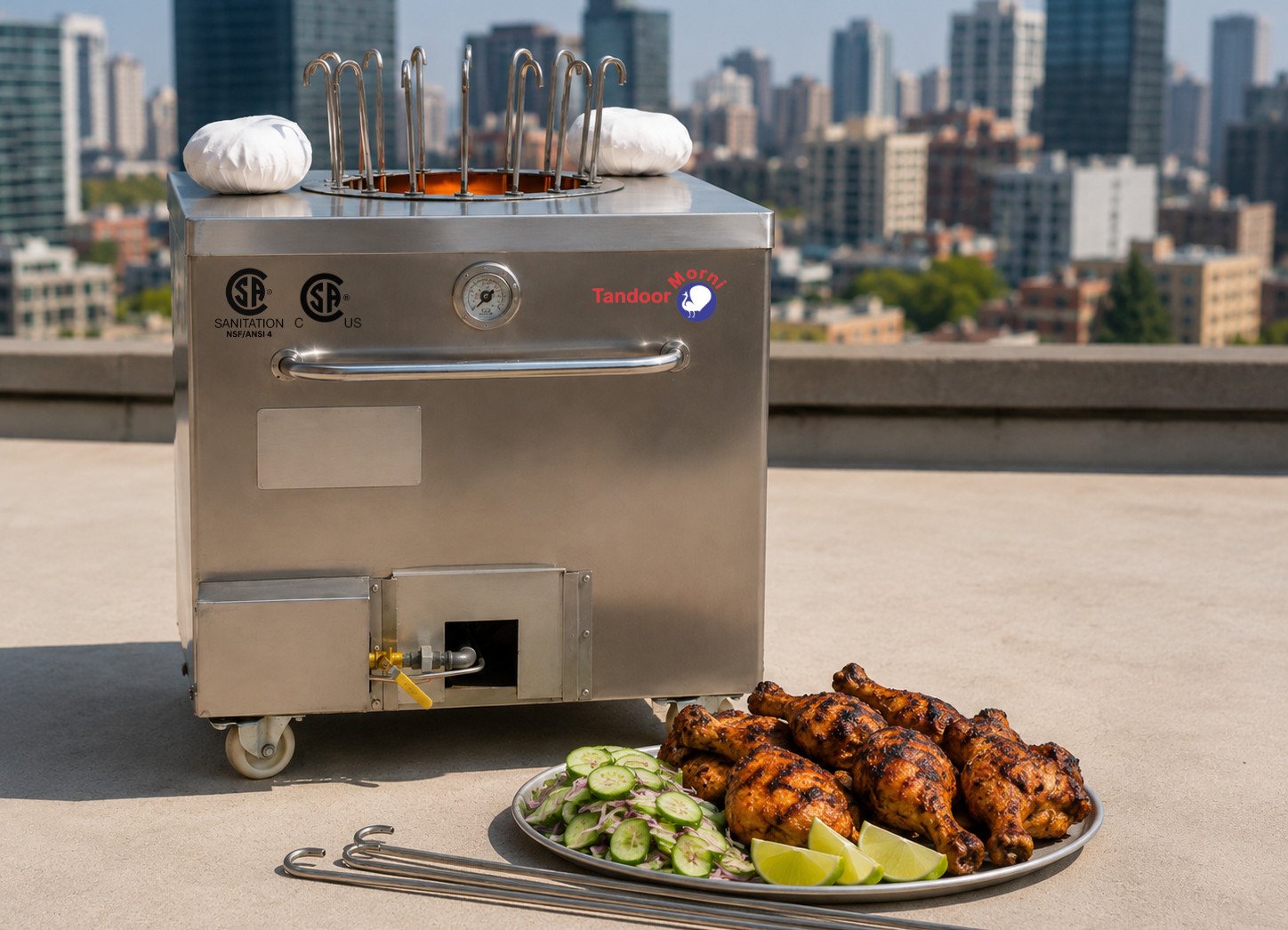
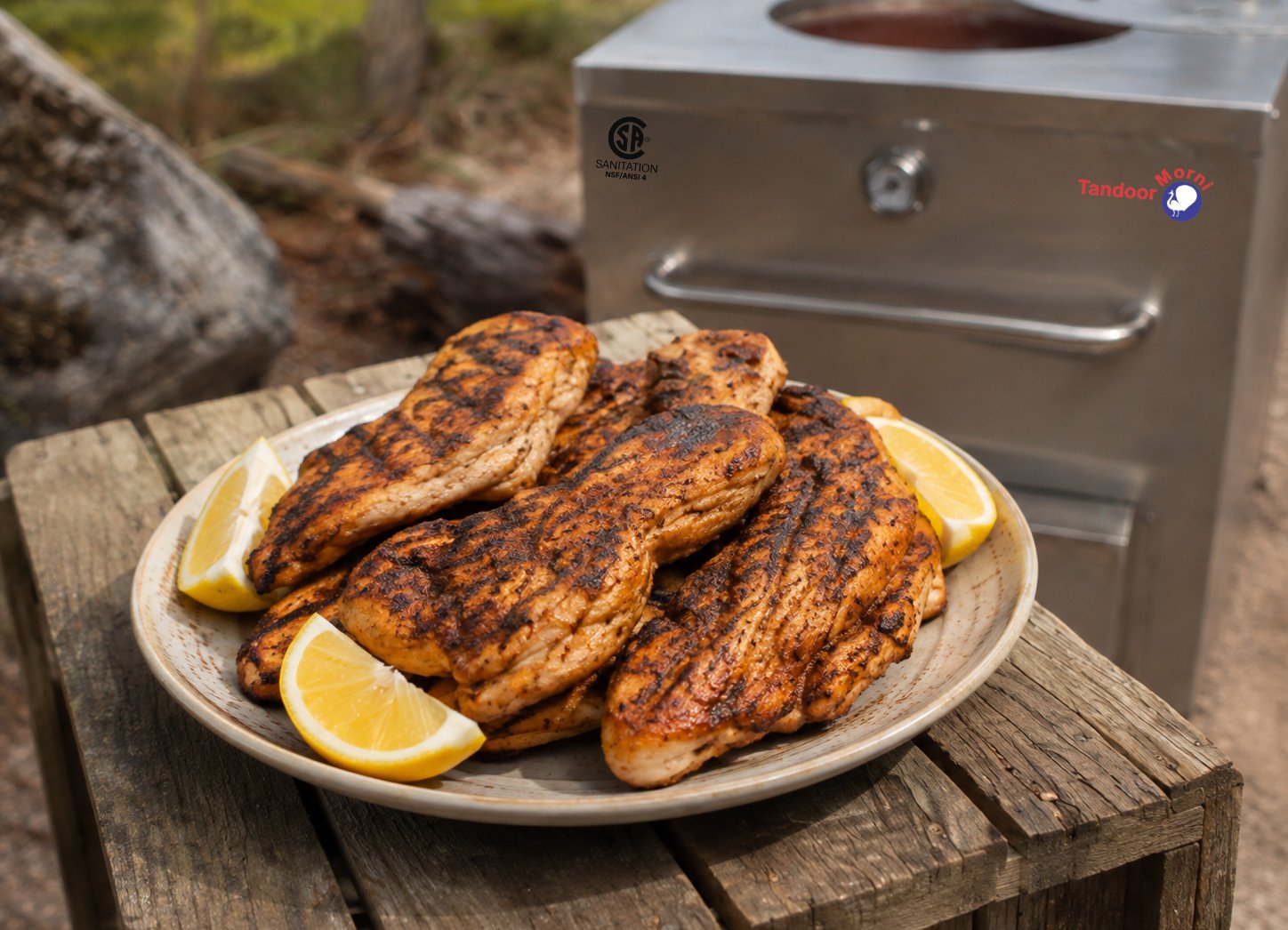
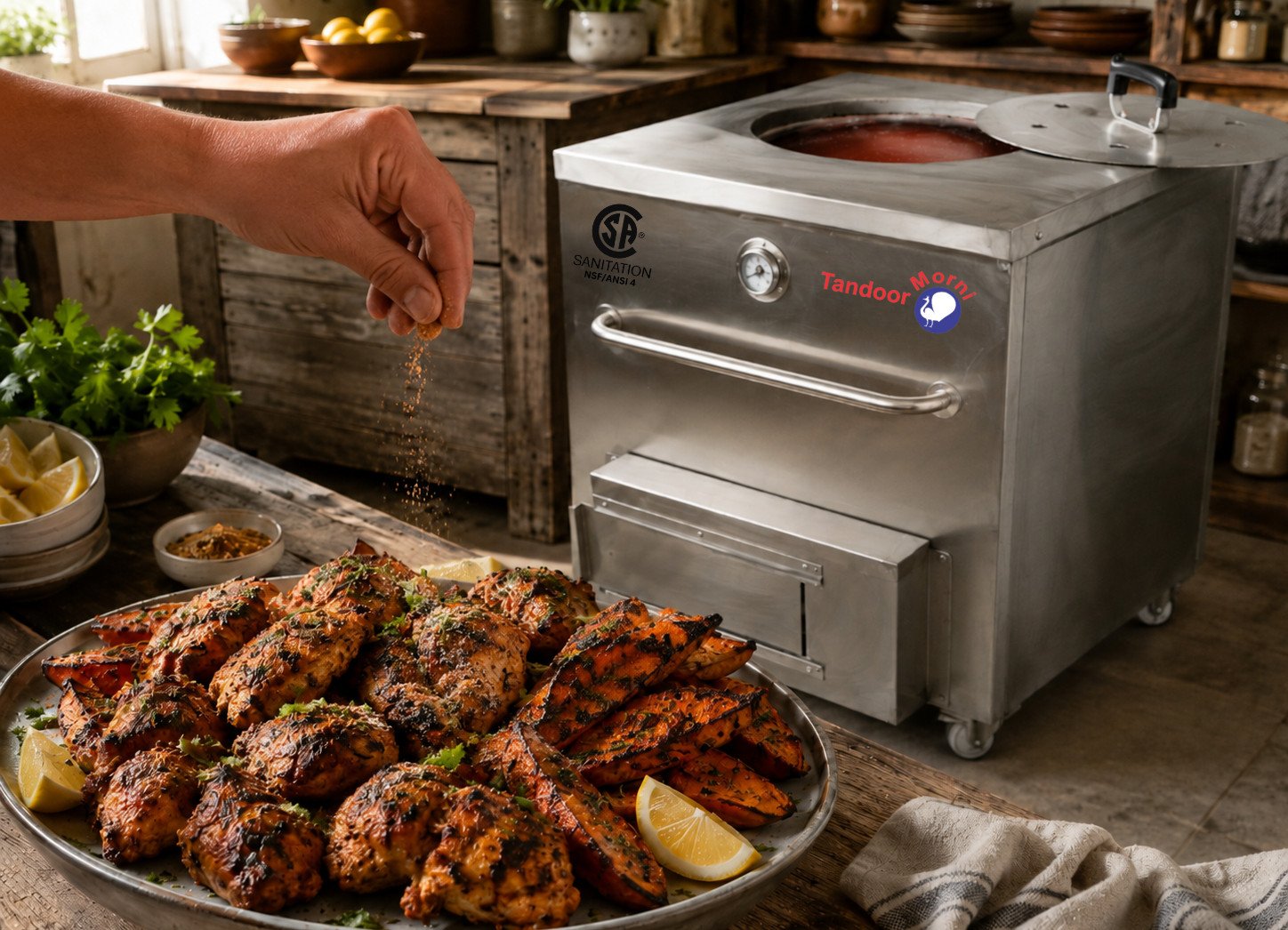
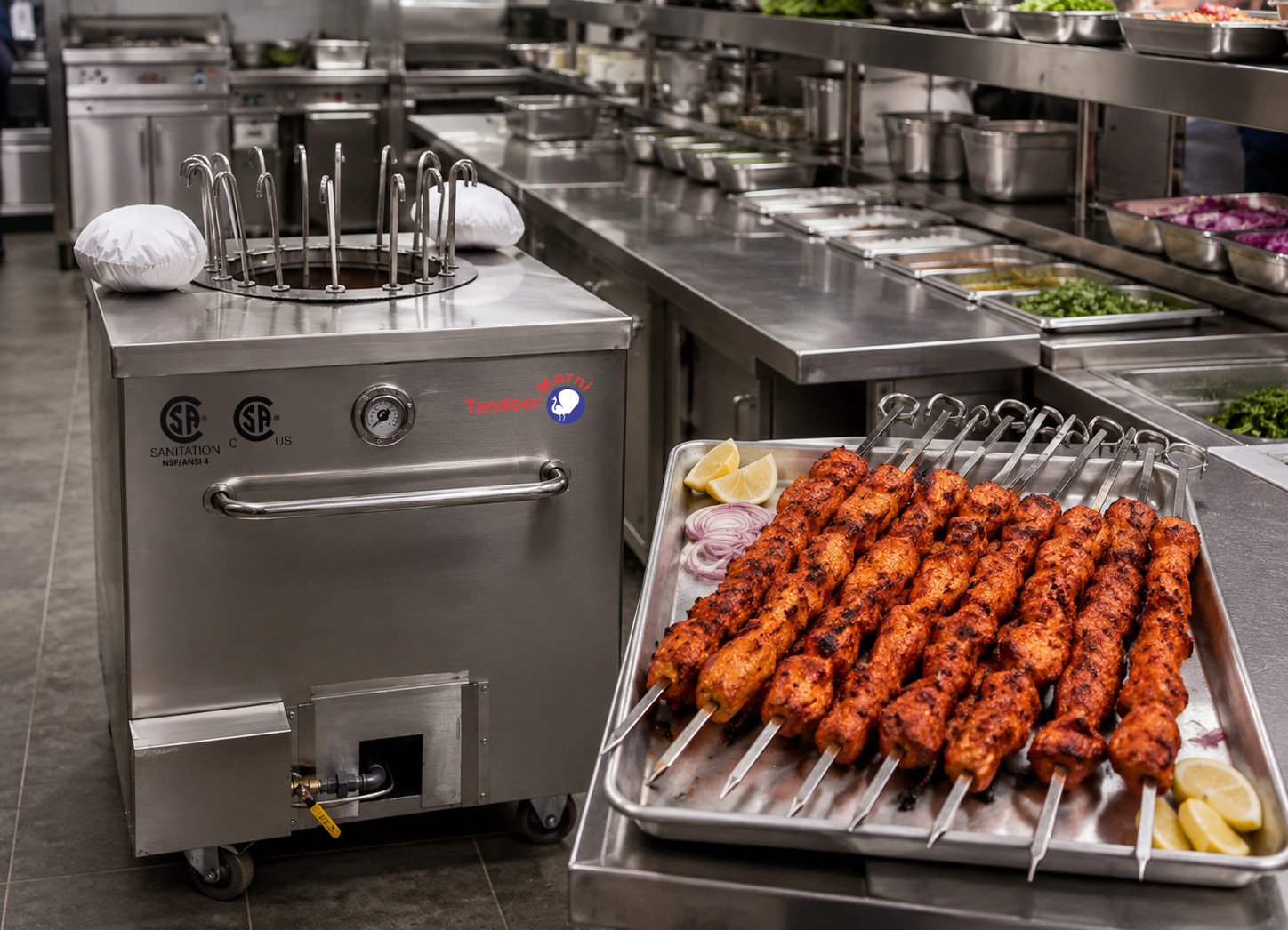
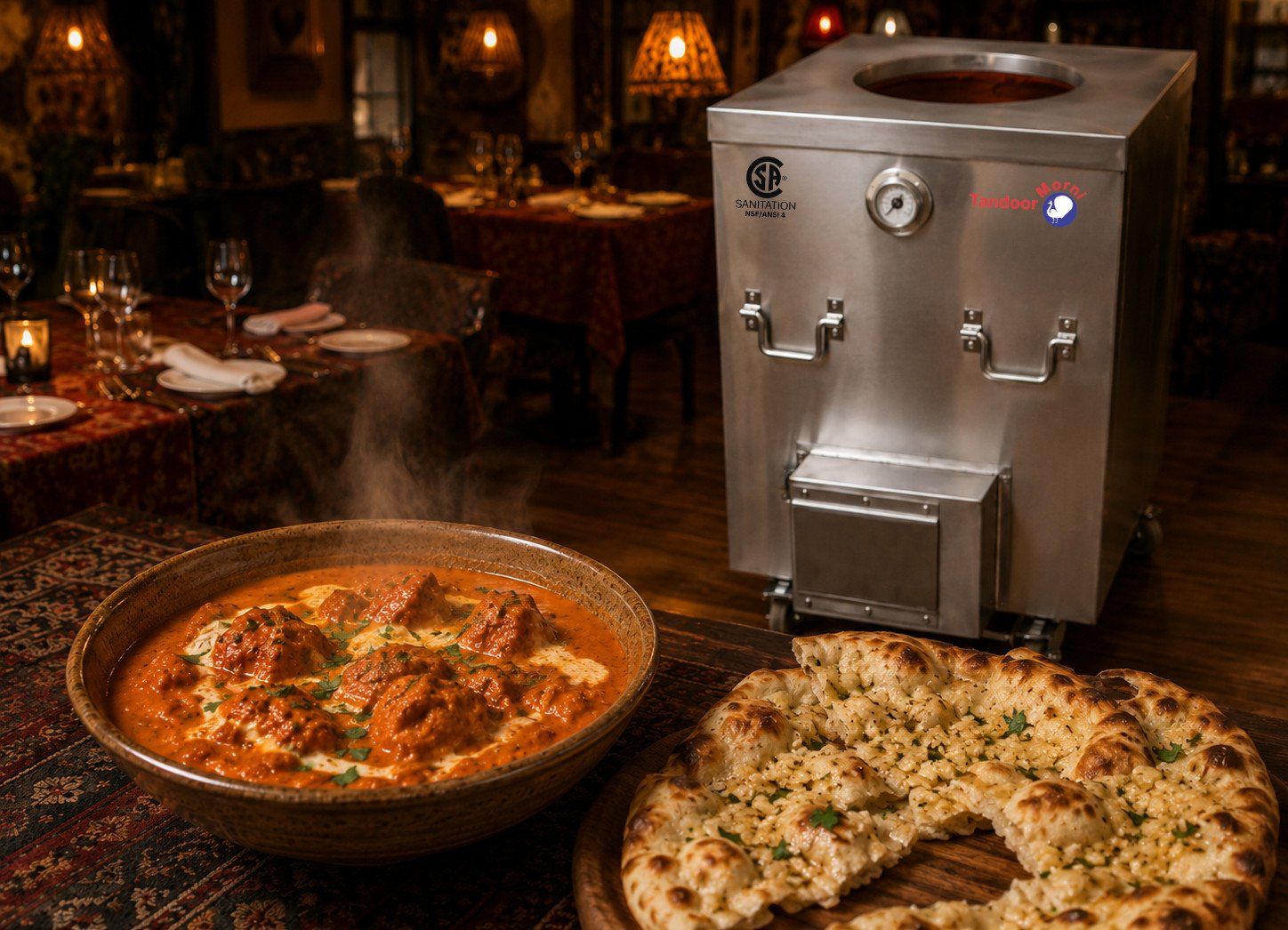
These non-vegetarian recipes are the core of what a tandoor is actually built for — chicken, lamb, and other meats taking on real char from radiant wall heat in minutes rather than the long, slow cook a conventional oven needs. If you came to this site wondering what a genuine clay oven does differently compared to a standard home kitchen, these non-vegetarian recipes are the clearest answer we can give.
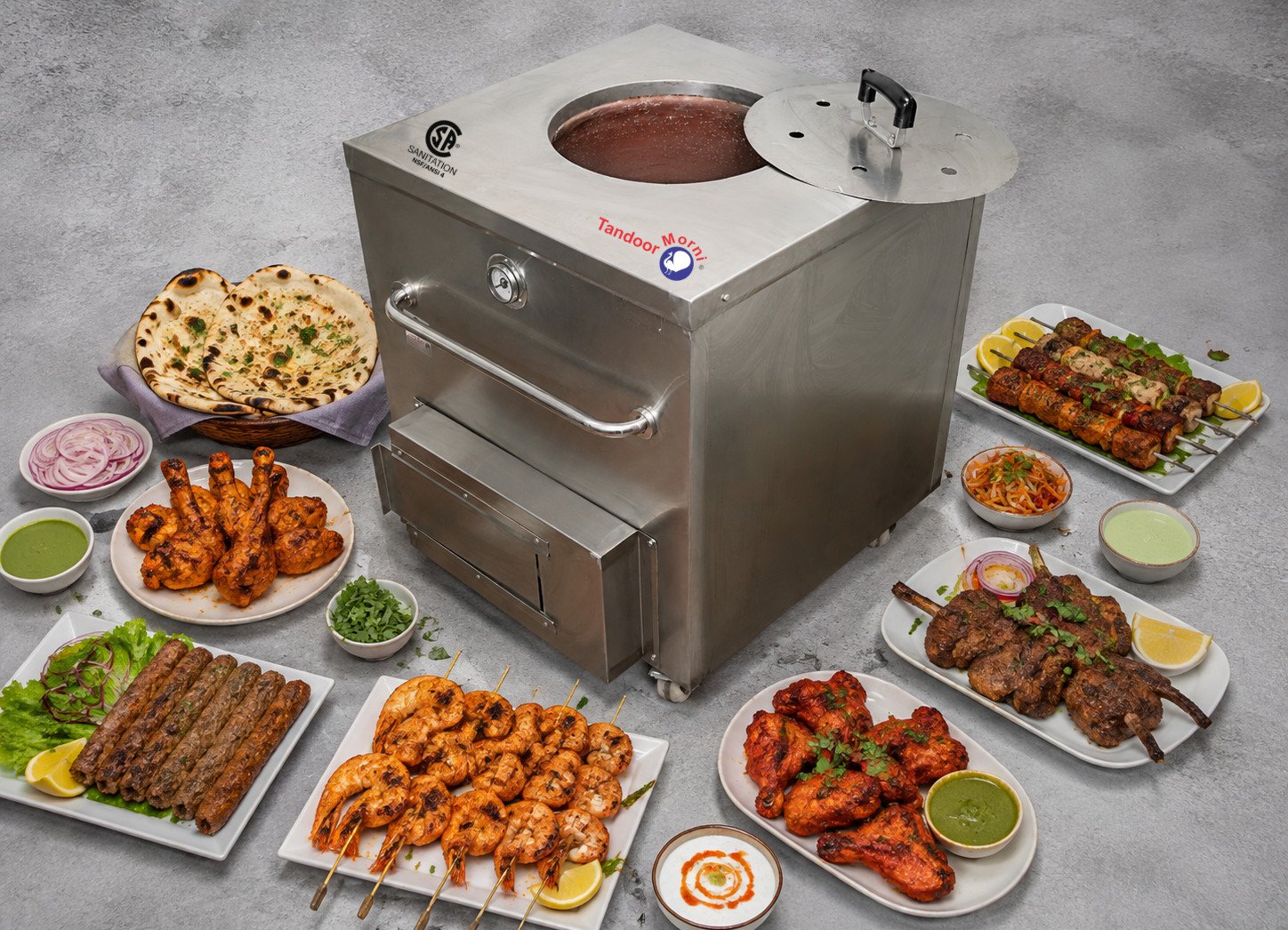
Poultry carries most of this collection, from a simple whole tandoori bird to small skewered cubes cut to char on all sides in one go. Lamb shows up in kebab form, built around the same two-stage marinade logic but tuned for a richer, fattier cut. Between the two, these non veg recipes cover most of what a tandoor does best, and the technique differences between them are worth understanding before you pick a recipe to start with.
Every recipe in this collection follows the same underlying pattern this whole site is built around: a two-stage yogurt-and-spice marinade, a properly preheated wall, and a fast, high-heat cook that chars the surface while keeping the inside tender. Once that pattern clicks on one recipe, it transfers directly to the rest of these non-vegetarian recipes, regardless of which protein you're actually cooking that night.
That consistency is deliberate. Rather than treating each dish as its own isolated technique, we've written these non-vegetarian recipes so that learning one genuinely teaches you the next. Someone who's nailed the timing on the foundational whole-bird recipe already understands most of what the smaller skewered cuts need, and from there most of the conceptual work lamb seekh kebabs require too is already done — the spice ratios and cut sizes shift, but the underlying logic of marinade, wall temperature, and char doesn't.
Poultry-Forward Non-Vegetarian Recipes
Poultry is the most forgiving protein to start with among these non-vegetarian recipes — it marinates well, chars predictably, and covers the widest range of formats, from a whole bird down to small skewered cubes.
The Foundational Recipe
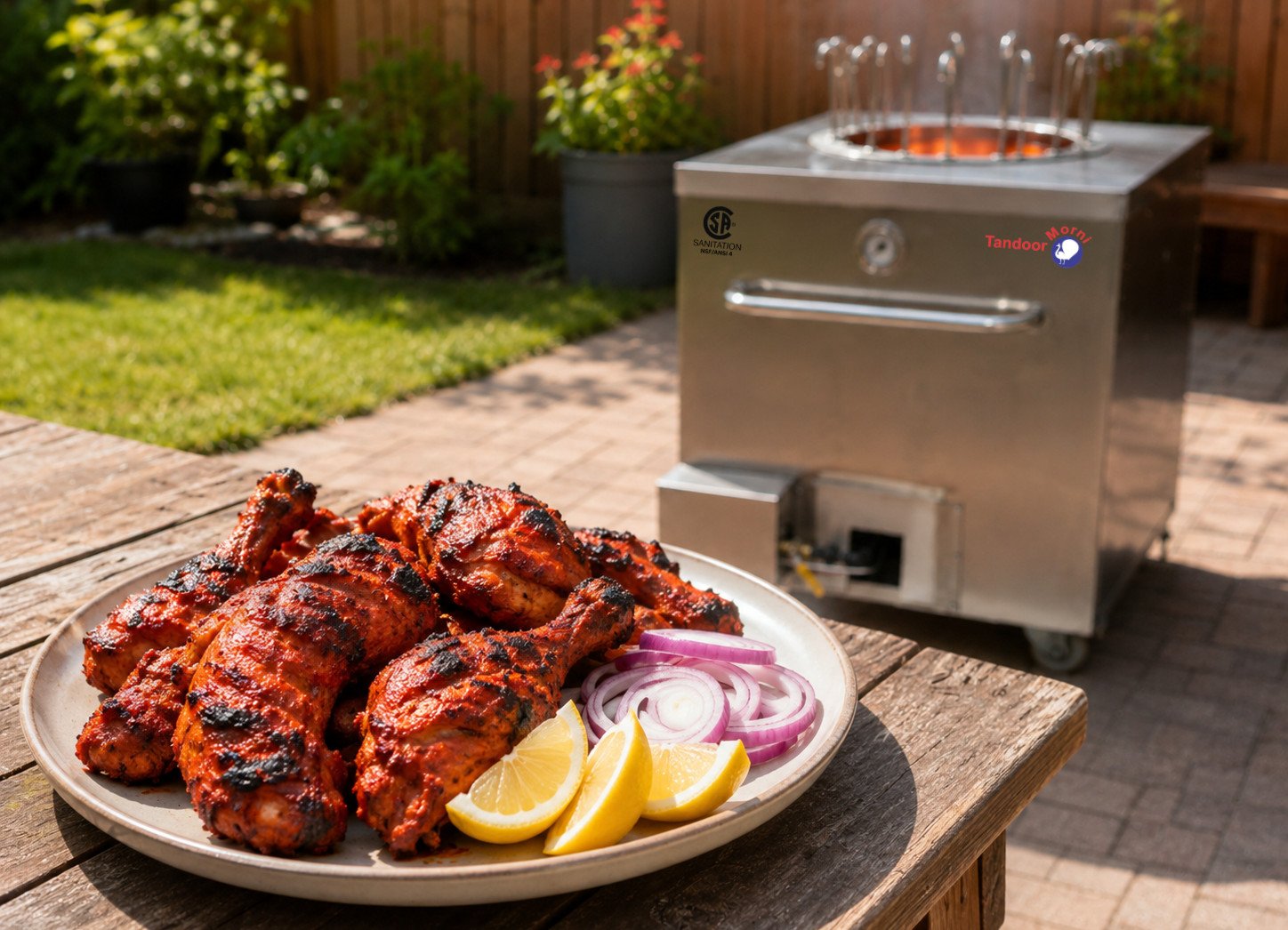
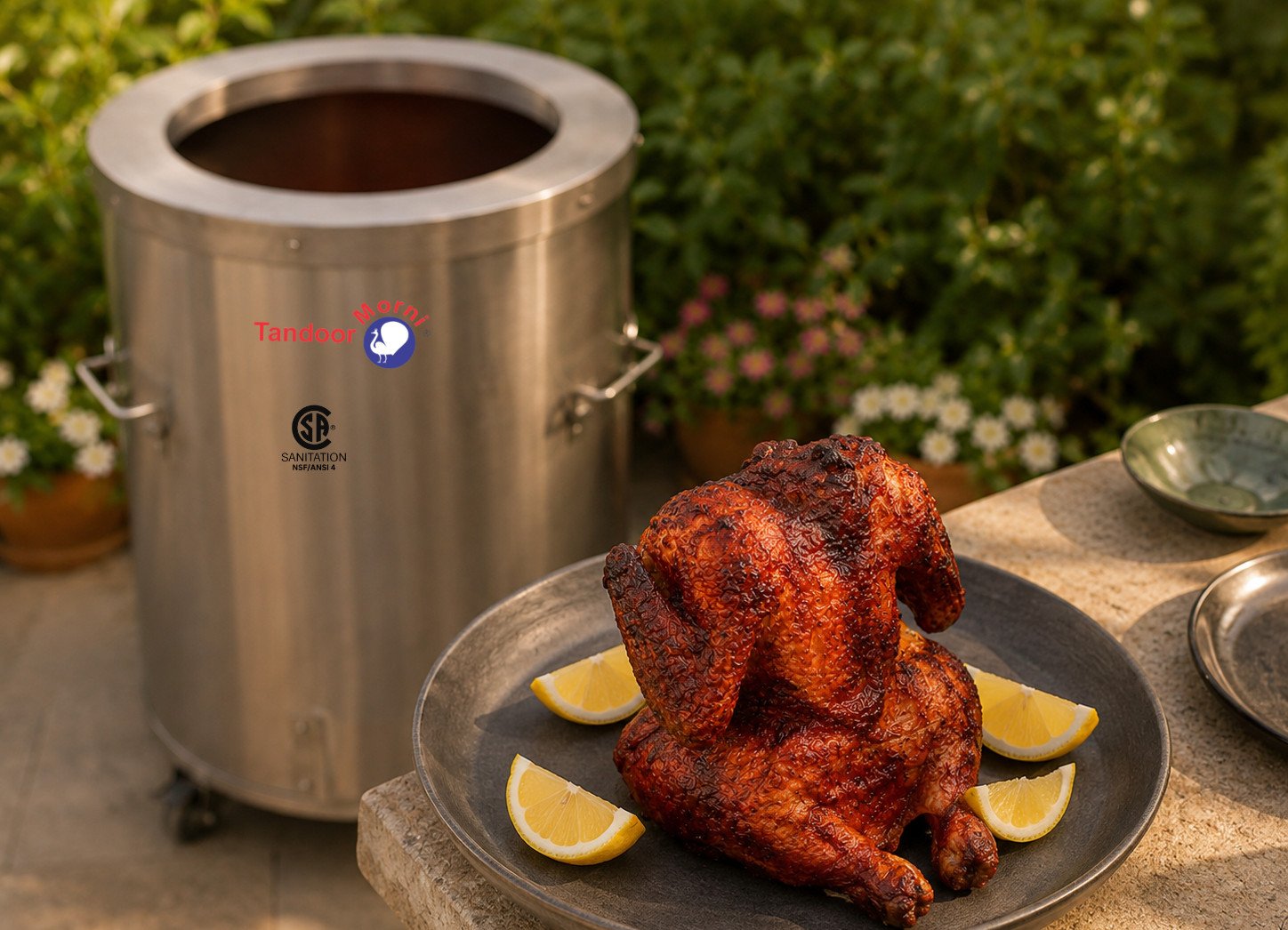
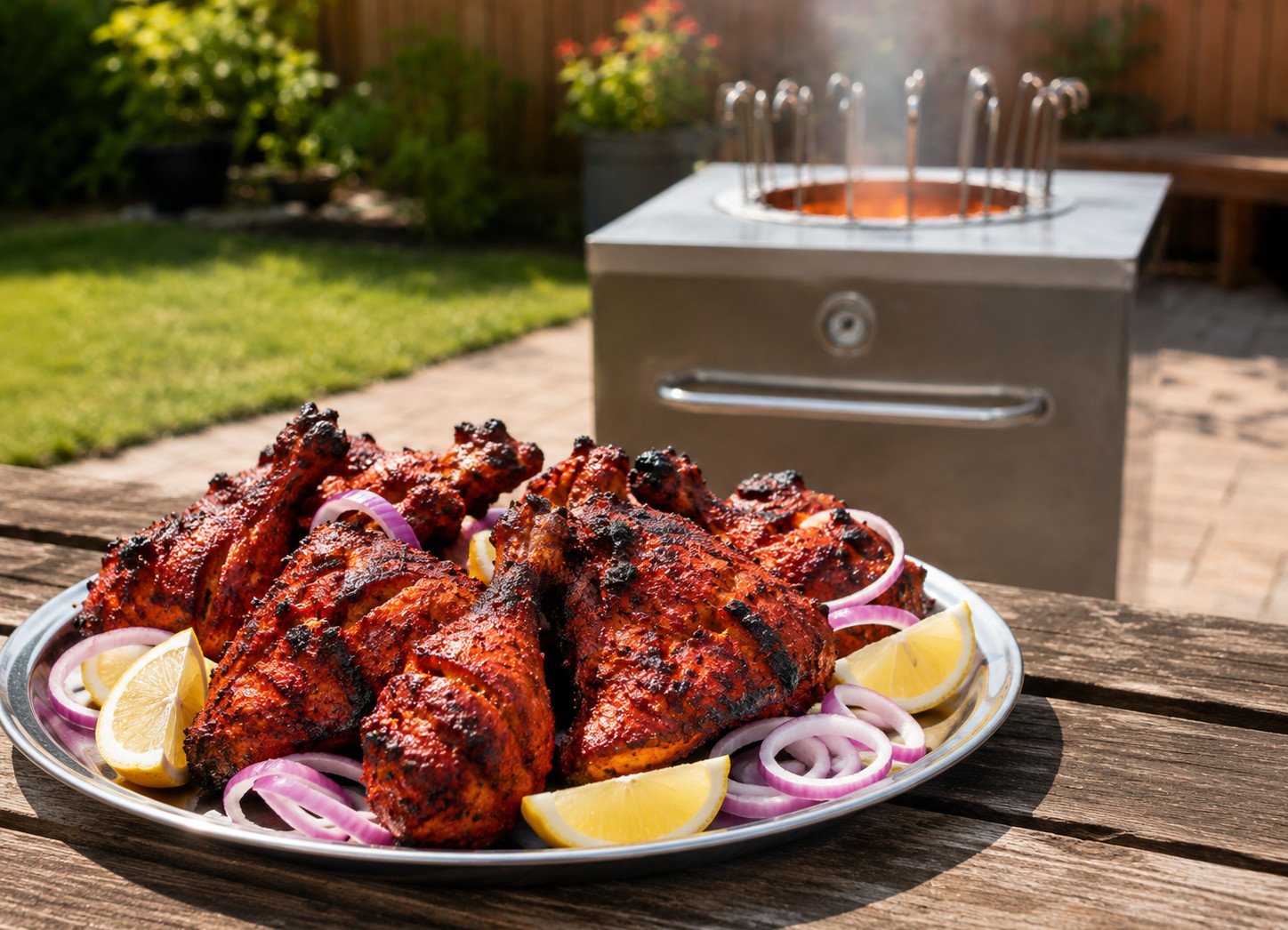
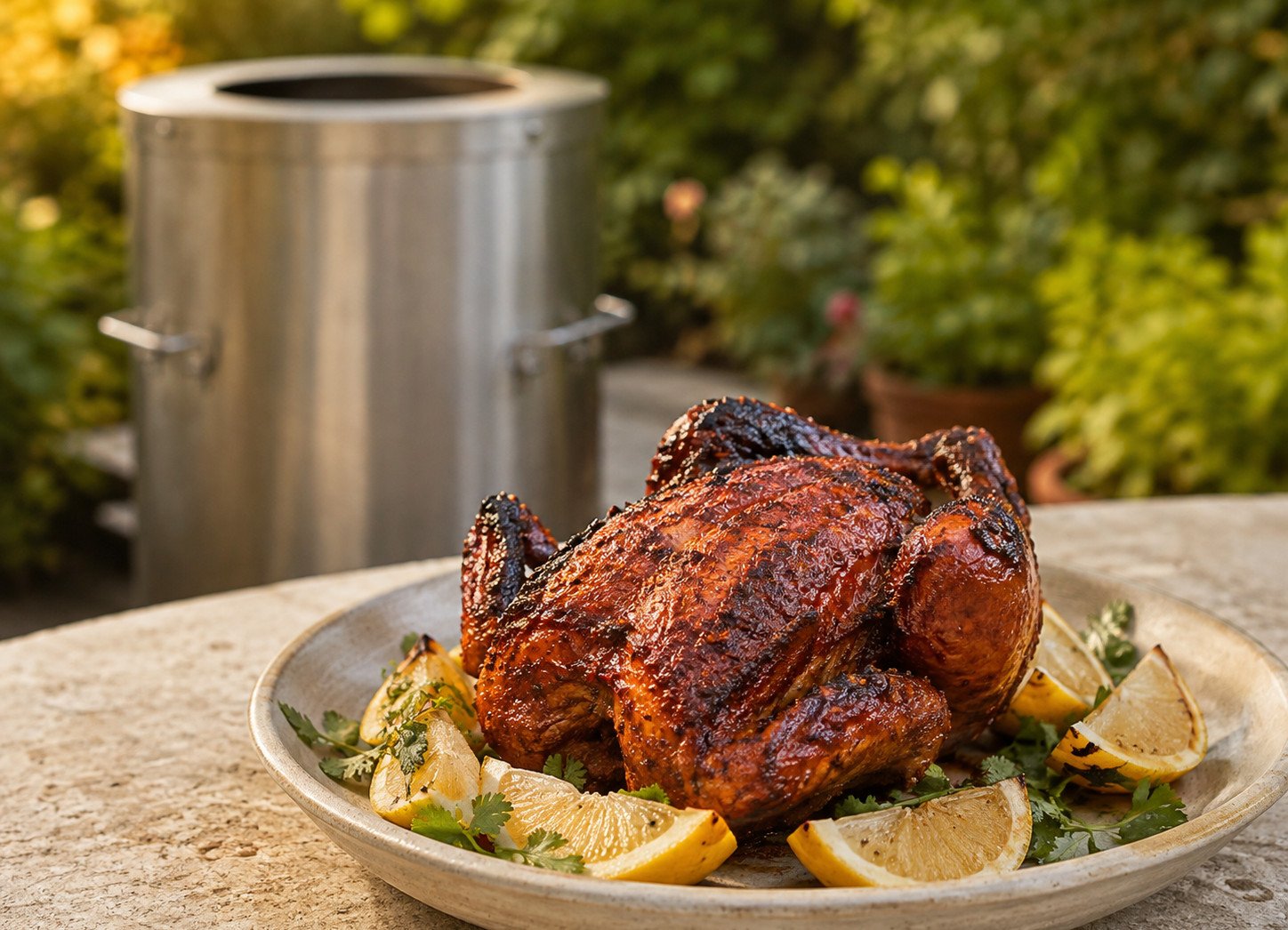
The Best Tandoori Chicken
The two-stage marinade and wall-charring technique every other recipe in this collection builds on. Start here if you're new to tandoor cooking.
See the Recipe →
Handheld Format
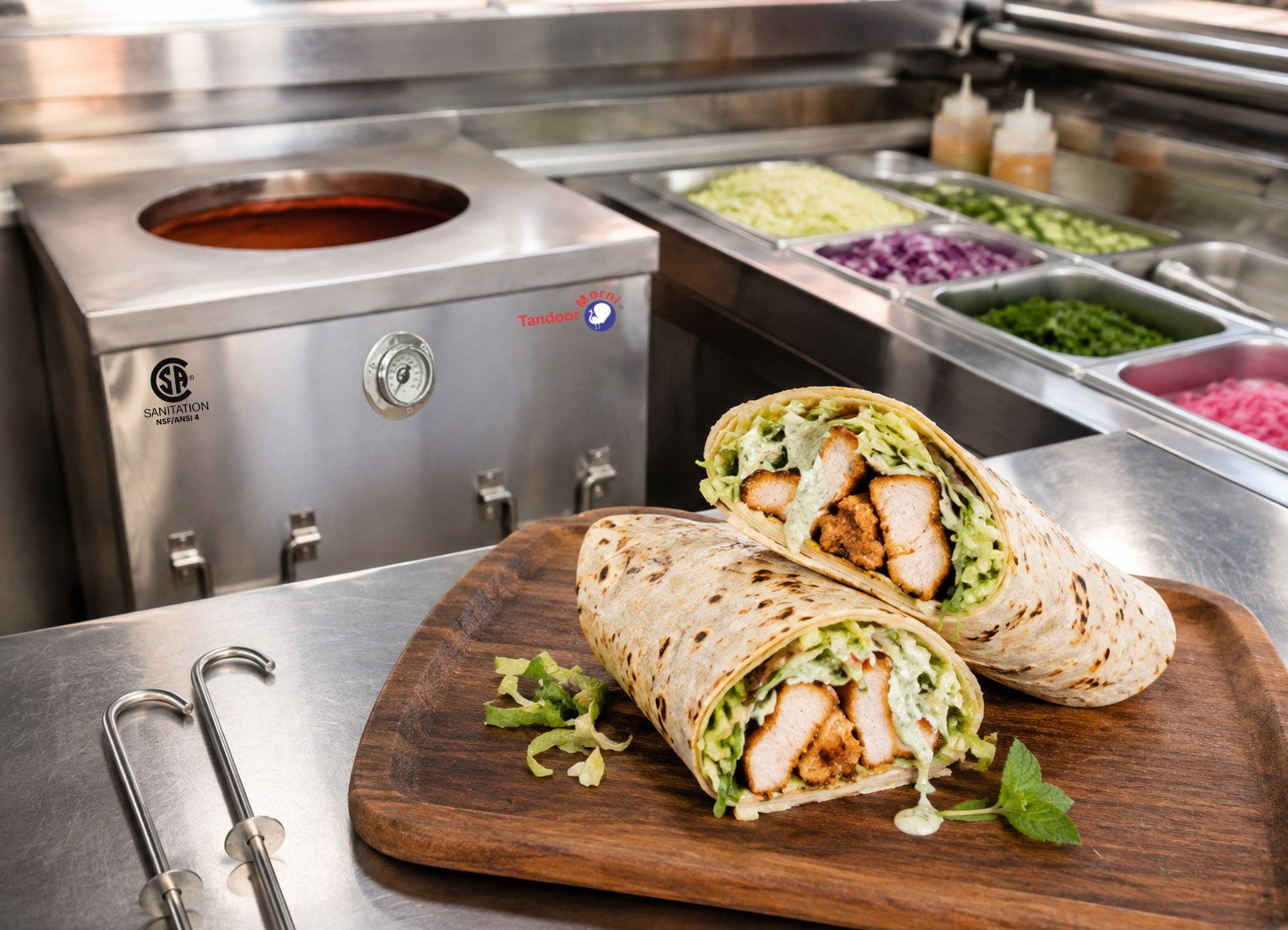
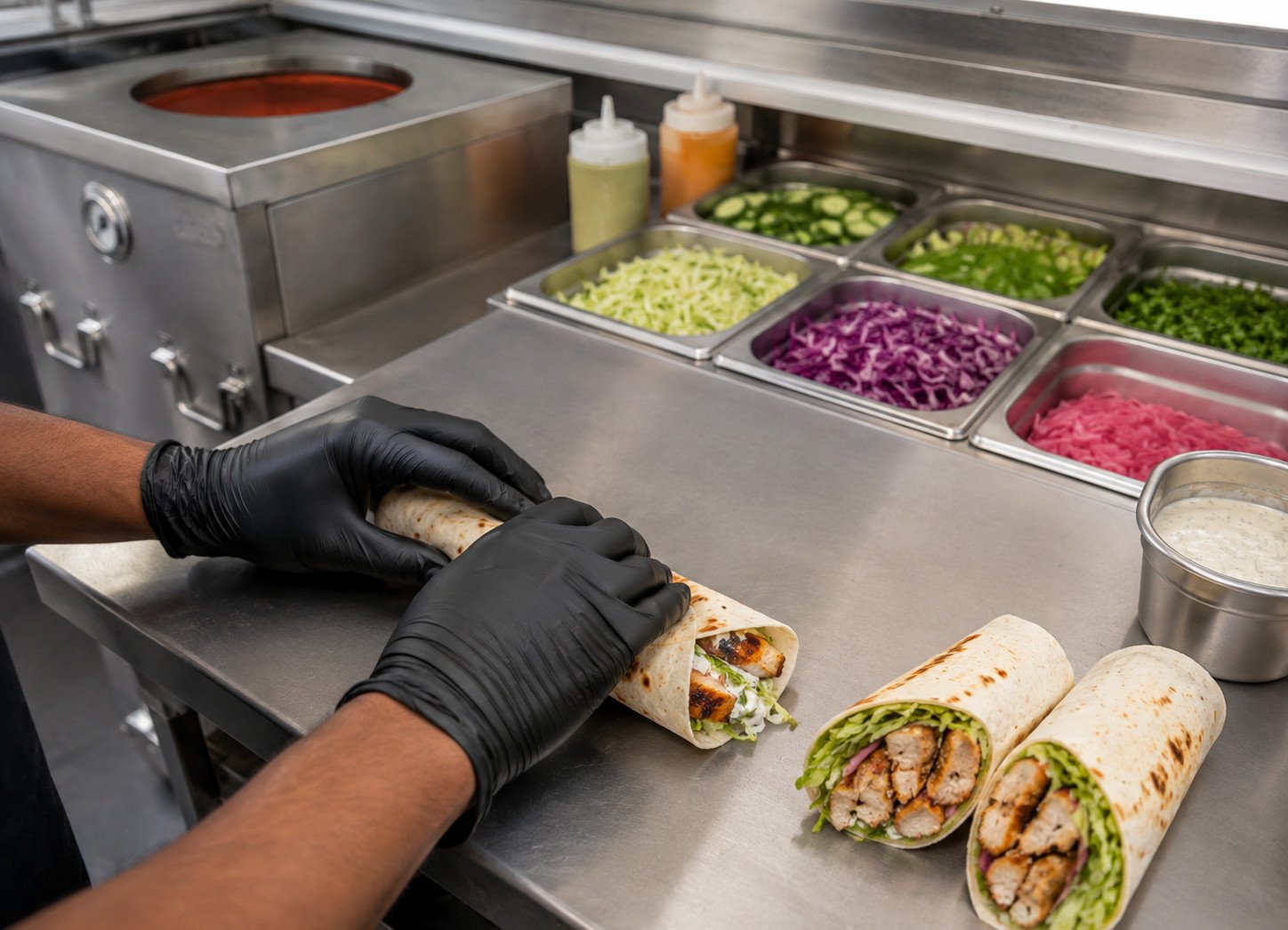
Chicken Naan Wraps
Wall-charred, spiced meat wrapped in fresh naan with a simple slaw — a genuinely handheld way to serve the same char this collection is built around.
See the Recipe →
Small-Format Char
Chicken Tikka, Skewered
Bite-sized cubes take on far more surface char per bite than a whole bird cut — the same yogurt-spice marinade, scaled down to maximize the charred edges people actually want.
Lamb and Beyond in These Non-Vegetarian Recipes
Lamb is the second pillar of this collection, built around the same marinade philosophy as the poultry recipes but adjusted for a fattier, more forgiving cut that can take slightly more direct heat without drying out.
Ground and Skewered
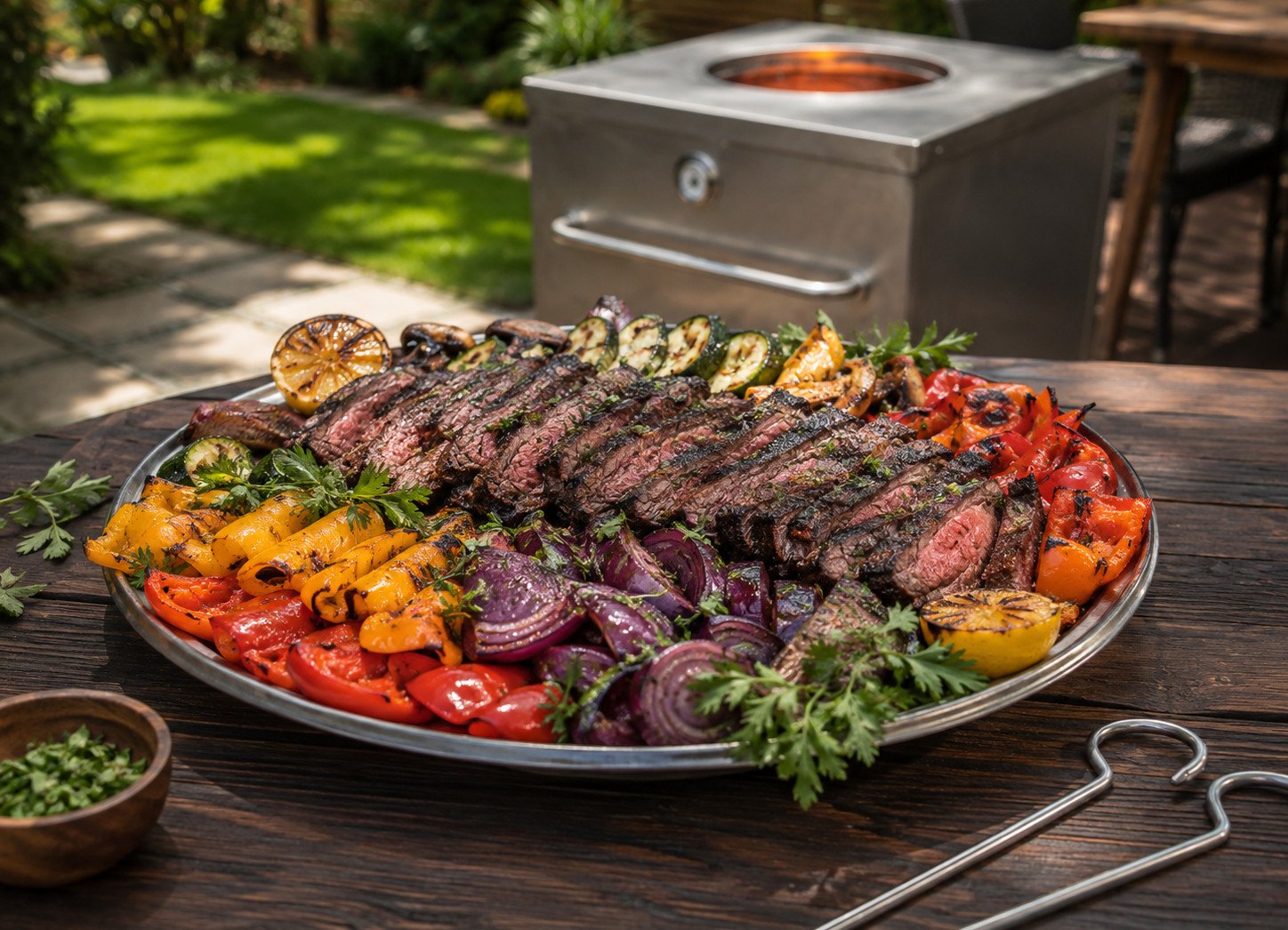
Lamb Seekh Kebabs
Spiced ground lamb, packed tightly around a skewer and charred over direct wall heat — one of the most requested lamb non-vegetarian recipes on this site, and a good second recipe once the basic wall-char technique feels comfortable.
Comparison Point
Lamb vs. Poultry Marinade Timing
Lamb generally tolerates a longer marinade than a leaner bird without the texture turning mushy, since its fat content buffers against over-tenderizing from the yogurt and acid in a typical tandoor marinade. That extra buffer is worth keeping in mind before you assume a lamb timing works equally well on a leaner cut.
Beyond Poultry and Lamb
Other Proteins in This Collection
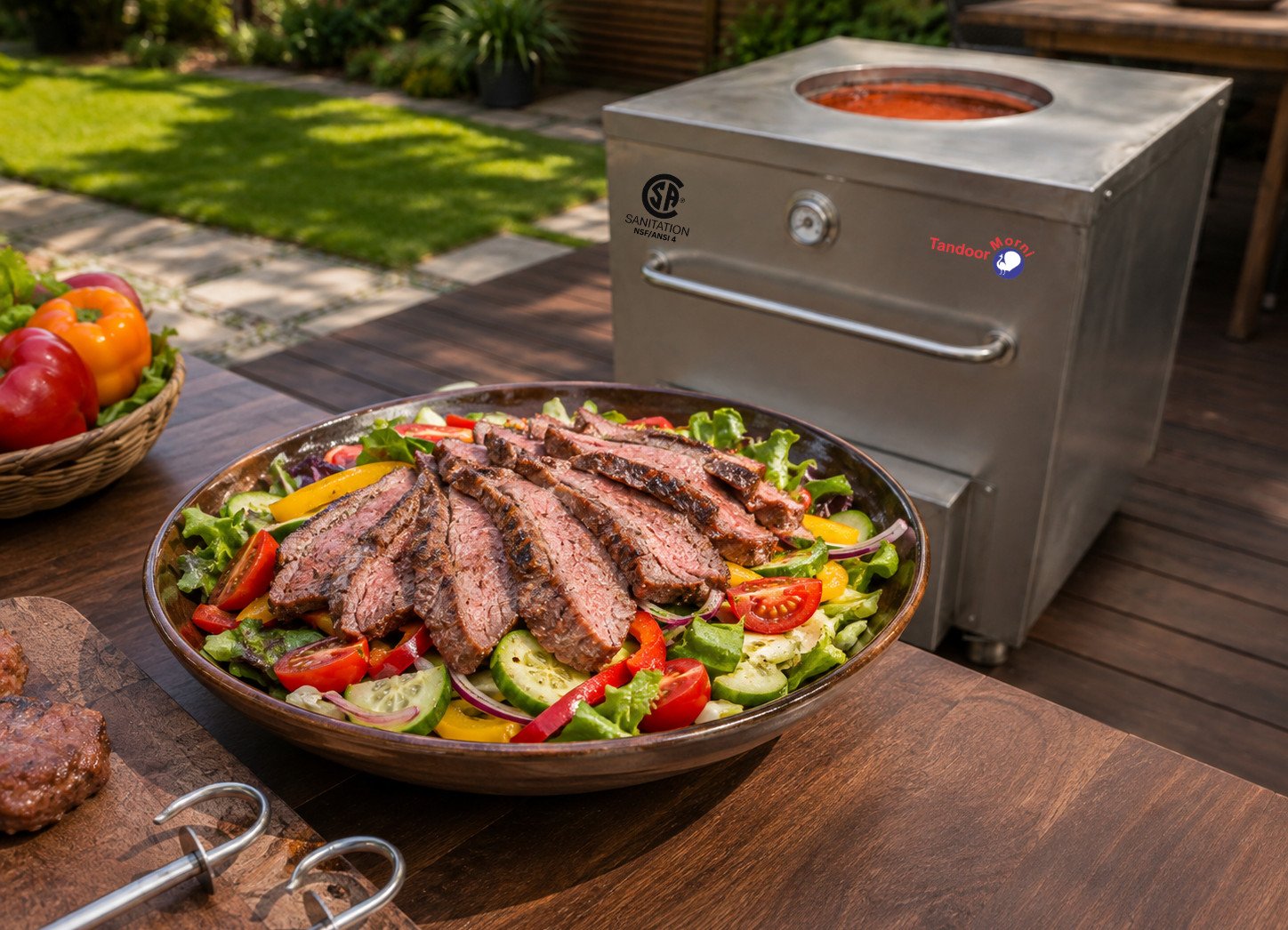
Beef and seafood both make appearances elsewhere in these non veg recipes, following the same core marinade-then-char logic, though each protein has its own specific timing adjustments worth knowing before you substitute freely. A fattier cut generally tolerates more marinade time and a slightly hotter wall than a lean one, regardless of which animal it comes from.
Tikka vs. Tikka Masala: Where the Line Actually Sits
These two get confused constantly, and it's worth being precise about the difference, since only one of them is a genuine tandoor recipe in the sense this site cares about.
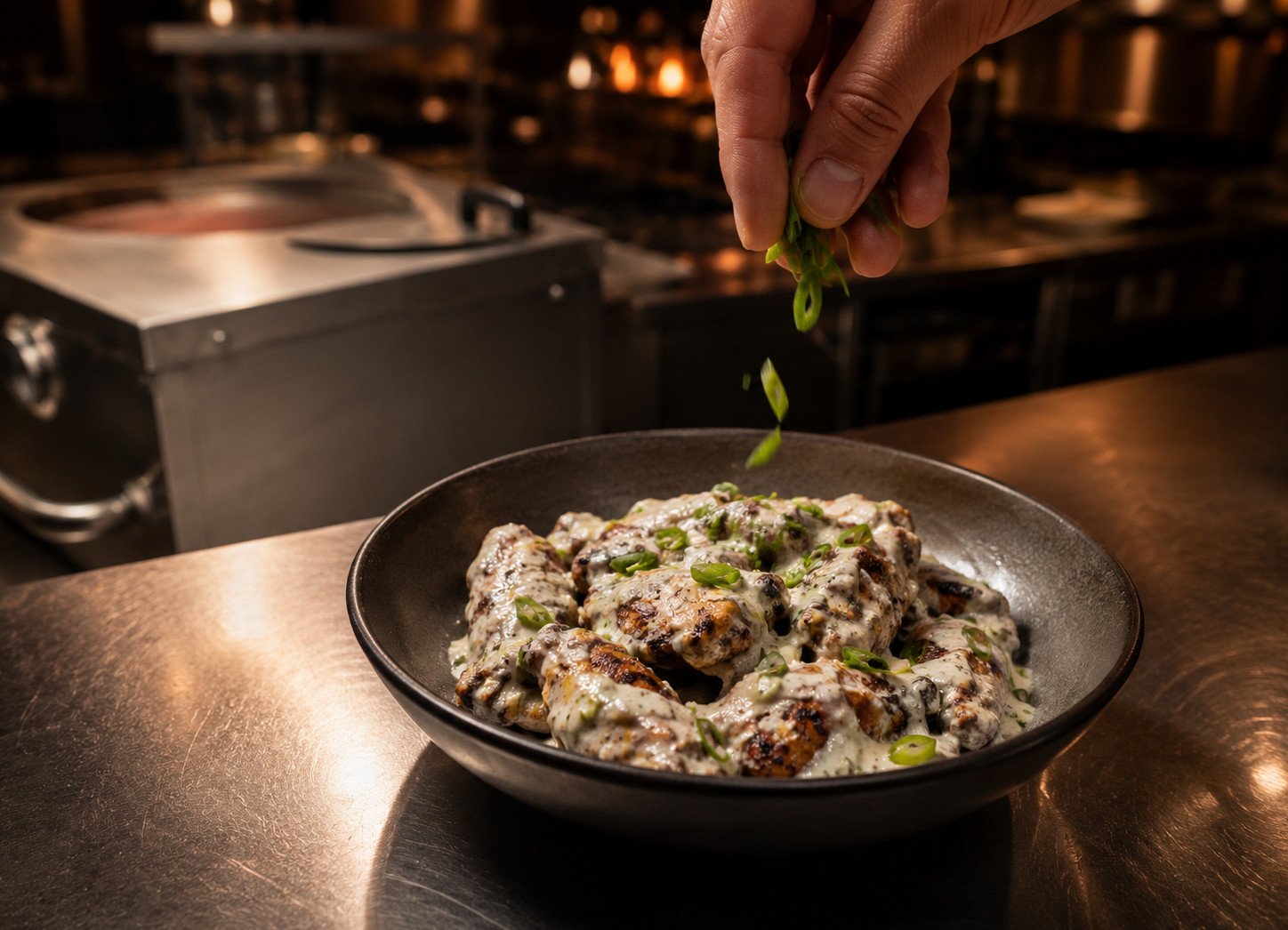
Tikka is the tandoor-cooked component itself — boneless meat, marinated in yogurt and spice, cut small, and charred on skewers over direct radiant heat. It's a complete dish on its own, eaten with naan or rice, or folded into something else. Chicken tikka masala food, by contrast, takes that same charred, skewered meat and simmers it in a separate tomato-cream sauce afterward, off the tandoor entirely, on a stovetop. The chicken tikka masala recipe is really two recipes stacked together: a genuine tandoor step, followed by a stovetop curry step that has nothing to do with the clay oven at all.
That distinction matters for anyone browsing these non-vegetarian recipes looking specifically for tandoor technique. A good chicken tikka masala recipe is only as good as the tikka underneath it — if that first stage isn't properly charred, no amount of sauce afterward fixes it. So while chicken tikka masala isn't itself a tandoor-only dish, understanding the tandoor step properly is the foundation it depends on, and that's exactly why this collection treats it as a standalone technique worth mastering on its own terms.
Chicken Tikka
Tandoor-Only |
Marinated, skewered, and wall-charred pieces — a complete dish on its own, and the technique every recipe in this collection leans on. |
Chicken Tikka Masala
Tandoor + Stovetop |
Tikka simmered afterward in a separate tomato-cream sauce, off the tandoor — a two-stage dish where only the first stage is genuine tandoor cooking. |
Tandoori Chicken (Whole/Bone-In)
Tandoor-Only |
The same marinade logic as above, applied to larger bone-in pieces rather than small boneless cubes — see our best tandoori chicken recipe for the full technique. |
Lamb Seekh Kebab
Tandoor-Only |
Ground, spiced lamb formed around a skewer — a different format from chicken tikka but the same wall-charring principle. |
Bone-In vs. Boneless: Choosing a Cut Across These Non-Vegetarian Recipes
Cut choice changes more about how these non-vegetarian recipes cook than most people expect, and it's worth thinking through before picking a recipe based on the photo alone.
Bone-in pieces — a whole tandoori leg or thigh, for instance — cook more slowly and more forgivingly than boneless cuts, since the bone conducts heat differently than muscle and buys a small margin of error against overcooking. That forgiveness is part of why the foundational tandoori recipe in this collection uses bone-in pieces: it's a more patient introduction to tandoor timing than small boneless cubes, which can go from perfectly charred to dry within a minute or two of extra wall time.
Boneless cuts, by contrast, cook faster and pick up proportionally more surface char relative to their size — more surface area means more of the marinade's spice actually chars onto the meat. Lamb seekh kebabs take this even further, using ground meat with no bone structure at all, packed densely enough around a skewer to hold its own shape through the cook. Across all of these non-vegetarian recipes, the general rule holds: bone-in for a more forgiving first attempt, boneless for faster cooking and more char per bite once the basic technique feels comfortable.
Browse All Non-Vegetarian Recipes
Beyond the chicken and lamb picks above, here's the fuller set of non-vegetarian recipes in this collection, all built on the same two-stage marinade and wall-char technique.
The Best Tandoori Chicken
The foundational recipe this entire category builds from — a two-stage marinade and a proper high-heat char.
See the Recipe →
Chicken Naan Wraps
Wall-charred tikka, wrapped in fresh naan with a simple slaw — a handheld, shareable way to serve the same core technique.
See the Recipe →
Chicken Tikka
Small, boneless cubes marinated and skewered for maximum charred surface area — the building block behind several other dishes on this site.
Lamb Seekh Kebabs
Ground, spiced lamb packed around a skewer and charred over direct heat — the lamb counterpart to this collection's chicken recipes.
Looking for something meat-free instead? Our full recipes hub covers vegetarian, seafood, and non-tandoori fusion dishes alongside these non-vegetarian recipes, so the whole site is browsable from one place regardless of what's in the fridge tonight. As this category grows, expect more poultry and lamb non-vegetarian recipes added in the same technique-first spirit as the ones already here.
Kitchen Basics Across These Non-Vegetarian Recipes
A handful of fundamentals repeat across nearly every one of these non-vegetarian recipes, whether the protein is chicken, lamb, or something else entirely.
The Marinade Is Two Stages, Not One
Nearly every recipe in this collection uses a first acid-and-aromatic marinade followed by a second yogurt-and-spice marinade, rather than combining everything into a single step — the two stages serve different purposes and skipping one weakens the result.
Wall Temperature Matters More Than Timing
A properly preheated wall does more for these non-vegetarian recipes than precise minute counts. Confirm temperature with a thermometer rather than estimating from how long the burner's been running.
Smaller Cuts Char Faster and More Evenly
Tikka-style small cubes pick up char on far more of their surface area than a whole bird or large bone-in piece — cut size is one of the biggest levers for how charred the final result reads.
Doneness Is Non-Negotiable
Every non veg recipe in this collection needs its own confirmed internal temperature — a dark, charred exterior can look done well before the inside actually is, especially on thicker bone-in cuts.
Lamb Forgives More Than Poultry Does
Lamb's higher fat content makes it more tolerant of a slightly longer marinade or a few extra minutes on the wall than a lean breast cut, which dries out faster if overcooked even briefly.
A Sauce Stage Is Separate From the Tandoor Stage
Dishes like tikka masala add a stovetop sauce after the tandoor work is done — treat the two stages as genuinely separate cooking problems rather than one continuous process.
Common Questions About Non-Vegetarian Recipes
What makes a recipe count as one of your non-vegetarian recipes specifically?
Any dish built around poultry, lamb, beef, or seafood rather than paneer, vegetables, or bread. Within this collection, most non-vegetarian recipes also share the same two-stage tandoor marinade technique.
Which non-vegetarian recipes should I start with as a beginner?
The best tandoori chicken recipe is the right starting point — it's the technique every other recipe in this collection, including tikka, builds from directly.
What's the actual difference between chicken tikka and chicken tikka masala?
Tikka is the tandoor-charred meat itself. Tikka masala takes that same charred meat and simmers it afterward in a separate tomato-cream sauce on the stovetop — two stages, only one of which is tandoor cooking.
Is chicken tikka masala food actually Indian, or something else?
Its exact origin is debated, with strong claims for both South Asian and British-Indian restaurant roots. Regardless of origin, the charred tikka component itself follows the same genuine tandoor technique as every other recipe in this collection.
Do these non veg recipes require a tandoor, or can I use a home oven?
They're built around genuine tandoor technique and taste best that way, but a broiler or a very hot cast-iron pan can approximate some of the char if a tandoor isn't available — see our non-tandoori fusion recipes category for dishes designed specifically around that constraint.
Why does lamb get a different marinade time than poultry in these non-vegetarian recipes?
Lamb's higher fat content buffers against the yogurt and acid over-tenderizing the meat, so it tolerates a longer marinade than a lean breast cut without turning mushy.
Can I make tikka without a tandoor and still call it that?
You can get close with a broiler or hot cast-iron pan, but the char and smokiness a clay wall produces are genuinely hard to replicate off a tandoor — most of these non-vegetarian recipes are written assuming the real thing.
Are lamb seekh kebabs harder to make than tikka?
Not harder, just different — forming ground lamb evenly around a skewer takes a bit of practice, but the marinade and wall-cooking steps are conceptually the same.
What's the most common mistake people make across these non-vegetarian recipes?
Skipping or rushing the second marinade stage. The yogurt-and-spice marinade needs real time to work — cutting it short is the single biggest reason a poultry or lamb dish comes out under-flavoured.
Do any of these non-vegetarian recipes overlap with the seafood category?
They follow the same two-stage marinade philosophy, but seafood needs much shorter marinade and cook times than poultry or lamb — see the separate seafood recipes category for those specifics rather than applying land-protein timing to fish or shrimp.
Can I turn any of these non-vegetarian recipes into a chicken tikka masala recipe myself?
Yes — cook the tikka portion exactly as written in any of our tandoor recipes, then finish it separately in a stovetop tomato-cream sauce. The tandoor step doesn't change; only what happens to it afterward does.
Will more non-vegetarian recipes be added to this collection over time?
Yes — this category grows alongside the rest of the site, and additional poultry, lamb, and other protein-based non-vegetarian recipes get added as they're tested and written up.
Should I choose bone-in or boneless cuts for these non-vegetarian recipes?
Bone-in is more forgiving for a first attempt and is what the foundational tandoori chicken recipe uses; boneless cuts like tikka cook faster and develop more surface char relative to their size once you're comfortable with timing.
Can lamb seekh kebabs be made with ground poultry instead, or is the technique lamb-specific?
The forming-around-a-skewer technique works with ground poultry too, though lamb's higher fat content keeps it juicier through the char than a leaner ground alternative, which can dry out faster on the wall.
Do I need different spices for the tandoor stage versus a full chicken tikka masala recipe?
The base marinade stays the same either way — garam masala, Kashmiri chilli powder, ginger-garlic, yogurt. The additional spicing for a chicken tikka masala recipe happens later, in the stovetop tomato-cream sauce, and is a separate seasoning decision from the tandoor marinade itself. This applies whether the underlying protein is poultry or lamb.
Looking for a specific dish among our non-vegetarian recipes? Browse the full recipe grid above, or call
+1 (727) 251-6924 if you'd rather talk through which tandoor oven suits the poultry, lamb, or other non-vegetarian recipes you actually plan to cook regularly — our team can walk through batch size, wall temperature, and which oven fits your kitchen before you commit to one.