




Product Overview
Tandoor Oven Clay Balls AS07 — Heat Distribution, Heat Retention & Gas Flame Management
What Are Tandoor Oven Clay Balls — Heat Distribution, Heat Retention & Flame Management?
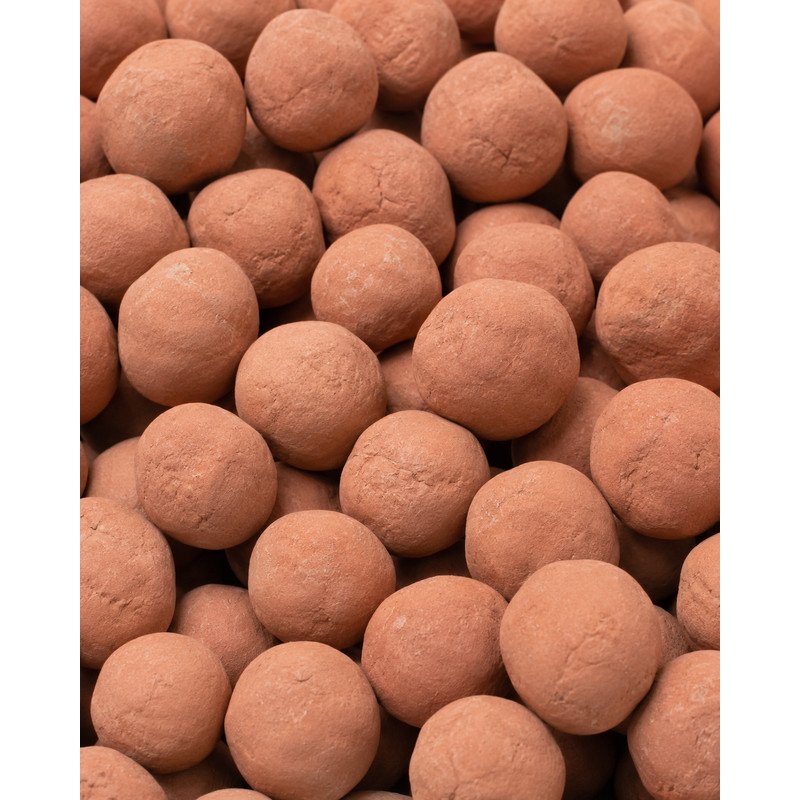
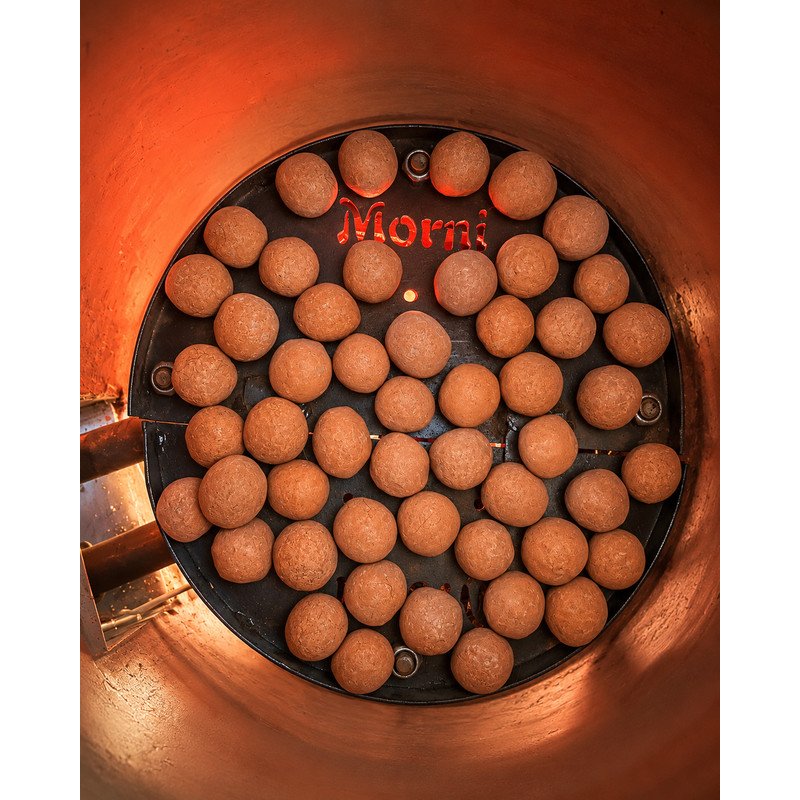
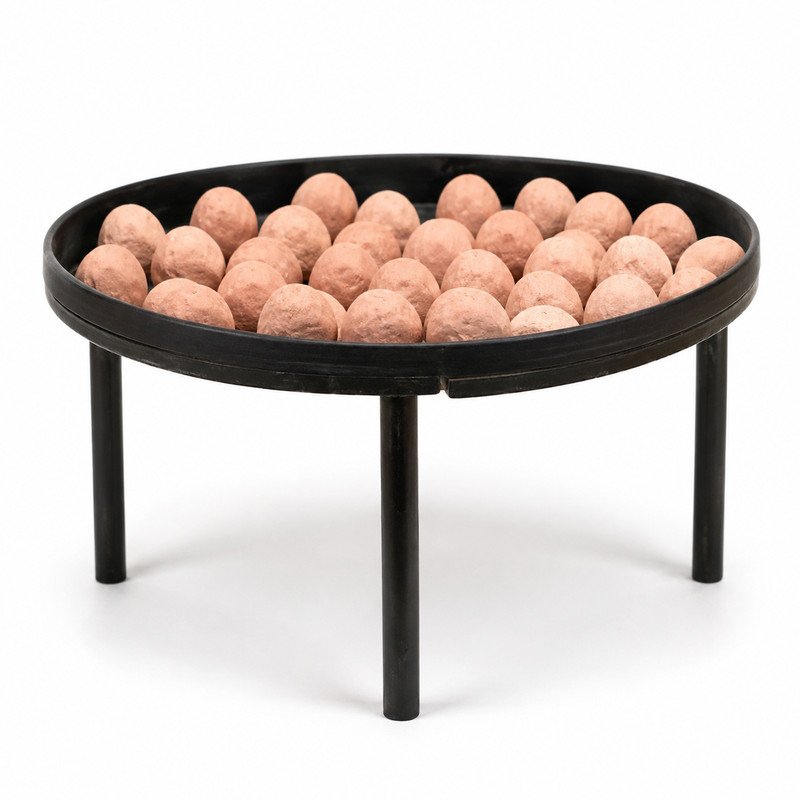
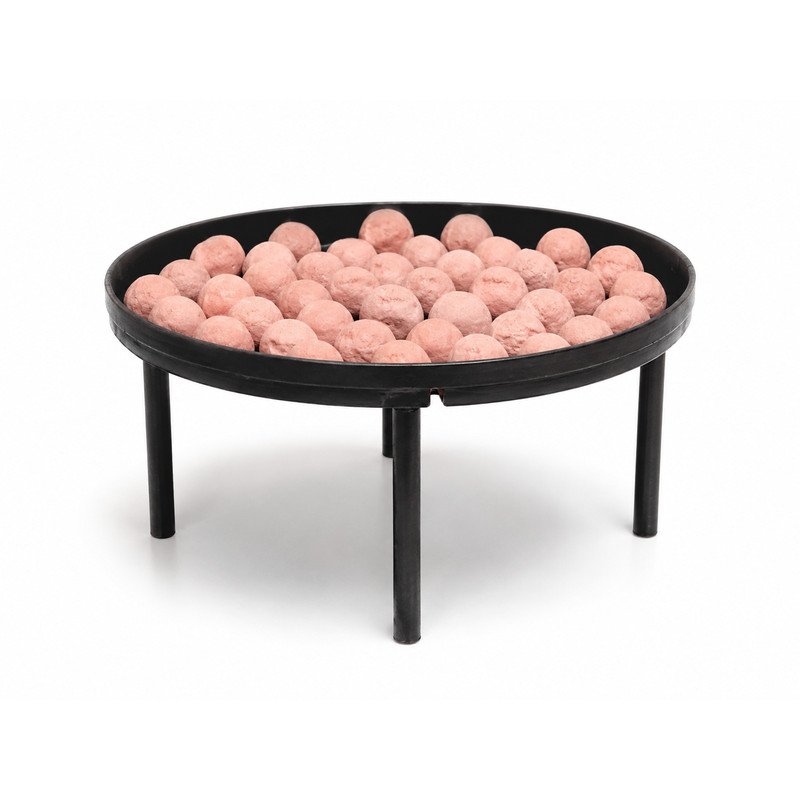
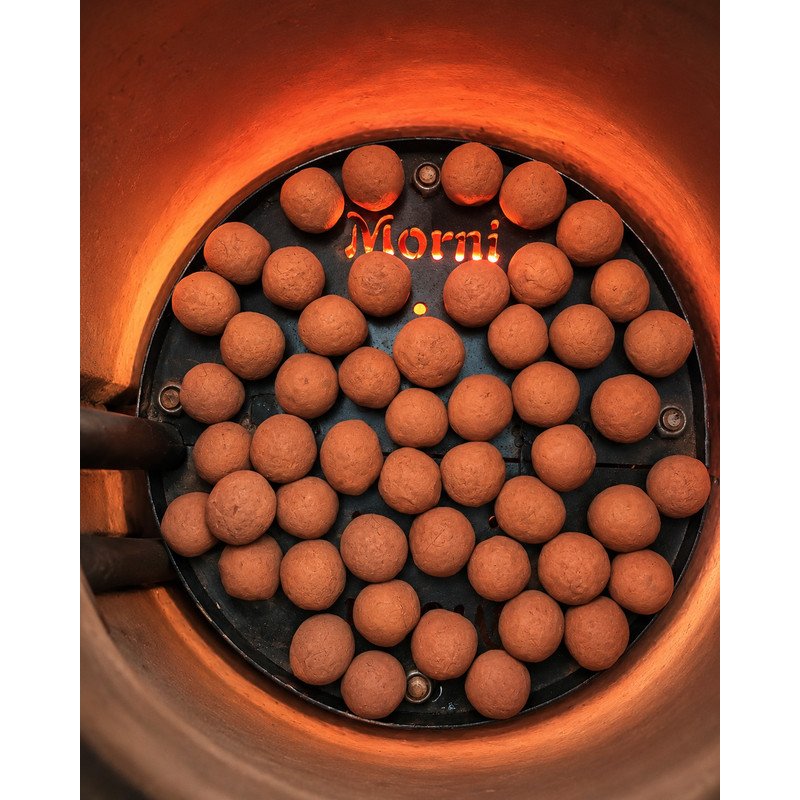
Tandoor oven clay balls AS07 are the most important tandoor oven accessory and oven accessory for any gas-fired clay tandoor. These fully reusable natural fired clay spheres provide both heat distribution and heat retention — the two thermal functions that determine even cooking results in a gas tandoor oven. They are small, solid spheres of fired natural clay — also called clay balls for gas oven use, clay oven balls, refractory clay balls, or heat distribution balls for gas tandoor use — used in gas tandoor ovens to improve heat distribution and manage gas flame management within the clay chamber. Manufactured by Tandoor Morni since 1992 — the original manufacturer of clay tandoor ovens and accessories in the USA — the Tandoor Oven Clay Balls AS07 pack contains 75 natural fired clay balls, each made from the same natural mineral-rich clay as the Tandoor Morni clay tandoor pot itself.
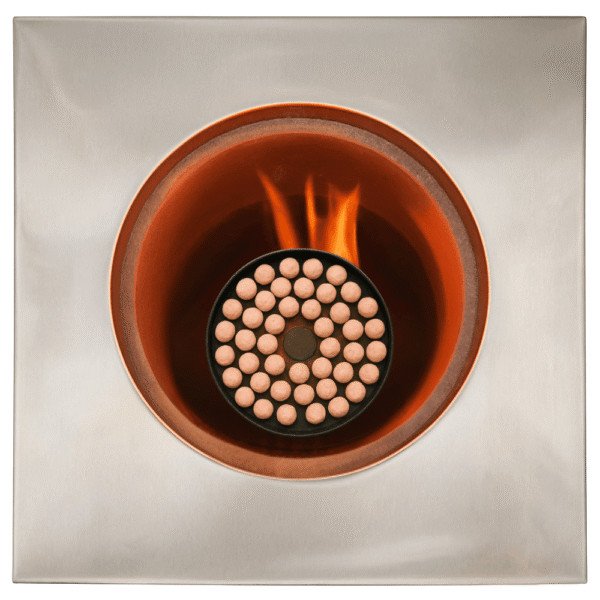
The tandoor oven clay balls are placed around or near the gas burner at the base of the tandoor oven, where they absorb heat from the gas flame, store it as heat retention mass, and re-radiate it as stored thermal energy. This heat retention function also moderates gas flame management — the clay balls absorb excess flame energy and release it gradually. This replicates, to a degree, the even heat distribution that natural lump charcoal provides in charcoal tandoor ovens. In a gas tandoor oven, the gas burner produces a concentrated flame that heats the clay chamber from a single point. Without a heat distribution medium, this creates uneven heat zones within the clay chamber — hotter near the flame, cooler further away — resulting in uneven cooking. Clay balls solve uneven heat distribution and deliver even cooking results across the full clay chamber. Tandoor clay balls address this by absorbing and storing heat across multiple points within the base of the oven, spreading thermal energy more evenly before it radiates into the cooking chamber. As a bonus, the natural clay material imparts a subtle clay flavor to food — a clay flavor note particularly noticeable in naan bread tandoor oven results — that metal heat distributors cannot replicate.
Clay Balls vs Charcoal — Understanding the Thermal Difference
Clay balls vs charcoal — and the role of tandoor heat balls — is the most important distinction for any new gas tandoor owner. Tandoor clay balls (sometimes called refractory clay balls or ceramic balls for tandoor) do not replicate charcoal or wood combustion. They do not produce smoke, aromatic compounds, or the live-fire flavor that charcoal and wood combustion generates. Their function is purely thermal — they distribute and store heat, not flavor. This clay balls vs charcoal distinction matters for buyers choosing between gas and charcoal firing. For authentic smoky tandoori flavor, a charcoal or wood-fired tandoor oven is the only option. The clay balls vs charcoal choice is simple: if you have a gas tandoor, you need clay balls. If you want smoky live-fire flavor, you need a charcoal model. Clay balls are a thermal management tool for gas tandoor ovens where charcoal is impractical — every restaurant, commercial kitchen, and indoor home kitchen running a gas tandoor benefits from them.
Food safety: The AS07 clay balls are manufactured from food-grade natural fired clay — the same mineral-rich clay composition used in Tandoor Morni clay tandoor pots. Non-toxic, free from synthetic binders and chemical additives. The clay balls sit at the base of the oven around the burner — they do not contact food directly. They are safe for use in any clay tandoor oven for any food type.
What Is Included in the A Series Accessories Kit?
One pack of tandoor oven clay balls AS07 (75 balls, SKU 22712) is included in the free accessories kit that ships with all Tandoor Morni A Series copper tandoor ovens — the Propane Gas Tandoor Oven A02 32×32 inches, Stainless Steel Tandoor Oven A04 34×34 inches, and Large Indoor Tandoor Oven A06 36×36 inches. They are also compatible with and available separately for owners of gas-fired commercial clay series models — Restaurant Tandoor Oven CH02 32×32 inches, Natural Gas Tandoor Oven CH04 34×34 inches, Middle Eastern Tandoor Oven CH06 36×36 inches, Indian Tandoor Oven T02 32×32 inches, CSA ETL NSF Tandoor Oven T04 34×34 inches, and Punjabi Tandoor Oven T06 36×36 inches.
Key Features
Why Choose the Tandoor Morni Tandoor Oven Clay Balls AS07?
Even Heat Distribution & Heat Retention
Tandoor clay balls absorb heat from the gas flame and store it as heat retention mass — this dual function of heat distribution and heat retention reduces hot spots, eliminates uneven heat zones, and delivers even cooking results. Naan, kebabs, and meats cook more evenly with every session.
Natural Fired Clay — Same Material as the Tandoor Pot
Made from the same natural mineral-rich clay used in Tandoor Morni clay pots — absorbs and radiates heat consistently without off-gassing or chemical release at cooking temperatures. Food-grade and inert under all gas tandoor operating conditions. No synthetic coatings, no binders.
Fuel Conservation & Fuel Efficient Operation
By storing and re-radiating heat from the gas flame, tandoor clay balls deliver meaningful fuel conservation for any gas tandoor oven. Less energy escapes as unproductive convection — the clay holds it and releases it steadily. This fuel conservation benefit is particularly significant in restaurant and commercial kitchen environments where the tandoor runs for hours daily.
Gas Tandoor Essential — All Gas-Fired Models
Included in the accessories kit with all A Series copper gas tandoor ovens. Compatible with all Tandoor Morni gas-fired commercial clay series models. Any gas tandoor operating without reusable clay balls is producing uneven heat from a single point source. They are the most cost-effective upgrade available for any commercial gas tandoor oven.
Reusable & Long Service Life — 75 Balls Per Pack
Tandoor clay balls are fully reusable and cost-effective — they do not degrade with heat under normal tandoor operation. Each ball is reusable indefinitely until it physically fractures. A pack of 75 balls will typically last years of daily commercial use or decades of home use. The only replacement trigger is physical fracturing of individual balls.
Adds Authentic Clay Flavor — Naan, Tandoori Chicken & Kebabs
The natural clay material contributes a subtle, earthy clay flavor to food — producing an authentic tandoori flavor character that particularly enhances naan bread pressed directly onto the clay wall. This is not the smoky charcoal flavor of a live-fire tandoor, but it does add a mild authenticity to gas-fired tandoor cooking that bare metal heat distribution elements cannot provide.
Usage Guide
How to Use Tandoor Oven Clay Balls AS07 — Placement, Quantity & Maintenance
How Many Clay Balls to Use
A full pack of 75 reusable tandoor clay balls (AS07, SKU 22712) is the correct quantity for all Tandoor Morni gas-fired tandoor oven models. For the compact A02 32×32 inches, 50 of the reusable balls provides full coverage of the burner base. For the larger A04 34×34 inches, A06 36×36 inches, and all commercial gas models (CH02 through T06), use the full 75-ball pack. The clay balls should be arranged in a single layer around the burner — do not pile or stack them. A single layer maximises both heat absorption surface and airflow to the gas flame.
Where to Place Tandoor Clay Balls
Place the tandoor clay balls directly on the clay floor of the oven base, forming a ring or bed around the gas burner. Do not cover the burner orifice or the gas outlet — air and gas must flow freely to the flame. The balls sit on the perimeter of the burner, not on top of it — this placement is the key to effective heat management. In an A Series copper oven, the clay floor of the base is the correct placement surface. In commercial clay series models (CH02–T06), place the balls on the clay floor around the burner unit in the same manner.
Heating and Cooking with Clay Balls
Light the gas burner as normal once the clay balls are in position. Allow 15 to 20 minutes warm-up time — slightly longer than without clay balls, as the balls must reach their heat retention threshold before they begin re-radiating. This heat retention warm-up period is the key to effective gas flame management: the clay balls absorb and regulate the direct flame energy before it reaches the clay chamber walls, distributing it as radiant thermal energy rather than convective heat. Once at cooking temperature, the clay balls continue radiating stored heat into the chamber for several minutes even if the flame is reduced. The result is even cooking conditions throughout the clay chamber — no hot spots at the base, no cold zones at the top.
Cleaning and Maintenance
Tandoor clay balls require no active cleaning. Ash and residue from the gas flame bake into the clay surface over time. If balls accumulate heavy ash, allow the clay chamber and oven to cool completely, remove the balls from the clay chamber floor, and brush off loose ash with a dry brush only. Do not wash clay balls with water — moisture absorbed into fired clay can cause fracturing when the balls are next heated rapidly. Inspect the balls periodically for physical fractures. Broken tandoor clay balls that have split into fragments should be removed immediately — fragments can obstruct the gas burner orifice and reduce heat retention.
Specifications
Technical Specifications — Tandoor Oven Clay Balls AS07
| Model | AS07 — Tandoor Oven Clay Balls |
|---|---|
| Product Code | 22712 |
| Colour | Skin Tone |
| Quantity | 75 Balls per pack |
| Condition | New |
| Use | Heat distribution and heat retention in gas tandoor ovens — flame management, hot spot reduction, and fuel conservation |
| Material | Natural fired clay — same mineral-rich composition as Tandoor Morni clay tandoor pots |
| Food Safety | Food-grade natural fired clay — non-toxic, no synthetic binders, inert at all tandoor operating temperatures. Contributes a subtle natural clay flavor to food. |
| Primary Compatibility | All Tandoor Morni gas-fired tandoor ovens — A Series copper models and commercial gas clay series |
| Compatible Models | Propane Gas Tandoor Oven A02 32×32 inches · Stainless Steel Tandoor Oven A04 34×34 inches · Large Indoor Tandoor Oven A06 36×36 inches · Restaurant Tandoor Oven CH02 32×32 inches · Natural Gas Tandoor Oven CH04 34×34 inches · Middle Eastern Tandoor Oven CH06 36×36 inches · Indian Tandoor Oven T02 32×32 inches · CSA ETL NSF Tandoor Oven T04 34×34 inches · Punjabi Tandoor Oven T06 36×36 inches |
| Not Compatible With | Charcoal-only clay tandoor models (R26, R28, R32, CS02, CS03) |
| Included In | A Series copper tandoor oven accessories kit — A02, A04, A06 |
| Ball Size | Approximately 2 inches (5 cm) in diameter — compatible with all Tandoor Morni clay chamber base dimensions |
| Reusable | Yes — fully reusable. Replace only individual balls that fracture. No consumption, no degradation from heat. |
| Available Separately | Yes — SKU 22712 · $75 + Free shipping · Pack of 75 balls |
| Also Known As | Tandoor clay balls · gas tandoor heat balls · tandoor heat distribution balls · clay balls for tandoor oven · tandoor heat retention balls · refractory clay balls · clay oven balls · heat distribution balls · ceramic balls for tandoor · tandoor ball · gas tandoor accessories |
| Shipping | Ships to all 48 contiguous US states — rates calculated at checkout |
Where It’s Used
Use Cases — Tandoor Oven Clay Balls AS07
The tandoor oven clay balls AS07 are relevant for any gas-fired clay tandoor oven in the Tandoor Morni range. Here are the three primary use contexts.
Best Results With Clay Balls
How Clay Balls Improve Naan Bread, Tandoori Chicken & Kebab Results
Gas tandoor clay balls — fully reusable, long-lasting, and effective — provide the heat management foundation for every dish cooked in a gas tandoor oven. Here is how clay balls improve results across the three most common tandoor dishes.
Complete Guide
Tandoor Clay Balls — Complete Guide to Heat Retention, Flame Management & Gas Tandoor Accessories
Heat Retention vs Heat Distribution — Two Functions of Tandoor Clay Balls
Tandoor oven clay balls serve two distinct thermal functions: heat distribution and heat retention. Heat distribution refers to the spread of flame energy across multiple points in the clay chamber base — the clay balls absorb heat from the gas flame at the point of contact and re-radiate it sideways and upward, converting a single hot spot into a distributed heat field. Heat retention refers to the thermal mass effect — the clay balls store absorbed heat and continue radiating it even as the gas flame fluctuates. This heat retention function is why gas tandoors with clay balls maintain more stable cooking temperatures than those without: the clay ball heat retention mass buffers temperature drops when oven doors open, when cold skewers are loaded, and when gas pressure varies.
Tandoor Flame Management with Clay Balls
A raw gas burner in a clay tandoor produces a visible, directional flame that heats the clay chamber base unevenly. Gas tandoor hot spots develop directly above and around the burner orifice. Tandoor clay balls placed around the burner intercept the direct flame, absorb its energy, and re-radiate it as diffuse radiant heat — effectively managing the gas flame’s impact on the clay chamber. This flame management function reduces temperature differential between the base hot spot and the upper clay chamber from as much as 150 Degree F to under 50 Degree F in a well-loaded clay ball bed. Gas tandoor hot spots are the leading cause of uneven naan browning and inconsistent kebab cooking — and clay balls are the simplest fix.
Fuel Conservation and Fuel Efficient Operation
The heat retention mass of 75 tandoor clay balls delivers a meaningful fuel efficient and fuel conservation effect. Because the clay balls store thermal energy and release it gradually, the gas burner does not need to run continuously at full pressure to maintain cooking temperature. Fuel efficient, fuel conservation-focused tandoor operation with clay balls typically reduces gas consumption by 10 to 20 percent compared to a clay ball-free gas tandoor — a significant saving in commercial kitchen environments where a clay tandoor may run for 8 to 12 hours daily. The fuel conservation effect makes the Tandoor Oven Clay Balls AS07 a cost-justified investment on fuel savings alone, quite apart from the cooking quality improvements.
Naan Bread Tandoor Oven Results — Why Clay Balls Matter
Naan bread tandoor oven baking is the most visually obvious beneficiary of clay ball heat retention and even cooking conditions. Without clay balls, the base of the clay wall (nearest the burner hot spot) browns naan faster than the mid and upper wall zones. With clay balls installed, the even cooking conditions across the full clay chamber wall height mean naan bread browns consistently wherever it is placed. How to cook naan in a tandoor oven with clay balls: pre-heat for 20 minutes with the full ball pack in place, then press naan dough onto the clay wall as normal. The heat retention of the clay balls sustains wall temperature between each naan placement. Results: consistent browning, soft interior, no scorching near the base.
Refractory Clay Balls, Ceramic Balls for Tandoor & Clay Oven Balls — What Is the Right Product?
Commercial buyers searching for refractory clay balls, ceramic balls for tandoor, clay oven balls, or heat distribution balls are looking for the same product category. The AS07 tandoor clay balls are natural fired clay — the same material as the tandoor pot itself — rather than engineered refractory ceramics. Natural clay oven balls expand and contract at the same rate as the clay tandoor chamber, whereas industrial refractory ceramic balls have a different coefficient of thermal expansion and may stress the clay pot walls over time. Natural clay also contributes a clay flavor to food that engineered ceramic spheres do not. On the clay balls vs lava rocks question: lava rocks shed porous fragments in enclosed clay chambers and are not suitable for tandoor use.
Replace Tandoor Clay Balls — When and How
Replace tandoor clay balls when individual balls fracture. A tandoor clay ball replacement pack of 75 (SKU 22712) is the correct replacement quantity. The full replacement process: allow the oven to cool completely, remove all broken clay balls and fragments, inspect remaining whole balls, then refill to a complete single-layer coverage around the burner with the replacement pack. Fragments must be removed promptly — they can obstruct the burner orifice. Dry-brush cleaning only as part of routine gas tandoor maintenance. Commercial tandoor clay balls in daily restaurant use typically need replacement of a few individual balls every 6 to 12 months, not the entire pack.
Gas Tandoor Accessories — What Else You Need
Gas tandoor accessories for complete operation include: clay balls AS07 — also called tandoor heat balls or gas tandoor heat balls — (heat retention and distribution), tandoor skewers AS04 (meat and vegetable cooking), naan gaddi AS09 (naan placement cushion), tandoor gas hose AS01 (propane connection), clay pot repair clay AS08 (clay wall crack repair), and tandoor oven curing paste AS05 (essential clay pot seasoning for new oven first use). Together these form a complete gas tandoor accessories set for any new A Series oven owner. Looking for tandoor clay balls near me? Visit our showrooms in Edison NJ, Manteca CA, Houston TX, Chicago IL, Tampa FL, Washington DC, Algona WA, or Boulder CO.
Customer Reviews
What Our Customers Say
Verified reviews from Google Business — real customers, real experiences.
|
“Clay quality is strong and durable.”
SShivdeepNov 6, 2025 — Verified Buyer
|
“Gives nice smoky flavor to food.”
AAmber sranNov 6, 2025 — Verified Buyer
|
“Using these clay balls made a clear difference in cooking time and taste.”
VVeena gillNov 6, 2025 — Verified Buyer
|
||
|
“Very useful and long lasting product.”
AAaron koenigsbergNov 6, 2025 — Verified Buyer
|
“I used these in my home tandoor and they hold heat really well.”
RRomalNov 7, 2025 — Verified Buyer
|
“The balls are very strong and don’t crack under heat.”
SSurinderNov 7, 2025 — Verified Buyer
|
||
FAQ
Frequently Asked Questions — Tandoor Oven Clay Balls AS07
Do clay balls create smoke or flavor like charcoal?
Which Tandoor Morni models use clay balls?
How many clay balls do I need for my tandoor oven?
Are the clay balls included in the standard accessories kit?
How long do tandoor clay balls last — and when should I replace them?
Can I use clay balls in a charcoal tandoor oven?
How do I clean tandoor clay balls?
Do clay balls affect the taste of food cooked in a gas tandoor?
Can I use clay balls in a commercial gas tandoor oven?
Do I need clay balls in my gas tandoor oven — and will they fix uneven heat?
What are clay balls used for in a tandoor — and are they the same as ceramic balls?
What size are tandoor clay balls — and what size fits my oven?
Clay balls vs lava rocks for a gas tandoor — which is better?
How do I fix gas tandoor hot spots and uneven cooking?
Order & Enquiries
Order Tandoor Oven Clay Balls AS07
Looking for tandoor clay balls near me for immediate collection? Visit one of our 8 US showrooms. To order online: tandoor clay ball replacement packs ship as SKU 22712, $75 + Free shipping, 75 balls. Included free with every A Series copper tandoor oven purchase. Available separately for all gas tandoor models.
Contact our tandoor specialists to order, ask about compatibility, or visit one of our 8 US showrooms — Edison NJ, Manteca CA, Houston TX, Chicago IL, Tampa FL, Washington DC, Algona WA, Boulder CO.
Mon–Fri 9am–6pm ET · All 48 US states · 8 US showrooms
Other Accessories
All 17 Tandoor Morni Accessories
All 17 Tandoor Morni accessories are compatible with the All the Tandoor Morni Tandoor Ovens. Browse all accessories below or call +1 (727) 251-6924 for spare parts, replacement components, and additional skewer sets.
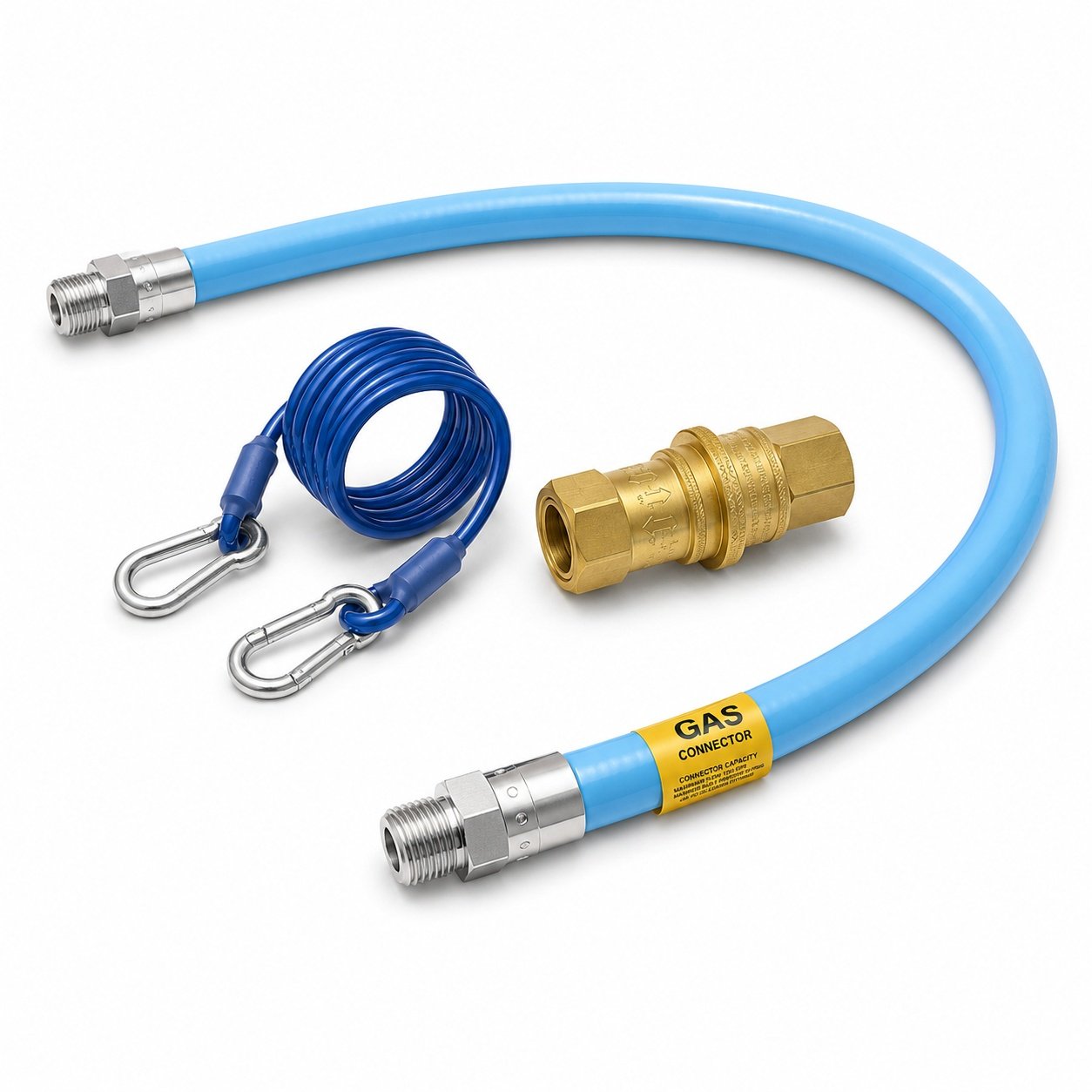
Tandoor Flexible Gas Hose & Commercial Gas Connector Kit AS01
CSA-certified flexible gas hose kit for propane and natural gas connections.
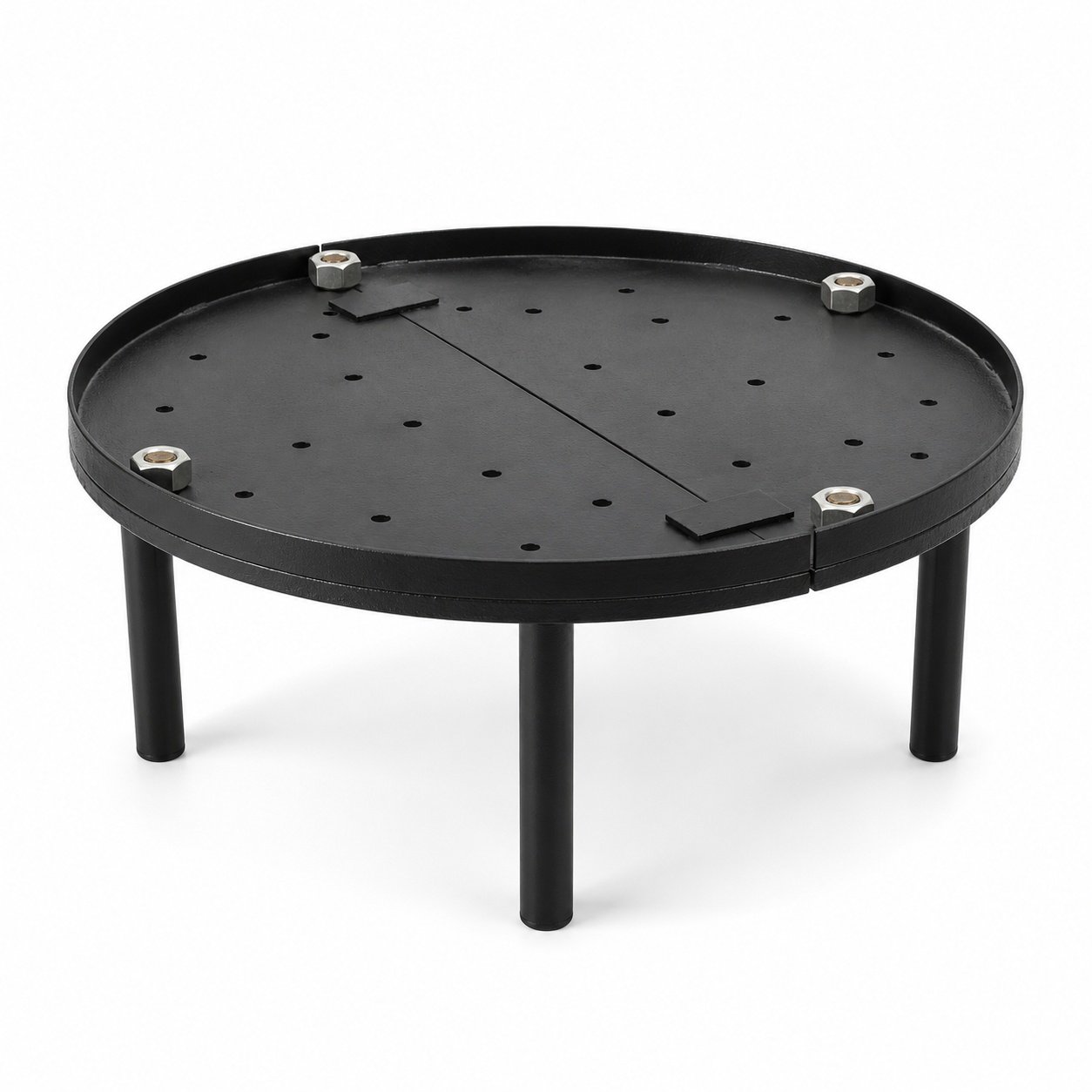
Tandoor Baffle Plate AS02
Stainless steel baffle plate for improved heat distribution in the clay pot.
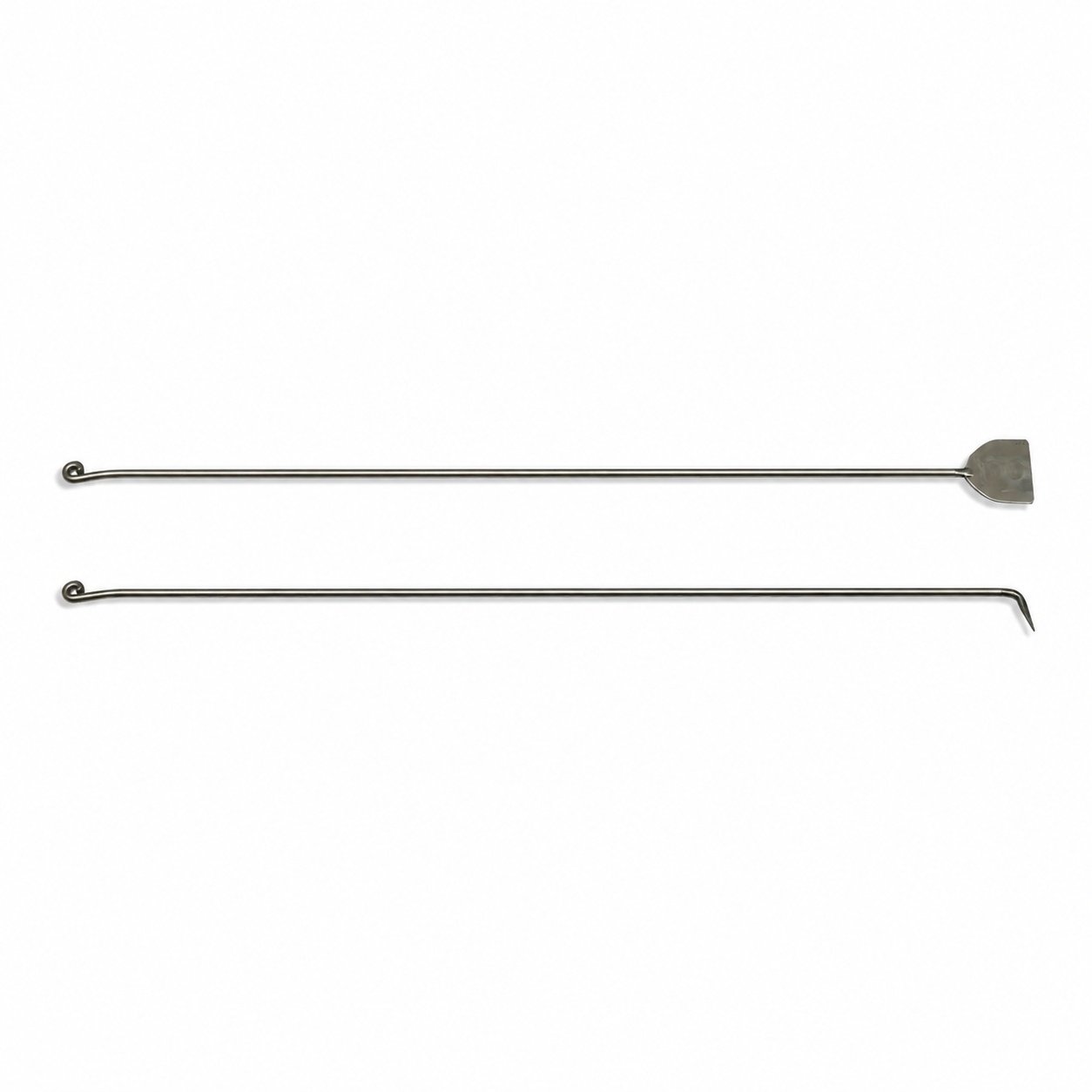
Tandoori Naan Rod Pair AS03
Ergonomic naan rods for safe bread placement and removal from the clay interior.
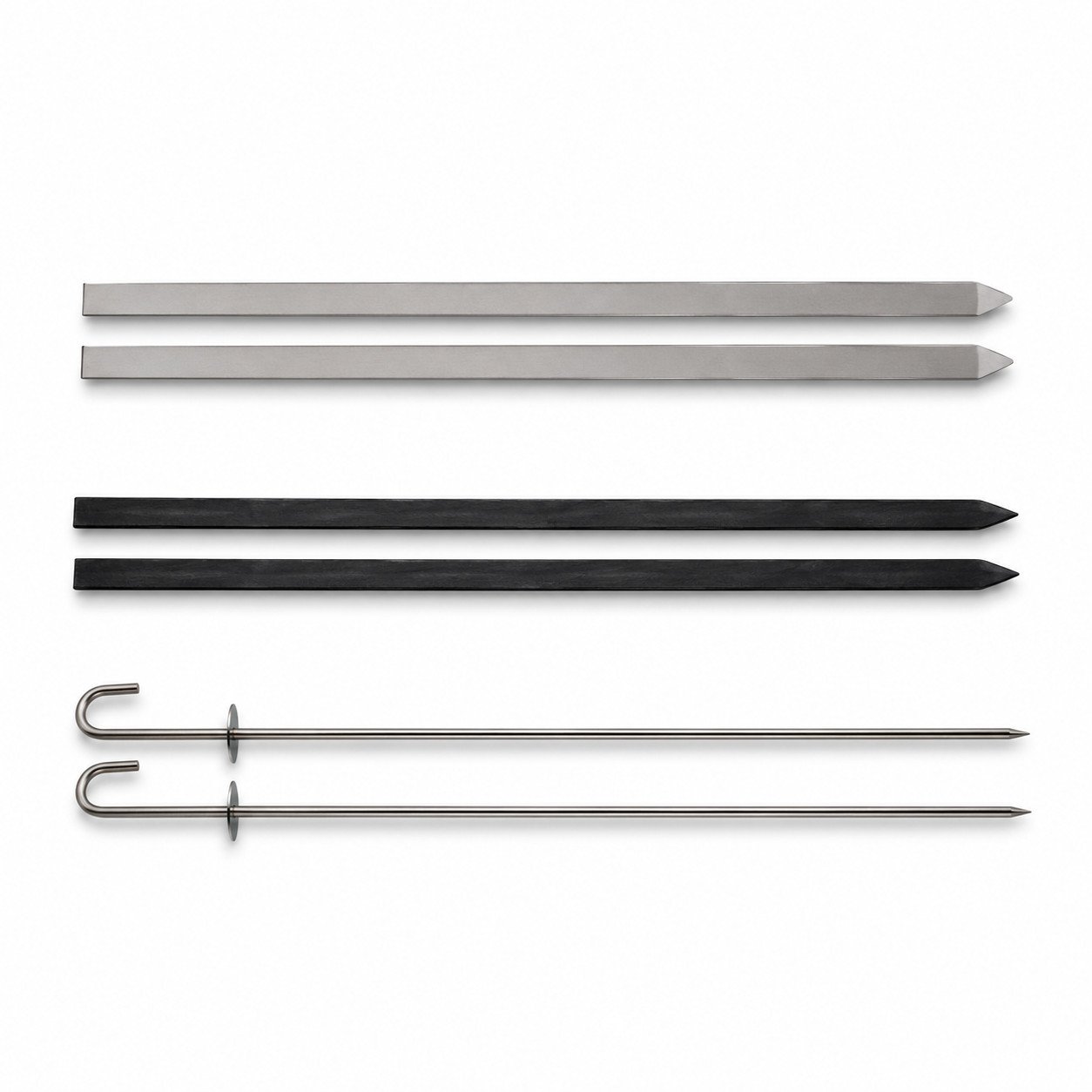
Tandoor Skewers & Shish Kebab Skewers — Flat Metal Grilling Rods AS04
Flat, round, and hook-style skewers for seekh kebab, tikka, and whole meats.
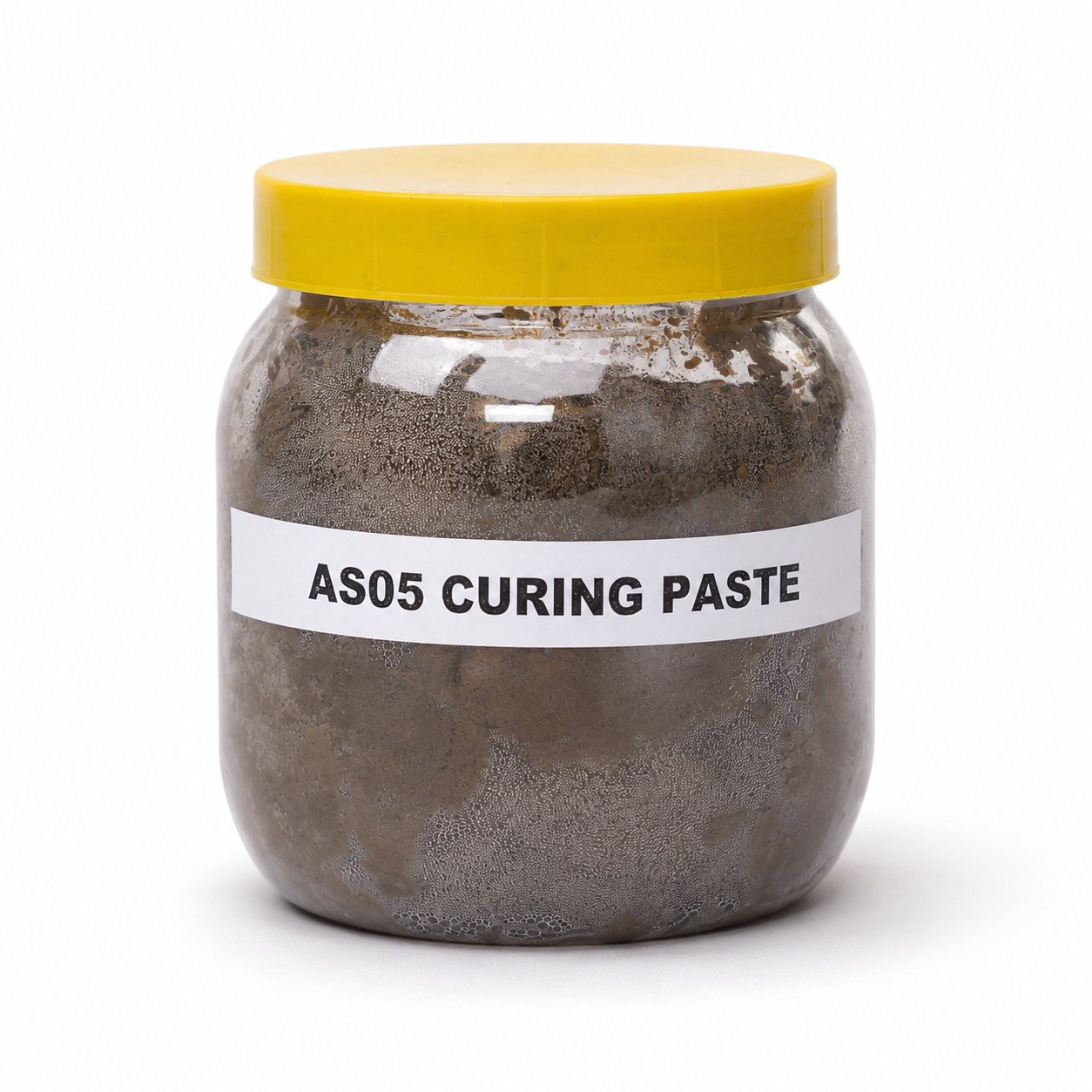
Tandoor Oven Curing Paste AS05
Season the clay interior correctly before first use for a long-lasting, crack-free pot.
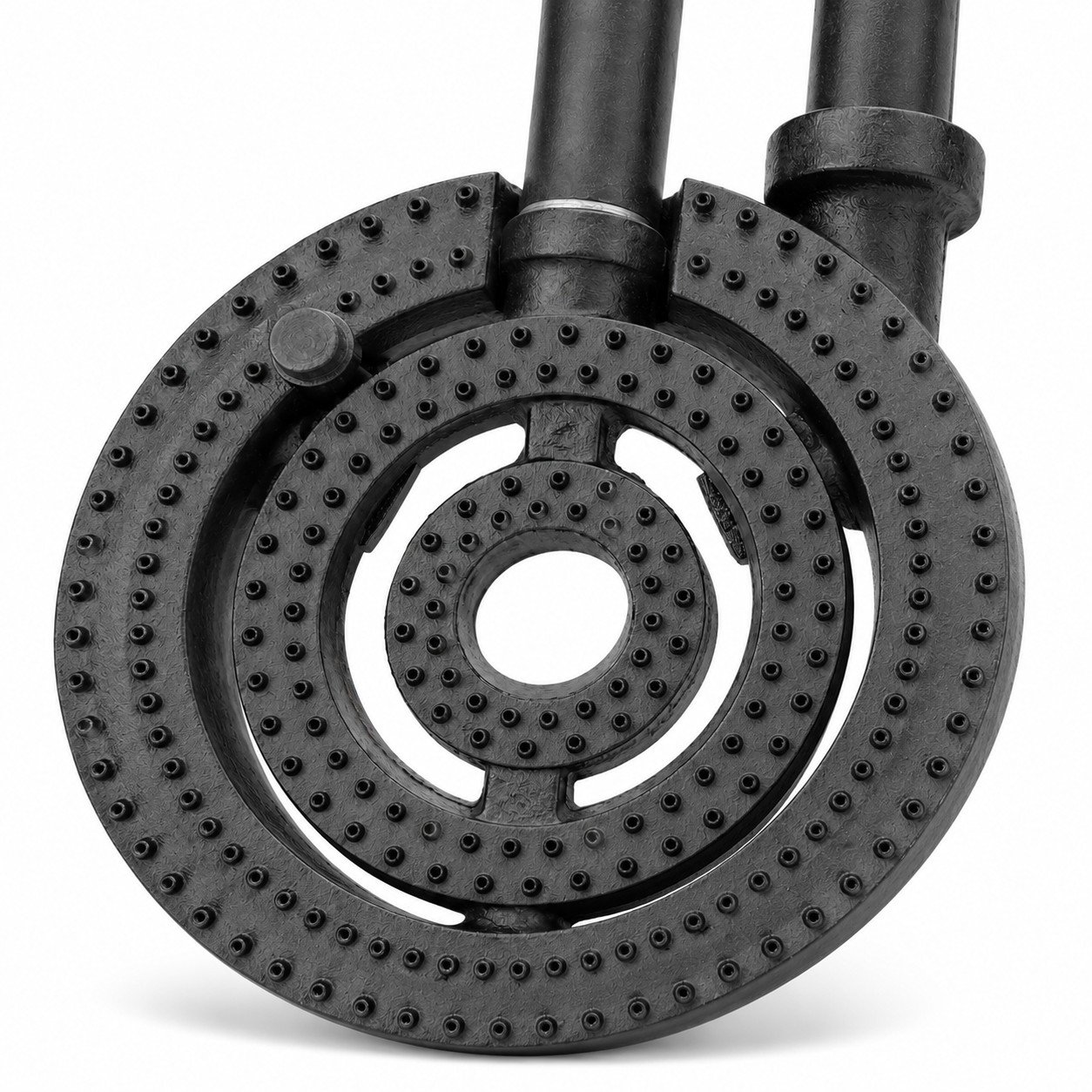
Tandoor Oven Burner AS06
Replacement gas burner compatible with the Round Catering Clay Tandoor Oven CS01.
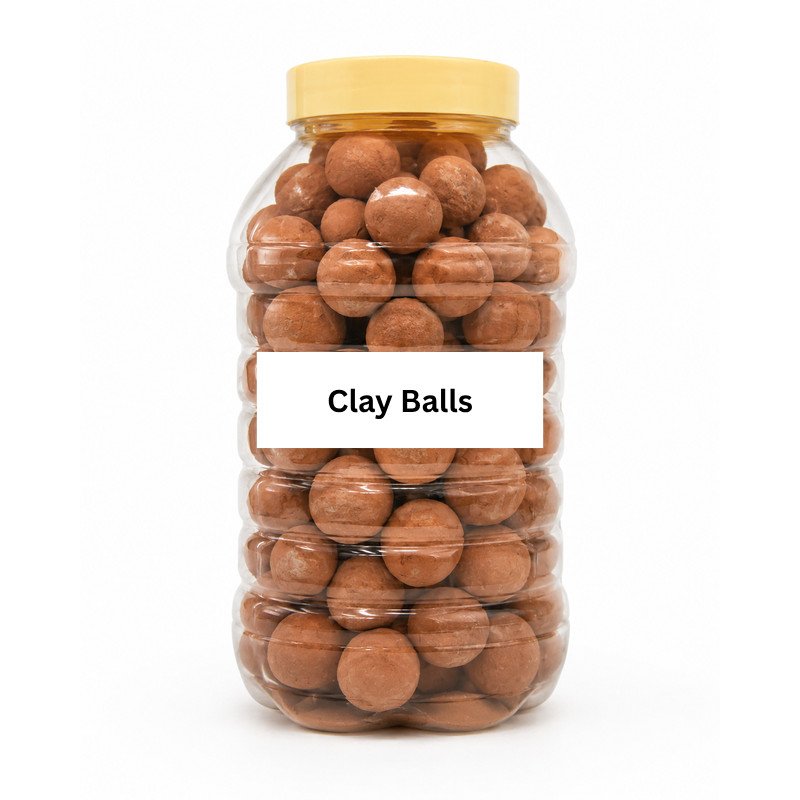
Tandoor Oven Clay Balls AS07
Clay balls for heat retention and even distribution inside the tandoor belly.
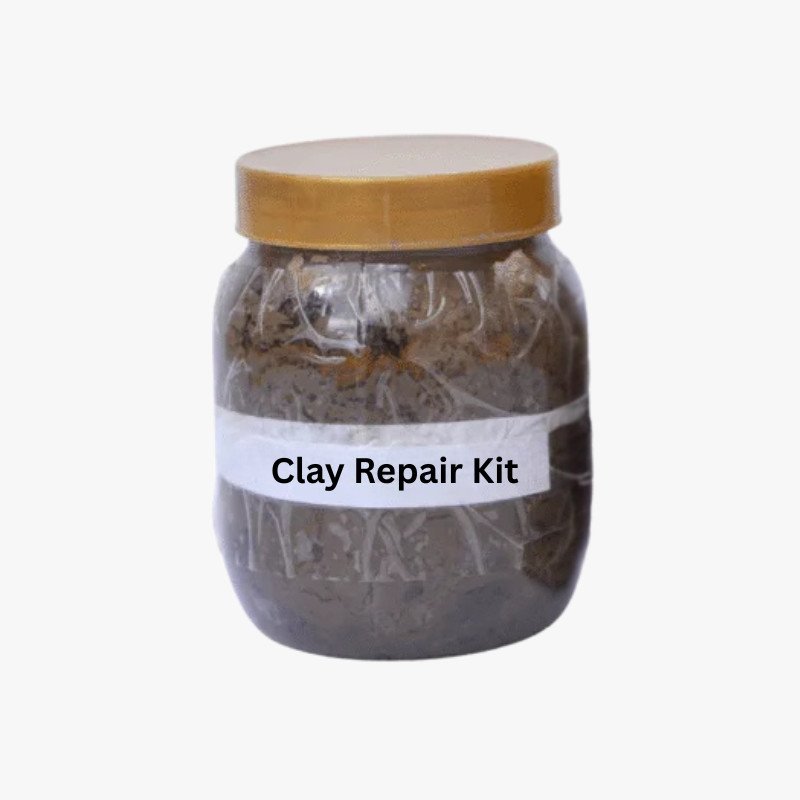
Tandoor Clay Pot Repair Kit AS08
Clay pot repair and maintenance kit for long-term clay interior care.
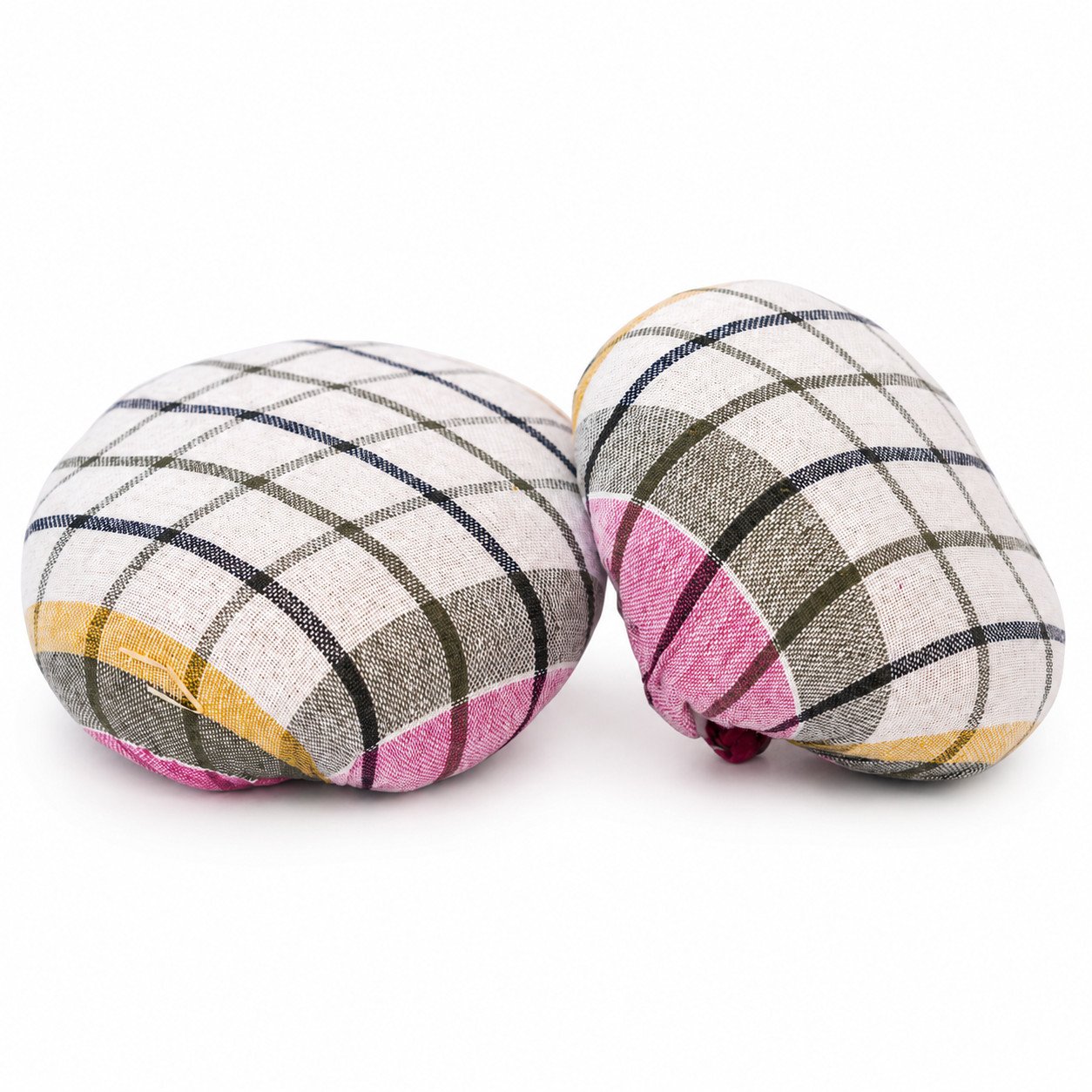
Tandoor Oven Naan Gaddi AS09
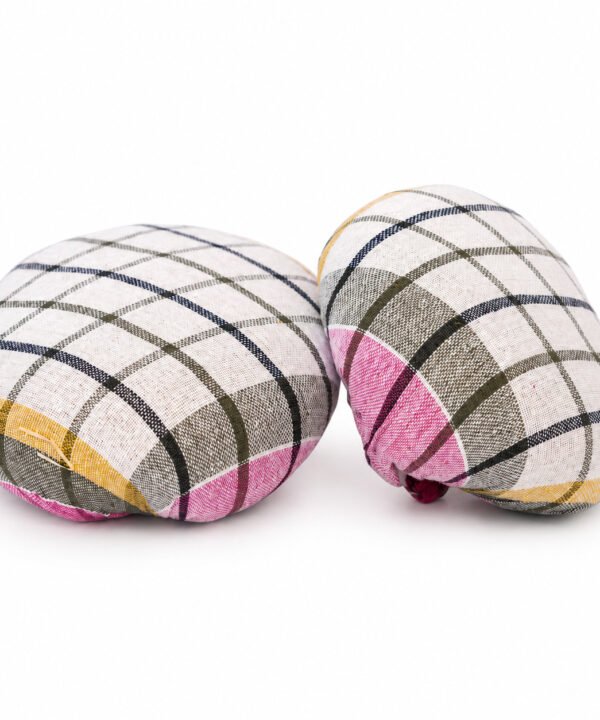
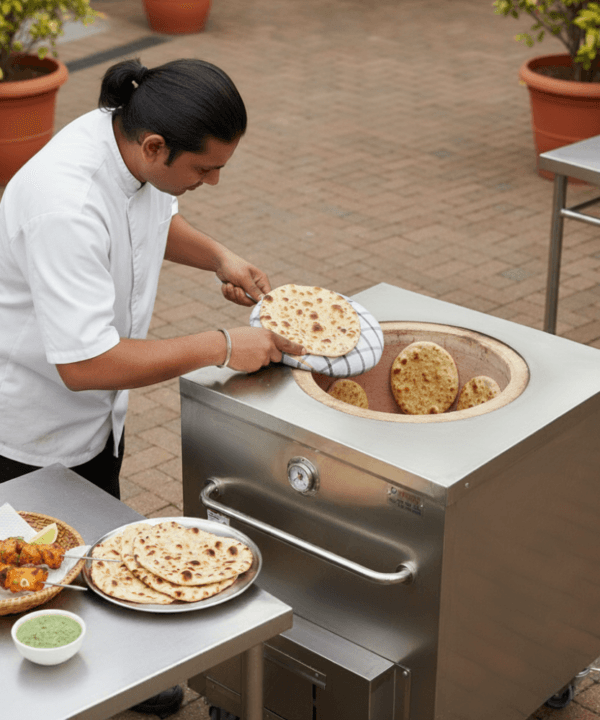
Traditional naan gaddi cushions for pressing bread onto the clay wall (pair).
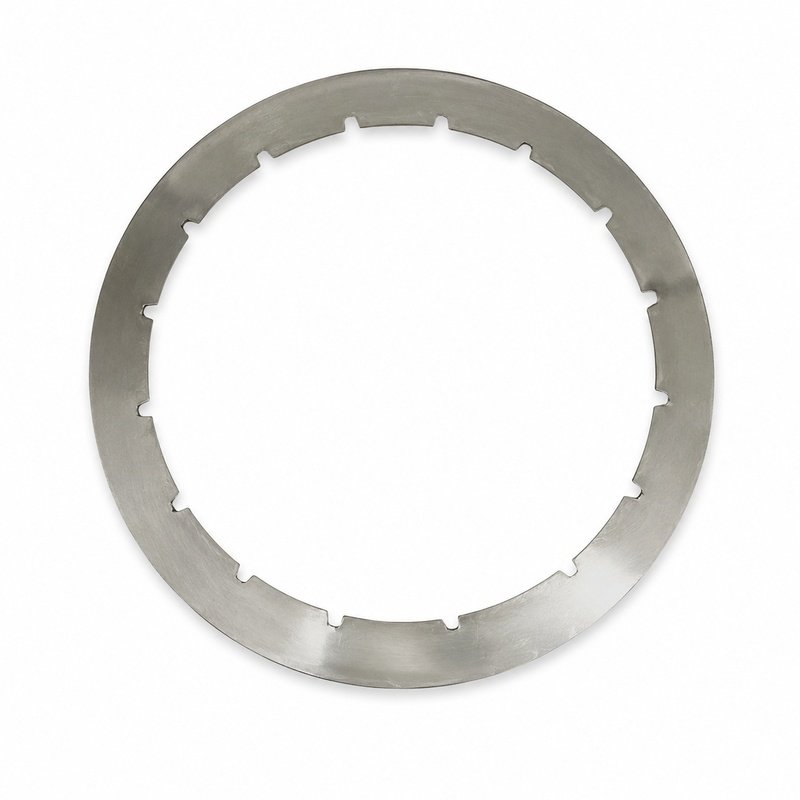
Tandoor Skewers Ring AS10
Skewer ring for safe, convenient resting of hot skewers during service.
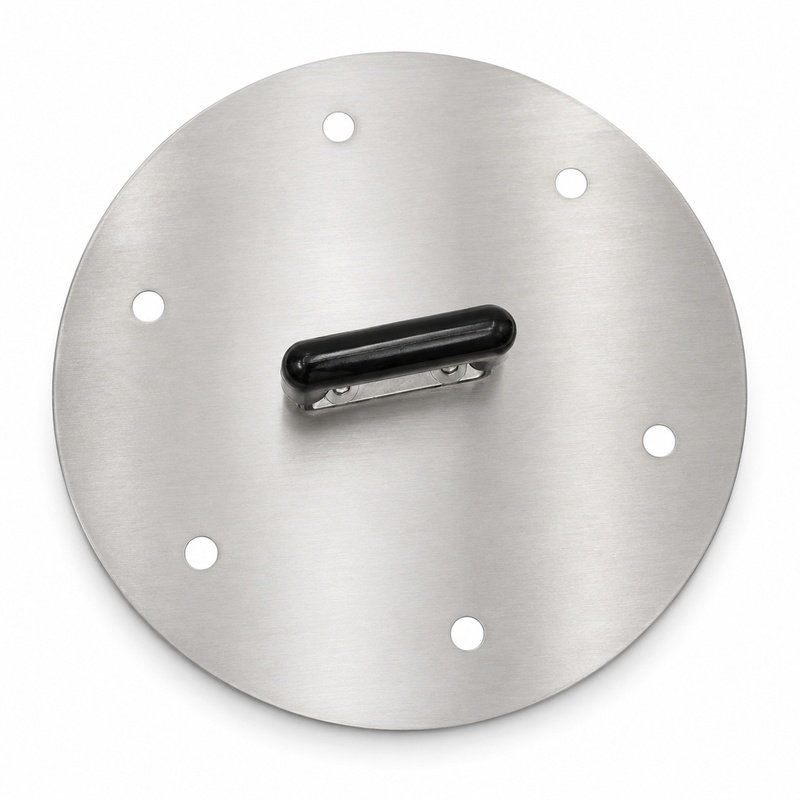
Stainless Steel Tandoor Oven Lid AS11
Mirror-finish stainless steel lid for heat retention between batches and oven storage.
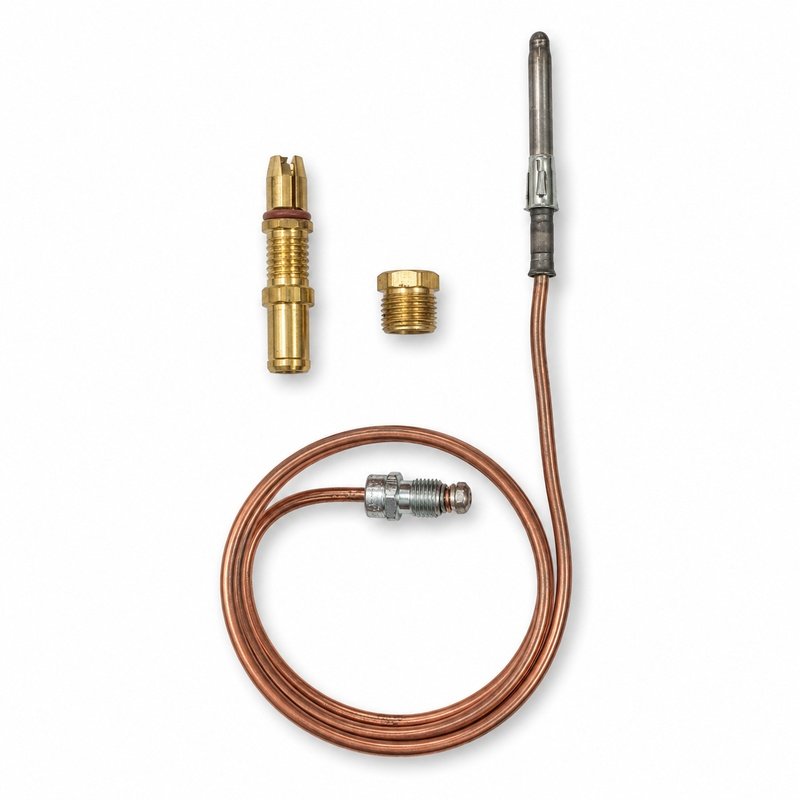
Tandoor Oven Thermocouple AS12
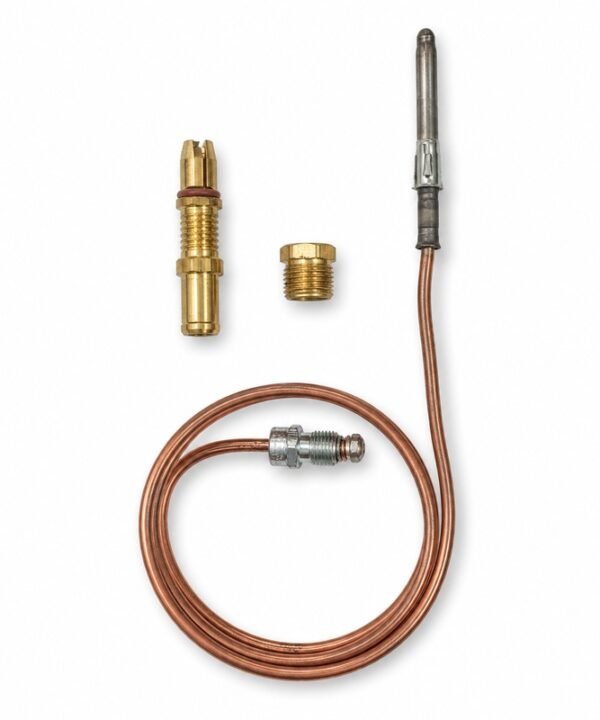
Replacement thermocouple for the gas safety system on all Tandoor Morni gas models.
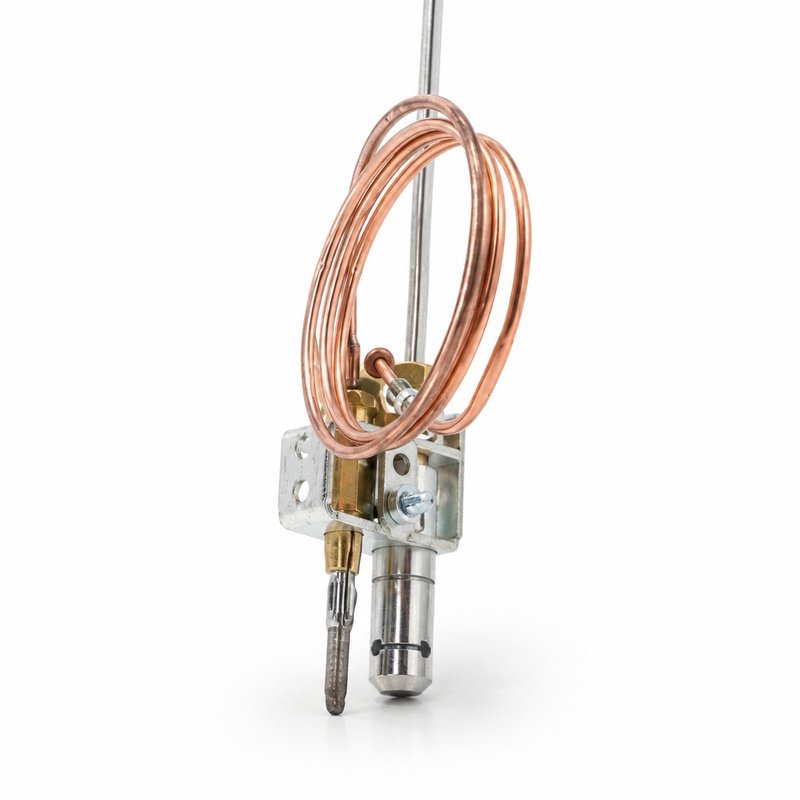
Gas Tandoor Pilot Assembly AS13
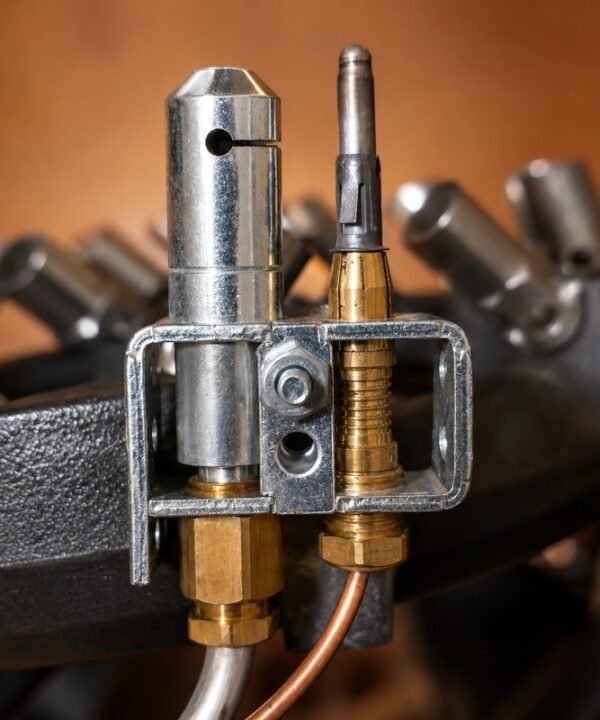
Replacement pilot assembly for all Tandoor Morni gas tandoor oven models.
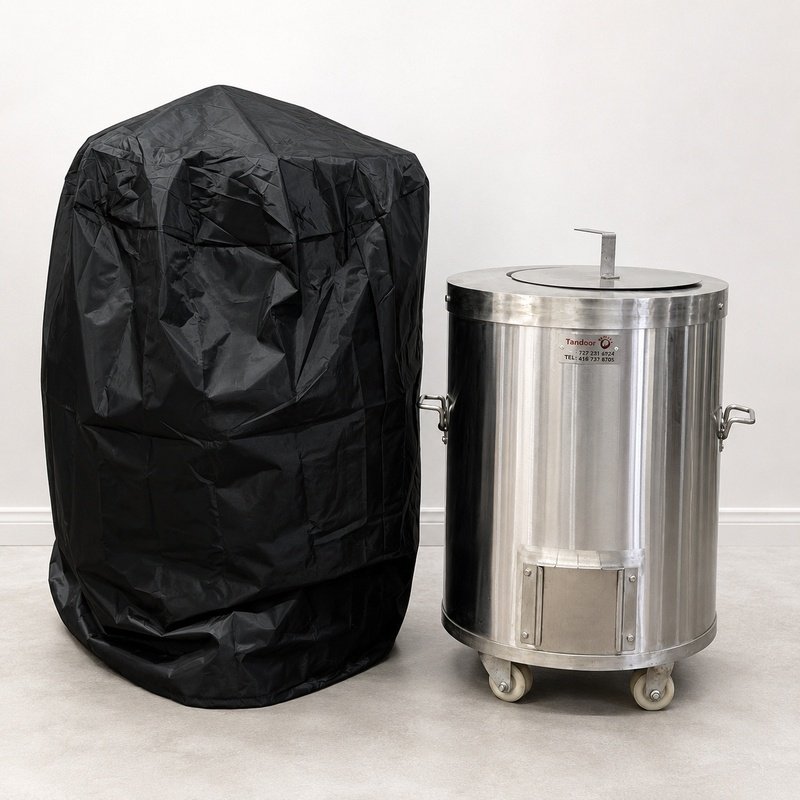
Tandoor Cover — All-Weather Protection AS14
All-weather protective cover — essential for outdoor catering events and storage.

Tandoor Heat Resistant Gloves AS15
Double-layer heat resistant gloves for safe handling at 900 Degree Fahrenheit operating temperatures.

Digital Thermometer Gun AS16
Infrared thermometer gun for instant clay surface temperature readings during catering service.
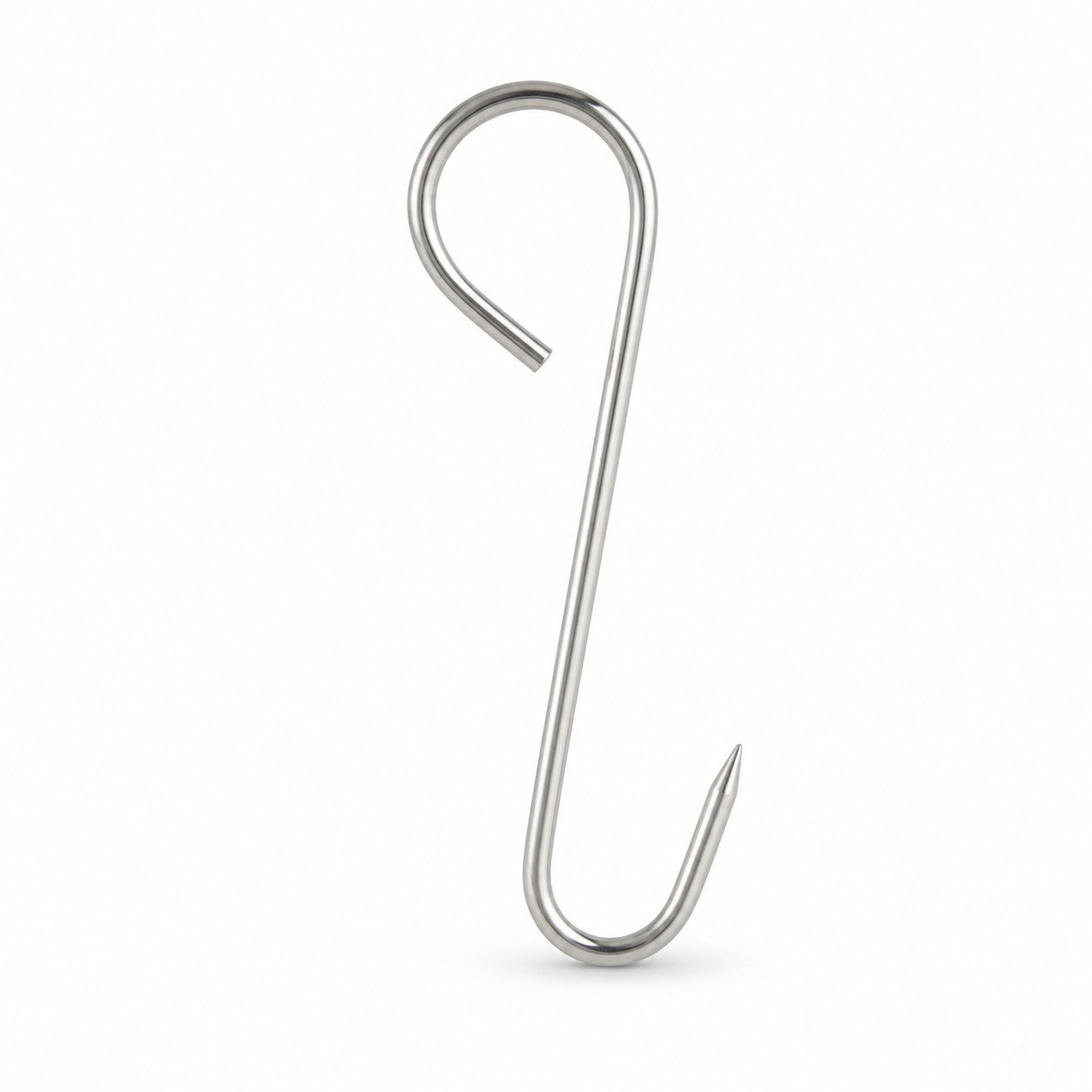
Tandoor Oven Meat Hanging Hook AS17
Stainless steel S-hook for hanging whole chicken, leg of lamb, and large cuts inside the clay pot.
Installation Guide
How to Install the Tandoor Oven Clay Balls AS07 — Step-by-Step
Installing the Tandoor Oven Clay Balls AS07 is a one-time setup task with no gas work, no tools, and no technician required. The 75-ball pack arrives sealed, and most commercial operators finish the installation in 20–30 minutes with the oven cold.
Step 1 — Cool the Oven Completely
If your gas tandoor has fired in the past 12 hours, wait for it to reach ambient temperature before opening the burner compartment. The Tandoor Oven Clay Balls AS07 is designed for installation in a cold oven; a warm clay base combined with cold new balls risks thermal shock to either component.
Step 2 — Remove the Clay Pot (Retrofit Only)
For a brand-new oven installation this step is skipped — the Tandoor Oven Clay Balls AS07 goes in before the clay pot does. For retrofit installations into an existing commercial oven, lift the clay pot out using the AS15 heat-resistant gloves, set it on a protected surface, and inspect the burner area for any debris that could obstruct the new balls.
Step 3 — Distribute the Balls Around the Burner
Open the sealed pack and spread the 75 natural fired balls as a single even layer around the gas burner at the base of the chassis. The Tandoor Oven Clay Balls AS07 should cover the full base surface without piling up on each other — a double layer blocks heat transfer rather than distributing it. Leave a 1–2 inch clear gap directly around the burner flame port; never cover the port itself.
Step 4 — Reinstall the Clay Pot
Lower the clay pot back into position, resting on top of the Tandoor Oven Clay Balls AS07 layer. The pot’s base should sit level — if it wobbles, redistribute the balls until the pot sits evenly. The Tandoor Oven Clay Balls AS07 pack is sized to support every clay pot diameter Tandoor Morni manufactures (12-inch, 17-inch, and 20-inch), so the same pack works whether you’re installing in a CH02 or a T06.
Step 5 — First Firing After Installation
After the Tandoor Oven Clay Balls AS07 is in place, perform a slow first firing to bring both the balls and the pot up to temperature gradually. Start the burner at low setting, reach 300 Degree F over 30 minutes, then slowly climb to full operating temperature over the next 30 minutes. This gradual first firing conditions the new material and prevents thermal shock cracking in either the balls or the pot above them.
For gas commissioning after installation, follow our guides on gas tandoor safety certification and how to light a tandoor safely. The AS07 installation itself needs no gas work — but any burner service performed alongside it must follow NFPA 54.
Technical Deep-Dive
Why the Tandoor Oven Clay Balls AS07 Extend Clay Pot Life by 30–50%
The single most expensive component failure in any commercial gas tandoor is clay pot cracking. A replacement clay pot runs $800–$1,500 plus labour, plus 2–3 days of lost service while the new pot is installed and cured. The Tandoor Oven Clay Balls AS07 is engineered specifically to prevent the thermal stress that causes most of these failures, extending each clay pot’s operational life by 30–50% in continuous commercial service.
The Hot Spot Problem — Why Direct Flame Impingement Cracks Clay
Without a thermal buffer between the gas burner and the clay pot base, the burner flame concentrates at a single point on the clay. That point then experiences accelerated thermal cycling — rapid heat-up when the burner fires, rapid cool-down when the burner cycles off during service. Clay expands and contracts with each cycle, and the concentrated stress at the hot spot creates micro-cracks that propagate outward over months of commercial use. The Tandoor Oven Clay Balls AS07 eliminates this failure mode by spreading burner heat across the full base of the clay pot instead of concentrating it at one point.
How the AS07 Acts as Thermal Mass
The 75 natural fired balls in the Tandoor Oven Clay Balls AS07 pack absorb heat from the burner during firing and radiate it slowly upward into the clay pot base. This thermal mass behaviour delivers three operational benefits: it eliminates the hot spot and distributes heat evenly across the pot base; it reduces the burner duty cycle by 15–25% because the balls continue radiating heat during off-cycles; and it stabilises the cooking temperature inside the clay chamber between batch cycles, giving the tandoor chef more consistent conditions for naan baking and tandoori chicken production.
Measured Impact on Clay Pot Service Life
Based on Tandoor Morni’s 30-year commercial service data, a gas tandoor without the Tandoor Oven Clay Balls AS07 typically develops its first structural crack in the clay pot base within 18–24 months of continuous service. The same model with the Tandoor Oven Clay Balls AS07 installed from day one typically does not develop structural cracks until month 36–48. For an operator running two commercial tandoor shifts per day, the Tandoor Oven Clay Balls AS07 installation delays the first $1,000+ clay pot replacement by roughly 18 months — a $75 investment that returns $1,000 in deferred replacement cost, before counting the additional service revenue preserved during the no-cracking period.
Commercial Buyer Guide
Buying the Tandoor Oven Clay Balls AS07 — Reserve Kits & Multi-Location Operators
For a single-location commercial operator running one gas tandoor, one Tandoor Oven Clay Balls AS07 pack per oven is enough — the 75-ball pack covers the full base of any Tandoor Morni commercial clay pot and never needs replenishment during normal service life. For multi-oven, multi-location, and reserve-kit scenarios, the buying math changes.
Multi-Oven Restaurants
Operators running 2–3 commercial gas tandoors at a single location should order one Tandoor Oven Clay Balls AS07 pack per oven at the time of installation. The pack is model-agnostic across the Tandoor Morni commercial gas range — the same 75 balls work in CH02, CH04, CH06, T02, T04, T06, A02, A04, and A06. For a 3-tandoor restaurant, order 3 packs plus one additional Tandoor Oven Clay Balls AS07 pack as reserve in case a ball is lost during maintenance or a clay pot replacement.
Multi-Location Restaurant Groups
Restaurant groups opening multiple sites should standardise on the Tandoor Oven Clay Balls AS07 at every location. Centralised purchasing by the box (typically 10 or 20 packs per order) secures a wholesale discount and ensures every site receives the same factory-spec thermal buffer. The AS07 is included free with every A-Series copper oven; sites installing CH or T Series units should add the Tandoor Oven Clay Balls AS07 to the opening equipment order rather than wait until a hot-spot problem develops.
Replacement Scenarios
The Tandoor Oven Clay Balls AS07 does not wear out under normal service — the balls themselves outlast the clay pot they protect. Three scenarios do call for a replacement pack: a ball accidentally dropped and shattered during maintenance; cumulative loss during multiple clay pot replacements that leaves fewer than 60 balls in position; or a new oven installation where the existing balls were damaged during an untrained removal attempt. For reserve kit purposes, one spare Tandoor Oven Clay Balls AS07 pack per 3 operational tandoors is the standard commercial recommendation.
Pairing the AS07 with Other Clay-Care Accessories
The Tandoor Oven Clay Balls AS07 is the first of three clay-care accessories every commercial operator should keep in reserve. The second is the AS05 Tandoor Oven Curing Paste at $39 — mandatory before any new clay pot’s first firing. The third is the AS08 Clay Pot Repair Kit at $45 — essential for sealing hairline cracks before they widen. Together, the AS05, AS07, and AS08 form the complete clay-care reserve kit; the Tandoor Oven Clay Balls AS07 is the preventive component that reduces how often the AS08 crack sealer is needed in the first place.
Troubleshooting
Troubleshooting the Tandoor Oven Clay Balls AS07 — Common Operator Questions
My clay pot still cracked after I installed the Tandoor Oven Clay Balls AS07 — what went wrong?
Three common causes. First, the balls may have been piled rather than spread as a single layer — a double layer blocks heat transfer rather than distributing it. Second, fewer than 60 balls may be present (count on installation; if the pack had fewer than 75, contact Tandoor Morni for a replacement). Third, the clay pot itself may have been fired without the AS05 curing paste — the Tandoor Oven Clay Balls AS07 cannot save a pot that was never cured properly.
Can I use fewer balls than the full 75-ball pack?
No. The 75-ball count in the Tandoor Oven Clay Balls AS07 pack is engineered to cover the full base surface of the clay pot in a single layer. Fewer balls leave gaps where the burner heat concentrates on the clay directly — the same hot-spot problem the Tandoor Oven Clay Balls AS07 is designed to prevent. Losing 5–10 balls during maintenance is tolerable; losing more than 15 means ordering a replacement pack.
Do the clay balls affect preheat time?
Yes, slightly — the first-firing preheat of a cold oven with the Tandoor Oven Clay Balls AS07 installed takes 5–10 minutes longer than the same oven without the Tandoor Oven Clay Balls AS07, because the balls themselves must reach operating temperature along with the clay pot. After the first preheat of the day, however, the Tandoor Oven Clay Balls AS07 actually reduces time between batches because the thermal mass holds temperature during burner off-cycles. Net effect across a full service shift is faster service, not slower.
Can I clean the Tandoor Oven Clay Balls AS07?
Not during normal service. The AS07 is designed to accumulate a seasoning layer during use — this seasoning actually improves heat distribution over time. Only remove and clean the balls if they become contaminated by dropped food or marinade during a maintenance incident. For routine cleaning, wipe with a dry cloth and reinstall; never use water or soap on the Tandoor Oven Clay Balls AS07.
Which Tandoor Morni models work with the Tandoor Oven Clay Balls AS07?
Every gas-fired model in the Tandoor Morni range accepts the Tandoor Oven Clay Balls AS07 — A02, A04, A06 copper gas ovens (included free), plus CH02, CH04, CH06, T02, T04, and T06 commercial gas models (sold separately at $75). Charcoal units in the CU-Series and R-Series do not need the Tandoor Oven Clay Balls AS07 because live-fire charcoal distributes heat differently from a gas burner.
Maintenance Schedule
Maintenance & Inspection Schedule for the Tandoor Oven Clay Balls AS07
Commercial operators who follow a documented inspection schedule for the Tandoor Oven Clay Balls AS07 get the full 36–48 month clay pot life benefit. Operators who treat the Tandoor Oven Clay Balls AS07 as a one-time install and forget it typically lose 10–15% of the benefit through drift — balls shift out of position, cumulative loss during pot replacements goes unnoticed, and a localised gap starts creating a new hot spot. The maintenance schedule below is lightweight and takes 2–3 minutes per inspection.
Daily Visual Check — During Shutdown Cleaning
At shutdown each night, after the clay pot has cooled enough to touch, a quick visual check through the oven mouth confirms the Tandoor Oven Clay Balls AS07 are evenly distributed under the pot and that no debris (dropped marinade, fallen skewers, kebab trimmings) has accumulated in the burner compartment. This check adds 30 seconds to the standard shutdown routine. Anything found is cleared before the next service.
Monthly Inspection — With Burner Service
Monthly, during the standard burner service that every commercial gas tandoor requires, lift the clay pot out and perform a physical inspection of the Tandoor Oven Clay Balls AS07 layer. Count the balls to confirm the full 75 are present; redistribute any that have shifted toward one side; and inspect each ball individually for cracks or chips. Any ball with a visible crack running more than halfway across its surface should be replaced from the reserve kit. Cumulative loss below 60 balls means ordering a full AS07 replacement pack.
Annual Overhaul — With Clay Pot Inspection
Annually, during the clay pot’s own structural inspection, remove the Tandoor Oven Clay Balls AS07 completely and inspect the burner compartment base for carbon buildup, warping, or hairline cracks in the steel chassis. Clean the chassis base with a dry wire brush, inspect the burner itself (replacing with the AS06 burner if required), and reinstall the Tandoor Oven Clay Balls AS07 before lowering the clay pot back into position. The annual overhaul is also when operators should assess whether the AS05 curing paste needs reapplication to the clay pot base.
Documenting the Tandoor Oven Clay Balls AS07 Inspection
For multi-location restaurant groups, a one-page inspection log for the Tandoor Oven Clay Balls AS07 — daily visual, monthly count, annual overhaul — kept with the gas tandoor’s safety log satisfies most commercial kitchen compliance regimes. The log should also record the install date of the current Tandoor Oven Clay Balls AS07 pack and the install date of the clay pot above it, so when the pot is eventually replaced the operator can confirm the Tandoor Oven Clay Balls AS07 extended its service life as expected.
Material Science
The Materials Behind the Tandoor Oven Clay Balls AS07
The Tandoor Oven Clay Balls AS07 is manufactured in Tandoor Morni’s Punjab clay works using the same fired-clay process as the clay pots the balls protect. This matched-material approach is central to how the Tandoor Oven Clay Balls AS07 delivers its thermal benefits — matching the clay pot’s thermal expansion coefficient means the balls and the pot heat and cool in sync, with no stress at the contact surface between them.
Why Fired Clay Instead of Ceramic or Metal
Several thermal-mass accessories on the market use ceramic beads, lava rock, or steel ball bearings for burner-flame diffusion. The Tandoor Oven Clay Balls AS07 uses fired clay instead for three specific reasons tied to tandoor cooking: fired clay matches the clay pot’s expansion rate (metal expands roughly 3× faster, creating stress at every heat cycle); fired clay radiates infrared heat upward in the same wavelength the clay pot absorbs most efficiently; and fired clay develops a seasoning layer during service that improves heat transfer over months of use rather than degrading. Lava rock, by contrast, can trap moisture and release it as steam at firing — a risk the Tandoor Oven Clay Balls AS07 avoids entirely.
The Firing Process
Each batch of balls that becomes a Tandoor Oven Clay Balls AS07 pack is kiln-fired at over 1,100 Degree C for 14 hours — the same firing profile used for the tandoor clay pots themselves. This high-temperature firing drives out all residual moisture, vitrifies the clay to the structural density required for commercial service, and gives each ball the characteristic terracotta colour. Any ball with a hairline firing crack is rejected at post-kiln inspection and never enters an Tandoor Oven Clay Balls AS07 pack — only balls that pass the full structural inspection are packed and shipped.
Density, Size, and Weight Specification
Each ball in the Tandoor Oven Clay Balls AS07 pack measures 35–40mm in diameter with a per-ball weight of approximately 50 grams, giving the full 75-ball pack a total weight of approximately 3.75 kg. The 35–40mm diameter is engineered to the exact size that allows single-layer coverage of the full base of a 12-inch, 17-inch, or 20-inch clay pot while leaving the central burner port clear. Smaller balls would pack too tightly and restrict airflow around the burner; larger balls would leave gaps between balls where heat concentrates directly on the clay pot.
Why This Over Alternatives
Tandoor Oven Clay Balls AS07 vs. DIY Alternatives — Why Spec Matters
Some operators try to substitute cheaper materials for the Tandoor Oven Clay Balls AS07 — brick fragments from a construction site, river stones, barbecue lava rock, or spare clay pot shards. Every one of these alternatives looks cheap on paper and expensive in practice. Here is what each substitution actually costs a commercial operator.
Brick Fragments vs. the Tandoor Oven Clay Balls AS07
Standard construction brick is fired at only 900–1,000 Degree C, 100–200 Degree C below the firing temperature of the Tandoor Oven Clay Balls AS07. At commercial tandoor temperatures (which routinely exceed 480 Degree C at the burner compartment), under-fired brick fragments spall — small chips flake off the surface and fall into the burner, obstructing airflow and potentially blocking the gas port. A single blocked port is a safety incident requiring immediate shutdown. The Tandoor Oven Clay Balls AS07 is fired above the operating temperature range and never spalls.
River Stones vs. the Tandoor Oven Clay Balls AS07
River stones commonly contain trapped moisture or micro-pockets of mineral deposits. At commercial tandoor temperatures these moisture pockets expand and the stone can crack explosively — a documented safety hazard in tandoor pit operations before engineered accessories like the Tandoor Oven Clay Balls AS07 became standard. River stones also do not match the clay pot’s thermal expansion coefficient, so even stones that do not fail acutely contribute to accelerated clay cracking.
Barbecue Lava Rock vs. the Tandoor Oven Clay Balls AS07
Lava rock sold for barbecue use is rated for grill temperatures (260–315 Degree C) that are well below commercial tandoor burner compartment temperatures. Repeated exposure to the higher temperatures degrades the lava rock structure, releases fine mineral dust into the oven, and contaminates the cooking environment. The Tandoor Oven Clay Balls AS07 is engineered specifically for the 400–500 Degree C burner compartment range typical of commercial gas tandoors.
The $75 Decision
Across every DIY substitute, the actual cost analysis is unchanged: a $75 Tandoor Oven Clay Balls AS07 pack extends the clay pot life by 12–18 months and avoids a $1,000+ replacement. The DIY substitutes save the $75 upfront, accelerate the clay pot failure cycle by concentrating heat where the balls should distribute it, and introduce safety risks (spalling, moisture explosion, mineral contamination) that the engineered Tandoor Oven Clay Balls AS07 pack is designed to eliminate. For commercial operators, the Tandoor Oven Clay Balls AS07 is one of the clearest ROI decisions in the entire tandoor accessory range.
Real-World Use Cases
Where the Tandoor Oven Clay Balls AS07 Pays Back Fastest
The Tandoor Oven Clay Balls AS07 return on investment varies by operator profile. The $75 pack delivers measurable value in every commercial installation, but some use cases see payback within six months while others see it over three years. Here are the four operator profiles that get the fastest payback from the Tandoor Oven Clay Balls AS07.
High-Volume Dinner-Only Restaurants
A dinner-only restaurant running 300+ tandoori chicken plates and 500+ naan units through a single commercial gas tandoor every evening is the fastest-payback scenario for the Tandoor Oven Clay Balls AS07. The high duty cycle means the burner fires continuously for 4–5 hours, concentrating heat on the clay pot base in a way that cracks pots in 14–18 months without the Tandoor Oven Clay Balls AS07. With the Tandoor Oven Clay Balls AS07 installed, the same volume stretches clay pot life to 28–36 months — a $1,200 saving every 18 months on a $75 one-time investment.
Catering Operators Running Mobile Trailers
Catering operators who move the tandoor between venues face a secondary thermal stress — the pot cools fully between events and then heats fully for service. These harsh thermal cycles accelerate clay pot cracking even faster than steady restaurant service. For a mobile catering tandoor doing 2–3 events per week, the Tandoor Oven Clay Balls AS07 provides the thermal buffer that absorbs the shock of each cold-to-hot transition, extending pot life from 10–12 months to 18–24 months. The AS07 pays back in the first replacement cycle avoided.
Multi-Shift Restaurant Groups
Restaurants running two full service shifts per day — lunch 11 am–3 pm, dinner 5 pm–11 pm — put the clay pot through two full heat-up and cool-down cycles daily. The compound thermal cycling at the pot base is roughly 1.8× that of a single-shift restaurant. For these operators, the Tandoor Oven Clay Balls AS07 installation is less an accessory and more a mandatory operational component — without it, pot replacement runs every 10–12 months instead of every 24–30 months with the Tandoor Oven Clay Balls AS07 in place.
New Oven Owners (Zero Previous AS07 Experience)
Restaurant operators installing their first commercial tandoor oven often ask whether the Tandoor Oven Clay Balls AS07 is really necessary. The honest answer is: yes, and the first clay pot cracking at month 15 is the expensive way to learn why. Operators who order the Tandoor Oven Clay Balls AS07 with the oven on day one never experience that first premature cracking cycle; operators who skip the Tandoor Oven Clay Balls AS07 and reconsider after the first failure usually install an Tandoor Oven Clay Balls AS07 pack during the clay pot replacement — and get the full benefit from month 15 forward instead of month 1.
Warranty & Shipping
Ordering the Tandoor Oven Clay Balls AS07 — Shipping, Warranty, and Returns
The Tandoor Oven Clay Balls AS07 ships from Tandoor Morni’s North American warehouse network — Edison NJ, Manteca CA, Houston TX, and six additional locations — with 3–5 business day standard delivery to any address in the continental US and Canada. Priority delivery is available for operators who need the pack to arrive before a scheduled installation window.
Pack Contents and Verification
Each Tandoor Oven Clay Balls AS07 pack ships sealed with a count-verification seal confirming 75 balls present. On delivery, operators should count the balls before installation; the standard commercial practice is to count twice (once at receipt and once before placing in the oven) to confirm the full pack arrived intact. In the rare case of a short pack, Tandoor Morni replaces the missing balls at no cost on the next shipment to that location.
Warranty Terms
The Tandoor Oven Clay Balls AS07 carries Tandoor Morni’s standard accessory warranty: 12 months against structural defects (firing cracks, under-density balls, out-of-spec diameters) from the date of delivery. Normal wear during commercial service — seasoning layer development, surface patina, minor edge rounding — is not covered because these are expected outcomes of proper service, not defects. Replacement under warranty is handled by Tandoor Morni direct customer service without requiring the operator to return the full pack.
Compliance and Certification
Because the Tandoor Oven Clay Balls AS07 is a passive thermal-mass accessory with no electrical, gas, or mechanical function, it carries no NSF, CSA, or NFPA certification of its own — those certifications attach to the burner, the gas connector, and the oven chassis. The AS07 is compatible with every commercial installation that passes the standard commercial kitchen gas inspection documented in Tandoor Morni’s gas safety certification guide. Installing the Tandoor Oven Clay Balls AS07 does not change the compliance status of the installation; it simply protects the clay pot.
See Every Tandoor Morni Model In Person
Walk into any of our 9 North American showroom and warehouse locations to inspect the Commercial Gas Connector Kit AS01, confirm compatibility with your gas tandoor oven, and place your order on-site.