

Tandoori Style Chicken and Sweet Potato
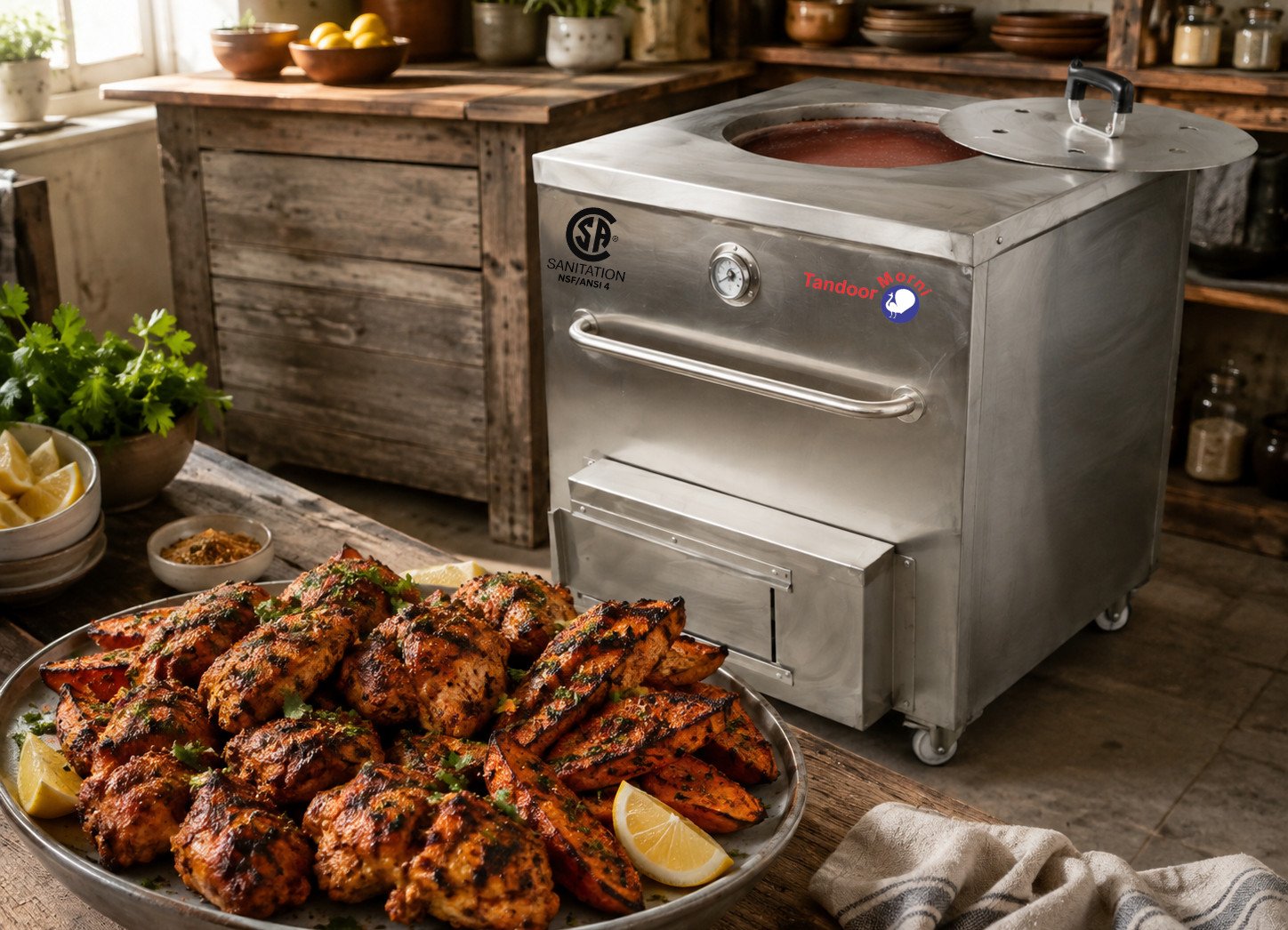
This tandoori chicken sweet potato recipe pairs the familiar wall-charred chicken from elsewhere in this collection with sweet potato wedges parboiled and finished the same way the aloo tikka recipe treats regular potato — because sweet potato's higher sugar content means it chars faster than white potato and needs closer attention to avoid burning before it's tender. Chicken and sweet potato tandoori works because both components share roughly the same cook window once the sweet potato is properly parboiled first.
This guide covers why sweet potato needs a shorter parboil and a cooler wall than regular potato, how to time both components to finish together, and the marinade balance that works for both the chicken and the vegetable without needing two separate spice mixes. If your sweet potato has come out burnt on the outside and raw in the middle, this guide covers exactly why.
Table of Contents
Tandoori Chicken and Sweet Potato — Recipe Card
Wall-charred marinated chicken alongside parboiled, spiced sweet potato wedges. Everything you need is below — for the full technique breakdown and troubleshooting, keep scrolling past the card.
- 1.5 lbs boneless chicken thigh
- ½ cup thick yogurt
- 1 tbsp ginger-garlic paste
- 1 tbsp Kashmiri red chilli powder
- 1 tsp garam masala
- 1 tbsp mustard oil
- 2 medium sweet potatoes, cut into wedges
- Water for parboiling, salted
- 2 tbsp of the chicken marinade, reserved
- 1 tbsp melted butter
- Chaat masala and lemon wedges, to serve
- Marinate the chicken in yogurt, ginger-garlic paste, chilli powder, garam masala, and mustard oil. Refrigerate 2 hours, reserving 2 tablespoons of marinade for the sweet potato.
- Parboil the sweet potato wedges in salted water for 5 to 6 minutes, until a knife meets slight resistance.
- Drain, cool slightly, and toss the wedges with the reserved marinade.
- Thread the chicken onto skewers or a hanging hook, and arrange the sweet potato wedges on a rack.
- Preheat the tandoor to 550–600°F.
- Cook the chicken 12–15 minutes and the sweet potato 10–12 minutes, basting the potato once with melted butter, until both are charred and tender.
- Toss with chaat masala and serve with lemon wedges.
What You'll Need
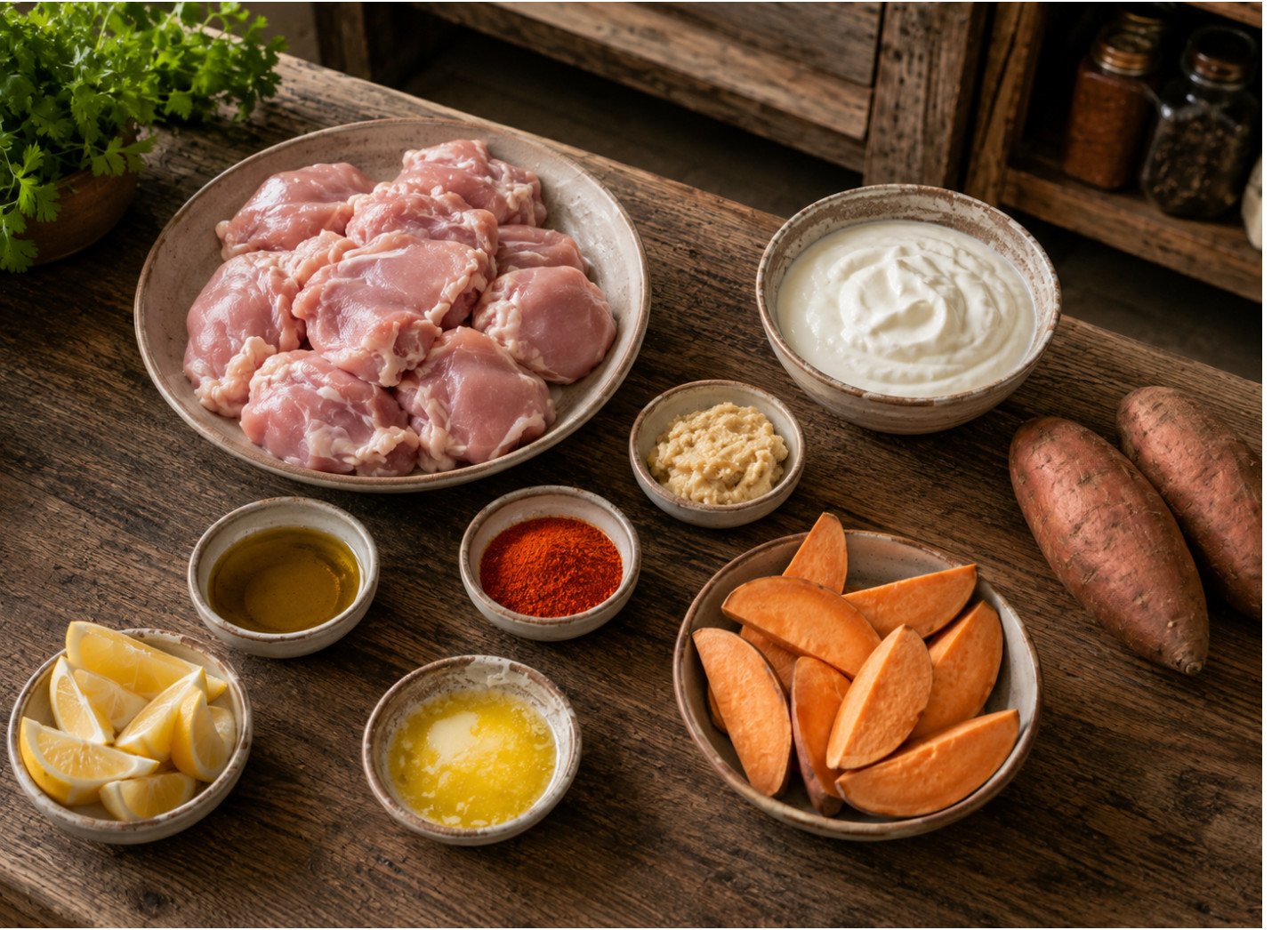
One marinade shared across two components, timed to finish together.
For the Chicken
- 1.5 lbs boneless chicken thigh, cut into large pieces
- ½ cup thick yogurt
- 1 tablespoon ginger-garlic paste
- 1 tablespoon Kashmiri red chilli powder
- 1 teaspoon garam masala
- 1 tablespoon mustard oil
For the Sweet Potato
- 2 medium sweet potatoes, cut into wedges
- Water for parboiling, generously salted
- 2 tablespoons of the chicken marinade, reserved before adding chicken
- 1 tablespoon melted butter, for basting
For Finishing
- Chaat masala and lemon wedges, to serve
A note on sharing the marinade: reserving a small amount of the chicken marinade before it touches raw chicken keeps the sweet potato's portion food-safe, while still giving both components the same flavour base.
Accessories and Oven Used In This Recipe
This tandoori chicken sweet potato recipe was developed on the oven below, alongside a hanging hook that's the traditional way to cook chicken pieces evenly while the sweet potato wedges cook alongside on a rack.
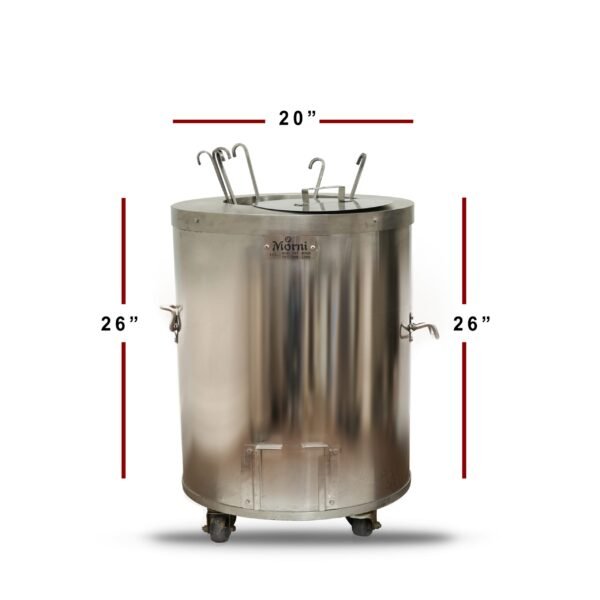
The oven used to develop and test this recipe. 20x26 inches, charcoal and wood fired, compact and well suited to a smaller household meal like this one.
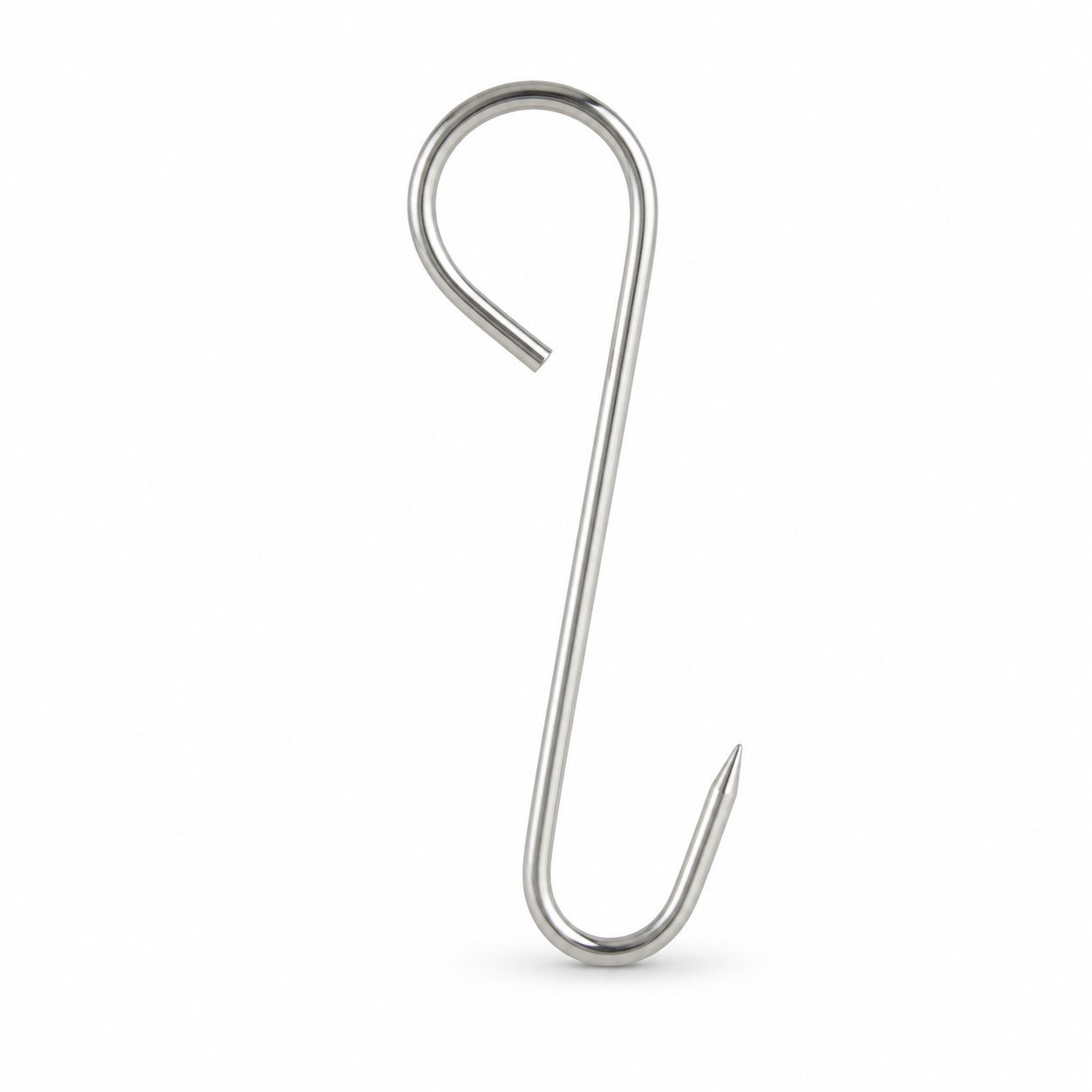
The traditional way to cook chicken pieces evenly on all sides while the sweet potato cooks on a separate rack in the same chamber.

Confirms the wall has reached 550–600°F before either component goes in.
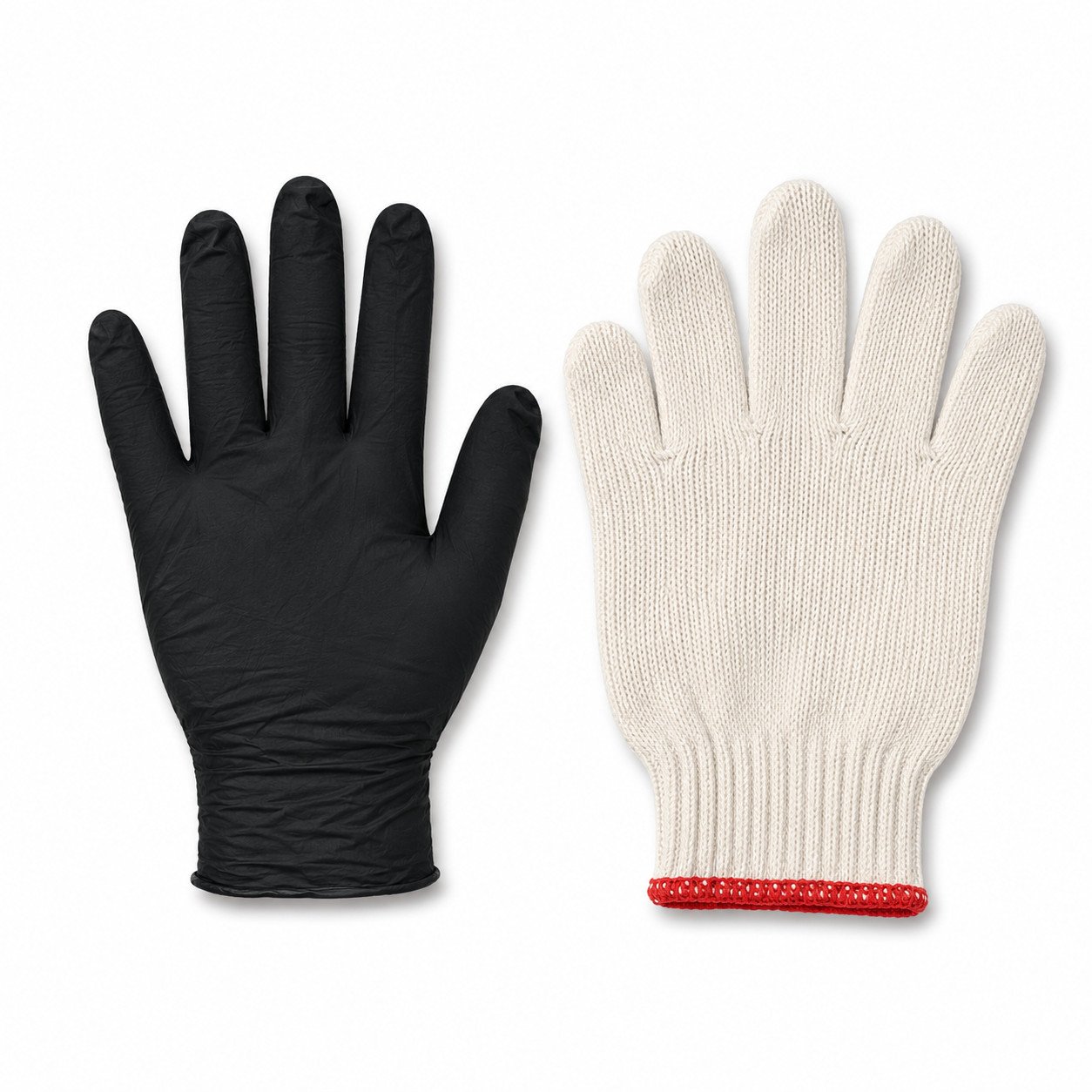
Recommended for loading and turning both components close to the wall.
The Mini Clay Tandoor Oven Home R26 is a charcoal and wood-fired outdoor model — since it doesn't run on gas, it doesn't require CSA gas certification, but it does carry NSF/ANSI 4 sanitation certification, and financing is available at checkout.
Choosing Your Sweet Potato
Variety and cut size both affect how this tandoori style sweet potato recipe cooks, more than with regular potato.
Orange-Fleshed Sweet Potato (Recommended)
The most common variety, with a good balance of sweetness and moisture that holds up well through parboiling and charring. This is the default assumed by the recipe timing above.
Japanese or White Sweet Potato
Drier and less sweet than orange-fleshed varieties, charring slightly more evenly with less risk of burning before the centre is tender.
Cutting Size
Wedges roughly 1 inch thick at their widest point match this recipe's timing. Thicker cuts need a longer parboil; thinner ones char too fast to hold together on the wall.
Step by Step
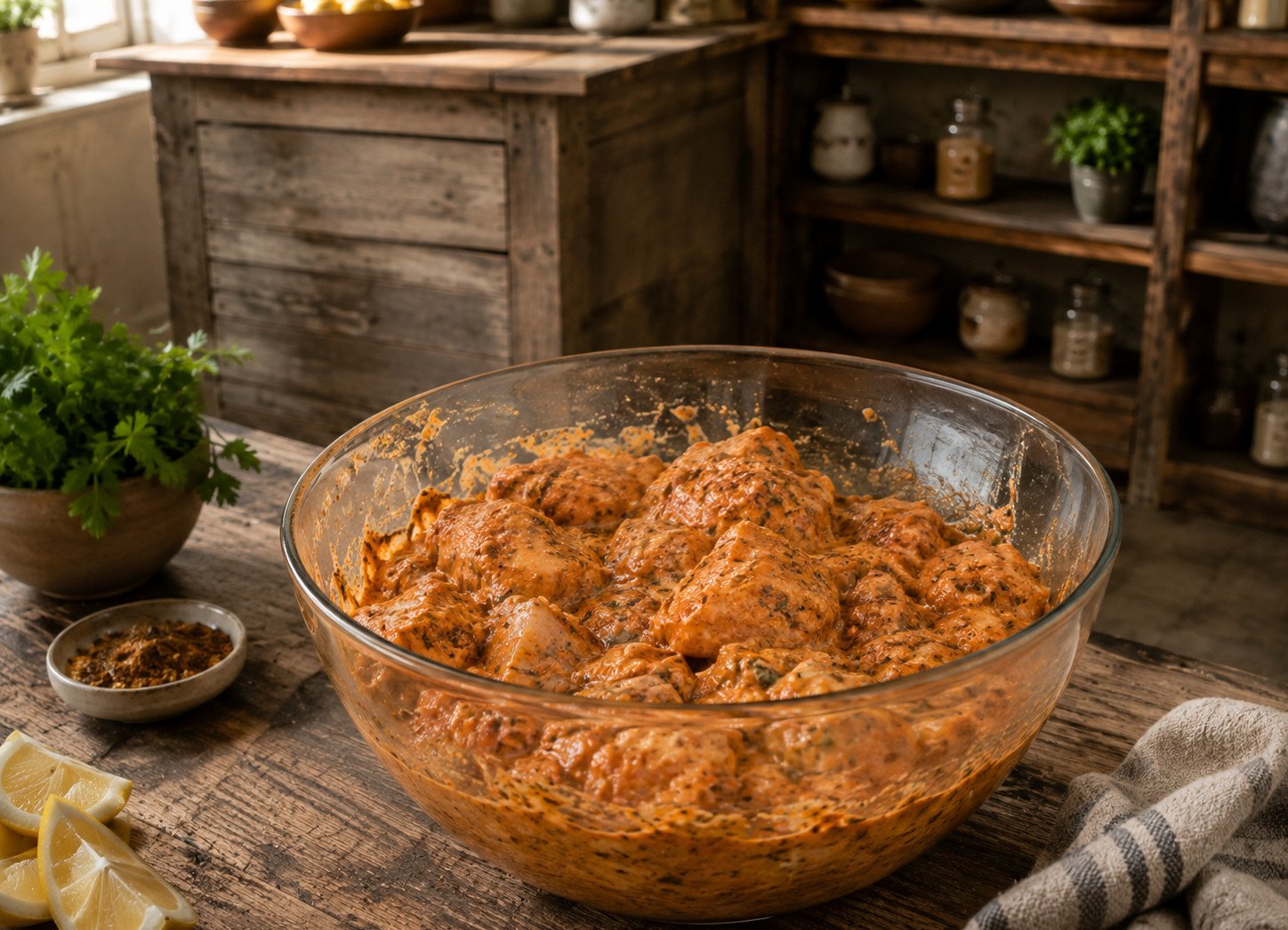
Marinate the Chicken
Combine the chicken with yogurt, ginger-garlic paste, chilli powder, garam masala, and mustard oil. Reserve 2 tablespoons of the marinade before adding it to the raw chicken. Refrigerate 2 hours.
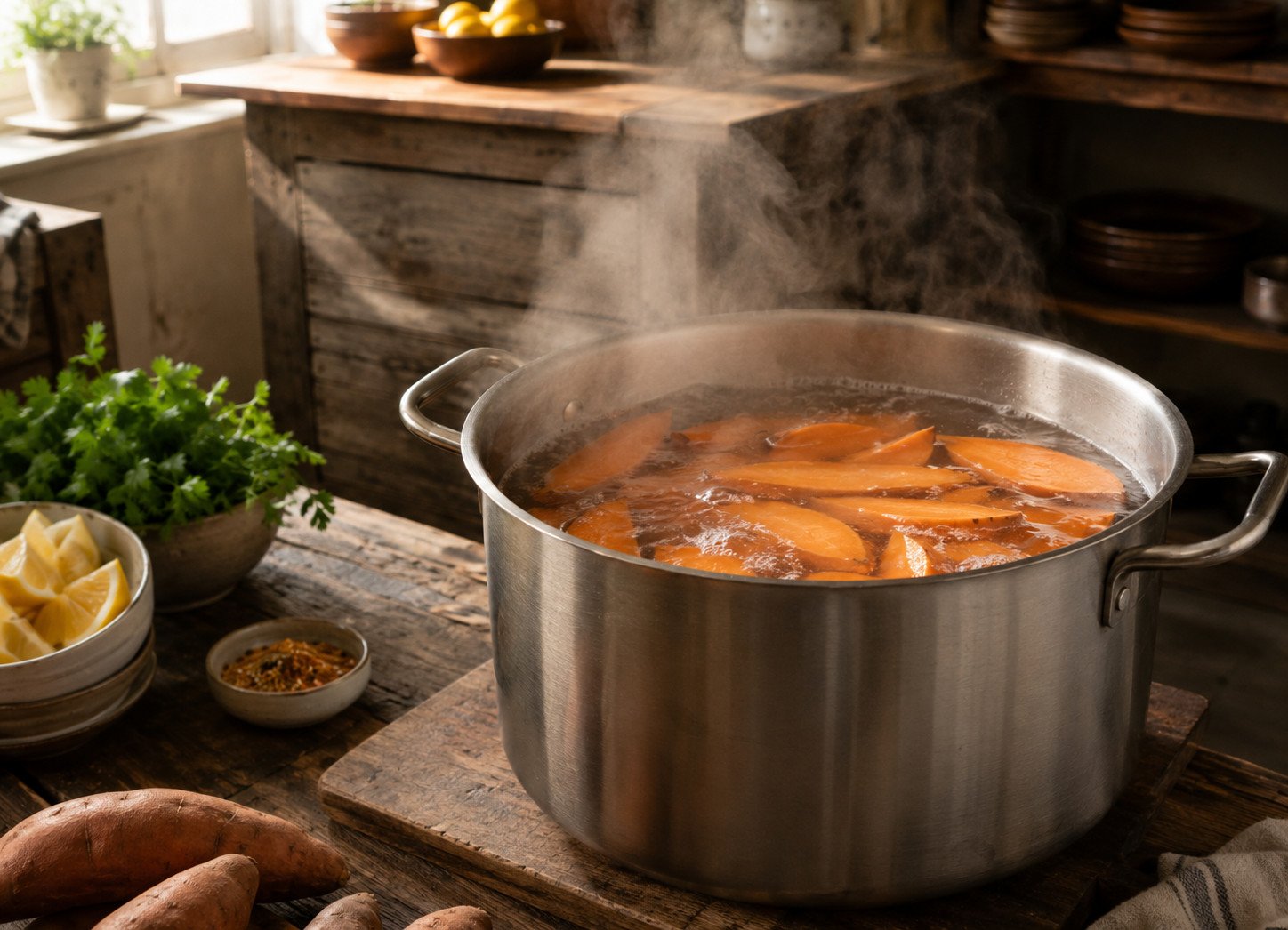
Parboil the Sweet Potato
Parboil the sweet potato wedges in salted water for 5 to 6 minutes, until a knife meets slight resistance — this is a parboil, not a full cook.

Coat the Sweet Potato
Drain and cool the wedges slightly, then toss with the reserved marinade.
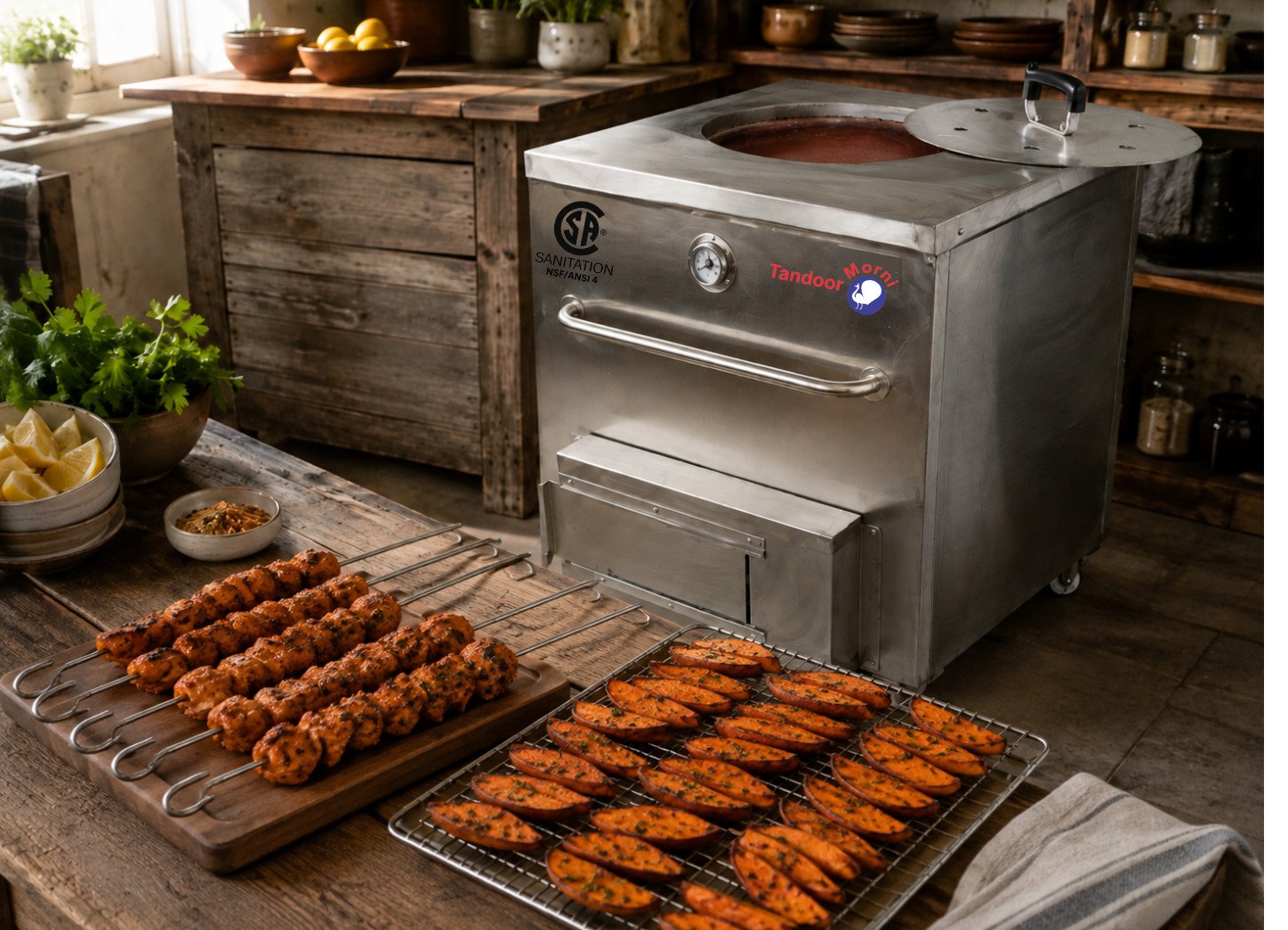
Arrange Both Components
Thread the chicken onto skewers or a hanging hook, and arrange the sweet potato wedges on a rack, leaving space for even heat exposure.
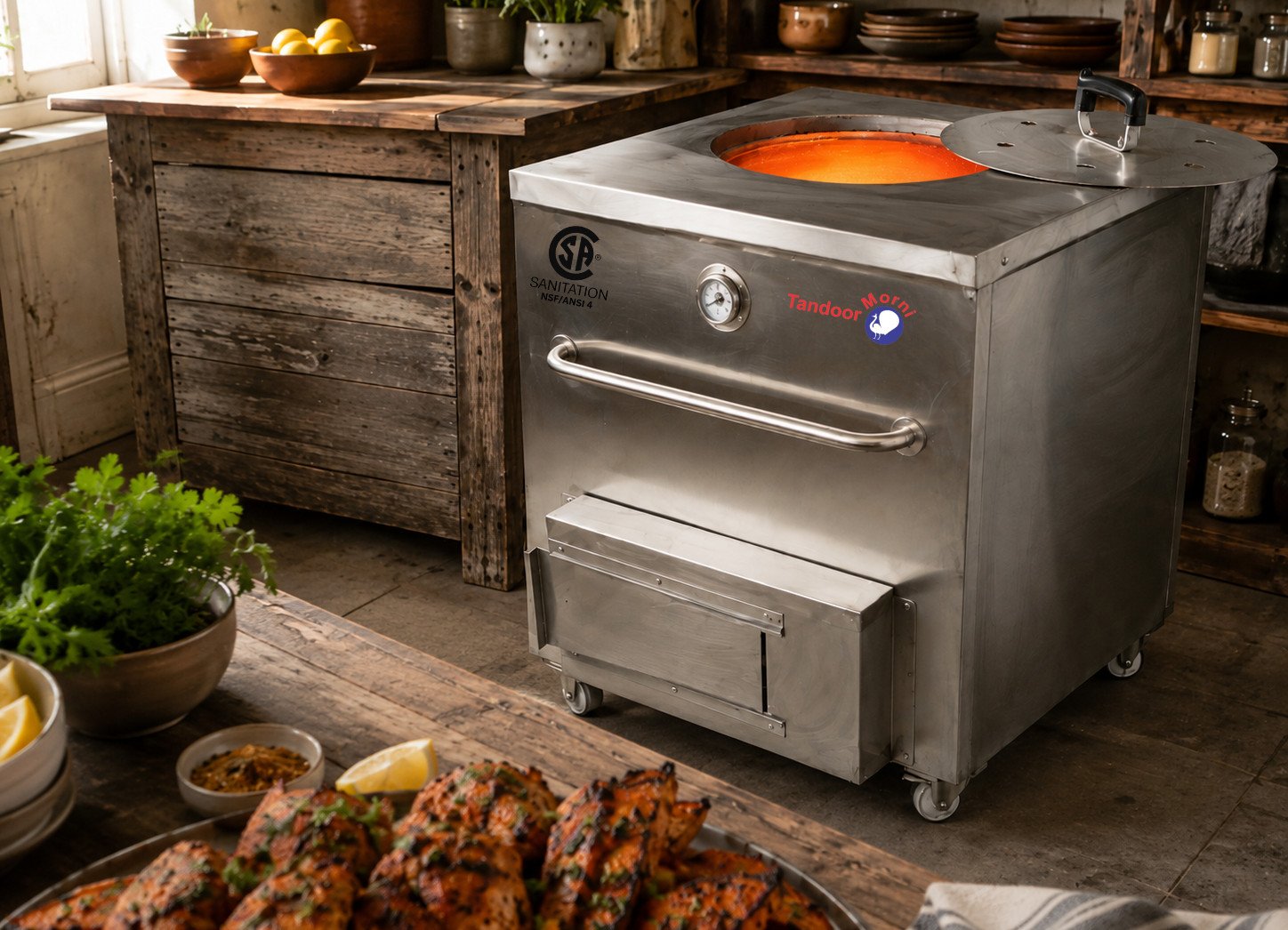
Preheat
Preheat the tandoor to 550–600°F, confirming with a thermometer — cooler than most protein recipes, to give the sweet potato time to cook through before it burns.
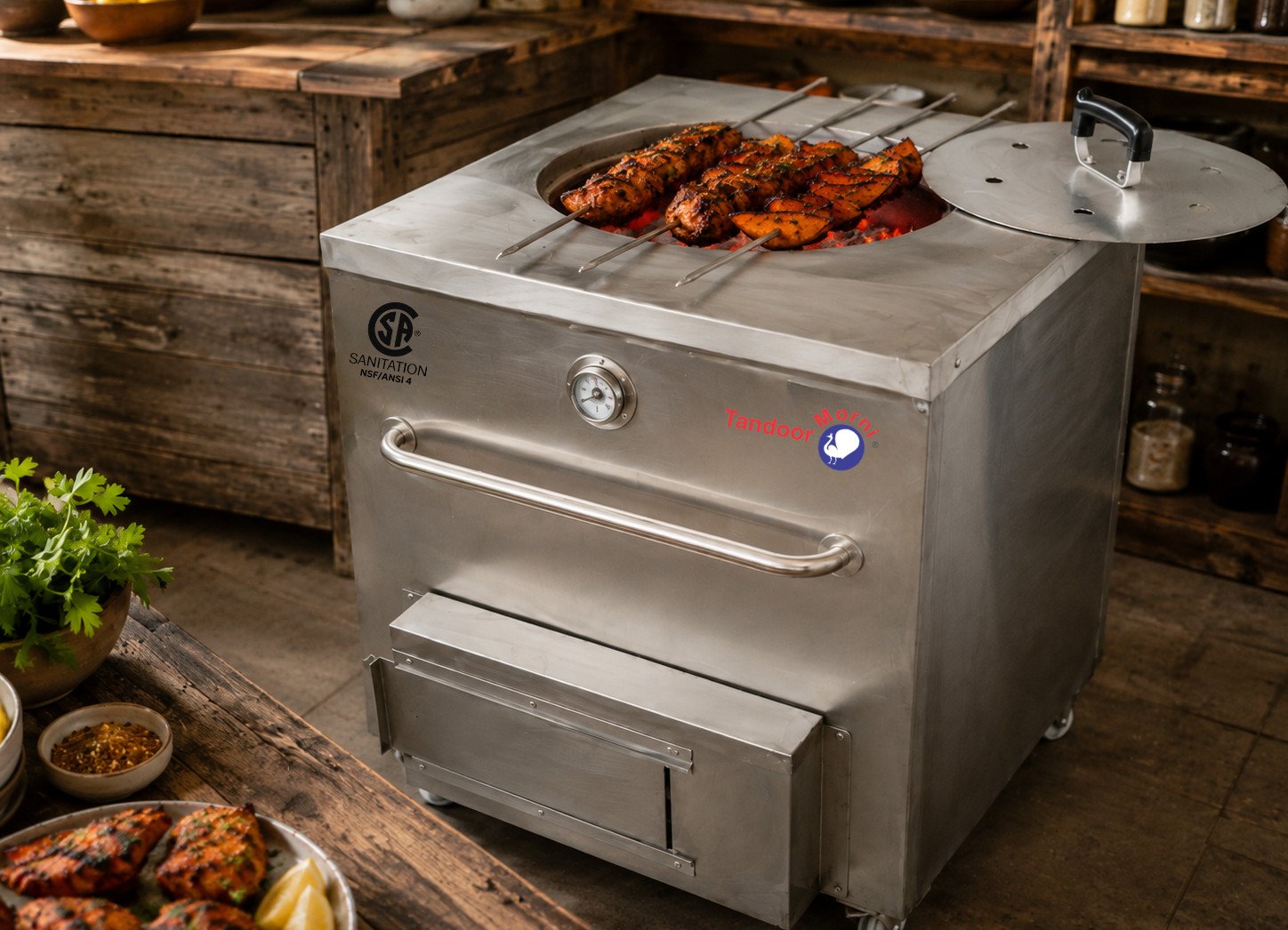
Cook Both Together
Cook the chicken 12 to 15 minutes and the sweet potato 10 to 12 minutes, basting the potato once with melted butter, until both are charred and tender.
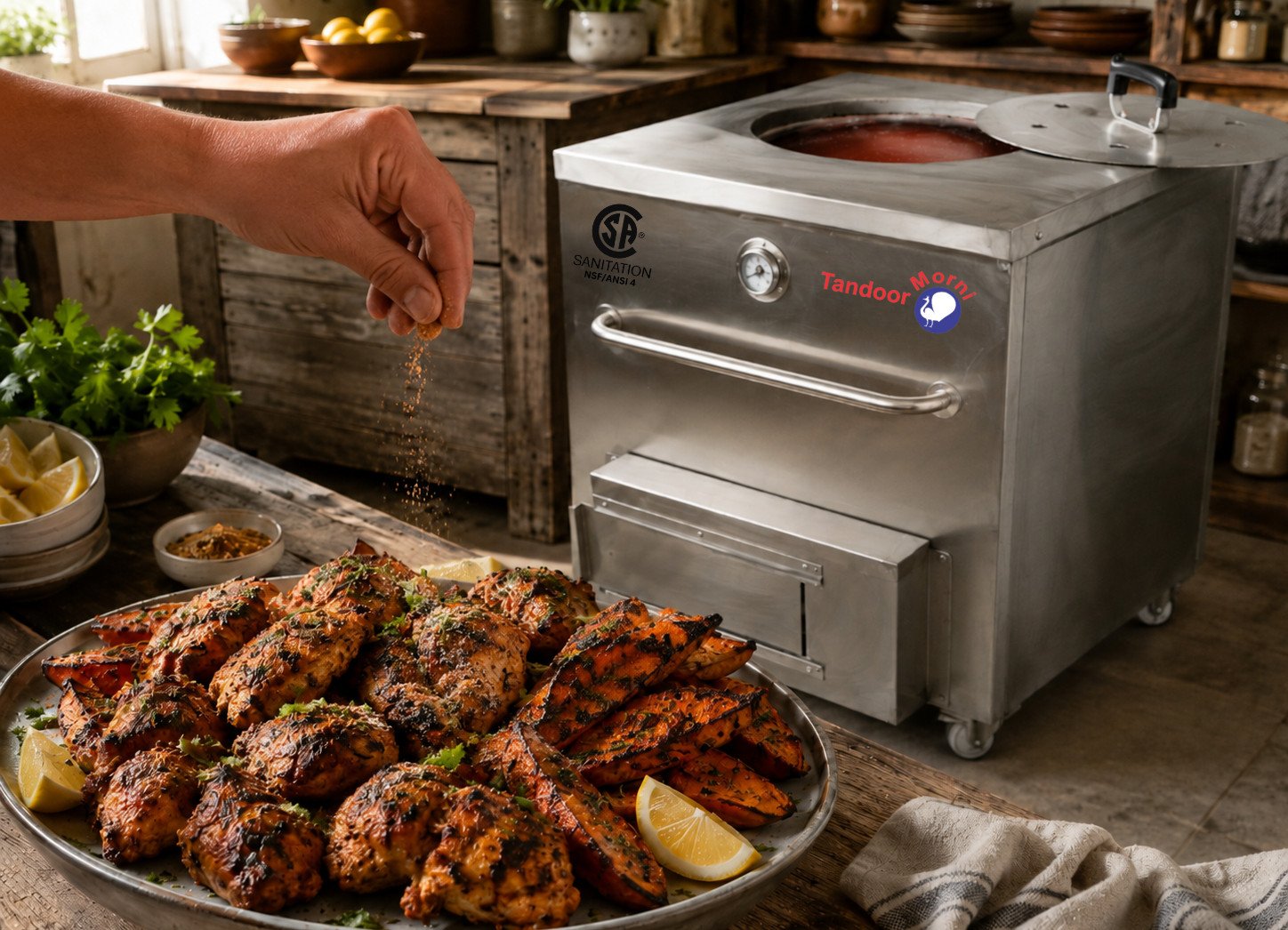
Finish and Serve
Toss both components with chaat masala and serve together with lemon wedges.
Why Sweet Potato Needs Cooler, Closer-Watched Heat Than Regular Potato
Treating sweet potato exactly like the white potato used in the aloo tikka recipe elsewhere on this site is the most common reason this dish goes wrong.
Why Sugar Content Changes Everything
Sweet potato carries meaningfully more natural sugar than white potato, and that sugar caramelizes and burns at a lower threshold than the starch-dominant surface of a regular potato does. The same wall temperature that chars white potato to a perfect finish can push sweet potato from caramelized to burnt in the same window.
Why the Parboil Is Shorter Here
Sweet potato's flesh is naturally softer and more moisture-dense than white potato's, meaning it needs less time to reach the same "slight resistance" doneness marker at the parboil stage. A parboil timed like the aloo tikka recipe's would leave sweet potato over-softened before it even reaches the wall.
Confirming the Chicken Alongside a Different Vegetable
Because the sweet potato needs closer visual attention than the chicken does, it's easy to let the chicken's doneness slip while watching the potato. USDA guidance still requires checking the chicken separately for 165°F, regardless of how the vegetable is doing.
What to Serve Chicken and Sweet Potato With
This tandoori chicken sweet potato pairing works well as a complete, colourful plate on its own, needing little beyond a simple green salad or a dollop of yogurt to round it out. It also pairs naturally with naan if you want bread alongside.
For a broader tandoori cooking spread, this dish's natural sweetness makes a good counterpoint to spicier mains elsewhere in this collection.
Additional Technique Notes
Watch the Sweet Potato More Closely Than the Chicken
Its higher sugar content means it can go from charred to burnt faster than most proteins in this collection.
Keep the Wall Cooler Than Usual
550–600°F, not the 600–650°F range most protein recipes use, gives the sweet potato room to cook through without burning.
Cut Wedges to a Consistent Size
Uneven wedges cook at different rates, risking some pieces burning while others stay underdone.
Reserve Marinade Before It Touches Raw Chicken
Set aside the sweet potato's portion of marinade before adding it to raw chicken, for food safety.
Check the Chicken Independently
Per USDA guidance, confirm 165°F on the chicken specifically, even while attention is split with the vegetable.
Common Problems and Fixes
The Sweet Potato Burnt Before It Cooked Through
Almost always too hot a wall or too long a cook. Confirm you're in the 550–600°F range and check the sweet potato more frequently than the chicken.
The Sweet Potato Was Mushy
Likely an over-long parboil. Sweet potato needs less parboil time than regular potato — aim for a knife meeting slight resistance, not full tenderness.
The Chicken Was Undercooked
Check with a food thermometer per USDA guidance rather than judging by char colour, especially if attention was focused on the sweet potato.
The Two Components Didn't Finish Together
Sweet potato's cook time is slightly shorter than the chicken's — start the chicken first if timing them closely matters to your service.
Storing Leftover Chicken and Sweet Potato
Both components keep in an airtight container for up to 3 days refrigerated, together or separately. Reheat in a hot oven for a few minutes to bring back some char, rather than microwaving.
This dish freezes reasonably well, though the sweet potato's texture softens further on thawing.
Where Chicken and Sweet Potato Fits
This chicken and sweet potato tandoori pairing draws on the same marinate-and-char technique central to tandoori cooking broadly, rather than reflecting a traditional regional dish in its own right.
| Tandoori Chicken and Sweet Potato Modern, Western-Influenced | Chicken and sweet potato cooked together, sharing a marinade base — the style this recipe follows. |
| Tandoori Chicken and Aloo Tikka Restaurant-Style, Pan-Indian | The same concept using white potato instead, which tolerates higher heat and a longer parboil. |
| Roasted Chicken and Sweet Potato Western | Roasted together in a conventional oven with herbs rather than a spiced yogurt marinade. |
| Jerk Chicken with Sweet Potato Caribbean | Built on a completely different spice base — allspice and scotch bonnet rather than garam masala and Kashmiri chilli. |
A General Note on Nutrition
This tandoori chicken sweet potato dish balances lean chicken protein against sweet potato's fibre and beta-carotene content, making it one of the more nutrient-dense mains in this collection. Check specific figures via USDA FoodData Central for your exact ingredients.Estimated values calculated from the recipe's ingredients using standard USDA reference data, not a laboratory analysis. Actual values will vary based on exact brands, measuring technique, and preparation choices. For a precise figure, calculate directly from the ingredients you use via USDA FoodData Central.
Sweet potato is a strong source of beta-carotene and fibre, complementing the chicken's lean protein for a genuinely well-rounded plate. As with any recipe, check ingredients against your own dietary needs via USDA FoodData Central rather than relying on general notes like this one.
Frequently Asked Questions — Tandoori Chicken and Sweet Potato
Why does sweet potato need a cooler wall than regular potato?
Can I use the same marinade for both the chicken and the sweet potato?
Why is the sweet potato's parboil shorter than a regular potato's?
How do I know the chicken is safe to eat while I'm watching the sweet potato closely?
What size should I cut the sweet potato wedges?
Why did my sweet potato burn before it was cooked through?
Can I use a different variety of sweet potato?
How do I know my tandoor wall is hot enough before either component goes in?
Which Tandoor Morni oven is best suited to this recipe for a small household meal?
Home Tandoor Ovens Sized for This Recipe
This recipe's household-scale yield works well on any of the ovens below — the main difference between them is capacity and footprint, not cook quality.
20x26 inches. The oven used to develop this recipe — the most compact and affordable in our home line.

20x28 inches. Two inches taller, serving 5 more guests per session.
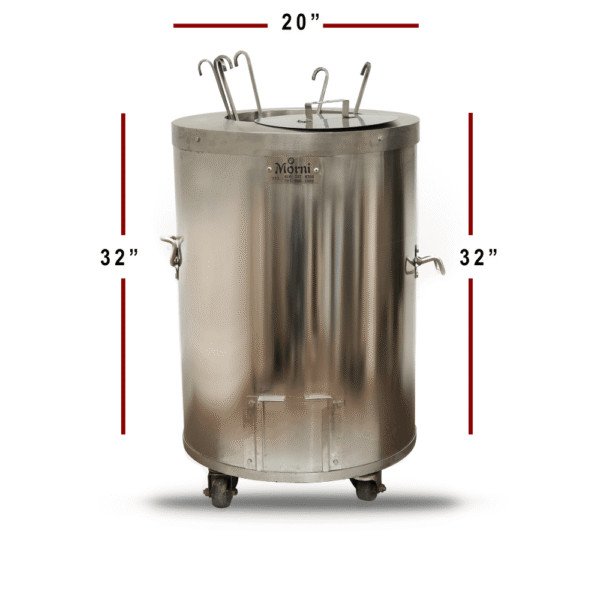
20x32 inches. The largest of our home line, serving 20 or more per session.