



Description
Product Overview
Tandoor Oven Clay Balls AS07 — Heat Distribution, Heat Retention & Gas Flame Management
What Are Tandoor Oven Clay Balls — Heat Distribution, Heat Retention & Flame Management?
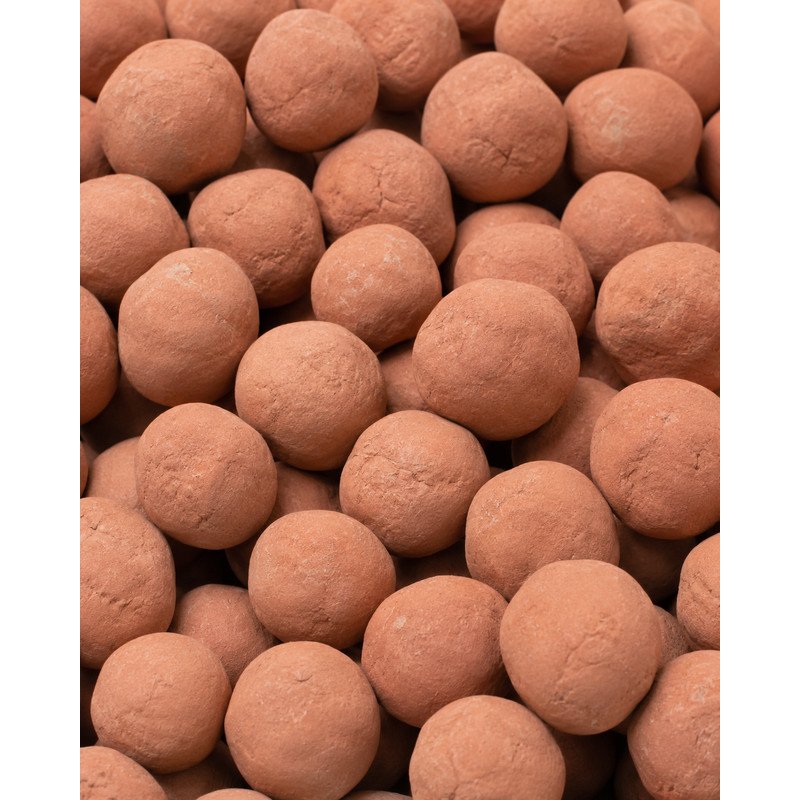
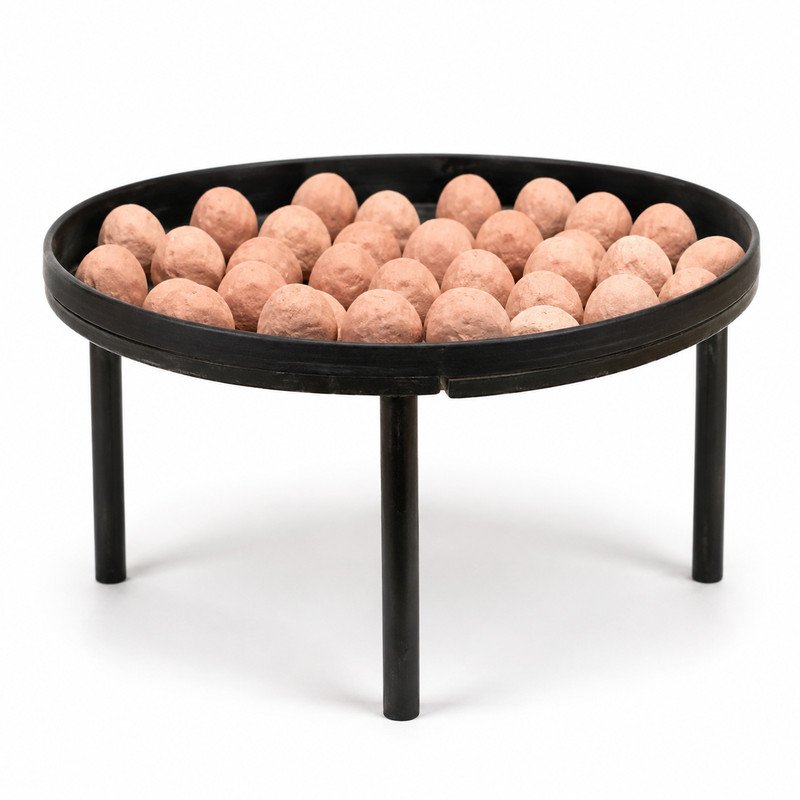
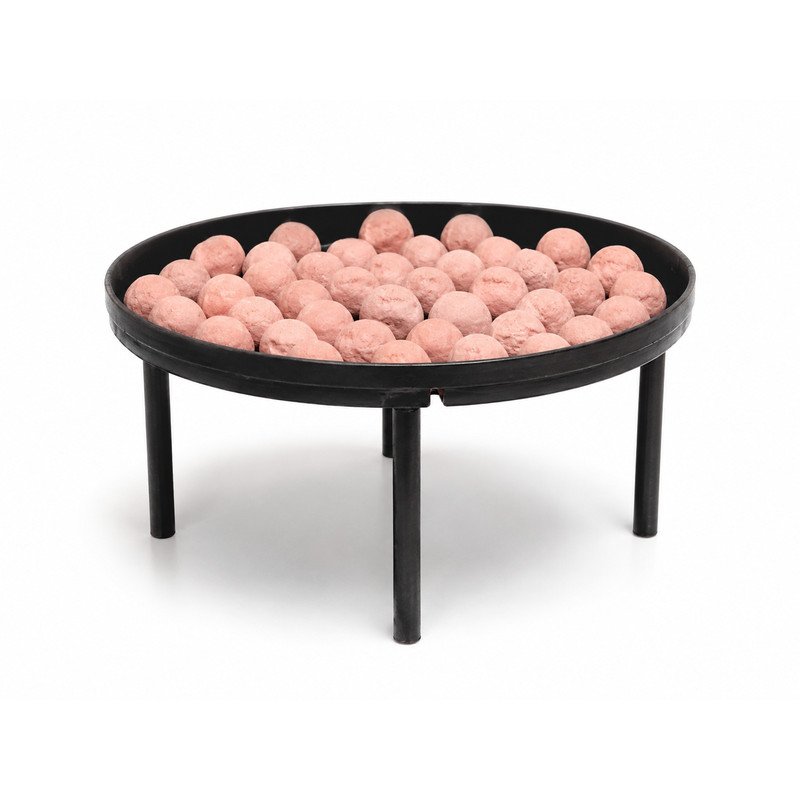
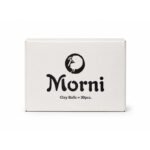
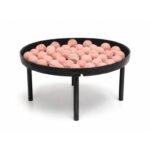
Tandoor oven clay balls AS07 are the most important tandoor oven accessory and oven accessory for any gas-fired clay tandoor. These fully reusable natural fired clay spheres provide both heat distribution and heat retention — the two thermal functions that determine even cooking results in a gas tandoor oven. They are small, solid spheres of fired natural clay — also called clay balls for gas oven use, clay oven balls, refractory clay balls, or heat distribution balls for gas tandoor use — used in gas tandoor ovens to improve heat distribution and manage gas flame management within the clay chamber. Manufactured by Tandoor Morni since 1992 — the original manufacturer of clay tandoor ovens and accessories in the USA — the AS07 pack contains 75 natural fired clay balls, each made from the same natural mineral-rich clay as the Tandoor Morni clay tandoor pot itself.
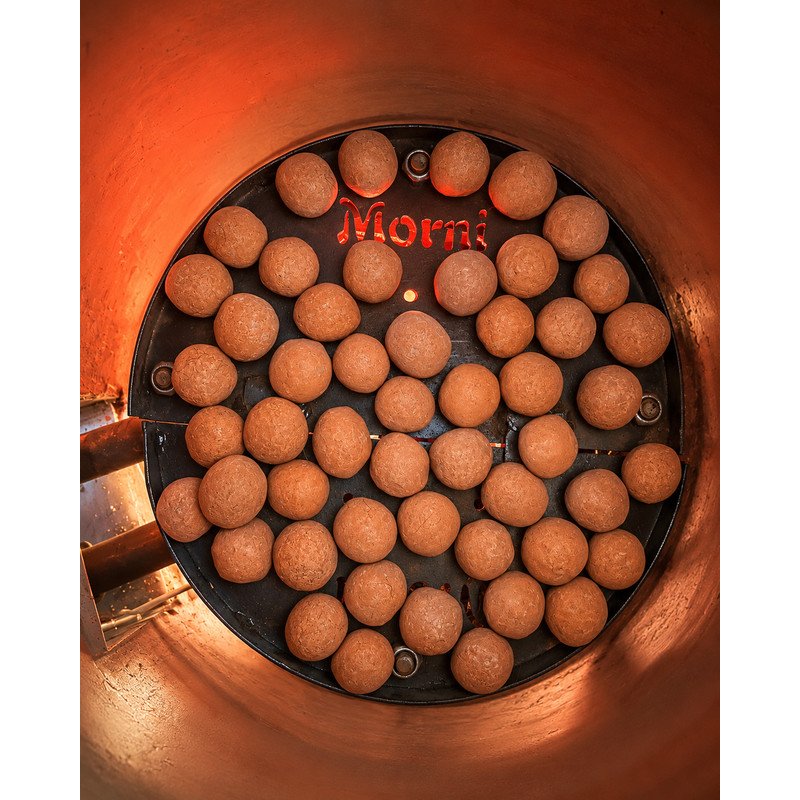
The tandoor oven clay balls are placed around or near the gas burner at the base of the tandoor oven, where they absorb heat from the gas flame, store it as heat retention mass, and re-radiate it as stored thermal energy. This heat retention function also moderates gas flame management — the clay balls absorb excess flame energy and release it gradually. This replicates, to a degree, the even heat distribution that natural lump charcoal provides in charcoal tandoor ovens. In a gas tandoor oven, the gas burner produces a concentrated flame that heats the clay chamber from a single point. Without a heat distribution medium, this creates uneven heat zones within the clay chamber — hotter near the flame, cooler further away — resulting in uneven cooking. Clay balls solve uneven heat distribution and deliver even cooking results across the full clay chamber. Tandoor clay balls address this by absorbing and storing heat across multiple points within the base of the oven, spreading thermal energy more evenly before it radiates into the cooking chamber. As a bonus, the natural clay material imparts a subtle clay flavor to food — a clay flavor note particularly noticeable in naan bread tandoor oven results — that metal heat distributors cannot replicate.
Clay Balls vs Charcoal — Understanding the Thermal Difference
Clay balls vs charcoal — and the role of tandoor heat balls — is the most important distinction for any new gas tandoor owner. Tandoor clay balls (sometimes called refractory clay balls or ceramic balls for tandoor) do not replicate charcoal or wood combustion. They do not produce smoke, aromatic compounds, or the live-fire flavor that charcoal and wood combustion generates. Their function is purely thermal — they distribute and store heat, not flavor. This clay balls vs charcoal distinction matters for buyers choosing between gas and charcoal firing. For authentic smoky tandoori flavor, a charcoal or wood-fired tandoor oven is the only option. The clay balls vs charcoal choice is simple: if you have a gas tandoor, you need clay balls. If you want smoky live-fire flavor, you need a charcoal model. Clay balls are a thermal management tool for gas tandoor ovens where charcoal is impractical — every restaurant, commercial kitchen, and indoor home kitchen running a gas tandoor benefits from them.
Food safety: The AS07 clay balls are manufactured from food-grade natural fired clay — the same mineral-rich clay composition used in Tandoor Morni clay tandoor pots. Non-toxic, free from synthetic binders and chemical additives. The clay balls sit at the base of the oven around the burner — they do not contact food directly. They are safe for use in any clay tandoor oven for any food type.
What Is Included in the A Series Accessories Kit?
One pack of tandoor oven clay balls AS07 (75 balls, SKU 22712) is included in the free accessories kit that ships with all Tandoor Morni A Series copper tandoor ovens — the Propane Gas Tandoor Oven A02 32×32, Stainless Steel Tandoor Oven A04 34×34, and Large Indoor Tandoor Oven A06 36×36. They are also compatible with and available separately for owners of gas-fired commercial clay series models — Restaurant Tandoor Oven CH02 32×32, Natural Gas Tandoor Oven CH04 34×34, Middle Eastern Tandoor Oven CH06 36×36, Indian Tandoor Oven T02 32×32, CSA ETL NSF Tandoor Oven T04 34×34, and Punjabi Tandoor Oven T06 36×36.
Key Features
Why Choose the Tandoor Morni Tandoor Oven Clay Balls AS07?
Even Heat Distribution & Heat Retention
Tandoor clay balls absorb heat from the gas flame and store it as heat retention mass — this dual function of heat distribution and heat retention reduces hot spots, eliminates uneven heat zones, and delivers even cooking results. Naan, kebabs, and meats cook more evenly with every session.
Natural Fired Clay — Same Material as the Tandoor Pot
Made from the same natural mineral-rich clay used in Tandoor Morni clay pots — absorbs and radiates heat consistently without off-gassing or chemical release at cooking temperatures. Food-grade and inert under all gas tandoor operating conditions. No synthetic coatings, no binders.
Fuel Conservation & Fuel Efficient Operation
By storing and re-radiating heat from the gas flame, tandoor clay balls deliver meaningful fuel conservation for any gas tandoor oven. Less energy escapes as unproductive convection — the clay holds it and releases it steadily. This fuel conservation benefit is particularly significant in restaurant and commercial kitchen environments where the tandoor runs for hours daily.
Gas Tandoor Essential — All Gas-Fired Models
Included in the accessories kit with all A Series copper gas tandoor ovens. Compatible with all Tandoor Morni gas-fired commercial clay series models. Any gas tandoor operating without reusable clay balls is producing uneven heat from a single point source. They are the most cost-effective upgrade available for any commercial gas tandoor oven.
Reusable & Long Service Life — 75 Balls Per Pack
Tandoor clay balls are fully reusable and cost-effective — they do not degrade with heat under normal tandoor operation. Each ball is reusable indefinitely until it physically fractures. A pack of 75 balls will typically last years of daily commercial use or decades of home use. The only replacement trigger is physical fracturing of individual balls.
Adds Authentic Clay Flavor — Naan, Tandoori Chicken & Kebabs
The natural clay material contributes a subtle, earthy clay flavor to food — producing an authentic tandoori flavor character that particularly enhances naan bread pressed directly onto the clay wall. This is not the smoky charcoal flavor of a live-fire tandoor, but it does add a mild authenticity to gas-fired tandoor cooking that bare metal heat distribution elements cannot provide.
Usage Guide
How to Use Tandoor Oven Clay Balls AS07 — Placement, Quantity & Maintenance
How Many Clay Balls to Use
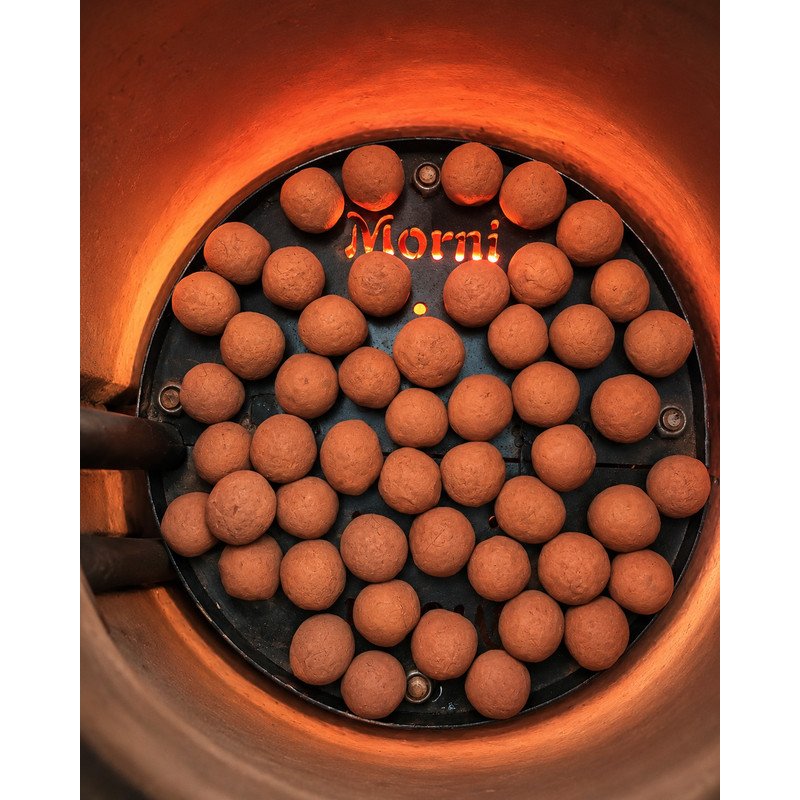
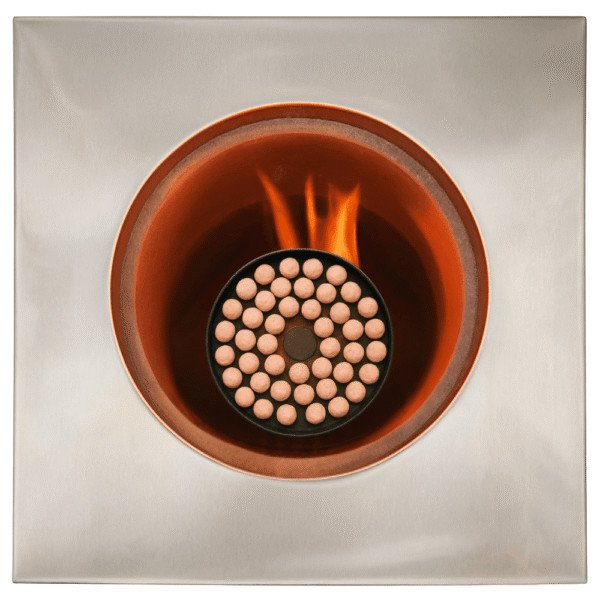
A full pack of 75 reusable tandoor clay balls (AS07, SKU 22712) is the correct quantity for all Tandoor Morni gas-fired tandoor oven models. For the compact A02 32×32, 50 of the reusable balls provides full coverage of the burner base. For the larger A04 34×34, A06 36×36, and all commercial gas models (CH02 through T06), use the full 75-ball pack. The clay balls should be arranged in a single layer around the burner — do not pile or stack them. A single layer maximises both heat absorption surface and airflow to the gas flame.
Where to Place Tandoor Clay Balls
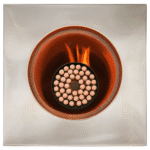
Place the tandoor clay balls directly on the clay floor of the oven base, forming a ring or bed around the gas burner. Do not cover the burner orifice or the gas outlet — air and gas must flow freely to the flame. The balls sit on the perimeter of the burner, not on top of it — this placement is the key to effective heat management. In an A Series copper oven, the clay floor of the base is the correct placement surface. In commercial clay series models (CH02–T06), place the balls on the clay floor around the burner unit in the same manner.
Heating and Cooking with Clay Balls
Light the gas burner as normal once the clay balls are in position. Allow 15 to 20 minutes warm-up time — slightly longer than without clay balls, as the balls must reach their heat retention threshold before they begin re-radiating. This heat retention warm-up period is the key to effective gas flame management: the clay balls absorb and regulate the direct flame energy before it reaches the clay chamber walls, distributing it as radiant thermal energy rather than convective heat. Once at cooking temperature, the clay balls continue radiating stored heat into the chamber for several minutes even if the flame is reduced. The result is even cooking conditions throughout the clay chamber — no hot spots at the base, no cold zones at the top.
Cleaning and Maintenance
Tandoor clay balls require no active cleaning. Ash and residue from the gas flame bake into the clay surface over time. If balls accumulate heavy ash, allow the clay chamber and oven to cool completely, remove the balls from the clay chamber floor, and brush off loose ash with a dry brush only. Do not wash clay balls with water — moisture absorbed into fired clay can cause fracturing when the balls are next heated rapidly. Inspect the balls periodically for physical fractures. Broken tandoor clay balls that have split into fragments should be removed immediately — fragments can obstruct the gas burner orifice and reduce heat retention.
Specifications
Technical Specifications — Tandoor Oven Clay Balls AS07
| Model | AS07 — Tandoor Oven Clay Balls |
|---|---|
| Product Code | 22712 |
| Colour | Skin Tone |
| Quantity | 75 Balls per pack |
| Condition | New |
| Use | Heat distribution and heat retention in gas tandoor ovens — flame management, hot spot reduction, and fuel conservation |
| Material | Natural fired clay — same mineral-rich composition as Tandoor Morni clay tandoor pots |
| Food Safety | Food-grade natural fired clay — non-toxic, no synthetic binders, inert at all tandoor operating temperatures. Contributes a subtle natural clay flavor to food. |
| Primary Compatibility | All Tandoor Morni gas-fired tandoor ovens — A Series copper models and commercial gas clay series |
| Compatible Models | Propane Gas Tandoor Oven A02 32×32 · Stainless Steel Tandoor Oven A04 34×34 · Large Indoor Tandoor Oven A06 36×36 · Restaurant Tandoor Oven CH02 32×32 · Natural Gas Tandoor Oven CH04 34×34 · Middle Eastern Tandoor Oven CH06 36×36 · Indian Tandoor Oven T02 32×32 · CSA ETL NSF Tandoor Oven T04 34×34 · Punjabi Tandoor Oven T06 36×36 |
| Not Compatible With | Charcoal-only clay tandoor models (R26, R28, R32, CS02, CS03) |
| Included In | A Series copper tandoor oven accessories kit — A02, A04, A06 |
| Ball Size | Approximately 2 inches (5 cm) in diameter — compatible with all Tandoor Morni clay chamber base dimensions |
| Reusable | Yes — fully reusable. Replace only individual balls that fracture. No consumption, no degradation from heat. |
| Available Separately | Yes — SKU 22712 · $75 + Free shipping · Pack of 75 balls |
| Also Known As | Tandoor clay balls · gas tandoor heat balls · tandoor heat distribution balls · clay balls for tandoor oven · tandoor heat retention balls · refractory clay balls · clay oven balls · heat distribution balls · ceramic balls for tandoor · tandoor ball · gas tandoor accessories |
| Shipping | Ships to all 48 contiguous US states — rates calculated at checkout |
Where It’s Used
Use Cases — Tandoor Oven Clay Balls AS07
The tandoor oven clay balls AS07 are relevant for any gas-fired clay tandoor oven in the Tandoor Morni range. Here are the three primary use contexts.
Best Results With Clay Balls
How Clay Balls Improve Naan Bread, Tandoori Chicken & Kebab Results
Gas tandoor clay balls — fully reusable, long-lasting, and effective — provide the heat management foundation for every dish cooked in a gas tandoor oven. Here is how clay balls improve results across the three most common tandoor dishes.
Complete Guide
Tandoor Clay Balls — Complete Guide to Heat Retention, Flame Management & Gas Tandoor Accessories
Heat Retention vs Heat Distribution — Two Functions of Tandoor Clay Balls
Tandoor oven clay balls serve two distinct thermal functions: heat distribution and heat retention. Heat distribution refers to the spread of flame energy across multiple points in the clay chamber base — the clay balls absorb heat from the gas flame at the point of contact and re-radiate it sideways and upward, converting a single hot spot into a distributed heat field. Heat retention refers to the thermal mass effect — the clay balls store absorbed heat and continue radiating it even as the gas flame fluctuates. This heat retention function is why gas tandoors with clay balls maintain more stable cooking temperatures than those without: the clay ball heat retention mass buffers temperature drops when oven doors open, when cold skewers are loaded, and when gas pressure varies.
Tandoor Flame Management with Clay Balls
A raw gas burner in a clay tandoor produces a visible, directional flame that heats the clay chamber base unevenly. Gas tandoor hot spots develop directly above and around the burner orifice. Tandoor clay balls placed around the burner intercept the direct flame, absorb its energy, and re-radiate it as diffuse radiant heat — effectively managing the gas flame’s impact on the clay chamber. This flame management function reduces temperature differential between the base hot spot and the upper clay chamber from as much as 150°F to under 50°F in a well-loaded clay ball bed. Gas tandoor hot spots are the leading cause of uneven naan browning and inconsistent kebab cooking — and clay balls are the simplest fix.
Fuel Conservation and Fuel Efficient Operation
The heat retention mass of 75 tandoor clay balls delivers a meaningful fuel efficient and fuel conservation effect. Because the clay balls store thermal energy and release it gradually, the gas burner does not need to run continuously at full pressure to maintain cooking temperature. Fuel efficient, fuel conservation-focused tandoor operation with clay balls typically reduces gas consumption by 10 to 20 percent compared to a clay ball-free gas tandoor — a significant saving in commercial kitchen environments where a clay tandoor may run for 8 to 12 hours daily. The fuel conservation effect makes the AS07 a cost-justified investment on fuel savings alone, quite apart from the cooking quality improvements.
Naan Bread Tandoor Oven Results — Why Clay Balls Matter
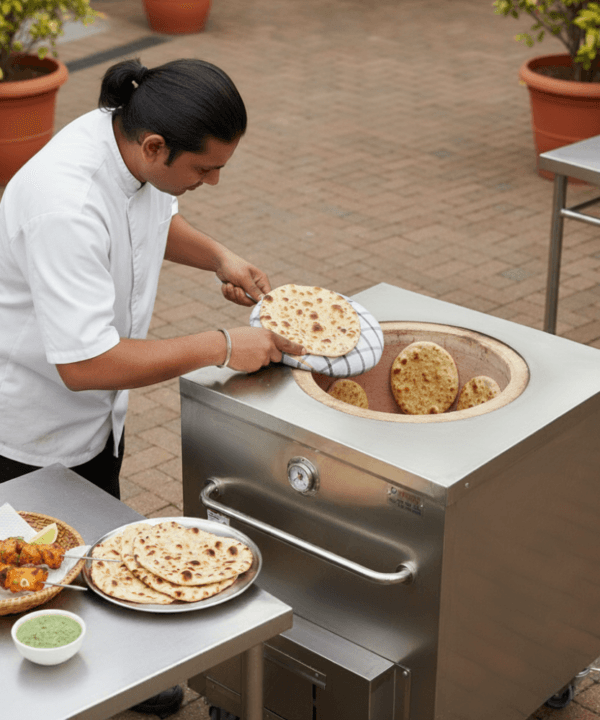
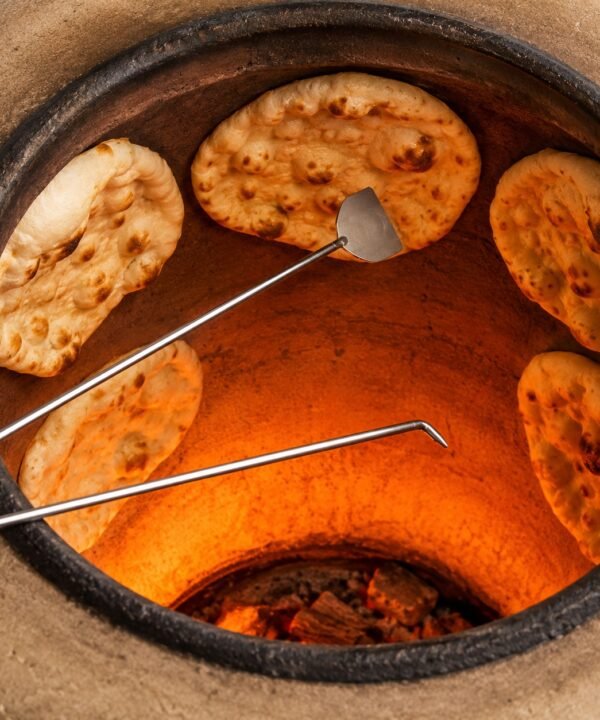
Naan bread tandoor oven baking is the most visually obvious beneficiary of clay ball heat retention and even cooking conditions. Without clay balls, the base of the clay wall (nearest the burner hot spot) browns naan faster than the mid and upper wall zones. With clay balls installed, the even cooking conditions across the full clay chamber wall height mean naan bread browns consistently wherever it is placed. How to cook naan in a tandoor oven with clay balls: pre-heat for 20 minutes with the full ball pack in place, then press naan dough onto the clay wall as normal. The heat retention of the clay balls sustains wall temperature between each naan placement. Results: consistent browning, soft interior, no scorching near the base.
Refractory Clay Balls, Ceramic Balls for Tandoor & Clay Oven Balls — What Is the Right Product?
Commercial buyers searching for refractory clay balls, ceramic balls for tandoor, clay oven balls, or heat distribution balls are looking for the same product category. The AS07 tandoor clay balls are natural fired clay — the same material as the tandoor pot itself — rather than engineered refractory ceramics. Natural clay oven balls expand and contract at the same rate as the clay tandoor chamber, whereas industrial refractory ceramic balls have a different coefficient of thermal expansion and may stress the clay pot walls over time. Natural clay also contributes a clay flavor to food that engineered ceramic spheres do not. On the clay balls vs lava rocks question: lava rocks shed porous fragments in enclosed clay chambers and are not suitable for tandoor use.
Replace Tandoor Clay Balls — When and How
Replace tandoor clay balls when individual balls fracture. A tandoor clay ball replacement pack of 75 (SKU 22712) is the correct replacement quantity. The full replacement process: allow the oven to cool completely, remove all broken clay balls and fragments, inspect remaining whole balls, then refill to a complete single-layer coverage around the burner with the replacement pack. Fragments must be removed promptly — they can obstruct the burner orifice. Dry-brush cleaning only as part of routine gas tandoor maintenance. Commercial tandoor clay balls in daily restaurant use typically need replacement of a few individual balls every 6 to 12 months, not the entire pack.
Gas Tandoor Accessories — What Else You Need
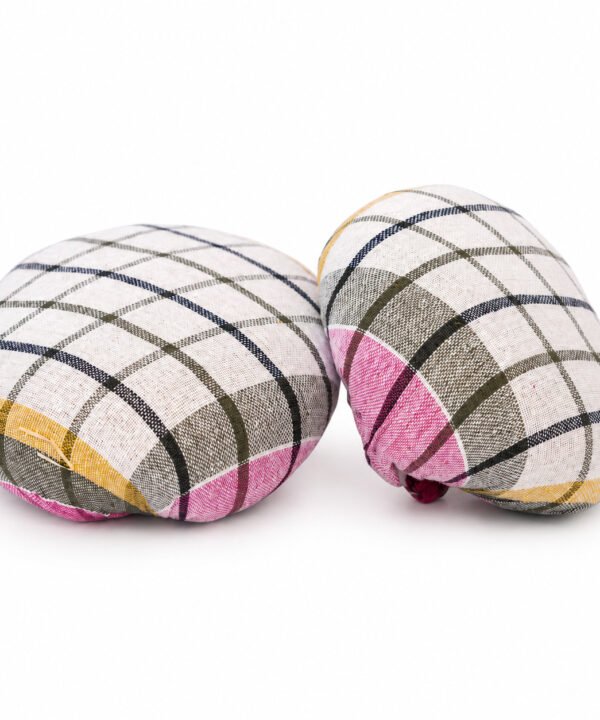
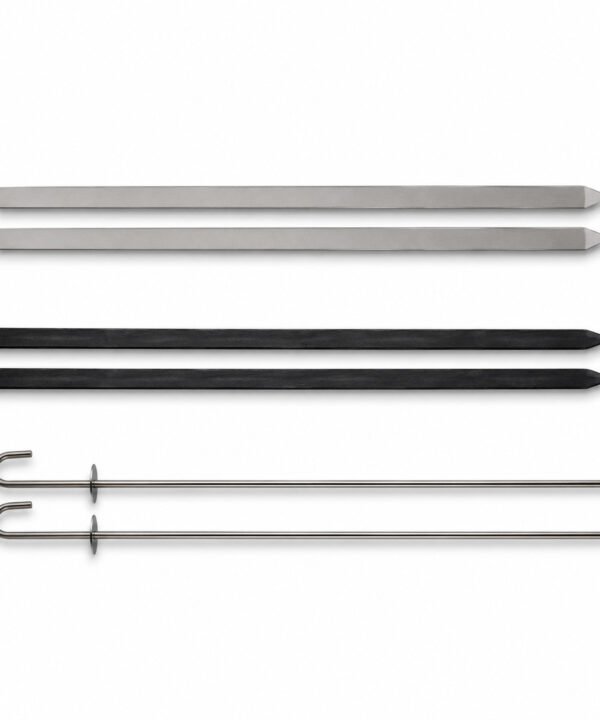
Gas tandoor accessories for complete operation include: clay balls AS07 — also called tandoor heat balls or gas tandoor heat balls — (heat retention and distribution), tandoor skewers AS04 (meat and vegetable cooking), naan gaddi AS09 (naan placement cushion), tandoor gas hose AS01 (propane connection), clay pot repair clay AS08 (clay wall crack repair), and tandoor oven curing paste AS05 (essential clay pot seasoning for new oven first use). Together these form a complete gas tandoor accessories set for any new A Series oven owner. Looking for tandoor clay balls near me? Visit our showrooms in Edison NJ, Manteca CA, Houston TX, Chicago IL, Tampa FL, Washington DC, Algona WA, or Boulder CO.
Customer Reviews
What Our Customers Say
Verified reviews from Google Business — real customers, real experiences.
|
“Clay quality is strong and durable.”
SShivdeepNov 6, 2025 — Verified Buyer
|
“Gives nice smoky flavor to food.”
AAmber sranNov 6, 2025 — Verified Buyer
|
“Using these clay balls made a clear difference in cooking time and taste.”
VVeena gillNov 6, 2025 — Verified Buyer
|
||
|
“Very useful and long lasting product.”
AAaron koenigsbergNov 6, 2025 — Verified Buyer
|
“I used these in my home tandoor and they hold heat really well.”
RRomalNov 7, 2025 — Verified Buyer
|
“The balls are very strong and don’t crack under heat.”
SSurinderNov 7, 2025 — Verified Buyer
|
||
FAQ
Frequently Asked Questions — Tandoor Oven Clay Balls AS07
Do clay balls create smoke or flavor like charcoal?
Which Tandoor Morni models use clay balls?
How many clay balls do I need for my tandoor oven?
Are the clay balls included in the standard accessories kit?
How long do tandoor clay balls last — and when should I replace them?
Can I use clay balls in a charcoal tandoor oven?
How do I clean tandoor clay balls?
Do clay balls affect the taste of food cooked in a gas tandoor?
Can I use clay balls in a commercial gas tandoor oven?
Do I need clay balls in my gas tandoor oven — and will they fix uneven heat?
What are clay balls used for in a tandoor — and are they the same as ceramic balls?
What size are tandoor clay balls — and what size fits my oven?
Clay balls vs lava rocks for a gas tandoor — which is better?
How do I fix gas tandoor hot spots and uneven cooking?
Order & Enquiries
Order Tandoor Oven Clay Balls AS07
Looking for tandoor clay balls near me for immediate collection? Visit one of our 8 US showrooms. To order online: tandoor clay ball replacement packs ship as SKU 22712, $75 + Free shipping, 75 balls. Included free with every A Series copper tandoor oven purchase. Available separately for all gas tandoor models.
Contact our tandoor specialists to order, ask about compatibility, or visit one of our 8 US showrooms — Edison NJ, Manteca CA, Houston TX, Chicago IL, Tampa FL, Washington DC, Algona WA, Boulder CO.
Mon–Fri 9am–6pm ET · All 48 US states · 8 US showrooms
Other Accessories
All 17 Tandoor Morni Accessories
All 17 Tandoor Morni accessories are compatible with the All the Tandoor Morni Tandoor Ovens. Browse all accessories below or call +1 (727) 251-6924 for spare parts, replacement components, and additional skewer sets.
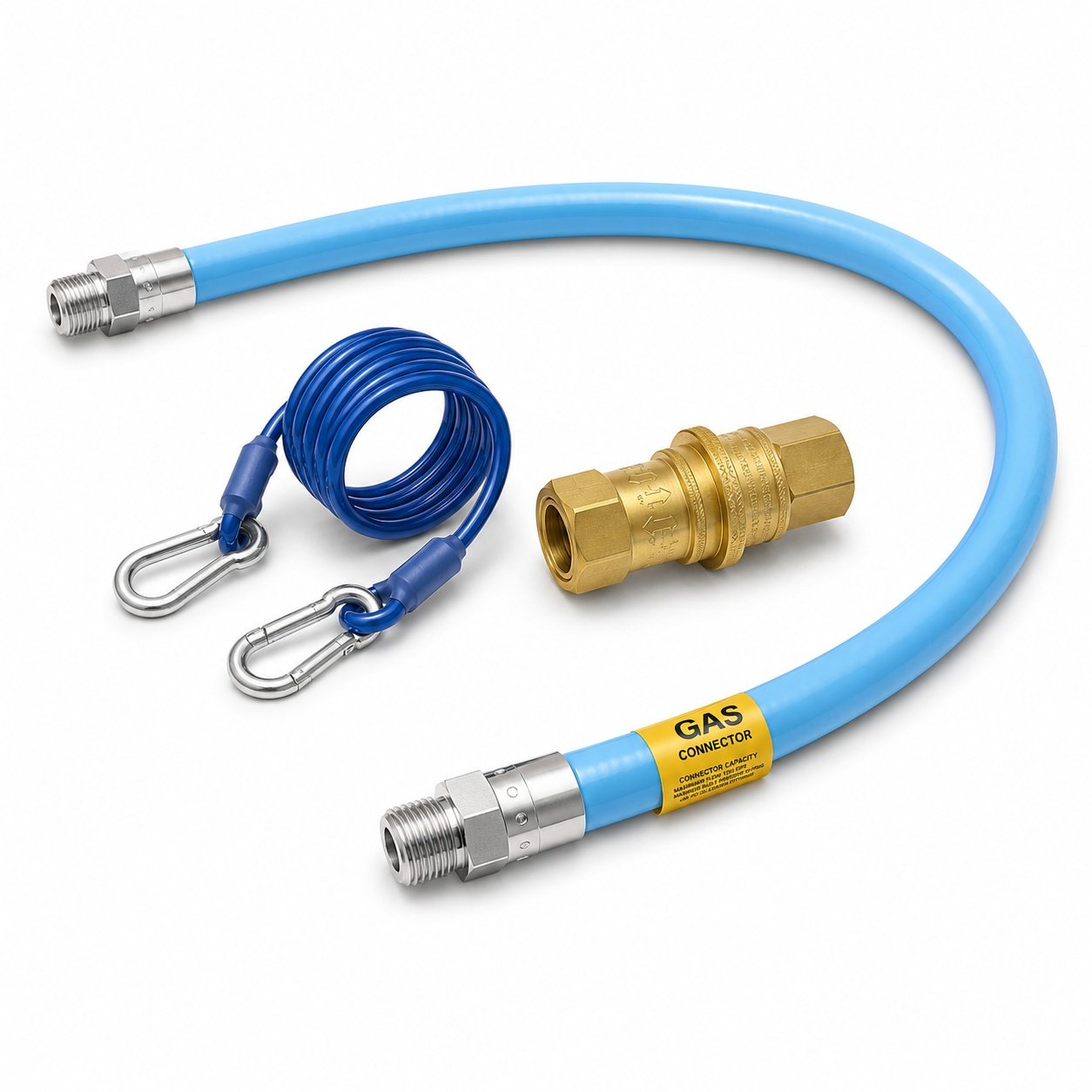
Tandoor Flexible Gas Hose & Commercial Gas Connector Kit AS01
CSA-certified flexible gas hose kit for propane and natural gas connections.
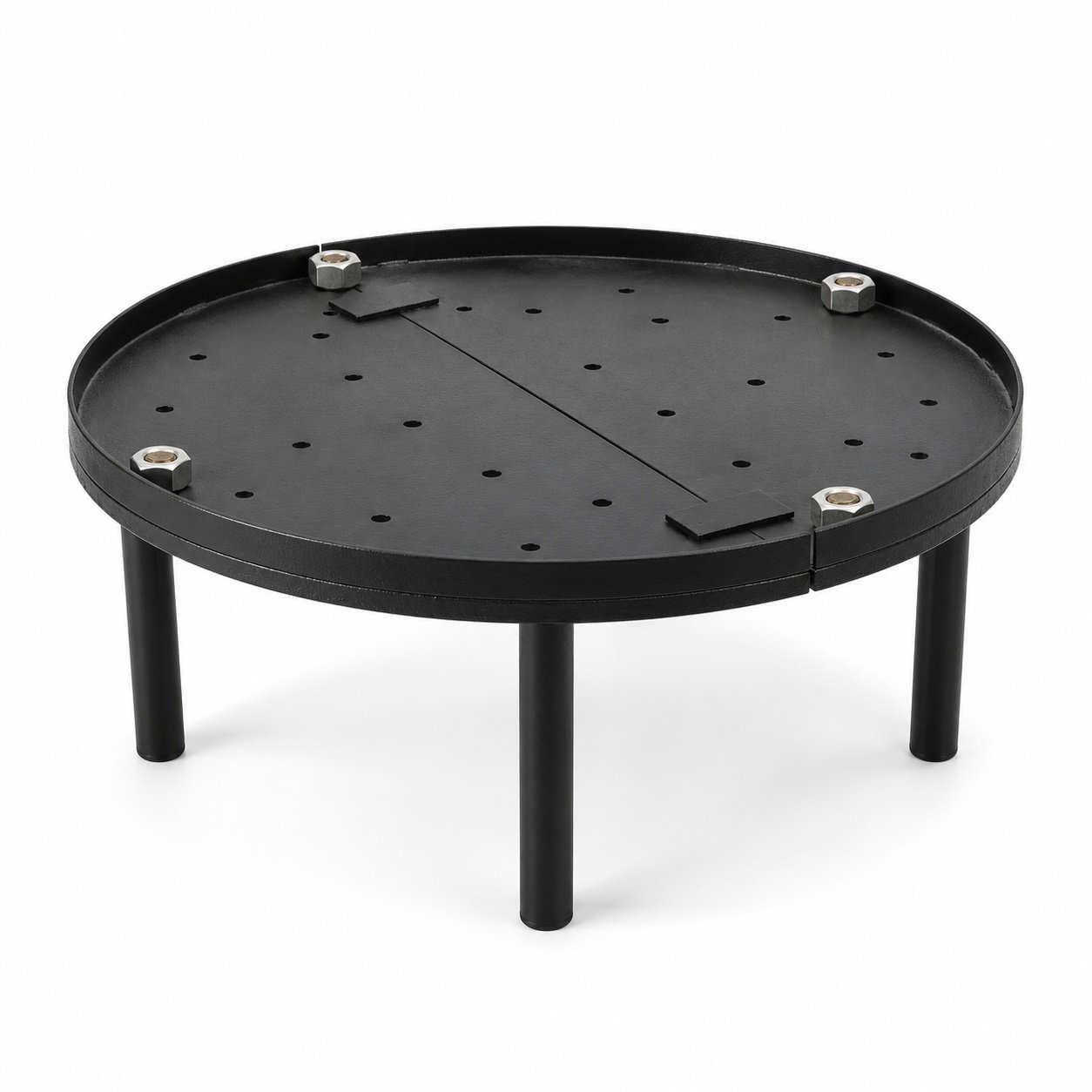
Tandoor Baffle Plate AS02
Stainless steel baffle plate for improved heat distribution in the clay pot.
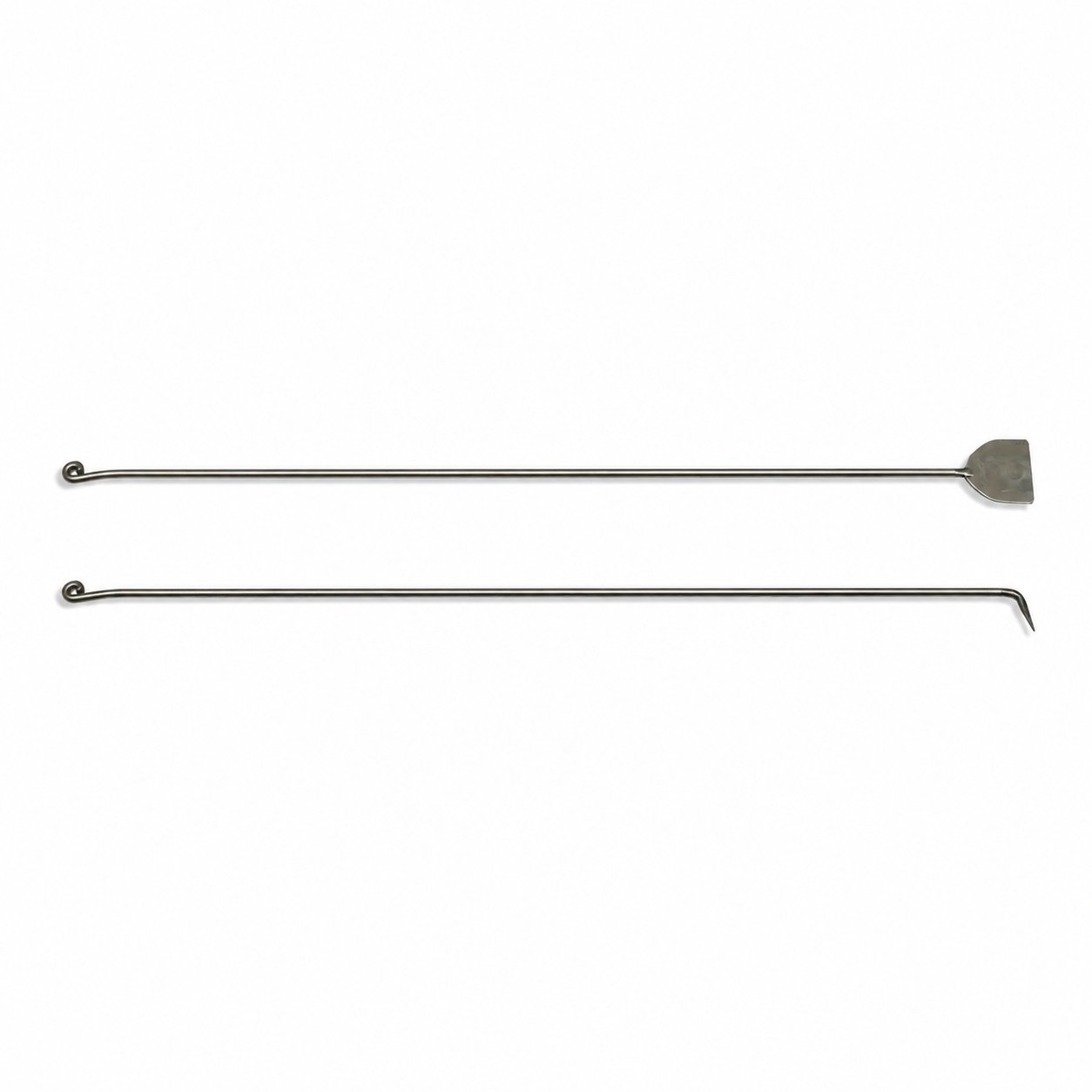
Tandoori Naan Rod Pair AS03
Ergonomic naan rods for safe bread placement and removal from the clay interior.
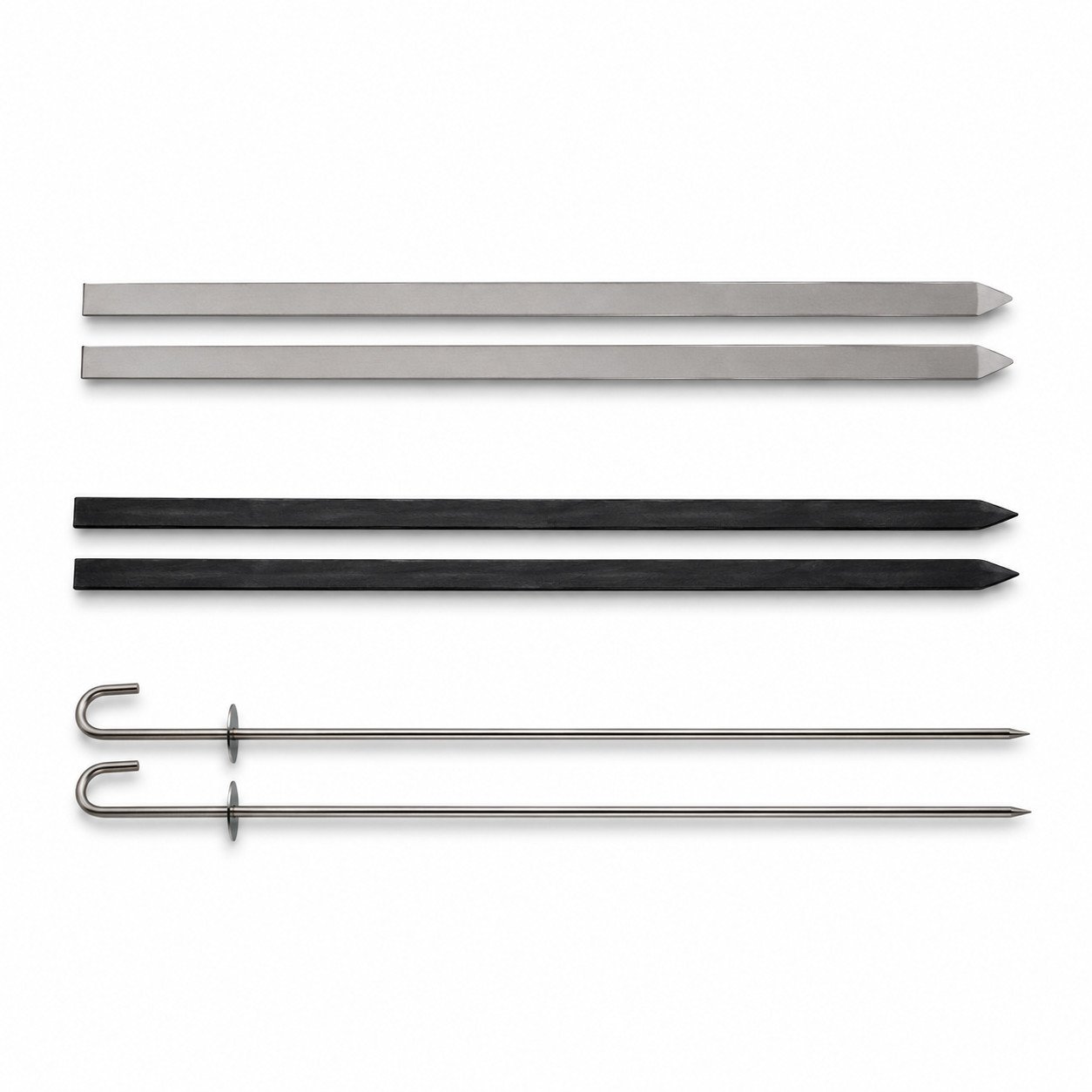
Tandoor Skewers & Shish Kebab Skewers — Flat Metal Grilling Rods AS04
Flat, round, and hook-style skewers for seekh kebab, tikka, and whole meats.
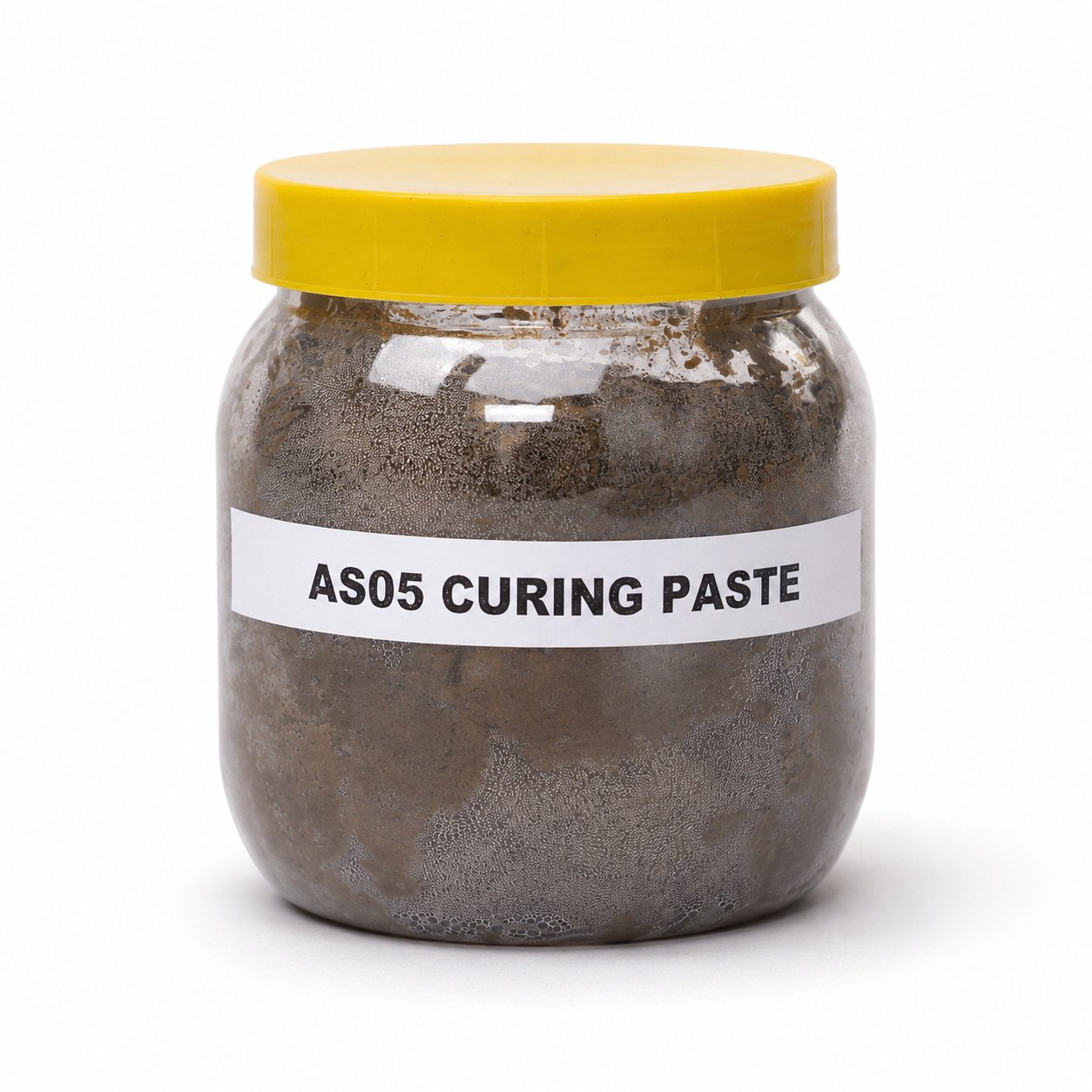
Tandoor Oven Curing Paste AS05
Season the clay interior correctly before first use for a long-lasting, crack-free pot.
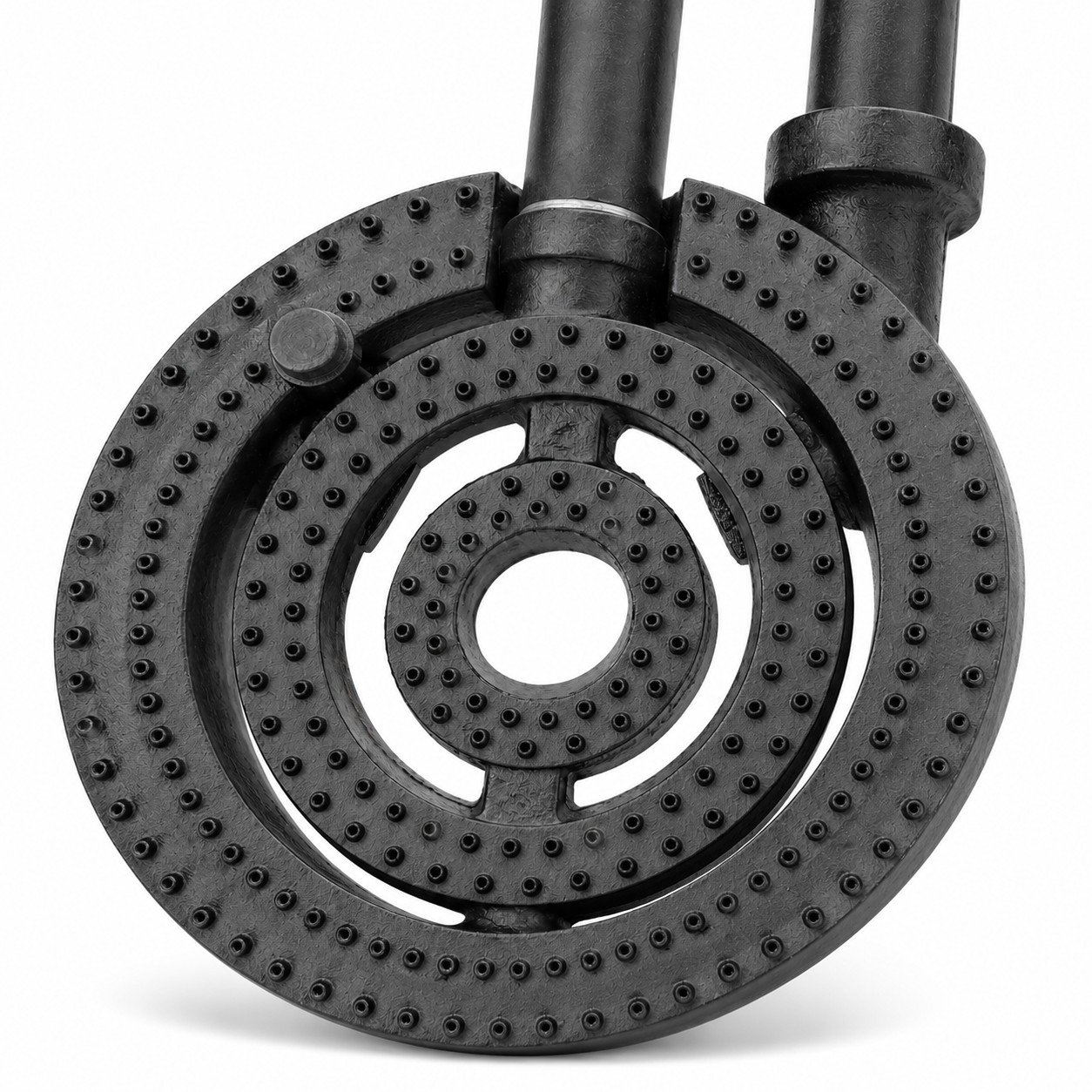
Tandoor Oven Burner AS06
Replacement gas burner compatible with the Round Catering Clay Tandoor Oven CS01.
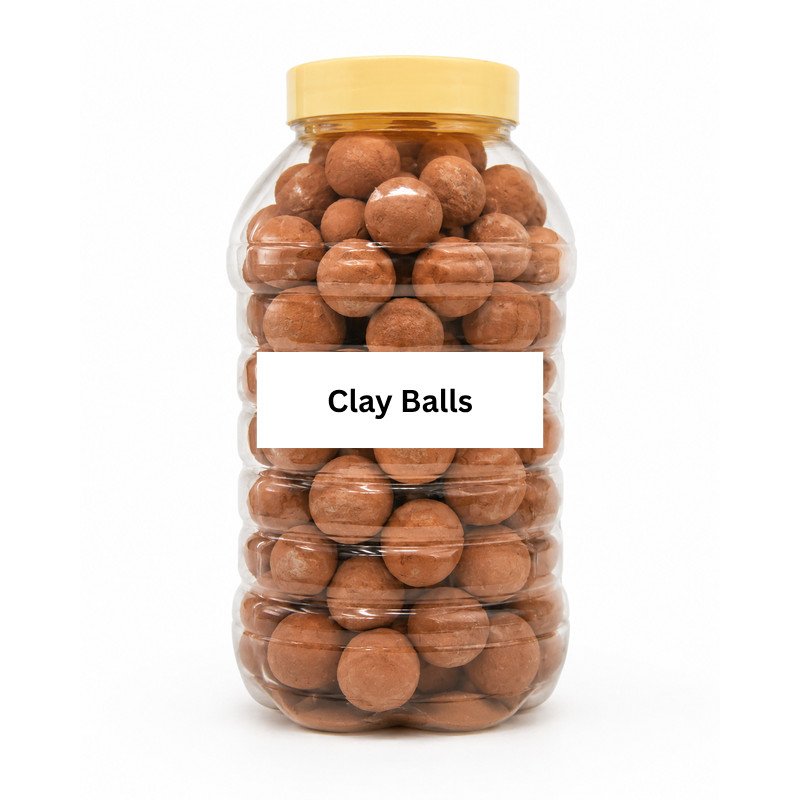
Tandoor Oven Clay Balls AS07
Clay balls for heat retention and even distribution inside the tandoor belly.
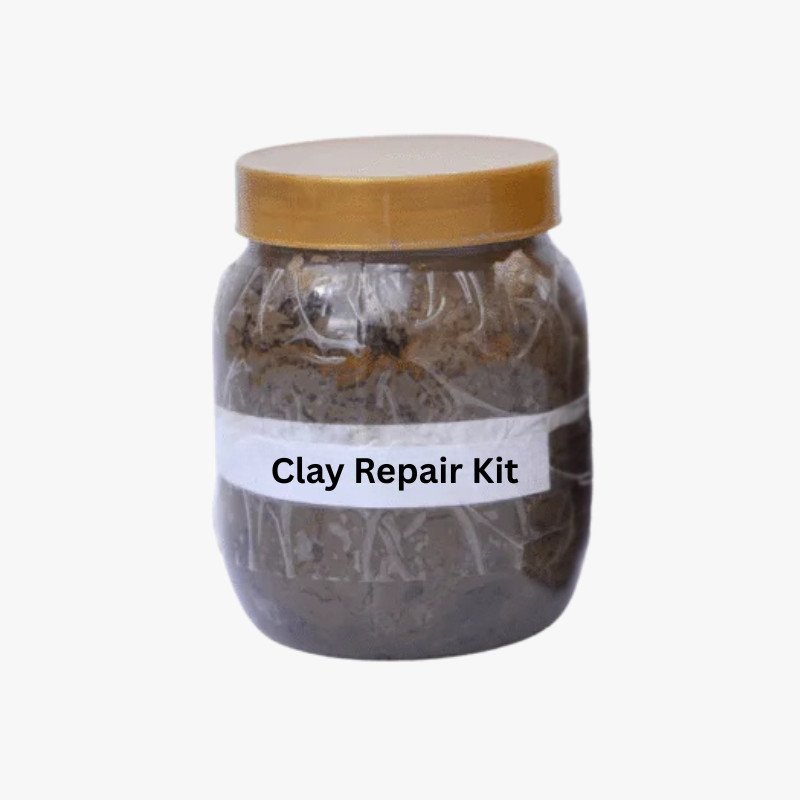
Tandoor Clay Pot Repair Kit AS08
Clay pot repair and maintenance kit for long-term clay interior care.
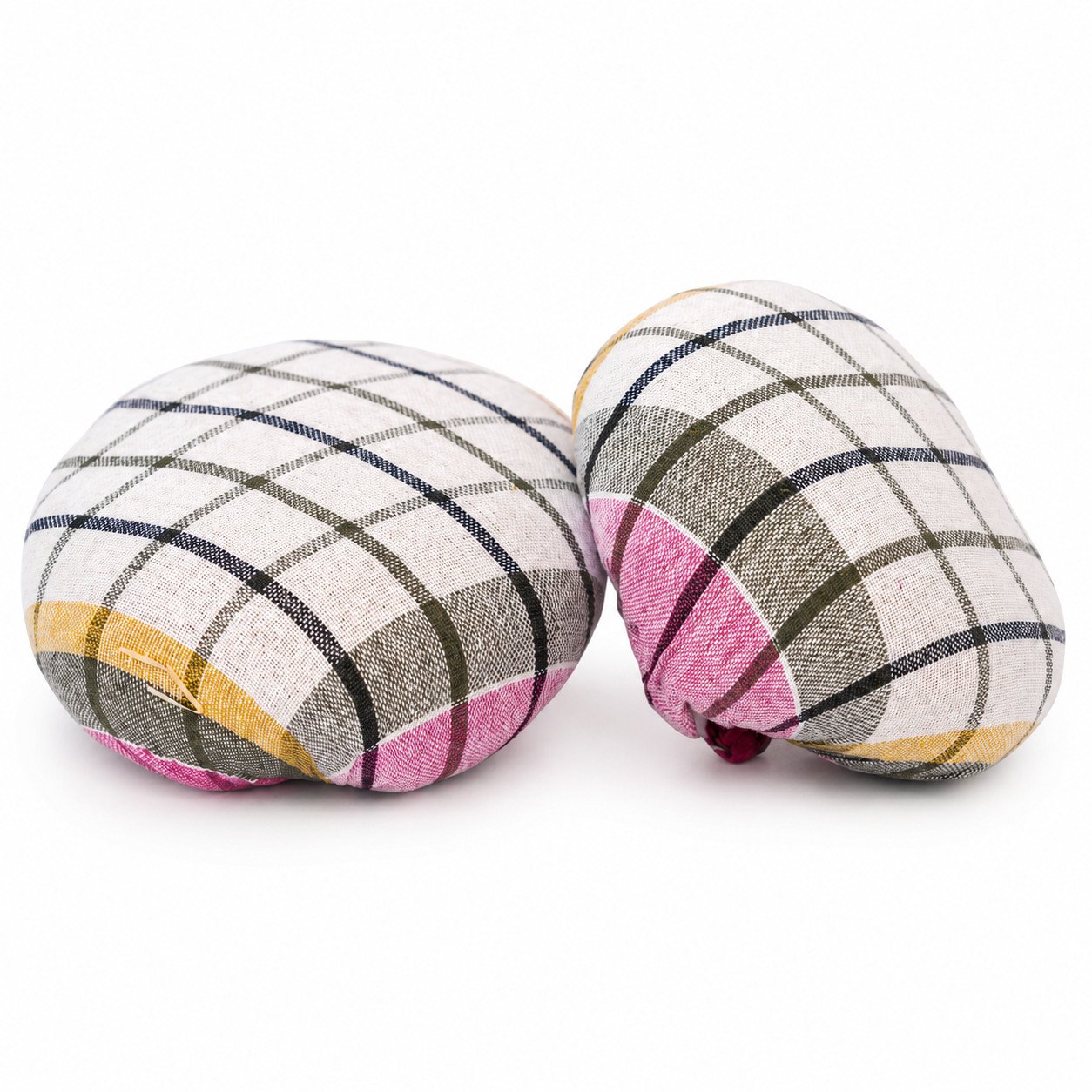
Tandoor Oven Naan Gaddi AS09
Traditional naan gaddi cushions for pressing bread onto the clay wall (pair).
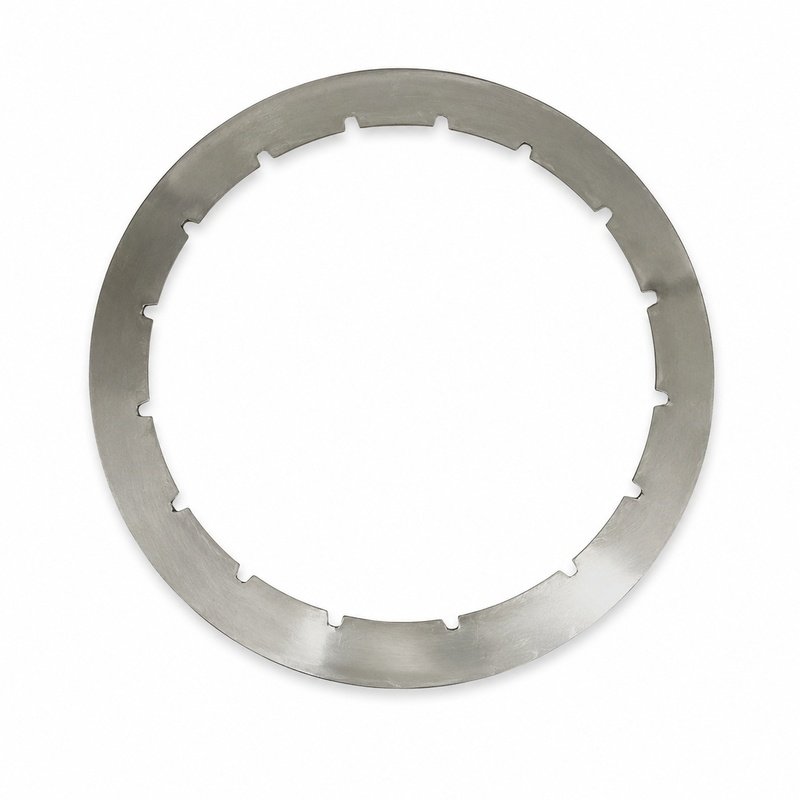
Tandoor Skewers Ring AS10
Skewer ring for safe, convenient resting of hot skewers during service.
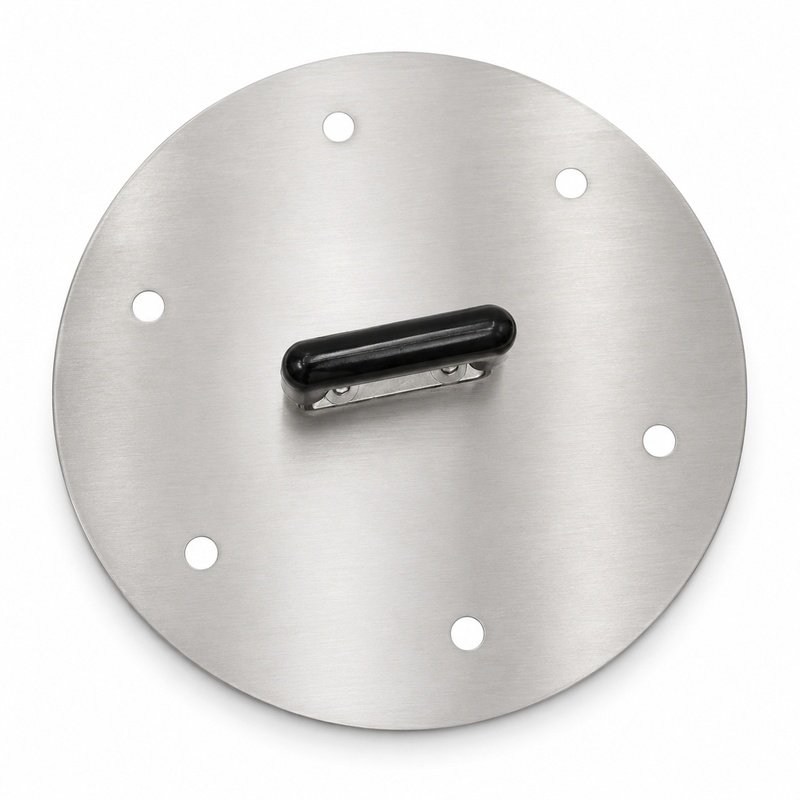
Stainless Steel Tandoor Oven Lid AS11
Mirror-finish stainless steel lid for heat retention between batches and oven storage.
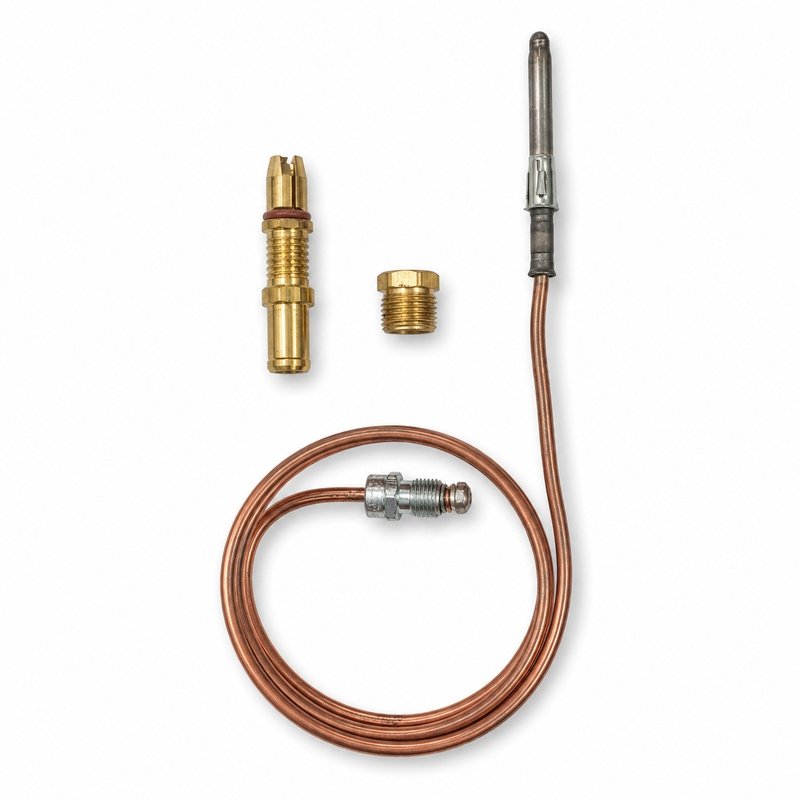
Tandoor Oven Thermocouple AS12
Replacement thermocouple for the gas safety system on all Tandoor Morni gas models.
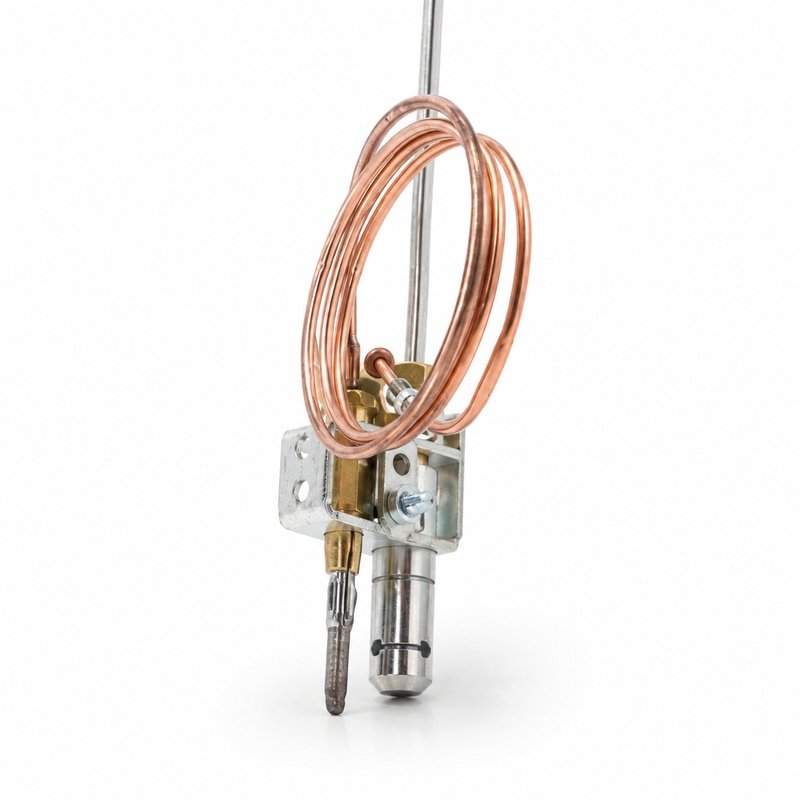
Gas Tandoor Pilot Assembly AS13
Replacement pilot assembly for all Tandoor Morni gas tandoor oven models.
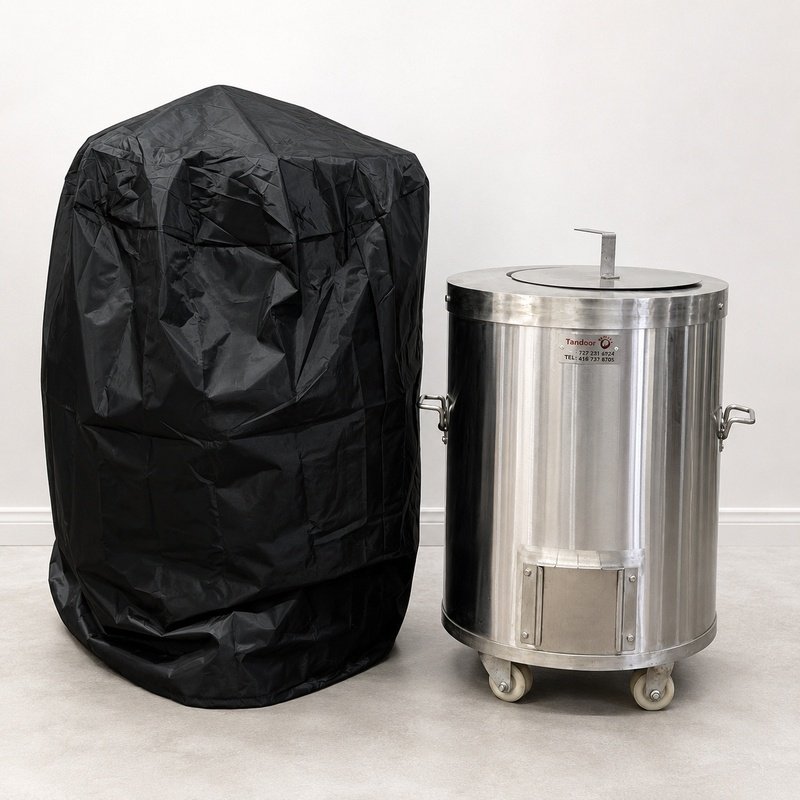
Tandoor Cover — All-Weather Protection AS14
All-weather protective cover — essential for outdoor catering events and storage.
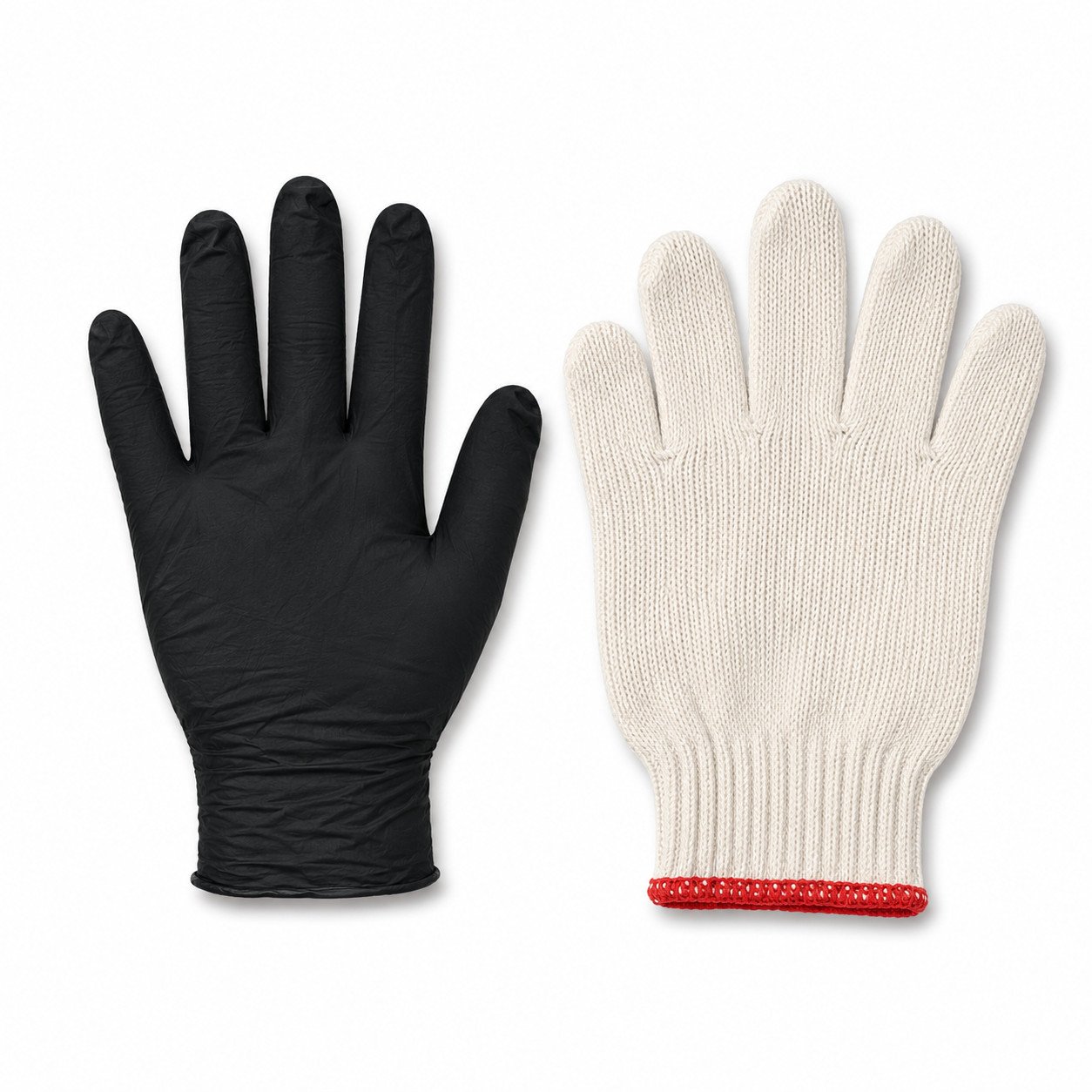
Tandoor Heat Resistant Gloves AS15
Double-layer heat resistant gloves for safe handling at 900 Degree Fahrenheit operating temperatures.

Digital Thermometer Gun AS16
Infrared thermometer gun for instant clay surface temperature readings during catering service.
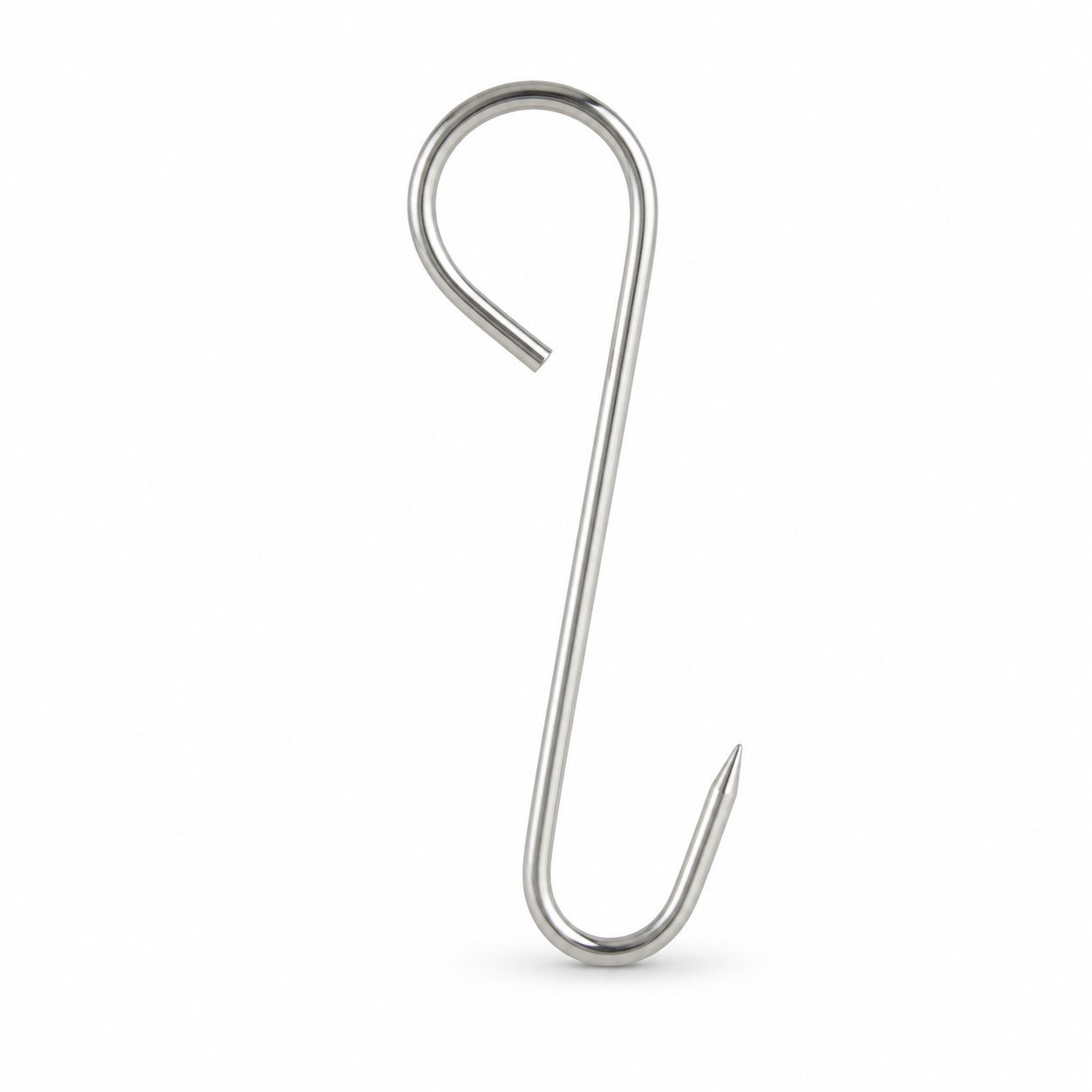
Tandoor Oven Meat Hanging Hook AS17
Stainless steel S-hook for hanging whole chicken, leg of lamb, and large cuts inside the clay pot.
See Every Tandoor Morni Model In Person
Walk into any of our 9 North American showroom and warehouse locations to inspect the Commercial Gas Connector Kit AS01, confirm compatibility with your gas tandoor oven, and place your order on-site.