
CH02
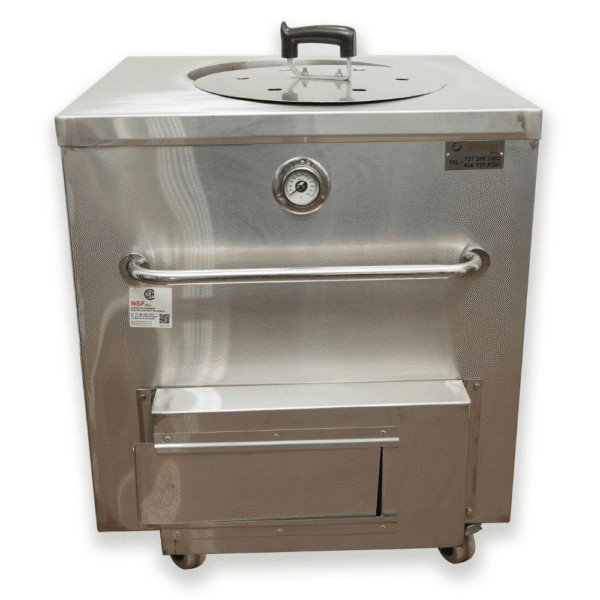
Restaurant Tandoor Oven CH02
32x32x37 inches
Natural gas or propane
Official operation manuals for all 19 gas and charcoal & wood-fired tandoor oven models, covering how to use a tandoor oven, how to light it, how to season the clay pot, and routine tandoori oven maintenance. Gas manual for CH02–A06, charcoal manual for CS03–R32. Use the model finder to jump straight to the right guide and section.
Written, step-by-step guides on setup, safety and tandoori oven maintenance that go with the videos — keep one open alongside your model's manual.
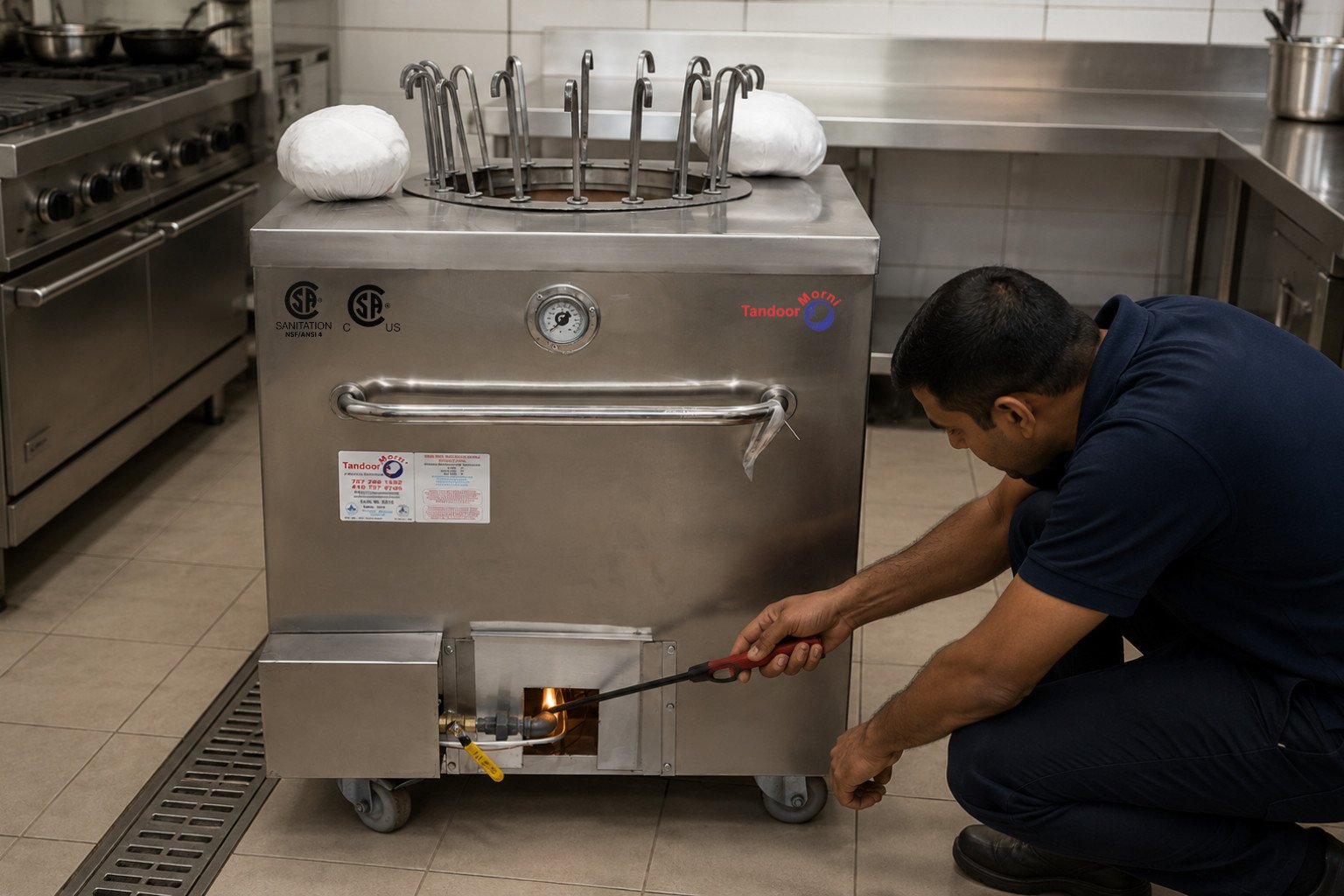

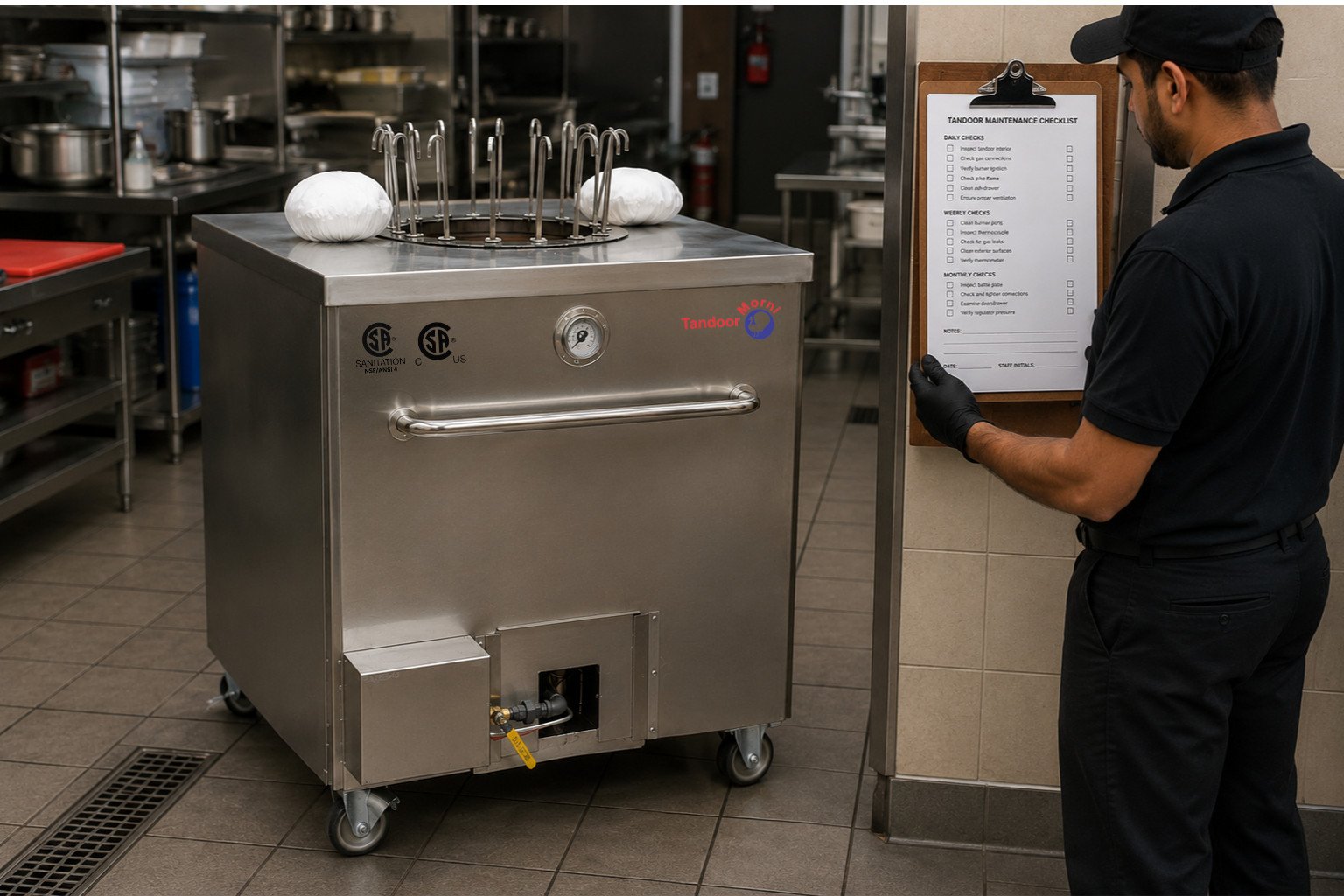
Pick your series, then your size, and the manual for that exact model opens right here: installation, leak test, how to light a tandoor, how to season the clay pot, and routine tandoori oven maintenance, with a PDF you can download. If you know your model code, just type it.
Your model code is printed on the rating plate on the tandoor body and on your invoice.
32x32x37 inches
Natural gas or propane
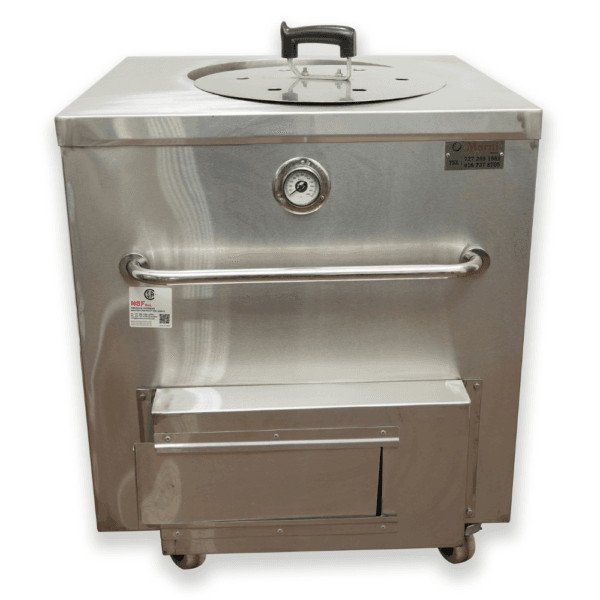
34x34x37 inches
Natural gas or propane

36x36x37 inches
Natural gas or propane

32x32x37 inches
Natural gas or propane

34x34x37 inches
Natural gas or propane

36x36x37 inches
Natural gas or propane

24x37 inches
Natural gas or propane
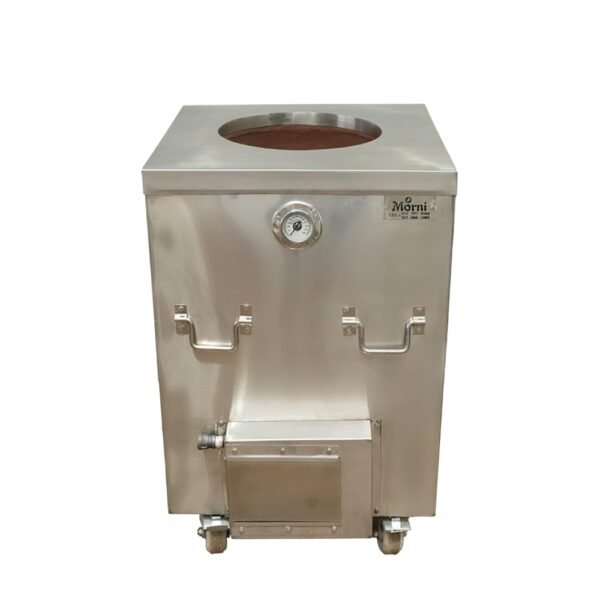
24x24x37 inches
Natural gas or propane

32x37 inches
Natural gas or propane

34x37 inches
Natural gas or propane

36x37 inches
Natural gas or propane

24x37 inches
Charcoal, outdoor only

24x24x37 inches
Charcoal, outdoor only

32x37 inches
Charcoal, outdoor only

34x37 inches
Charcoal, outdoor only

36x37 inches
Charcoal, outdoor only

20x26 inches
Wood-fired, outdoor only

20x28 inches
Wood-fired, outdoor only

20x32 inches
Wood-fired, outdoor only
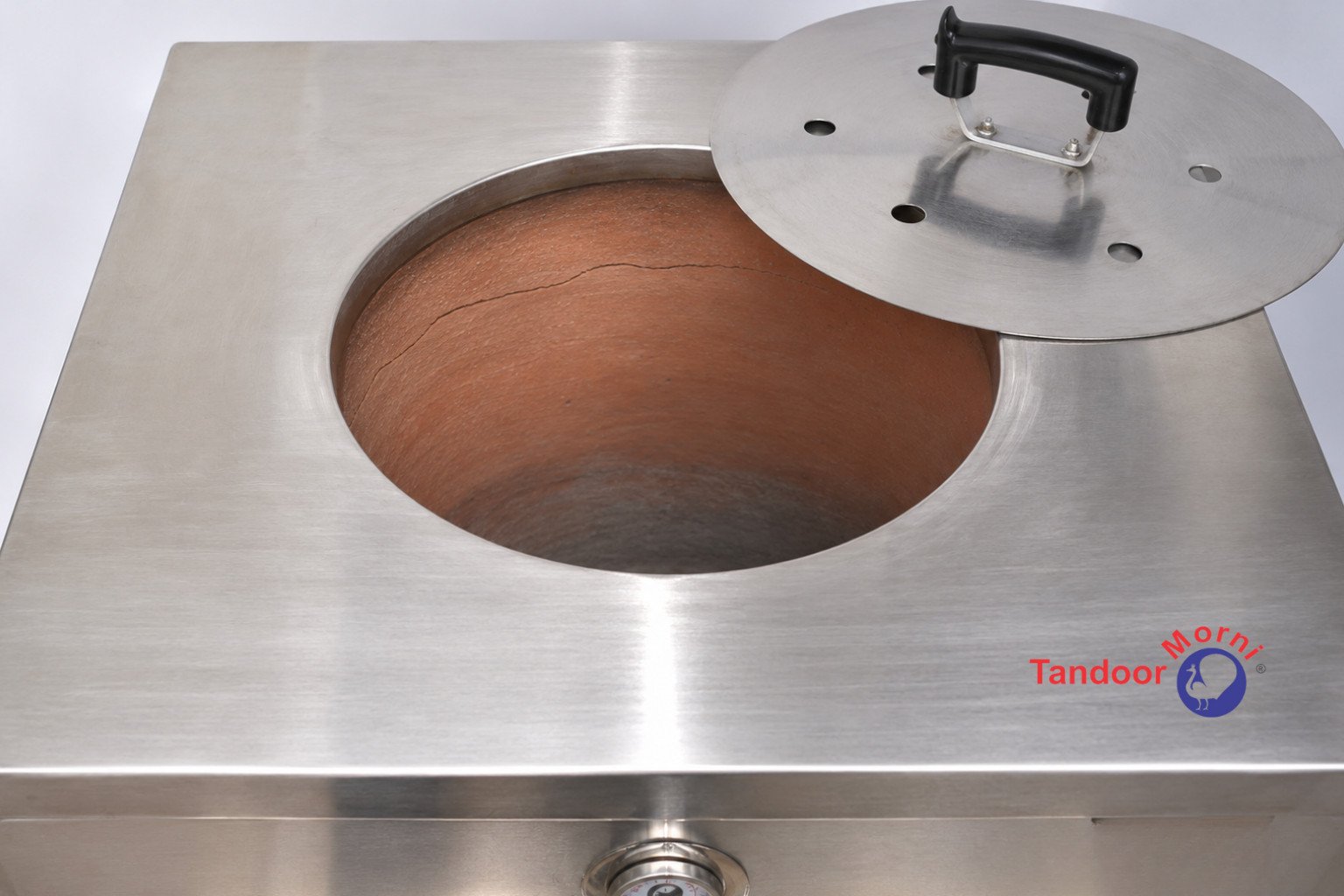
What is a tandoor oven? It is a thick-walled clay pot, open at the top, set inside a stainless steel or copper body and packed with insulation. Heat from a gas burner at the base (or a charcoal or wood fire on the oven floor) soaks into the clay, and the clay then radiates that heat back from every direction at once. Naan is slapped onto the hot inner wall and cooks in about a minute; skewered meats hang vertically in the rising heat, so fat drips down and bastes the fire. That combination of radiant wall heat, convection from the open mouth, and smoke from drippings is what gives tandoori food its character and is why a tandoor cannot be replaced by a conventional oven. It is also why tandoori oven maintenance centres on the clay: keep the pot sealed and clean and everything else follows.
A working tandoor runs far hotter than a kitchen oven. Once heated through, the clay wall sits between roughly 450 and 900 Degree Fahrenheit (about 230 to 480 Degree Celsius), depending on the dish: the lower end for slow-roasting whole chicken or lamb, the upper end for naan and kebabs. Gas models hold temperature with the yellow gas valve; charcoal and wood-fired models hold it by the amount of fuel on the floor. Never run either type at full heat; heat control is part of tandoori oven maintenance. Check the wall with the Digital Thermometer Gun AS16 rather than guessing. A cold tandoor needs about 30 minutes to come up to cooking heat. The temperature of tandoor oven walls, not the flame, is what cooks the food.
Tandoor Morni clay pots are hand-formed from natural fire clay and fired before they leave the factory. If you have ever asked how does a tandoor oven work so well with bread, the answer is this clay. Clay is porous, which is why every new pot must be seasoned with Tandoor Oven Curing Paste AS05 before first use: the paste soaks in, seals the surface, and hardens as the oven is slowly brought up to heat. Fine hairline cracks that appear during curing are normal and let the clay expand. Larger cracks are filled with the Tandoor Clay Pot Repair Kit AS08, and the floor lining is topped up with Tandoor Oven Clay Balls AS07. Re-season every 4 to 6 months, and with that basic tandoori oven maintenance the pot will last for years of daily service.
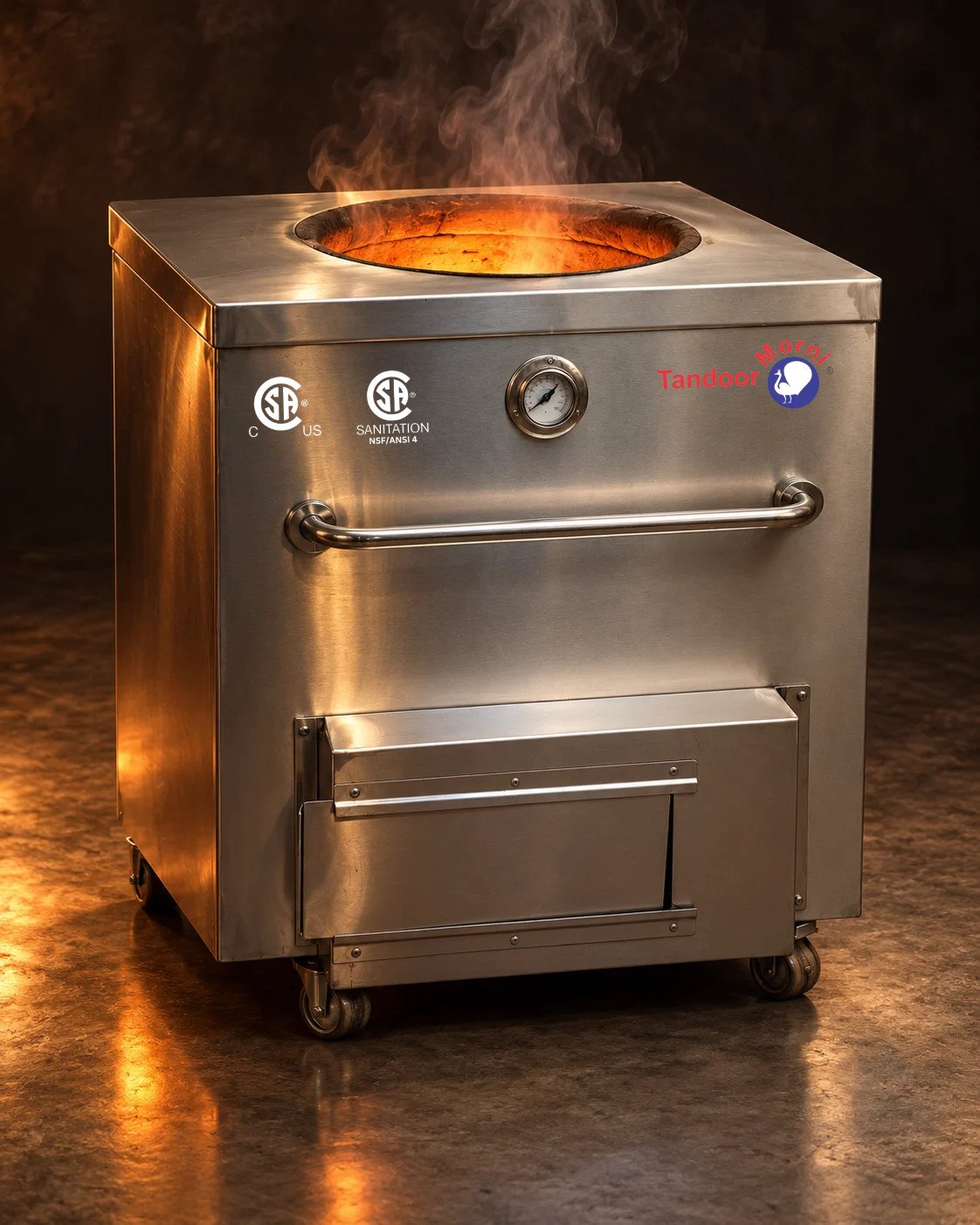
The Tandoor Oven Curing Paste AS05 process is identical across all gas, charcoal, and wood-fired tandoor models. The only difference is the heat source used during the 100-hour curing period. Tandoor Oven Curing Paste AS05 is supplied free with every new tandoor oven, and re-applying it every 4 to 6 months is the core of tandoori oven maintenance.
Decant Curing Paste AS05 into a clean bowl
If too thick, add a small amount of cooking oil. Target consistency: just thinner than toothpaste.
Apply to the entire interior clay surface
Use a clean cloth. Cover the belly, walls, and upper rim evenly. No dry patches.
Allow 10 minutes to absorb — repeat 4 times
Four coats total. Each coat deepens conditioning of the clay surface.
Heat for 100 hours at 20% → 35% maximum
Start at 20% heat. After 30 hours, increase to 35% max. Split into multiple sessions if needed. No lid for first 40 hours.
Cool, scrub with metal scrubber, wipe clean
Remove all remaining paste. Finish with a soft cloth.
Salt-water treatment (recommended)
1 litre water + 10 tbsp salt. Apply to hot clay walls — makes naan removal easier.
Curing at a Glance
Cooking during curing is fine. The tandoor can be used for cooking at any point during the 100-hour curing process. Skewers can be used to prepare tandoori dishes without waiting. Treat curing as the first step in your tandoori oven maintenance routine, not a one-time job.
Watch the full curing walkthrough
Your Tandoor's First Steps: the complete guide to curing and seasoning a new clay pot with Tandoor Oven Curing Paste AS05, from the first coat to the first naan, plus the tandoori oven maintenance routine that keeps the clay sealed.
Every replacement part and tool referenced in both operation manuals — all 17 Tandoor Morni accessories for tandoori oven maintenance, cooking and protection. All are available online with free shipping to any contiguous US address, and for same-day purchase at all 9 Tandoor Morni showrooms.
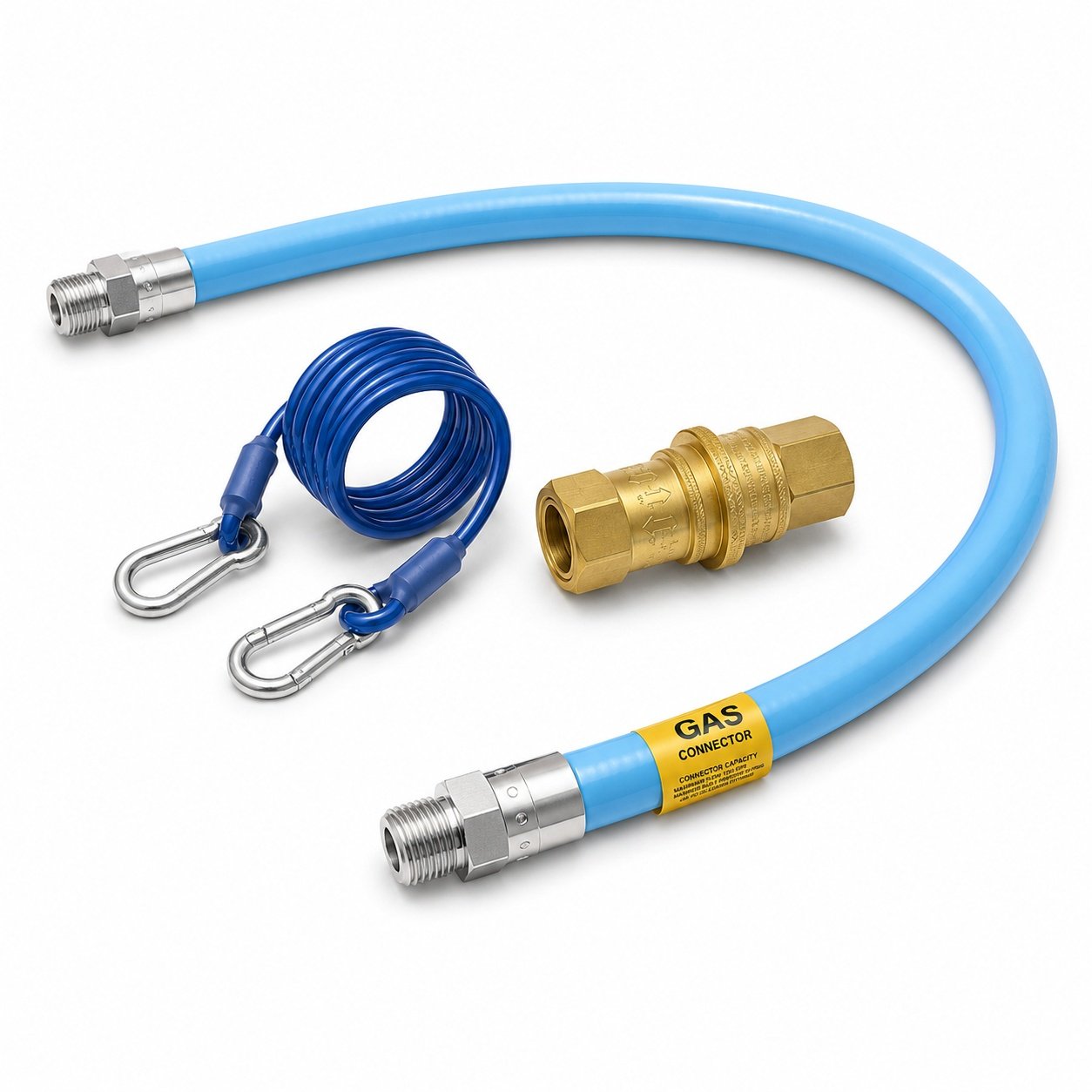 |
Gas models only Tandoor Oven Flexible Gas Hose & Commercial Gas Connector Kit AS01 CSA-certified blue flexible hose for connecting to the main gas line. |
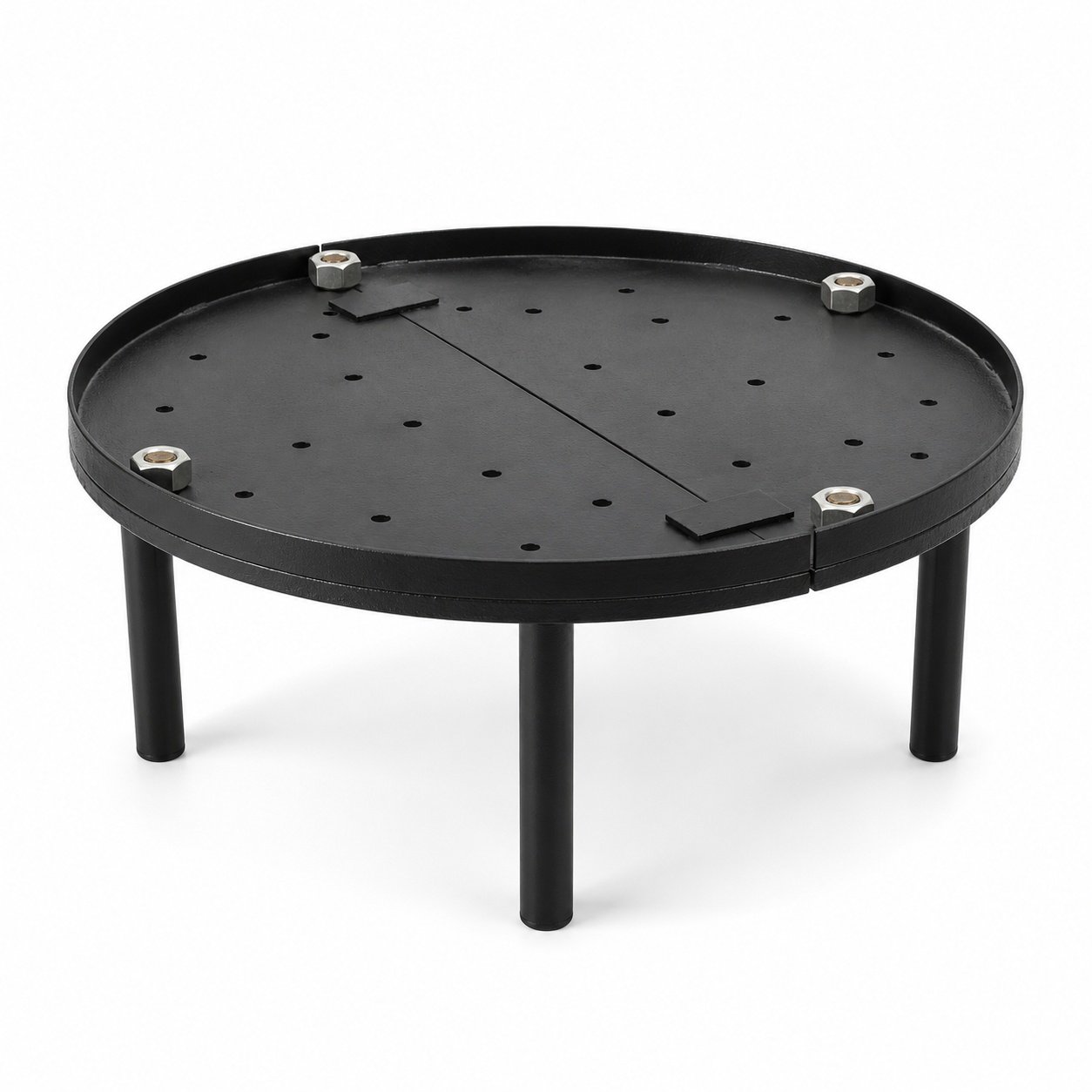 |
Gas models only Tandoor Baffle Plate AS02 Metal/baffle plate assembly for even heat distribution. |
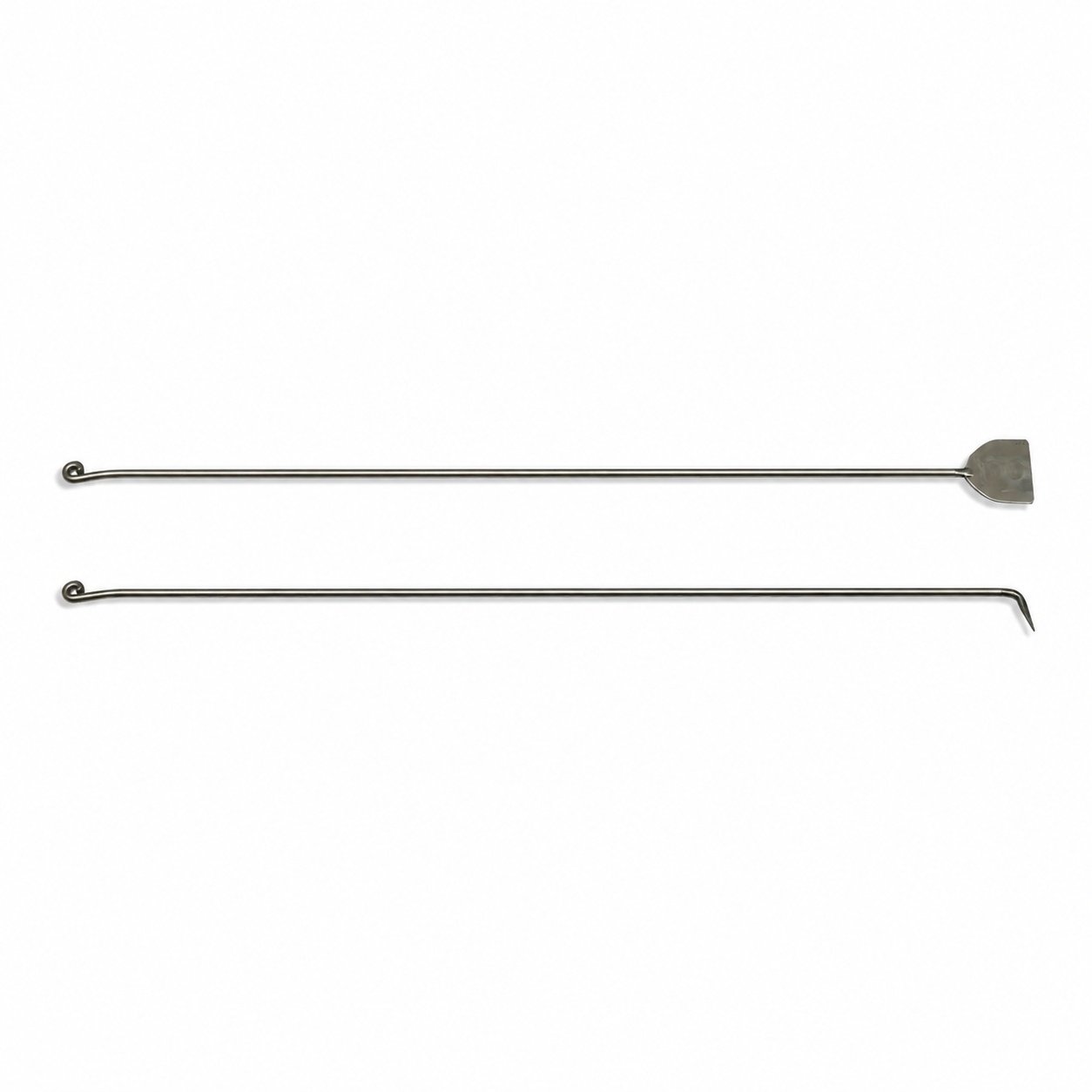 |
All models Tandoori Naan Rod Pair AS03 Ergonomic rod pair for lifting and shaping naan safely. |
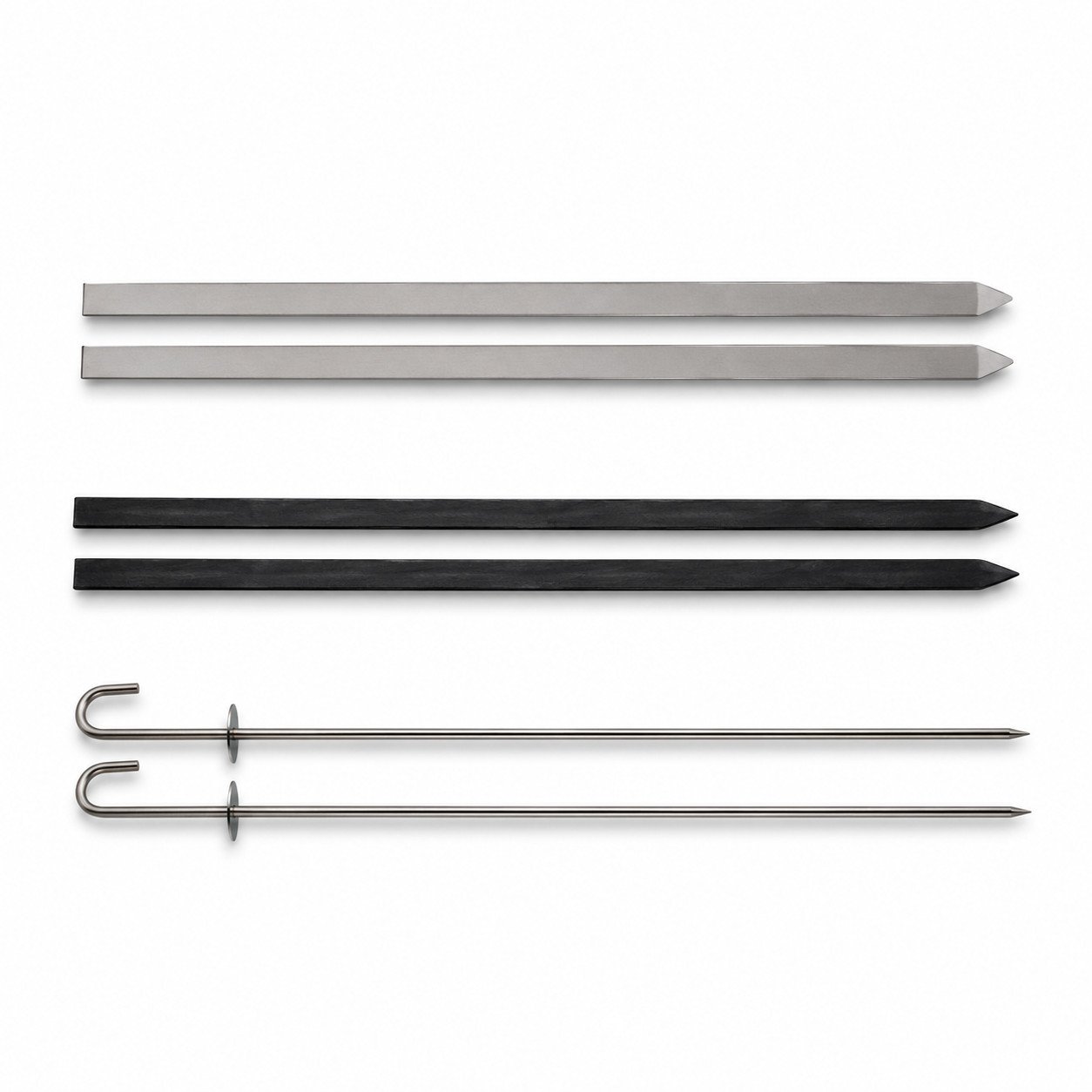 |
All models Tandoor Skewers & Shish Kebab Skewers For Sale — Flat Metal Grilling Rods AS04 Flat metal grilling rods for shish kebab and tandoori dishes. |
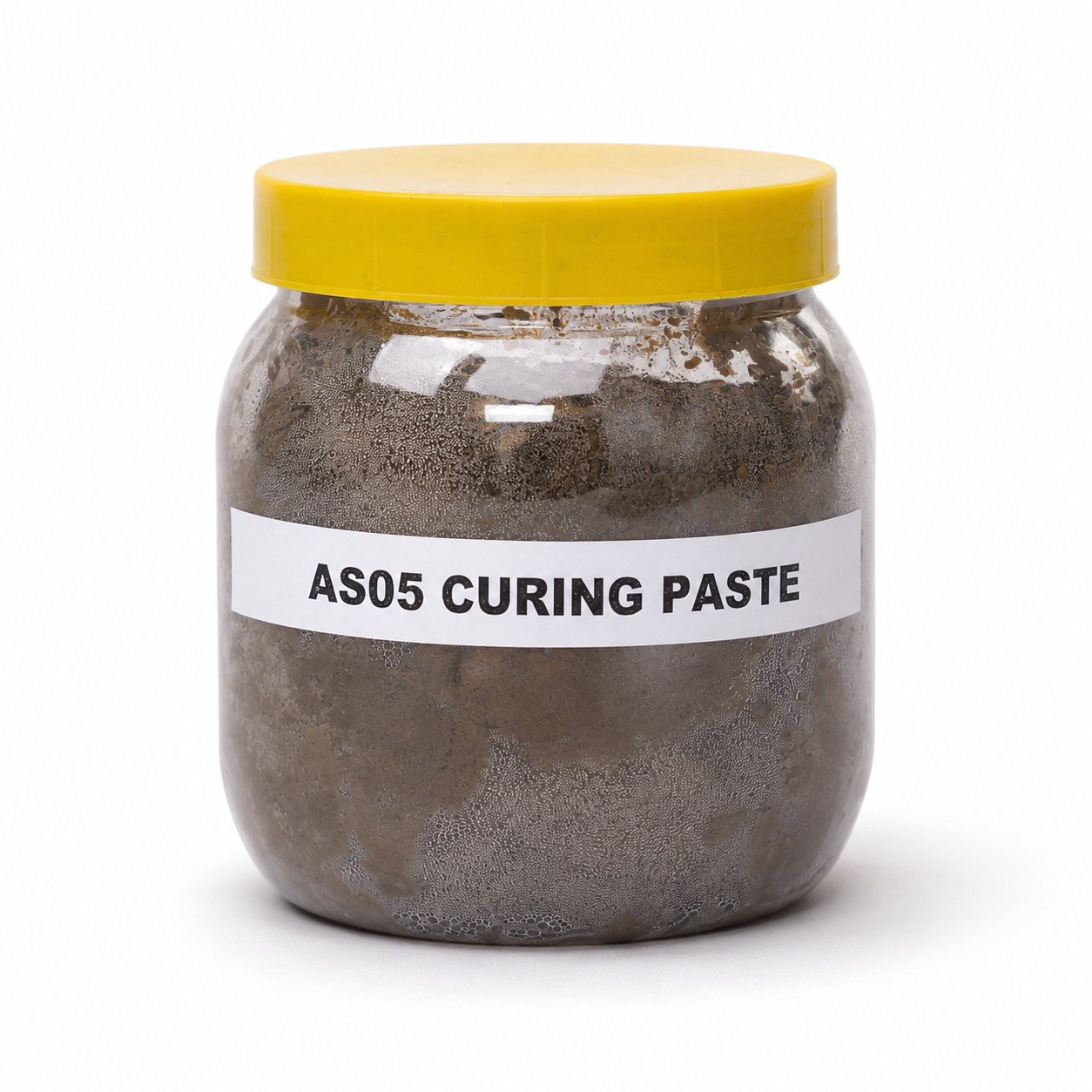 |
Free with all models — required for curing Tandoor Oven Curing Paste AS05 Required for clay pot curing and re-seasoning every 4–6 months, the heart of tandoori oven maintenance. Applies to all 19 models. |
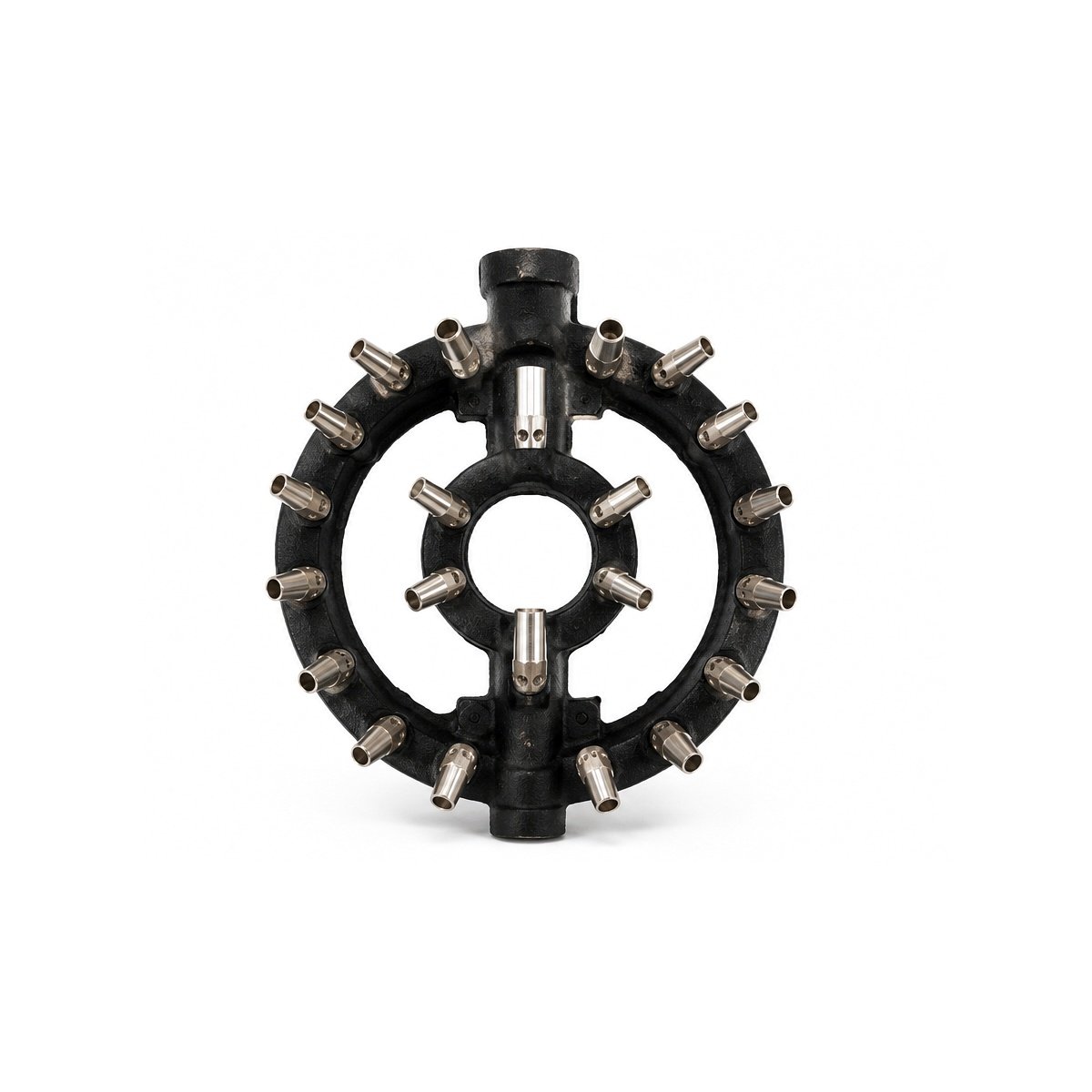 |
Gas models only Tandoor Oven Burner AS06 Replacement burner assembly for gas tandoor models. |
 |
All models Tandoor Oven Clay Balls AS07 Replacement clay for tandoor oven floor lining. |
 |
Clay repair Tandoor Clay Pot Repair Kit AS08 Fill cracks in the clay pot as part of routine tandoori oven maintenance. Applies to all 19 models. |
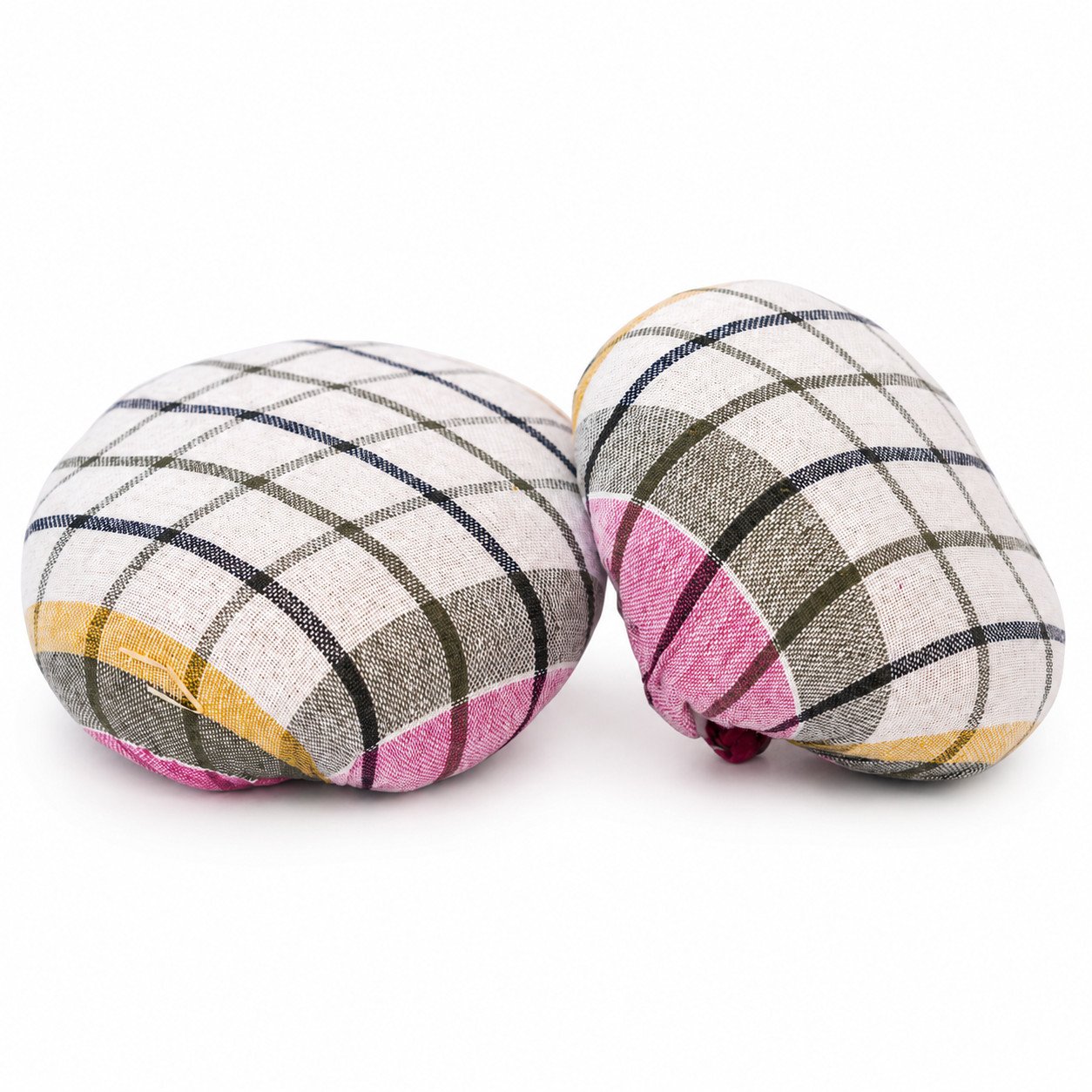 |
All models Tandoor Oven Naan Gaddi AS09 Traditional cushion pad for pressing and shaping naan. |
 |
All models Tandoor Skewers Ring AS10 Safe, convenient ring for organizing skewers during cooking. |
 |
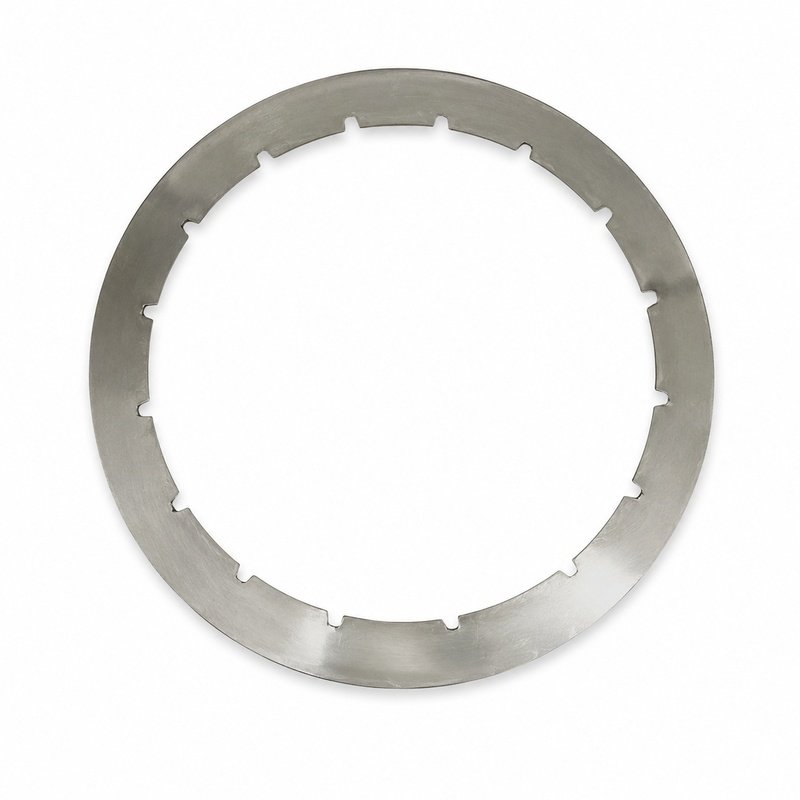
All models Stainless Steel Tandoor Oven Lid AS11 Replacement stainless steel lid for the tandoor top opening. |
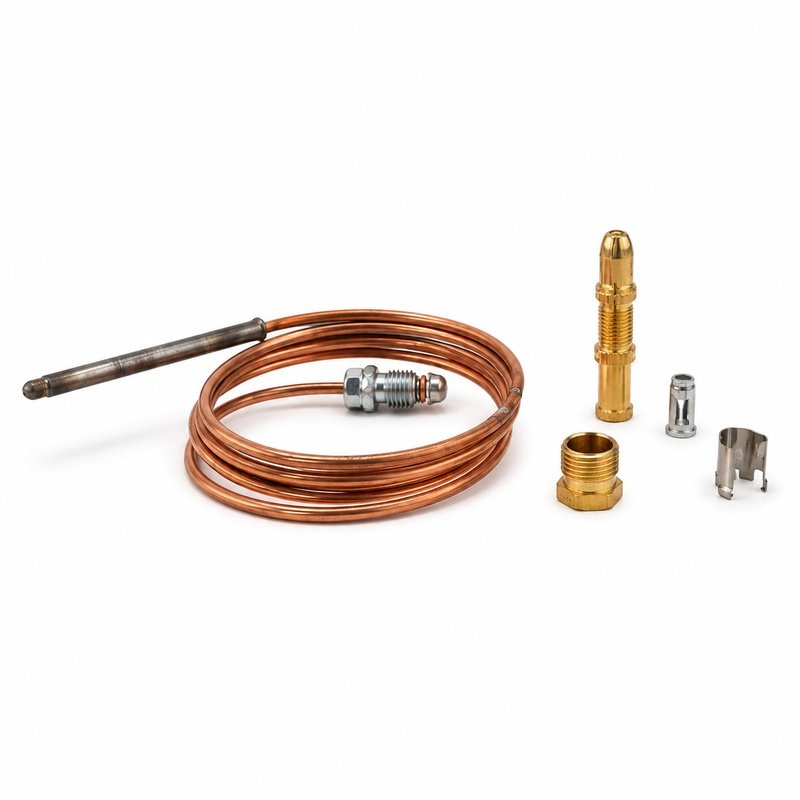 |
Gas models only Tandoor Oven Thermocouple AS12 Replacement thermocouple for gas tandoor models. Install via certified gas technician. |
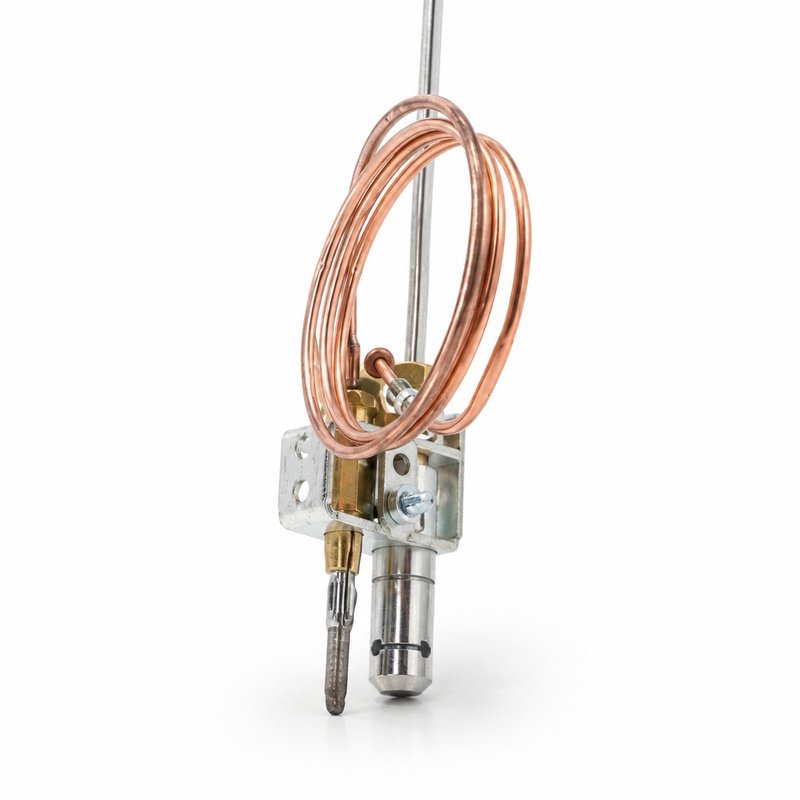 |
Gas models only Gas Tandoor Pilot Assembly AS13 Replacement pilot for gas tandoor models. Install via certified gas technician. |
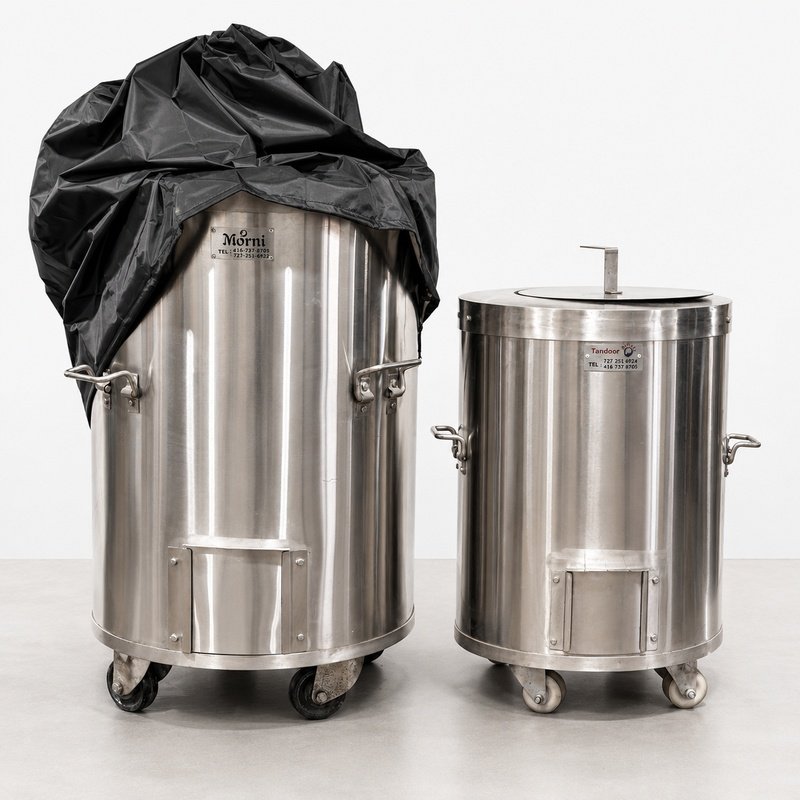 |
Charcoal & wood-fired models Tandoor Cover – All-Weather Protection AS14 Protect outdoor charcoal and wood-fired tandoors from rain and dust between sessions. |
 |
Hand protection Tandoor Heat Resistant Gloves AS15 Protect hands during cooking, skewer handling, ash removal and tandoori oven maintenance. All 19 models. |
 |
Temperature monitoring Digital Thermometer Gun AS16 Essential for monitoring tandoor oven temperature during curing at 20–35 percent. Applies to all 19 models. |
 |
All models Tandoor Oven Meat Hanging Hook AS17 For whole chicken, whole fish, or lamb chops suspended vertically inside the tandoor. |