
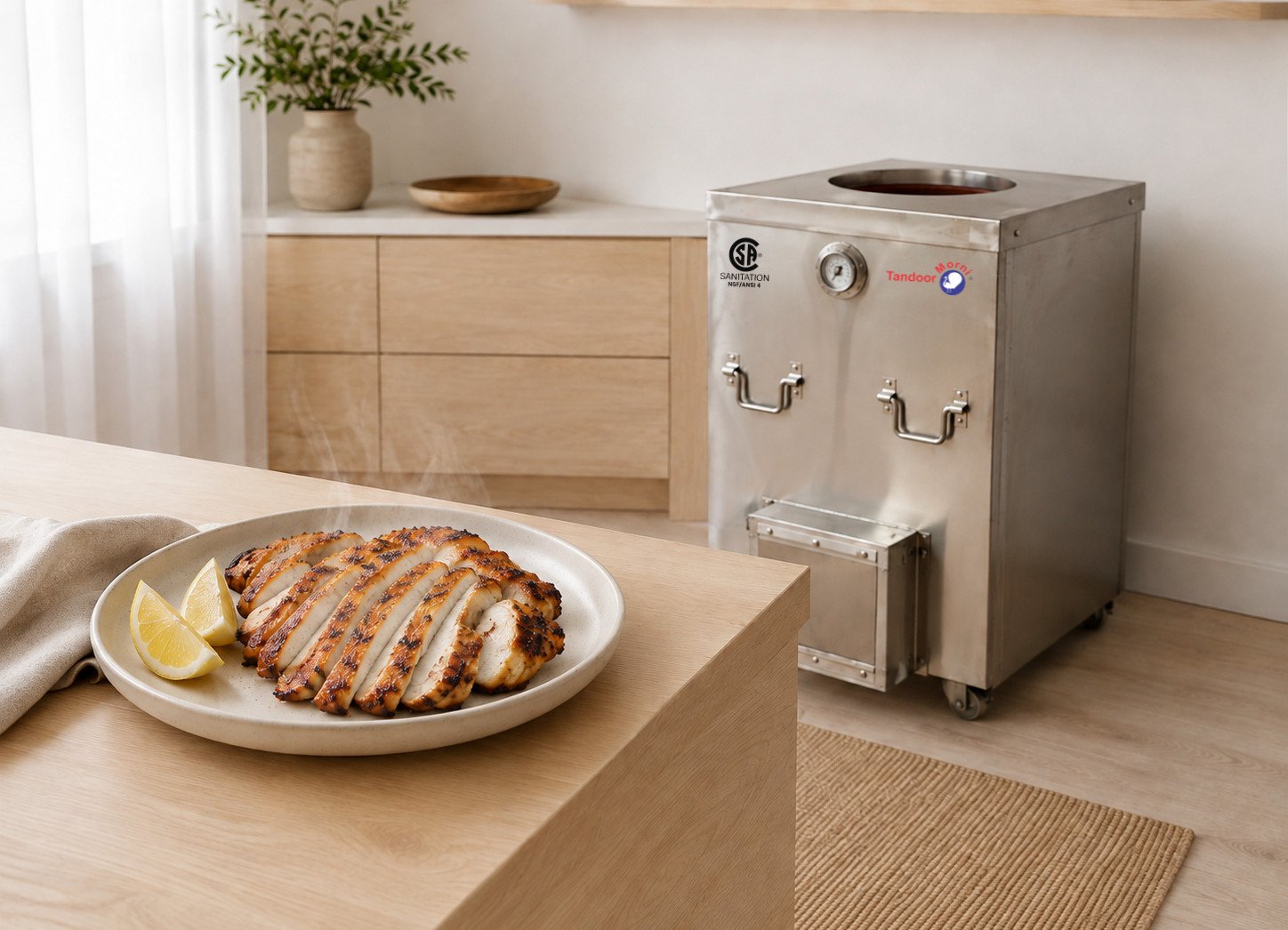
Chicken breast recipes for tandoor cooking all run into the same problem eventually: breast has almost no fat margin for error compared to the thigh used in most other chicken recipes on this site, and an unevenly shaped piece is the most common reason it dries out on one side while the other stays underdone. This tandoori chicken breast recipe starts from the single fix that matters most — pounding the breast to an even thickness before it ever touches the marinade.
This guide covers why pounding solves that problem more reliably than adjusting marinade or cook time, a short marinade window built specifically for a lean cut, and three flavour directions — classic, chilli-lime, and herb-yogurt — that all use the exact same pounding and cooking technique underneath. If you're after an easy chicken tandoori recipe that doesn't fight the cut's low margin for error, this is it — and if you've tried other tandoori chicken breast ideas before and found them disappointing, uneven thickness was almost certainly why.
Table of Contents
Tandoori Chicken Breast — Recipe Card
Boneless chicken breast, pounded to even thickness, marinated briefly, and wall-charred until just cooked through — a genuine tandoori chicken breast, not just a boneless-thigh substitute. Everything you need is below — for the full technique breakdown and troubleshooting, keep scrolling past the card.
- 4 boneless chicken breasts
- ½ cup thick yogurt
- 1 tbsp ginger-garlic paste
- 1 tbsp Kashmiri red chilli powder
- 1 tsp garam masala
- 1 tbsp mustard oil
- 1 tbsp melted butter, for basting
- Lemon wedges, to serve
- Pound each chicken breast to an even ¾-inch thickness.
- Whisk together the yogurt, ginger-garlic paste, chilli powder, garam masala, and mustard oil.
- Coat the breasts thoroughly. Rest 30 minutes — no longer.
- Preheat the tandoor to 600–650°F.
- Cook 4–5 minutes per side, until charred and just cooked through.
- Baste once with melted butter partway through.
- Rest 2 minutes, slice, and serve with lemon wedges.
What You'll Need
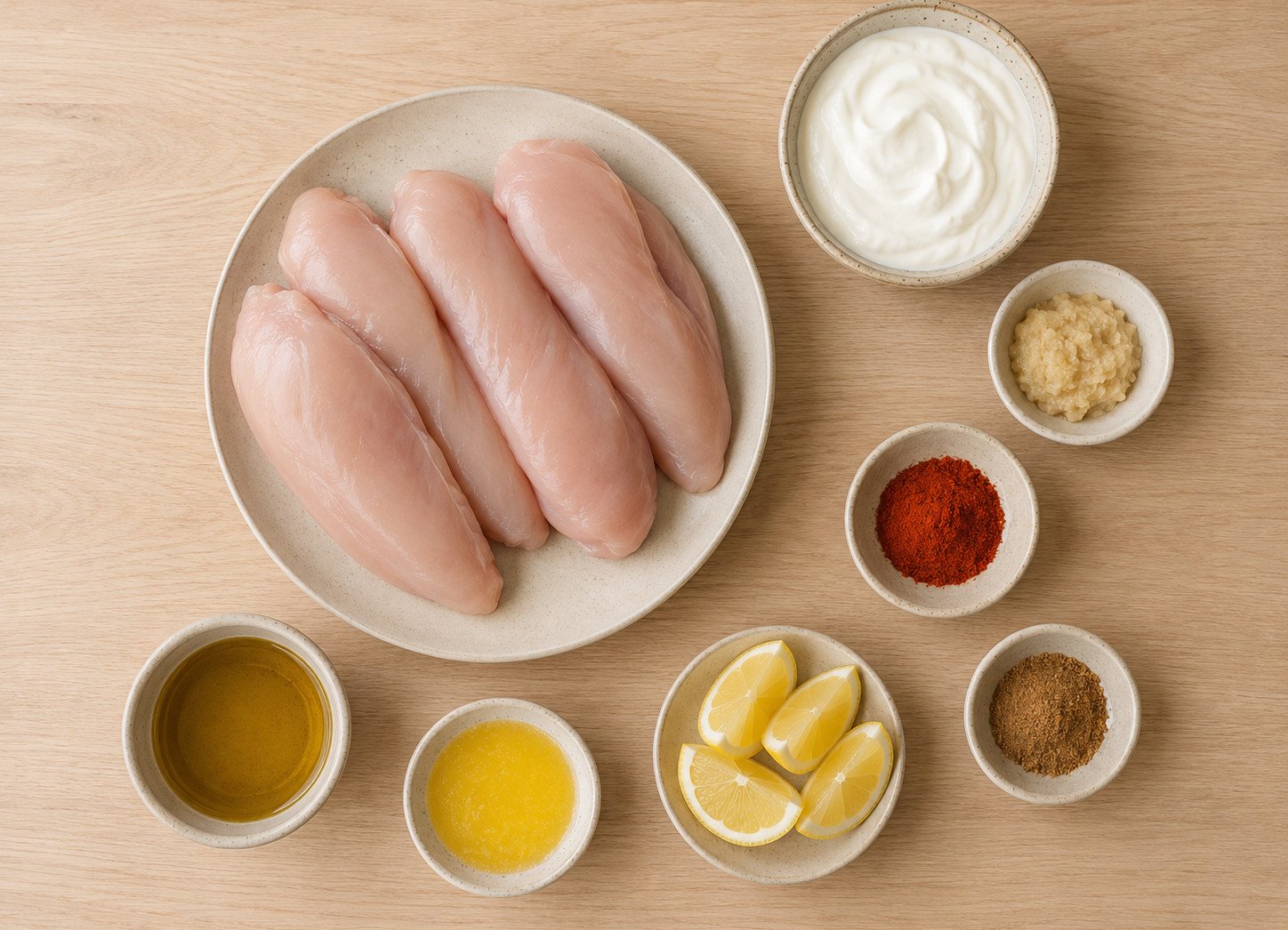
A short list built around one lean cut — the technique carries this recipe more than any single ingredient.
For the Chicken
- 4 boneless chicken breasts
- ½ cup thick yogurt
- 1 tablespoon ginger-garlic paste
- 1 tablespoon Kashmiri red chilli powder
- 1 teaspoon garam masala
- 1 tablespoon mustard oil
For Finishing
- 1 tablespoon melted butter, for basting
- Lemon wedges, to serve
A note on the breasts: buy pieces of roughly similar size if you can, since pounding evens out thickness within a single piece but can't fully correct for two breasts that started out very different sizes.
Accessories and Oven Used In This Recipe
This chicken breast recipes for tandoor guide was developed on the oven below, alongside a curing paste worth using if you're breaking in a new or reconditioned oven before running a lean, fast-cooking cut like this one.
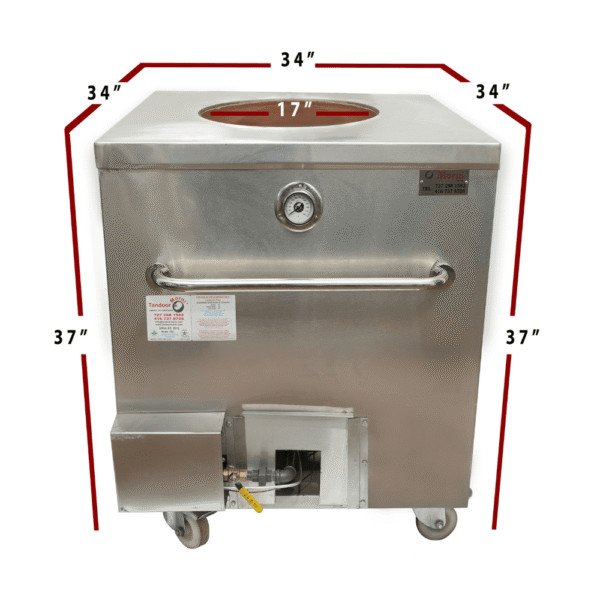
The oven used to develop and test this recipe. 34x34x37 inches, with steady, even wall heat suited to a quick-cooking, low-margin cut like chicken breast.
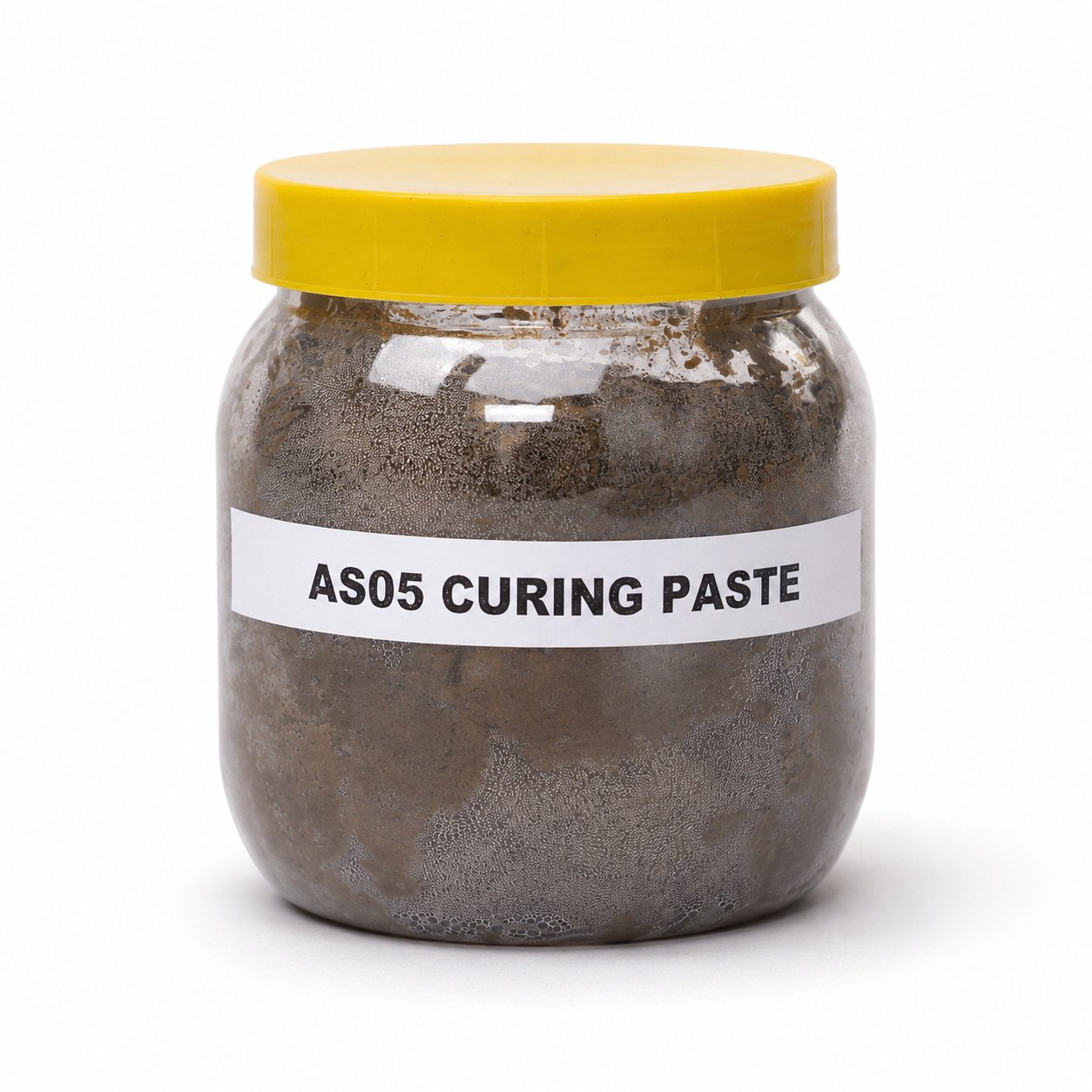
Seasons a new or freshly reconditioned clay interior before its first serious use — worth doing before this recipe if your oven hasn't been cured yet.

Confirms the wall has reached 600–650°F before the chicken goes in — important given how little margin for error breast leaves compared to fattier cuts.
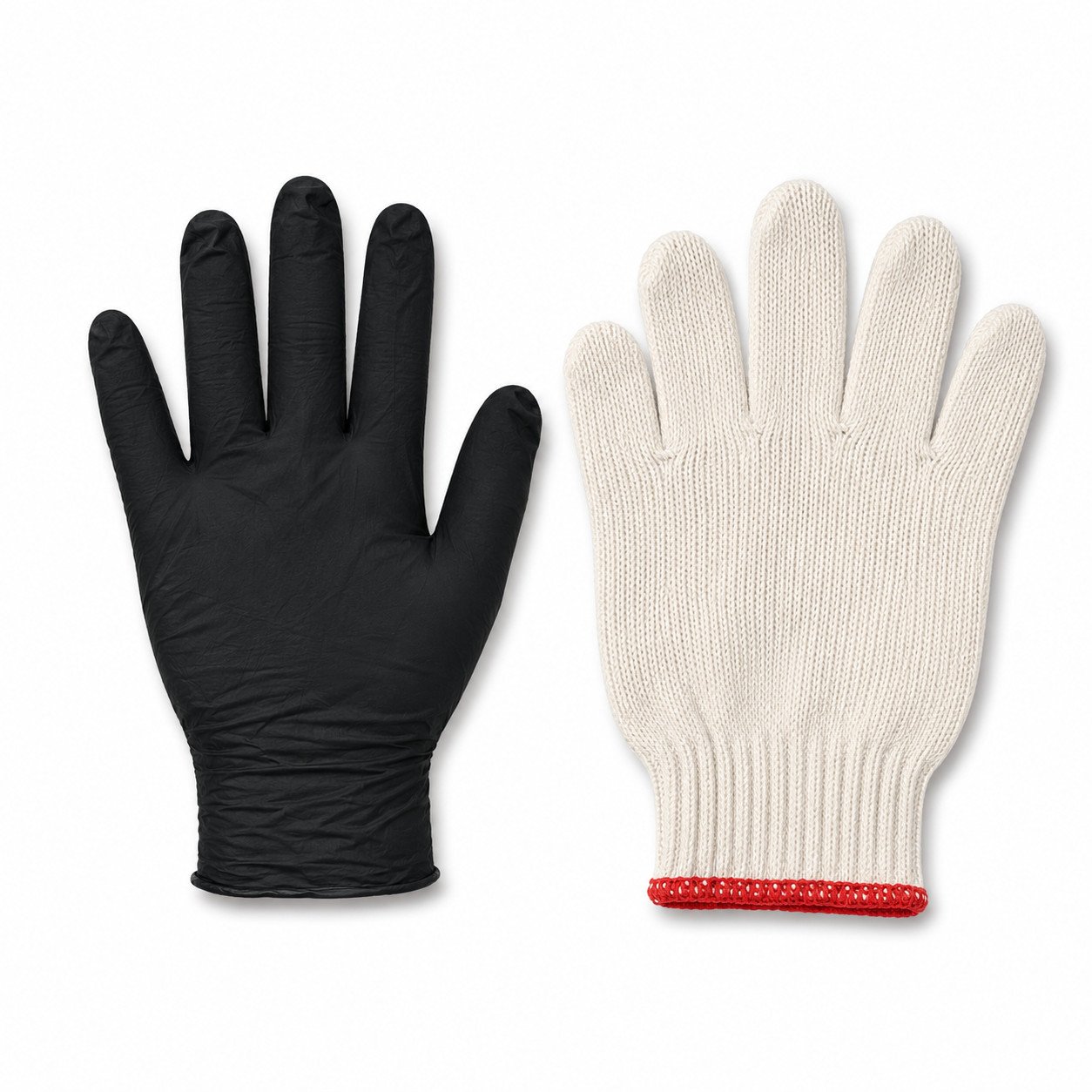
Recommended for loading and turning the breasts close to the wall.
All Tandoor Morni ovens carry CSA and NSF/ANSI 4 certification, and financing is available at checkout. See our Buying Guide for help comparing models.
Choosing Your Tandoori Chicken Breast Marinade Direction
The pounding and cooking technique stays identical across all three of these tandoor chicken breast ideas — only the marinade changes.
Classic Yogurt-Spice (Recommended, Used Above)
Kashmiri chilli powder, garam masala, and ginger-garlic in a yogurt base — the most versatile direction and what the recipe quantities above assume.
Chilli-Lime
Swap the yogurt marinade for ¼ cup lime juice, 1 tablespoon minced red chilli, 1 tablespoon honey, 2 tablespoons olive oil, and salt. Marinate only 20 minutes — lime's acidity works faster than yogurt's and can toughen the meat if left too long.
Herb and Yogurt
Replace the chilli powder and garam masala with 2 tablespoons chopped mixed herbs — mint, coriander, dill — for a lighter, brighter result. Cube the breast rather than leaving it whole for this direction, and reduce the cook time to 6–8 minutes total given the smaller pieces.
Tandoori Chicken Breast: Step by Step
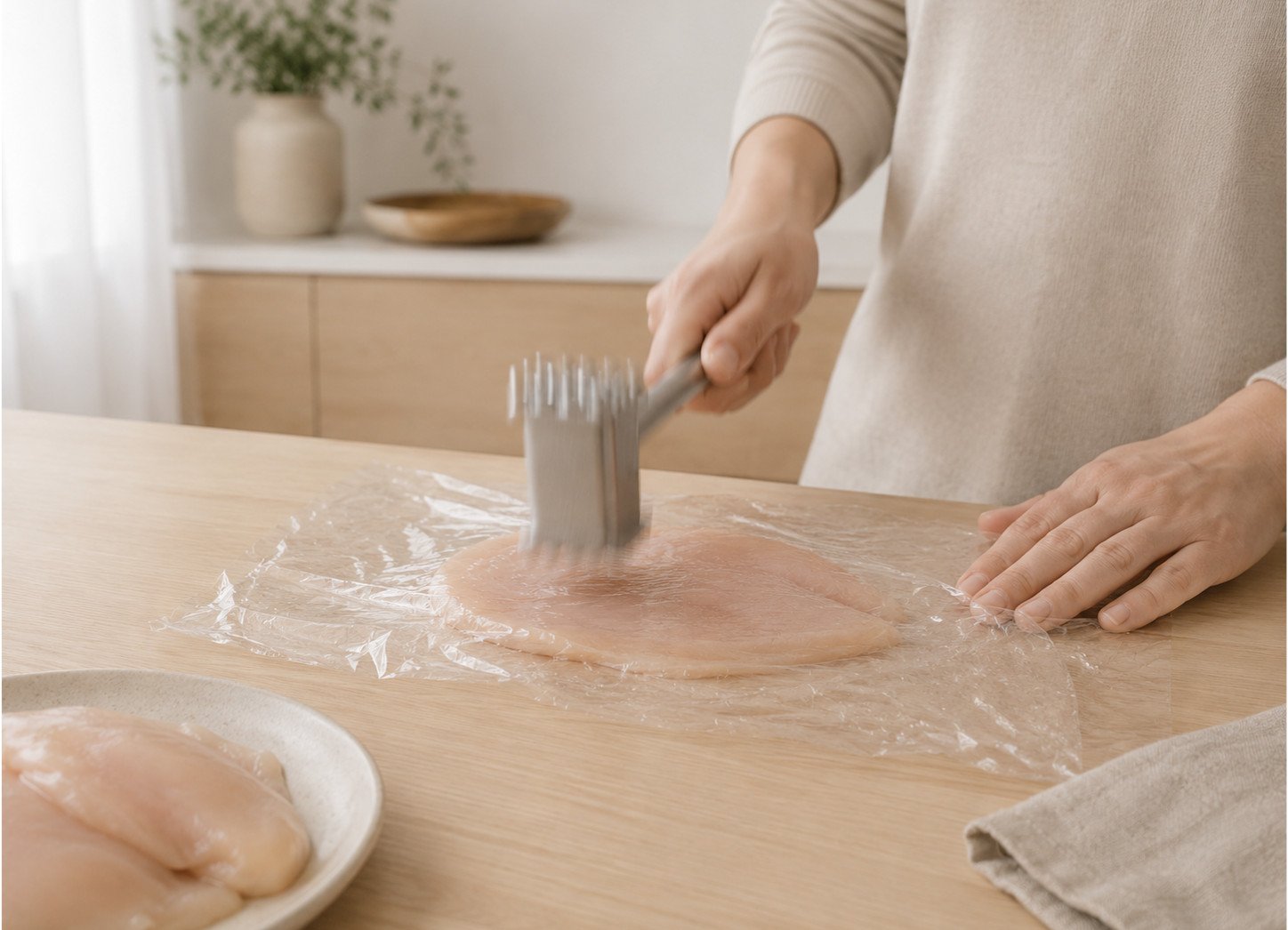
Pound the Tandoori Chicken Breast
Place each breast between plastic wrap and pound to an even ¾-inch thickness — the single most important step for consistent cooking.
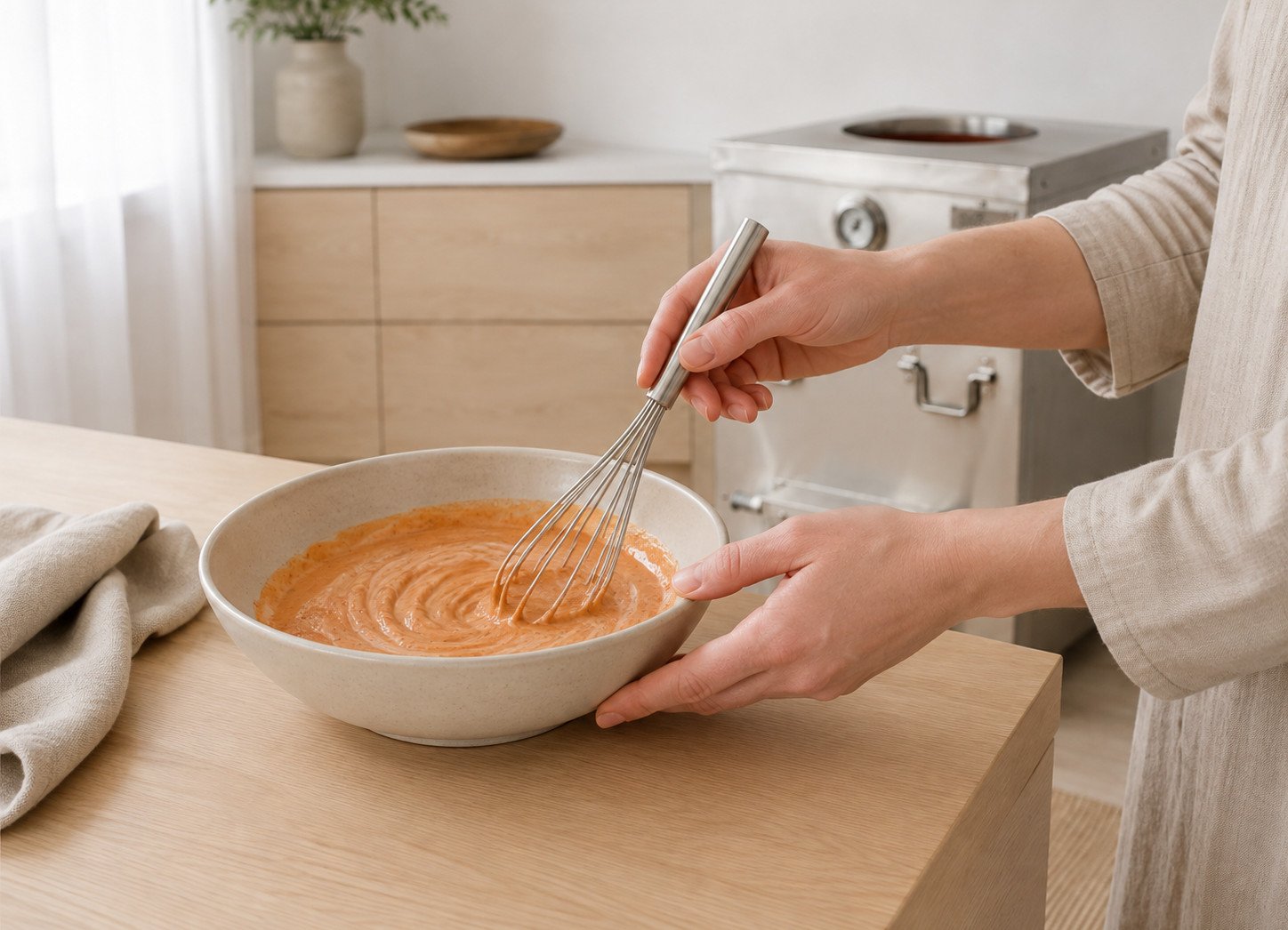
Make the Marinade
Whisk together the yogurt, ginger-garlic paste, chilli powder, garam masala, and mustard oil into a smooth marinade.
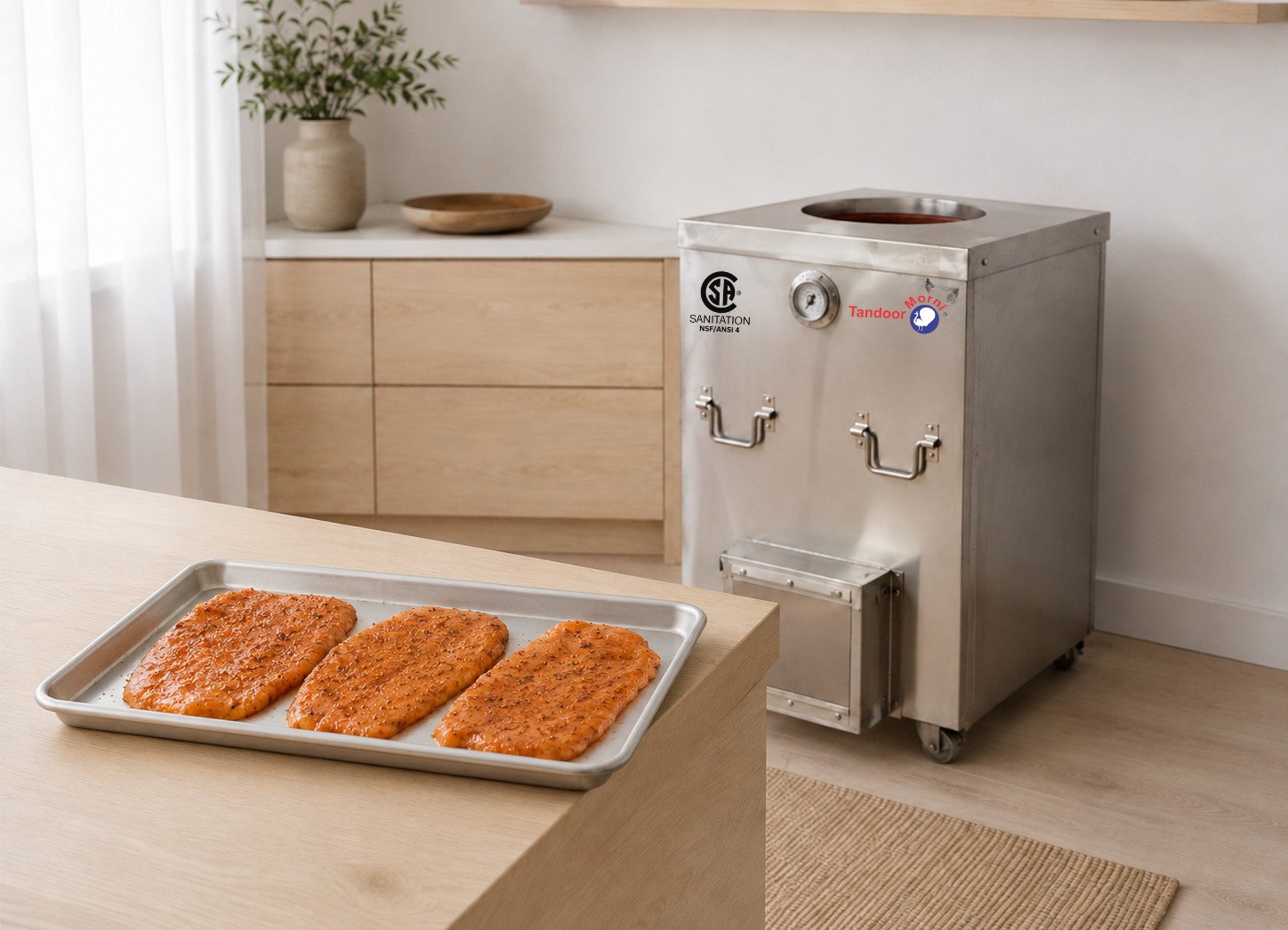
Coat and Rest
Coat the pounded breasts thoroughly. Rest 30 minutes — no longer, since this lean cut doesn't need or benefit from extended marinating.
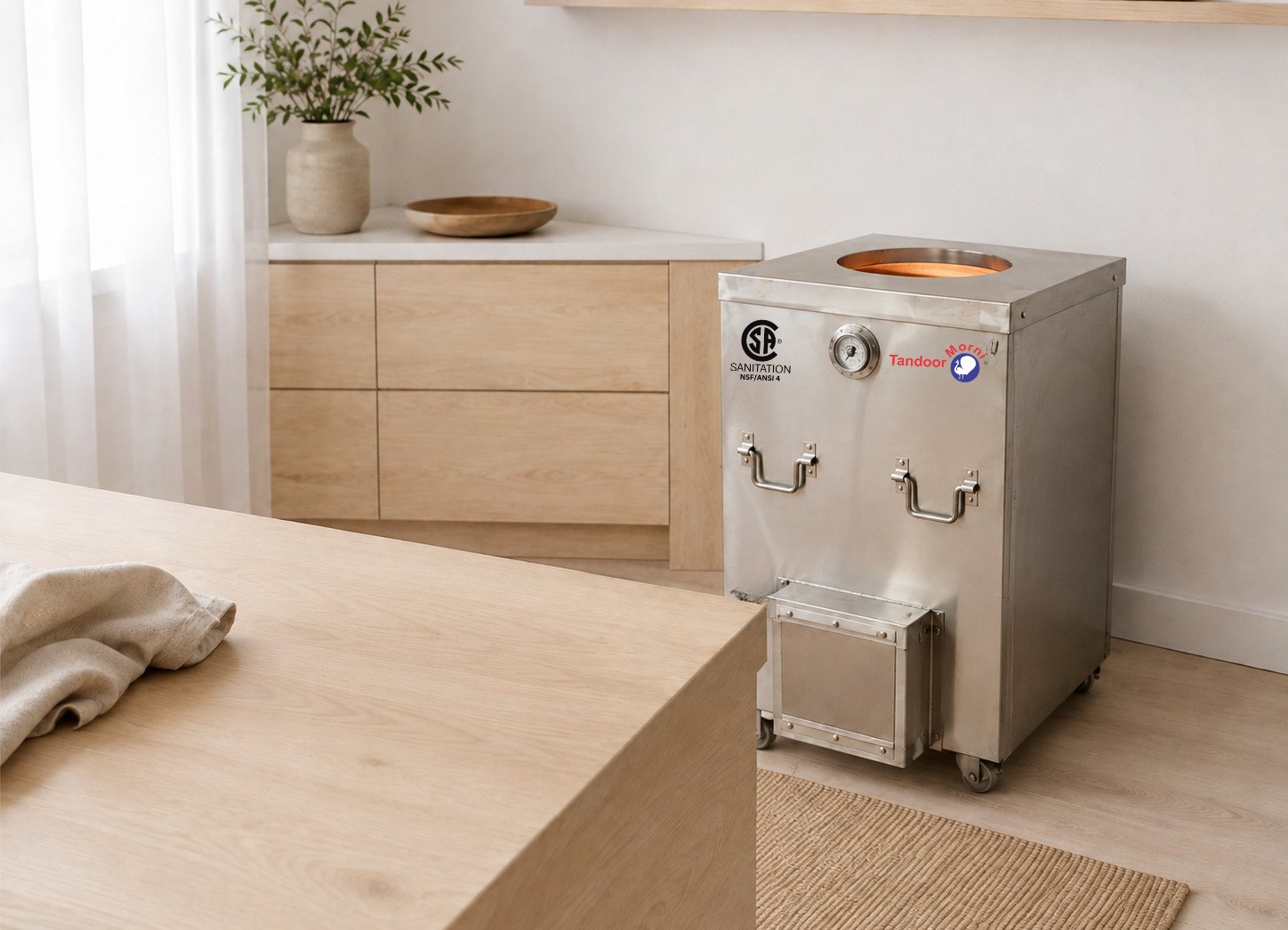
Preheat
Preheat the tandoor to 600–650°F, confirming with a thermometer.
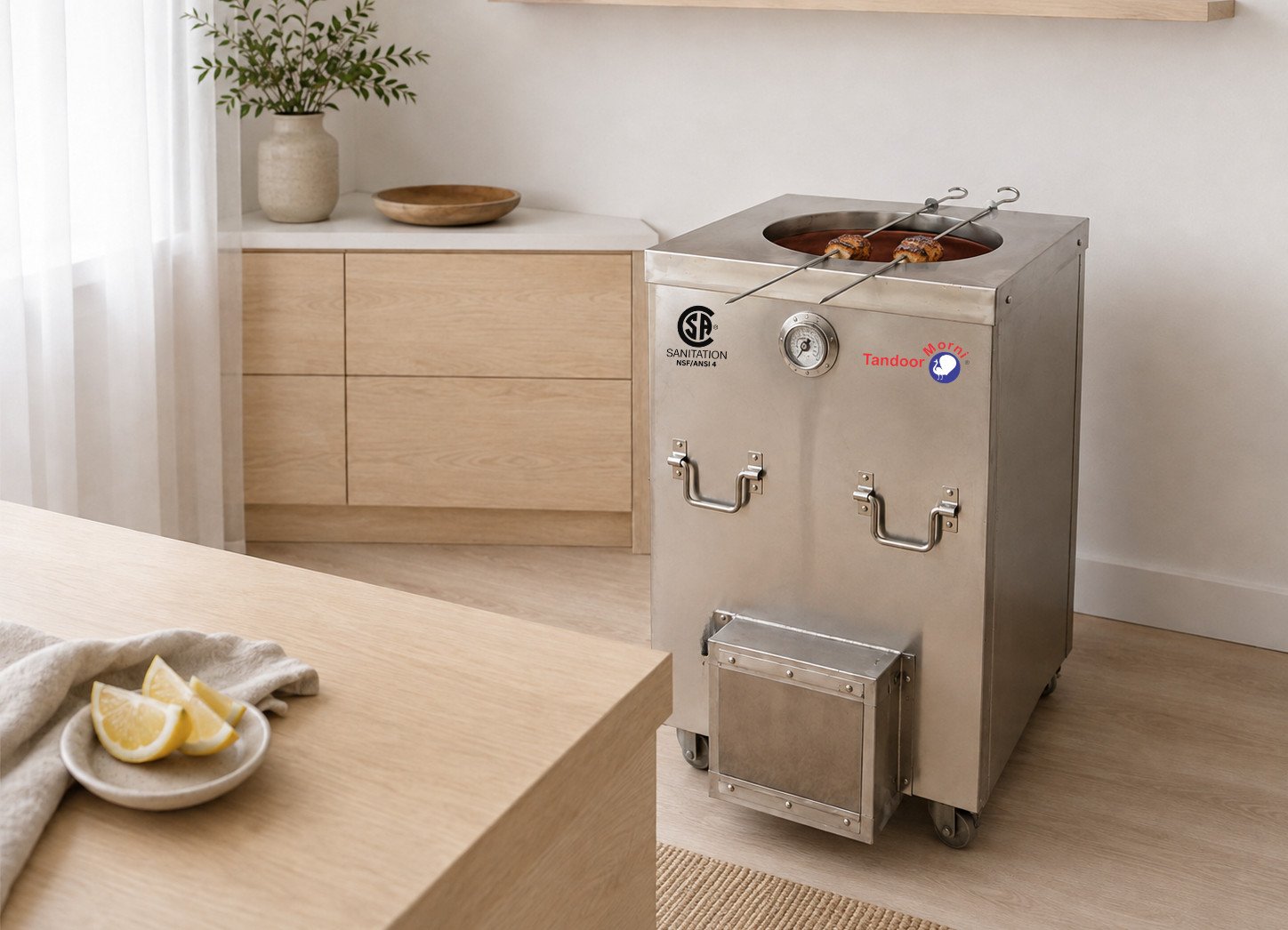
Cook the Tandoori Chicken Breast
Cook 4 to 5 minutes per side, until charred and just cooked through — evenly pounded breast means both sides finish at close to the same rate.
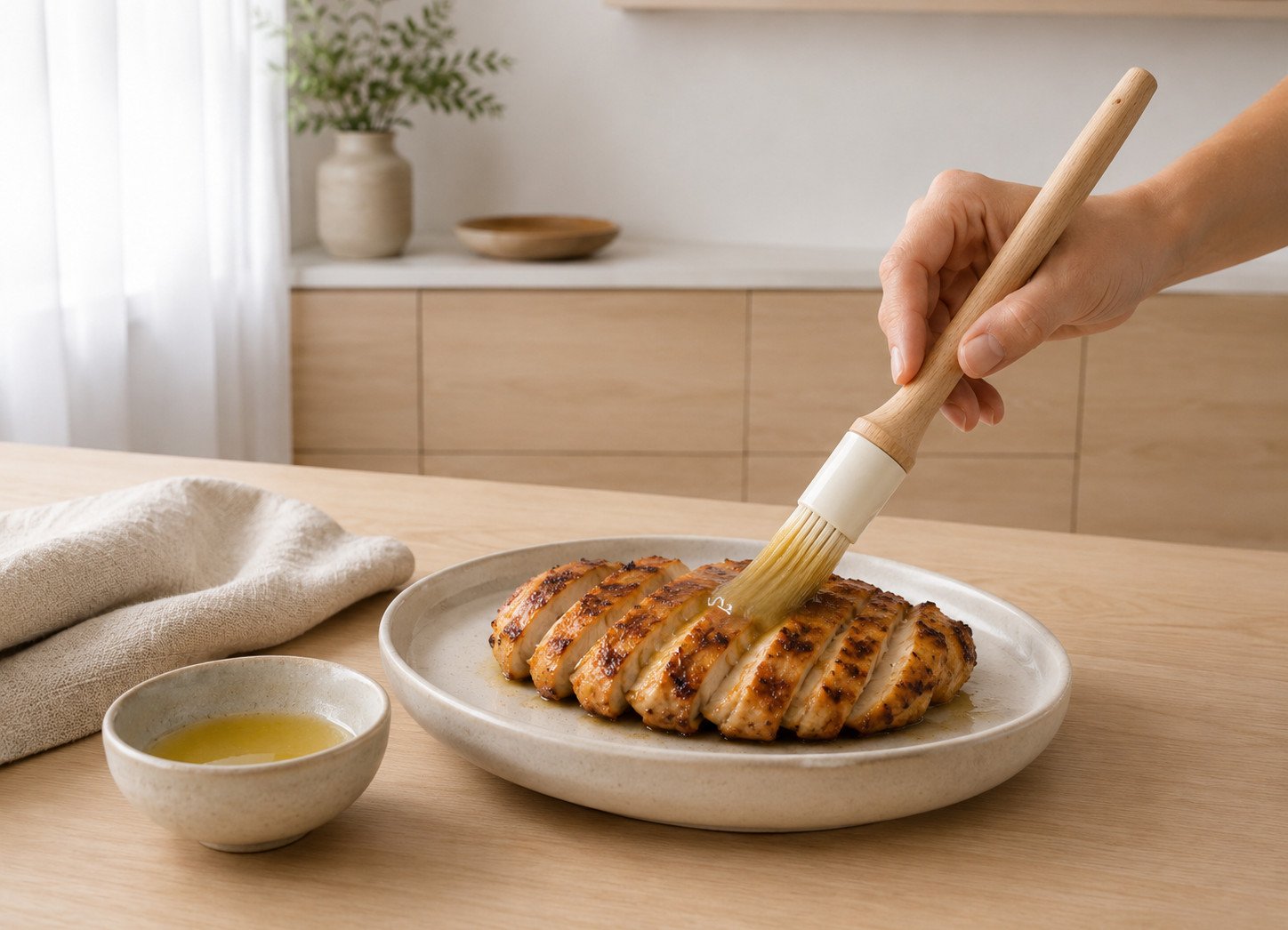
Baste
Baste once with melted butter partway through the cook.
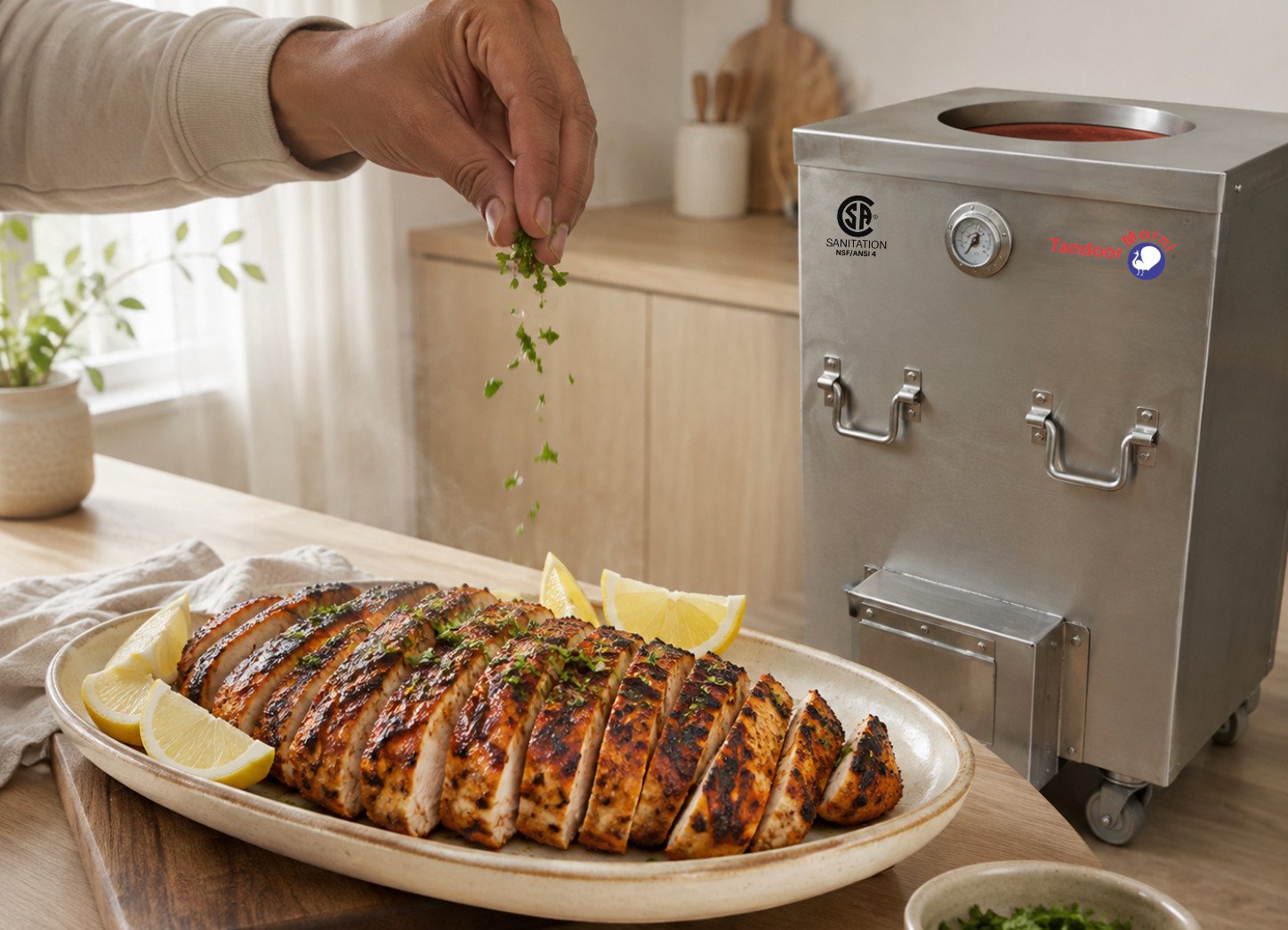
Rest, Slice, and Serve
Rest 2 minutes, slice, and serve with lemon wedges.
Why Pounding Matters More for Tandoori Chicken Breast Than Almost Any Other Technique Step
Boneless tandoori chicken breast fails more often from shape than from marinade or timing, and understanding why explains this recipe's emphasis on pounding.
Why Breast Has So Little Margin for Error
Chicken breast carries far less intramuscular fat than thigh, which means it has almost no buffer against overcooking — fat renders slowly and keeps meat moist even past its ideal point, a cushion breast simply doesn't have. That low margin is why even small thickness variations within one piece translate directly into dry edges next to an undercooked centre.
Why Pounding a Tandoori Chicken Breast Solves This Better Than Adjusting Cook Time
A whole, unpounded breast is naturally thicker at one end than the other. No single cook time can properly finish both the thick and thin ends at once — one will always be ahead of the other. Pounding to a uniform thickness removes that mismatch at the source, rather than trying to compensate for it during cooking, the same radiant-heat tandoori cooking principle used across this collection, just applied to a cut that leaves far less room for error.
Confirming Doneness on a Cut With Little Room for Error
USDA guidance still requires 165°F confirmed with a food thermometer, even on a well-pounded, evenly cooked breast — check the thickest remaining point, since even pounding rarely produces perfectly uniform thickness edge to edge.
What to Serve Chicken Breast With
This boneless tandoori chicken breast works well over a simple salad, alongside rice, or wrapped in naan for a quick meal. If you want a more dedicated wrap or salad build, our chicken naan wraps and tandoori chicken salad recipes use a closely related technique with full component builds.
For an even faster version of this same lean-cut principle, our thin sliced tandoori chicken recipe takes the pounding idea a step further by slicing the breast into cutlets rather than cooking it whole, cutting the cook time even shorter.
Additional Tandoori Chicken Breast Technique Notes
Pound to a Genuinely Even Thickness
This is the single highest-leverage step in the whole recipe. Don't rush it.
Don't Over-Marinate
30 minutes is enough for the classic marinade, and the chilli-lime variation needs even less given its acidity.
Buy Similarly Sized Breasts
Pounding evens thickness within one piece, but can't fully correct for two very differently sized breasts cooking side by side.
Set a Timer
This cut's short cook window leaves little room for distraction — a timer removes the guesswork.
Confirm Tandoori Chicken Breast Temperature at the Thickest Point
Per USDA guidance, check 165°F at the thickest remaining spot, even on a well-pounded piece.
Common Tandoori Chicken Breast Problems and Fixes
The Tandoori Chicken Breast Was Dry on One Side, Undercooked on the Other
Almost always uneven pounding. Take the time to get the thickness genuinely consistent before marinating.
The Chicken Was Dry Overall
Overcooking past 165°F, with very little margin given breast's low fat content. Pull it the moment it's reached temperature.
No Char Developed on the Tandoori Chicken Breast
The wall likely hadn't reached 600°F or higher. Confirm with a thermometer gun rather than estimating from burner time.
The Tandoori Chicken Breast Chilli-Lime Version Came Out Tough
Likely marinated too long. Lime's acidity works faster than yogurt's — keep this variation to 20 minutes, not 30.
Storing Leftover Tandoori Chicken Breast
Cooked chicken breast keeps in an airtight container for up to 3 days refrigerated. Reheat briefly in a hot pan — sliced breast reheats more evenly than a thick whole piece and is less prone to drying out further.
This dish freezes reasonably well for up to 2 months — thaw fully before reheating.
Where Chicken Breast Fits
This boneless tandoori chicken breast recipe is a leaner, faster-cooking adaptation of the marinate-and-char technique central to tandoori cooking, built around a cut most traditional recipes in this style skip in favour of fattier, more forgiving bone-in pieces — one of several tandoor chicken breast ideas covered across this site.
| Tandoori Chicken Breast Modern, Lean-Cut Adaptation | Pounded, briefly marinated, quickly charred — the style this recipe follows. |
| Whole Tandoori Chicken North India | The traditional bone-in original — see our best tandoori chicken recipe for the fuller, longer-marinated approach. |
| Thin Sliced Tandoori Chicken Modern, Quick-Cooking | Takes this same lean-cut principle further by slicing the breast into cutlets rather than pounding it whole. |
| Chicken Tikka Pan-North India | Cubed rather than pounded flat, typically from thigh rather than breast, with a longer traditional marinade time. |
A General Note on Nutrition
Among chicken breast recipes for tandoor cooking, this is one of the leanest in this collection — chicken breast carries very little fat, and the marinade and light butter baste add only a modest amount. Check specific figures via USDA FoodData Central for your exact ingredients.
Estimated values calculated from the recipe's ingredients using standard USDA reference data, not a laboratory analysis. Actual values will vary based on exact brands, measuring technique, and preparation choices. For a precise figure, calculate directly from the ingredients you use via USDA FoodData Central.
Chicken breast is one of the leanest, highest-protein cuts available, and this recipe keeps it that way with minimal added fat. As with any recipe, check ingredients against your own dietary needs via USDA FoodData Central rather than relying on general notes like this one.
Frequently Asked Questions — Tandoori Chicken Breast Recipe
Why does this tandoori chicken breast recipe start with pounding?
How thin should I pound the chicken breast?
Can I use the chilli-lime or herb-yogurt marinade instead of the classic one?
Is this an easy chicken tandoori recipe for a beginner to try?
How do I know the chicken is actually safe to eat?
Why did my chicken breast come out dry on one side and undercooked on the other?
Can I cube the chicken instead of cooking it as a whole pounded breast?
How do I know my chicken tandoor wall is hot enough before the chicken goes in?
Do I need to cure my chicken tandoor before running this recipe?
Which Tandoor Morni oven is best suited to this recipe for a full menu or event?
Commercial Tandoor Ovens Sized for This Tandoori Chicken Breast Recipe
This recipe's short cook works well on any of the ovens below — the main difference between them is footprint, not char quality.
34x34x37 inches. The oven used to develop this recipe.
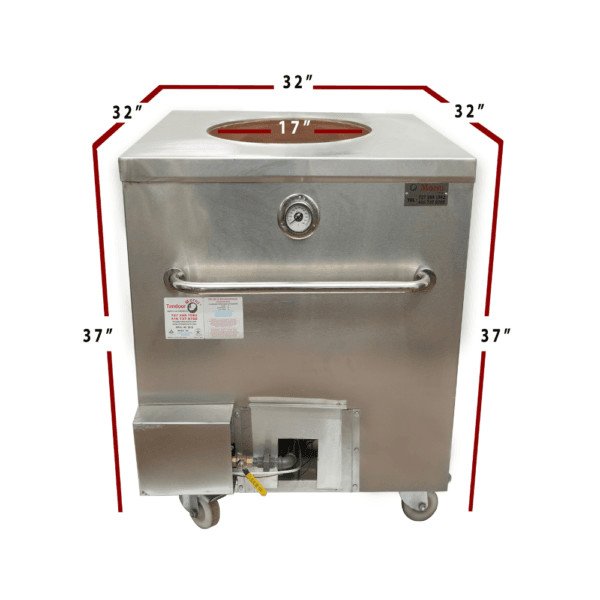
32x32x37 inches. A smaller footprint for kitchens with tighter space.
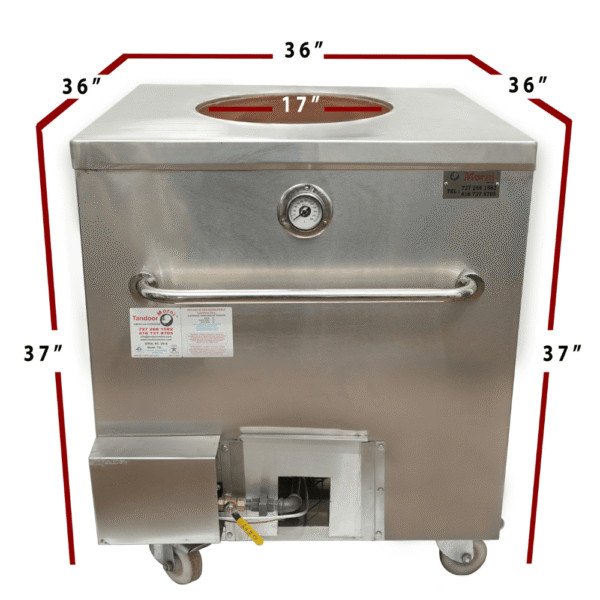
36x36x37 inches. The largest of the three, useful for higher-volume service.