
"Is tandoori chicken healthy" is one of the most common questions people ask before ordering it, and the honest answer is: generally yes, more than most comparable dishes, but with real nuance worth understanding rather than a flat yes. Tandoori chicken health benefits come from a specific combination of cooking method, marinade, and equipment — not just from being labeled "grilled" instead of "fried." Understanding exactly why tandoori chicken is healthy, and where it isn't automatically, matters more than the one-word verdict.
This guide covers why tandoori chicken is healthy in the ways that actually hold up under scrutiny, where the claims need a caveat, and how a properly used tandoor meat hanging hook plays a real role in cooking a whole bird evenly rather than just being a convenience accessory.
Is Tandoori Chicken Healthy? The Real Mechanisms Explained
Little to No Added Oil
The first reason "is tandoori chicken healthy" lands in yes territory is simply the fat it doesn't carry. Tandoori chicken is marinated in yogurt and spices, then cooked in a clay oven reaching temperatures up to 900°F. That intense heat cooks the chicken quickly without needing the oil a stovetop sear or deep fryer would require. Research on cooking methods from Baylor College of Medicine backs this up directly — roasting and dry-heat methods that need minimal added oil are consistently healthier than frying, which absorbs oil directly into the food. This is one of the strongest reasons tandoori chicken is healthy relative to its deep-fried counterparts.
Fat Drips Away Instead of Sitting in the Dish
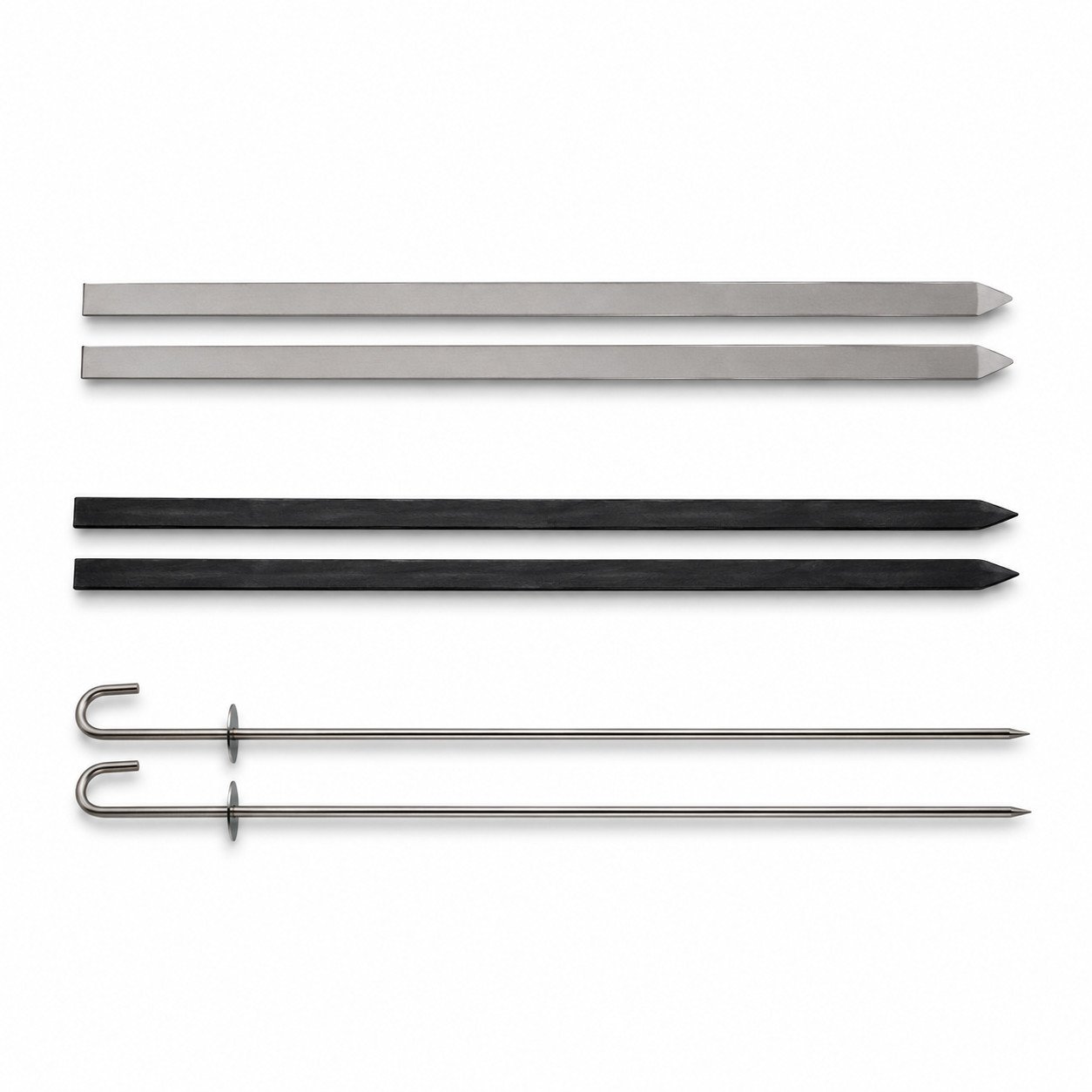
Tandoori chicken cooks on vertical skewers, hanging inside the chamber rather than resting flat. This lets rendered fat drip down onto the coals below instead of pooling around the meat the way it would in a pan. The result is a meaningfully leaner dish than the same chicken pan-fried in oil, without sacrificing flavor — a core reason the answer to "is tandoori chicken healthy" lands in the yes column.
Lean Protein, Minimally Processed
Chicken is already a lean protein source, and tandoori preparation doesn't add breading, heavy sauces, or significant carbohydrate load — the marinade is yogurt and spices, not batter. That keeps tandoori chicken naturally compatible with high-protein, lower-carb eating patterns, and is another big reason "is tandoori chicken healthy" lands in the yes column by default.
Fast Cooking Preserves Nutrients
Quick cooking at high heat tends to retain more of the natural nutrient content of the protein and any vegetables cooked alongside it than slow, prolonged cooking methods do. That nutrient retention is another quiet reason tandoori chicken is healthy in ways people don't always consciously track.
Is Tandoori Chicken Healthy? Where the Nuance Comes In
The honest answer to "is tandoori chicken healthy" isn't an unconditional yes. Like any cooking method that chars meat over intense direct heat, tandoori chicken isn't exempt from the same high-heat cooking chemistry that applies to grilling generally. The National Cancer Institute's fact sheet on high-temperature cooked meat notes that compounds called polycyclic aromatic hydrocarbons can form when meat is cooked at very high temperatures, particularly with heavy charring — a useful piece of context rather than a reason to avoid tandoori chicken altogether, since moderate char and varied cooking methods are the standard advice for any high-heat technique, not something specific to a tandoor.
It's also worth noting that not every tandoori preparation is equally light. Standard tandoori chicken, built on a yogurt marinade, is genuinely lean. Richer variations that lean on cream or butter — closer to a butter chicken preparation — carry meaningfully more fat, even though both come out of the same oven. The question of whether tandoori chicken is healthy really depends on which preparation shows up on the plate.
Is Tandoori Chicken Healthy Compared to Other Cooking Methods?
The real test of "is tandoori chicken healthy" is how it stacks up against the alternatives. Compared to deep-fried chicken, the difference is stark — frying submerges food in oil that gets absorbed directly into the meat, while a tandoor's radiant heat cooks chicken without that absorption happening at all. Compared to a pan-sear, tandoori chicken needs less added fat to develop a comparable browned crust, since the tandoor's ambient heat does more of the work than a hot pan and butter would. Compared to open-flame grilling, the two methods are closer in profile, though a tandoor's enclosed chamber produces more even cooking than an open grill grate is prone to. Any way you compare it, the "is tandoori chicken healthy" question lands in a better place than most restaurant-style chicken preparations do.
Tandoor Meat Hanging Hook: Getting Whole-Bird Cooking Right
Most tandoori chicken health benefits assume the chicken is cooked evenly, and that's exactly where a tandoor meat hanging hook matters for whole birds rather than individual pieces. Suspending a whole marinated chicken securely inside the chamber keeps it centered in the heat, letting fat render and drip away from every side rather than pooling wherever the bird happens to rest closest to the flame. In practical terms, the answer to "is tandoori chicken healthy" depends partly on whether it's cooked evenly, and the hook is what makes that practical for whole birds.
Our Tandoor Oven Meat Hanging Hook AS17 is built specifically for this kind of larger-format cooking. Without it, cooks often improvise with equipment that wasn't designed for the weight, which risks both uneven cooking and a genuinely awkward, less safe loading process — undermining the exact mechanisms that make tandoori chicken healthy in the first place.

Suspending a whole bird lets fat drip away evenly from every side — a real factor behind why tandoori chicken is healthy done properly.
Is Tandoori Chicken Healthy as Part of a Balanced Meal?
Even the healthiest cooking method doesn't override basic portion and pairing choices. Tandoori chicken paired with a vegetable side and a modest amount of bread makes for a genuinely balanced plate. Pairing it with a heavy curry, extra butter, or a large amount of naan turns a lean protein dish into a much richer meal regardless of how the chicken itself was cooked. So the real-world answer to "is tandoori chicken healthy" depends partly on everything else on the plate alongside it — the chicken on its own is lean, but the full plate is what the body actually gets.
Choosing the Right Tandoor to Make Tandoori Chicken Healthy at Scale
At commercial volume, "is tandoori chicken healthy" also becomes a question of equipment capacity — a well-matched oven makes consistent, lean cooking much easier to maintain across hundreds of plates. For a restaurant serving lean tandoori chicken as a genuine menu draw, the Restaurant Tandoor Oven CH02 handles continuous nightly volume without falling behind. For kitchens that need documented certification alongside health-forward menu claims, the CSA ETL NSF Tandoor Oven T04 pairs certified construction with the same cooking method.
For catering operations building a health-conscious event menu, the Round Catering Clay Tandoor Oven CS01 gives enough capacity to keep multiple skewers of lean chicken moving through service at once. Whichever model fits your kitchen — the Restaurant Tandoor Oven CH02, the CSA ETL NSF Tandoor Oven T04, or the Round Catering Clay Tandoor Oven CS01 — the same tandoori chicken health benefits apply, since they all cook the same way, and the answer to "is tandoori chicken healthy" stays the same across all three.
Common Misconceptions About Whether Tandoori Chicken Is Healthy
A few recurring claims muddy the "is tandoori chicken healthy" question in both directions — worth clearing up directly.
- "All tandoori chicken is automatically low-calorie." Standard yogurt-marinated preparations are genuinely lean, but cream-heavy variations carry noticeably more fat.
- "The char is just for looks." The char is flavor, but heavy charring is also where high-heat cooking compounds concentrate most — moderate char is the better target either way, and the healthier version of tandoori chicken.
- "Any tandoor delivers the same health profile." A properly maintained, well-cured tandoor with even heat distribution actually cooks more consistently, which matters for both flavor and even fat rendering. Consistent cooking is part of what makes tandoori chicken healthy on every plate rather than only on some.
Frequently Asked Questions
Is tandoori chicken healthy compared to fried chicken?
What are the biggest tandoori chicken health benefits?
Is tandoori chicken healthy specifically compared to butter chicken?
What does a tandoor meat hanging hook have to do with healthy cooking?
Does charring tandoori chicken heavily pose a health concern?
Final Thoughts: Is Tandoori Chicken Healthy?
Tandoori chicken health benefits go beyond a single flashy claim — it's the combination of minimal added oil, fat that drips away during cooking, and a lean marinade that adds up to a genuine advantage over most comparable cooking methods. The honest answer to "is tandoori chicken healthy" is yes, with the same reasonable caveats that apply to any high-heat cooking method, and equipment that supports even cooking — including something as simple as a proper hanging hook for whole birds — is part of getting that result consistently. So the next time someone asks is tandoori chicken healthy, you can answer confidently: yes, when it's cooked right.
Have questions about cooking healthier tandoori dishes, or want to settle "is tandoori chicken healthy" for your own menu planning? Call us at +1 (727) 251-6924 or email info@tandoormorni.com.