

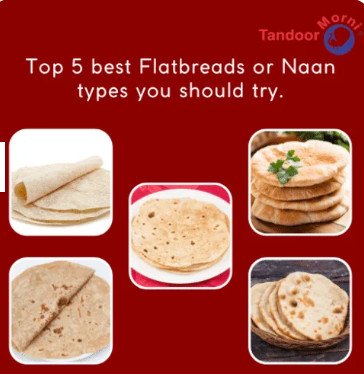
This site has 12 naan-related recipes across its collection — more than enough to overwhelm a new tandoor owner trying to decide where to start. This page cuts through that by doing something the varieties overview doesn’t: taking a position and ranking the top 5 by three explicit criteria — flavour reward, technique challenge level, and guest appeal at a dinner or gathering. Use it as a structured recommendation rather than an alphabetical reference.
The differentiation between this page and our Naan Varieties guide is intentional: that page provides a comprehensive overview; this one makes an explicit case for five specific varieties in a specific order.
The Top 5 Ranked
#1 — Plain Naan (Recipe →)
Flavour: 4/5 — the tandoor’s contribution to plain dough is remarkable on its own. Technique: Foundational. Guest appeal: Universal. Ranked first because it’s the prerequisite for every other entry — the wall-baking skill, the temperature reading, the timing — all developed through plain naan apply directly to everything below.
#2 — Garlic Naan (Recipe →)
Flavour: 5/5 — butter, garlic, and char together are one of the most compelling bread experiences from any cooking method. Technique: Low — it’s a finishing variation on plain naan. Guest appeal: Maximum. The preparation that most convinces dinner guests the clay oven was worth every penny.
#3 — Chilli Coriander Naan (Recipe →)
Flavour: 4.5/5 — the heat from fresh chilli and the brightness of coriander both intensify beautifully against the char. Technique: Moderate — flavour mixed into the dough. Guest appeal: High for spice-tolerant crowds, moderate for mixed heat-tolerance groups.
#4 — Multigrain Naan (Recipe →)
Flavour: 3.5/5 — the nutty, complex flavour of whole grains is genuinely interesting, if less immediately dramatic than garlic or chilli. Technique: Moderate — different dough composition. Guest appeal: High for health-conscious guests, moderate for those expecting the standard naan experience.
#5 — Masala Naan (Recipe →)
Flavour: 5/5 when executed well — the contrast between the plain exterior crust and the spiced potato interior is genuinely surprising and delicious. Technique: High — the sealing, rolling, and extended bake are all more demanding than any other entry. Guest appeal: Highest potential ceiling of all five, but also the most execution-dependent.
Choosing for Your Situation
For a first tandoor session: plain naan only. For a dinner party where you want guaranteed crowd-pleasing: garlic naan, plain naan as backup. For a gathering with adventurous guests: add chilli coriander and masala naan once the first two are comfortable. For a health-conscious dinner: multigrain naan paired with lean chicken breast. Understanding the scoring rationale behind this ranking helps you apply its logic to your own specific situation rather than treating it as a fixed prescription.
Technique Demands Compared
Plain and garlic naan share identical technique — garlic is purely a finishing variation. Chilli coriander and multigrain both modify the dough’s composition rather than its handling, adding a step during mixing without changing the wall-baking procedure. Masala naan is categorically different: the filling, sealing, careful rolling, and extended 2.5 to 3 minute bake time all represent genuine additional technique demands rather than simple variations on plain naan. If you’re cooking all five in a single session, bake in this order to match preparation complexity with oven temperature as it naturally evolves across the session: plain first while the wall is at peak temperature, garlic immediately after (same dough, finishing only), then chilli coriander and multigrain as the wall stabilises, and masala naan last when you’re most comfortable with the oven’s behaviour.
Common to all five: the temperature of the clay wall before you apply dough is the single most important variable. An under-preheated wall produces naan that won’t adhere and falls — the most demoralising first-session failure, and entirely preventable with a thermometer and patience.
Frequently Asked Questions
How is this different from the naan varieties guide on this site?
The varieties guide provides a reference overview of all types. This page ranks the top 5 with explicit scoring criteria for readers who want a recommendation rather than a comprehensive list.
Why is plain naan ranked first despite being the simplest?
Because it’s the foundational technique prerequisite for every other variety — mastering plain naan properly is what makes all the others accessible.
Should I learn all 5 in ranking order?
Broadly yes — the ranking roughly follows difficulty from foundation (plain) to most technically demanding (masala naan stuffed format).
Which naan has the highest guest appeal?
Garlic naan consistently produces the strongest immediate reaction — butter, garlic, and char together from a clay oven is one of the most universally appealing food experiences.
Are any naan types not on this list worth learning?
Yes — spinach naan, coriander naan, and roti all appear in the full collection. This list is a starting framework, not an exhaustive ceiling.
Why is stuffed masala naan ranked 5th if it’s so impressive?
Its impressiveness is execution-dependent. A mishandled masala naan is less impressive than a perfectly executed plain naan. The ranking reflects quality ceiling and execution reliability together.
Naan Recipes
Scoring Rationale — How the Rankings Were Decided
Three criteria with equal weight: flavour reward (what the finished naan tastes like at its best), technique challenge (how much skill the preparation requires beyond basic wall-baking), and crowd appeal (how consistently the naan produces a strong positive reaction from guests who eat it). Scoring is relative to the full naan collection rather than absolute — every naan on this site is worth making, so the rankings reflect comparative value rather than any dismissal of lower-ranked varieties.
Flavour reward is assessed at best-case execution rather than average execution — a masala naan done well scores higher than garlic naan done well on flavour, but garlic naan’s lower execution risk means it scores higher on crowd appeal reliability. The combined score produces a ranking that reflects what most tandoor owners will find most valuable as a starting framework. Within each individual cook’s context, the rankings may shift — an experienced cook who finds the technique challenge of masala naan negligible should weight flavour more heavily and would reasonably rank it first.
Beyond the Top 5 — What to Explore Next
Once the top 5 are comfortable, this site’s naan collection extends to spinach naan (the health-forward option with vivid green colour), coriander naan (a subtler herb-forward alternative), multigrain naan (whole grain composition), and the Naan Gaddi technique guide (understanding the bread pad that makes wall-baking possible). Tandoori roti sits adjacent to the naan collection — unleavened rather than yeasted, thinner, and faster — and provides a useful variation for situations where the rise time of yeasted naan isn’t practical. Each of these adds a distinct element to a bread repertoire that, at its fullest expression across this site’s collection, demonstrates that the clay oven’s contribution to flatbread cooking is as broad and deep as its contribution to protein preparations.
A Practical Session Sequence for All 5
If you want to bake all five varieties in a single session to compare them side by side — a worthwhile exercise for developing a clear sense of each one’s distinct character — the most practical order is: plain naan first while the oven is at peak temperature, garlic naan second as a finishing variation on plain, chilli coriander naan third as the first with a flavoured dough, multigrain naan fourth once you’re comfortable with modified dough composition, and masala naan last when your wall-baking confidence is at its highest and you can give the more demanding preparation your full attention.
For guests, tell them which variety they’re receiving as you serve it — the contrast between a plain naan, a garlic naan, and a masala naan emerging in sequence from the same clay wall is a genuinely educational tasting experience that most guests haven’t had before, and one that makes the distinctiveness of each variety immediately apparent in a way that reading descriptions alone doesn’t convey.
One Common Mistake With Each Ranked Variety
Plain naan: starting before the wall is fully preheated — naan falls rather than adheres to an under-temperature wall, the most demoralising first session failure. Garlic naan: using garlic powder rather than fresh garlic, which produces a noticeably less bright, less aromatic result than fresh minced garlic applied immediately before baking. Chilli coriander naan: using dried chilli flakes mixed into the dough rather than fresh chilli — the texture and heat distribution are different, and fresh chilli’s moisture content helps integrate into the dough more naturally. Multigrain naan: substituting the wrong grain ratio, producing a dough that doesn’t develop adequate gluten for proper rise and wall-baking adherence. Masala naan: rolling too thin over the filling, which tears the dough and exposes the filling before the oven stage — thicker than plain naan, always.
Serving Naan to Guests — Practical Notes
The single most important practical note for serving naan to guests: bake it in small batches immediately before serving rather than all at once at the beginning of the meal. Naan held for more than 10 minutes loses its fresh-from-the-wall quality — the exterior softens, the char stops being aromatic, and the bread that was extraordinary 3 minutes ago becomes merely good. For a dinner party, arrange the meal so the tandoor can run periodically through the meal rather than pre-baking all the bread in a single session. Most guests are happy to wait briefly between courses for bread that comes directly from the clay wall, and the process itself — watching the naan go in and come out — is part of the dining experience rather than a preparation step to be hidden from view.
The Broader Flatbread Tradition
The five varieties ranked here represent only part of the clay oven’s flatbread tradition. Tandoori roti — the unleavened alternative to naan — is arguably older as a clay oven preparation and remains the everyday bread in many South Asian households where naan’s yeast and enriched dough are considered more festive than practical for regular cooking. Peshwari naan, with a sweet filling of coconut and almonds, represents yet another direction entirely — essentially a dessert bread in the sweet-filled tradition that masala naan also participates in but with completely different flavour territory. Kulcha, a leavened bread stuffed with paneer or potato and popular in the Punjab, is closely related to naan in technique but distinct in construction, adding yet another branch to a family tree that continues to expand across both traditional and contemporary clay oven baking. The five varieties ranked here are the core of that tradition for most tandoor owners in North America — but they’re not its ceiling, and exploring further into the broader flatbread canon is one of the most rewarding directions the clay oven offers beyond protein cooking.