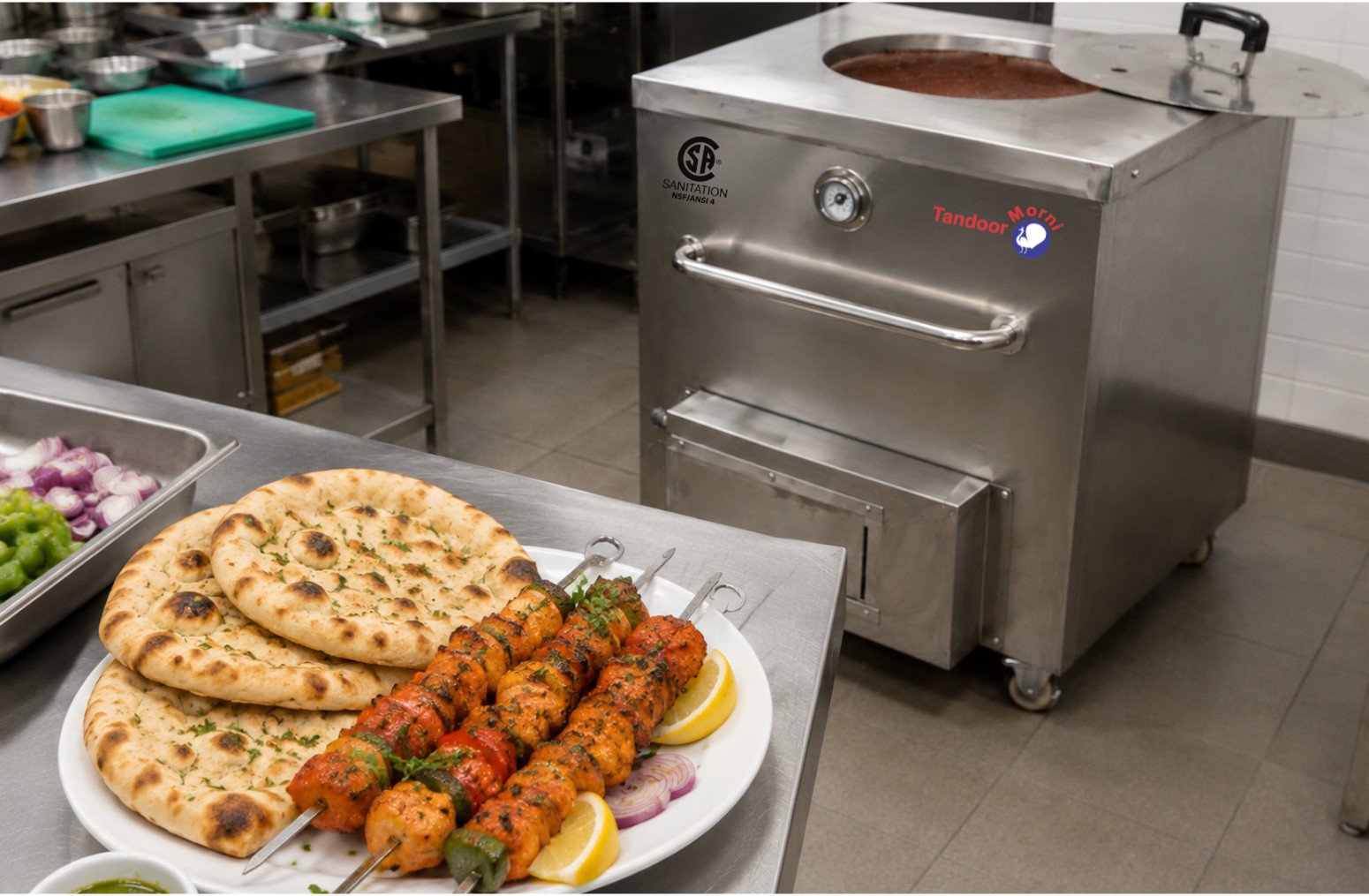
Do you remember getting lost in the taste of a juicy tandoori chicken or a soft naan with a smoky edge? The taste difference of tandoor cooking feels almost like magic — but it isn't. There's real, explainable science behind why food cooked in a tandoor tastes so different from anything made in a conventional oven or a stovetop pan.
This guide breaks down exactly why tandoor food tastes different, the unique flavor of clay oven cooking specifically, and the role a properly functioning gas tandoor oven burner plays in delivering that result consistently, whether you're cooking at home or running a busy restaurant kitchen. The tandoor cooking flavor science covered below pulls together everything that gives real tandoori food its signature taste — and understanding the taste difference of tandoor cooking at this level actually makes it easier to reproduce reliably at home or in a commercial kitchen.
What Does a Tandoor Actually Do?
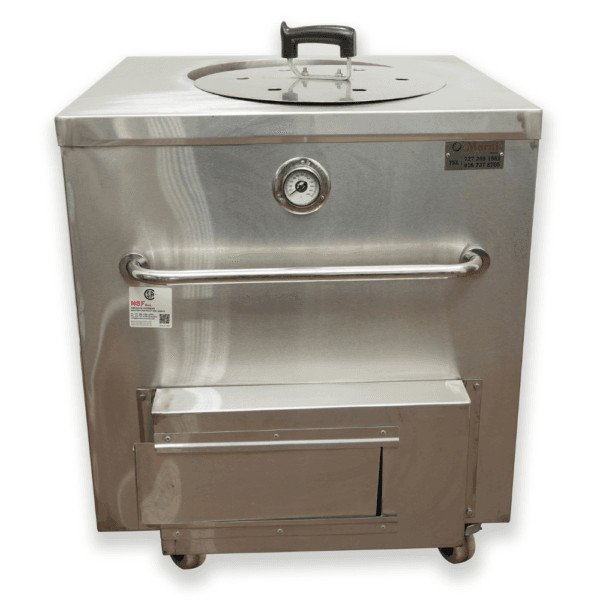
A tandoor is a deep, barrel-shaped oven traditionally made of clay, used across India, Pakistan, and Central Asia for centuries. It works by heating up with charcoal, wood, or gas until it reaches very high temperatures — sometimes as high as 900°F (480°C). But heat alone isn't what makes the tandoor unique. It's the way that heat is applied: food comes out crispy on the outside, soft on the inside, and full of flavor, whether it's roasted meat on skewers or bread slapped directly onto the hot clay wall. The taste difference of tandoor cooking really starts right here, with that chamber geometry and the way clay stores and radiates heat.
Taste Difference of Tandoor Cooking: The Real Mechanisms
High Heat Locks the Juices In
Food cooks quickly in a tandoor. The high temperature sears the outside almost immediately, forming a crust that keeps natural juices sealed inside rather than cooking away slowly, the way they would in a slow braise or a stovetop fry. That speed is a big part of why tandoori chicken stays juicy and paneer doesn't turn rubbery — and it's the first mechanism behind the taste difference of tandoor cooking most people actually notice when they bite into a well-made dish.
The Maillard Reaction
Something genuinely chemical happens when meat or bread touches the hot surface of a tandoor. It triggers the Maillard reaction, a well-documented reaction between amino acids and reducing sugars that produces deep, rich, browned flavors and aromas. The maillard reaction tandoor cooks rely on is the same reaction responsible for the golden-brown spots on naan and the savory smell of tandoori chicken as it cooks — the chamber's extreme heat simply pushes it further and faster than a conventional oven can.
Real Smoke, Not a Flavoring
Tandoors fired by charcoal or wood aren't sealed electric boxes — food genuinely takes on smoky character as it cooks, since dripping juices hit hot coals below and create real smoke that flavors the food from the outside in. Research on the chemistry of open-flame cooking traces that smoky flavor to specific compounds released when wood or charcoal burns — it's not an additive, it's a direct result of the cooking method itself. That tandoor smoke flavor is what sets this cooking method apart from any sealed electric or convection oven.
Clay Walls Add Their Own Character
Clay isn't just traditional dressing — it's functionally important. It retains heat exceptionally well, distributes it evenly across the chamber, and imparts a subtle earthy note that a metal oven simply can't replicate. When dough hits the hot wall, it puffs and browns almost instantly, producing the soft, chewy texture people associate with real naan. That clay oven taste is one of the hardest things to reproduce in any other cooking equipment, which is why no stainless or ceramic alternative has fully displaced the traditional clay chamber.
Taste Difference of Tandoor Cooking vs Other Methods
Compared to deep frying, tandoor cooking needs far less oil, since the intense heat does the work a frying oil bath would otherwise need to do. Compared to a stovetop sear, a tandoor applies heat from multiple directions at once — radiant heat from the walls, direct heat from the coals or flame, and convection from rising hot air — which a single flat pan surface can't replicate. That combination is really the core of the taste difference of tandoor cooking: it isn't one mechanism working alone, it's several working together at the same time. This is also where the tandoor cooking science becomes measurable rather than mythical — each heat path contributes an identifiable share of the final flavor.
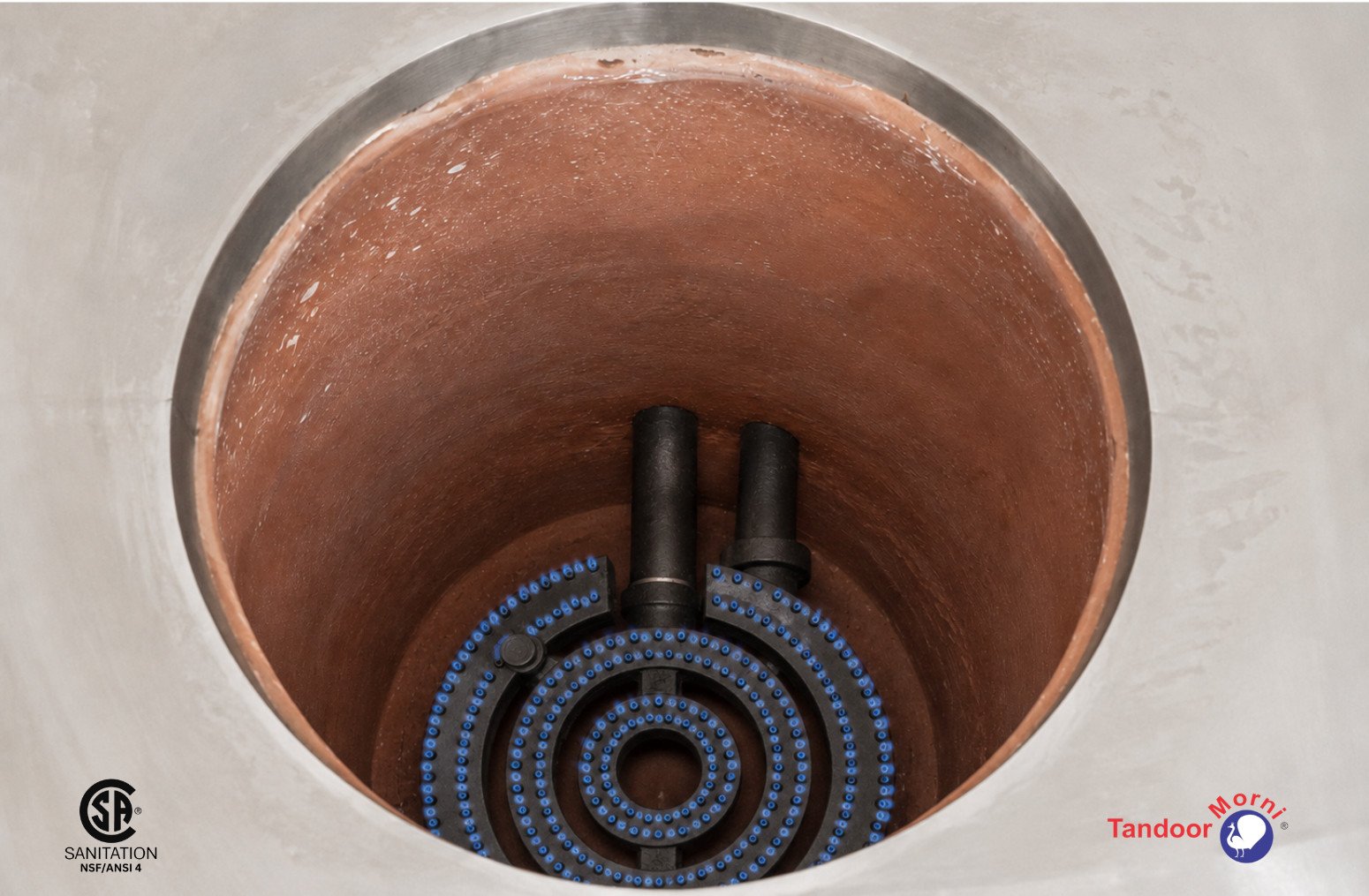
A properly maintained burner is what actually delivers the consistent heat this whole flavor process depends on.
Taste Difference of Tandoor Cooking: The Gas Burner's Role
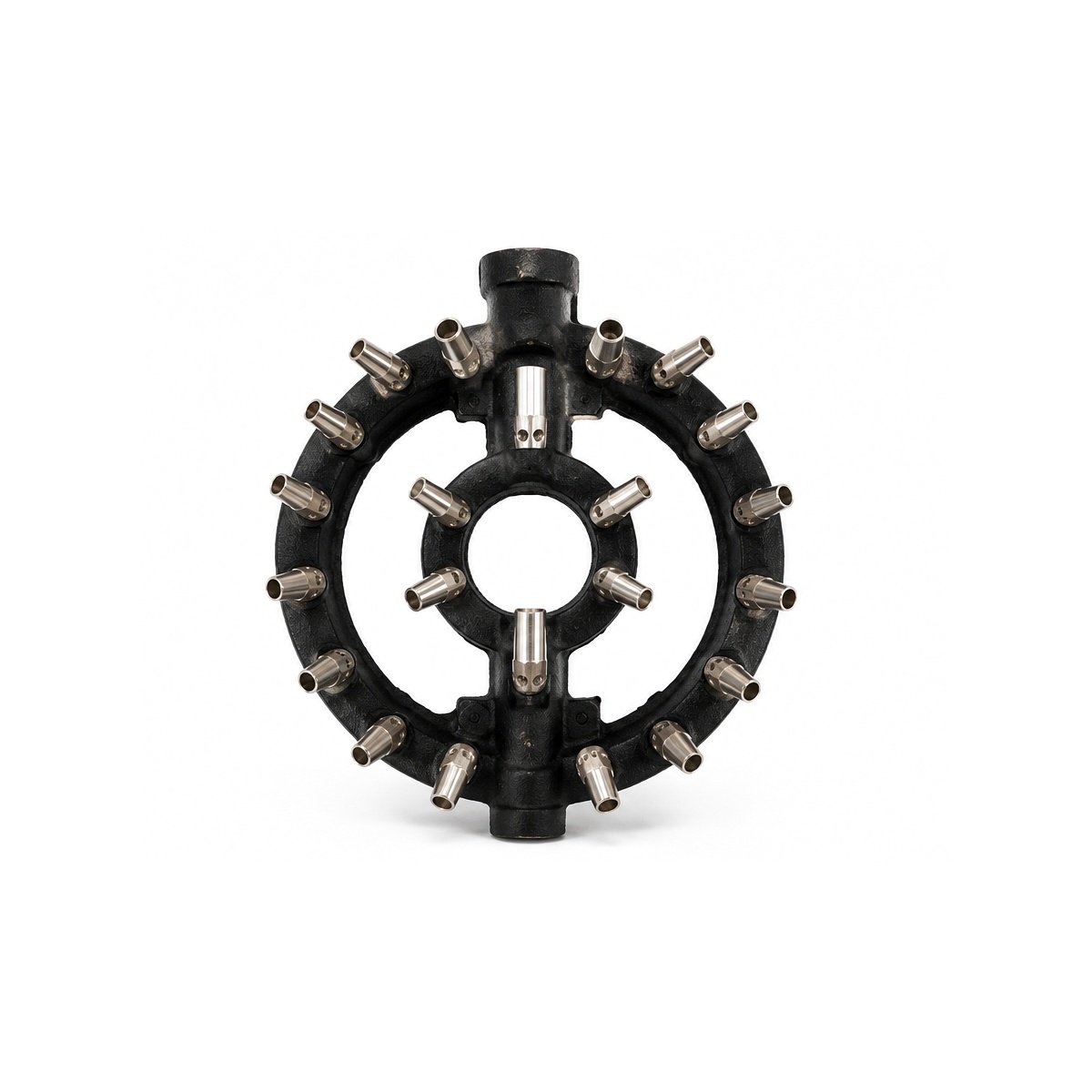
None of the flavor mechanisms above happen reliably without a burner that's actually doing its job. In gas-fired tandoors, the gas tandoor oven burner is what produces the steady, sustained heat the chamber needs to hit and hold the temperatures that drive the Maillard reaction and proper searing. A burner that's underperforming — inconsistent flame, uneven heat distribution, slow to reach temperature — undermines every other part of this flavor equation, no matter how good the marinade or the clay lining is.
Our Tandoor Oven Burner AS06 is built specifically to deliver that consistent output, which matters just as much for the taste difference of tandoor cooking as the clay chamber itself does. A well-maintained burner is genuinely part of the flavor story, not just a mechanical detail.
Bringing the Taste Difference of Tandoor Cooking Home
Restaurants aren't the only place this matters anymore. More home cooks are buying their own tandoors, and once you understand why tandoor food tastes different, it's easy to see why: no more grilled chicken that's dried out, no more flat bread that lost its texture cooling on the counter. A real tandoor brings that same flavor chemistry — the maillard reaction tandoor browning, the real tandoor smoke flavor, and the distinctive clay oven taste — into a backyard or patio setup. The taste difference of tandoor cooking stays identical whether the chamber lives in a restaurant line or on a patio.
Choosing a Tandoor Built for This Flavor
The oven itself is where the taste difference of tandoor cooking either shows up on every plate or disappears. For kitchens already piped for natural gas, the Natural Gas Tandoor Oven CH04 delivers the controllable, consistent heat that drives all of the flavor mechanisms covered above, without sacrificing the clay-lined interior that actually produces the char and smoke people are after. For a restaurant running tandoori dishes through nightly service, the Restaurant Tandoor Oven CH02 gives cooks the continuous-duty capacity to keep that flavor consistent across dozens of orders a night.
And for kitchens that need documented, third-party-verified safety alongside that same flavor profile, the CSA ETL NSF Tandoor Oven T04 pairs certified construction with the same cooking mechanics. Whichever model fits your kitchen — the Natural Gas Tandoor Oven CH04, the Restaurant Tandoor Oven CH02, or the CSA ETL NSF Tandoor Oven T04 — the same taste difference of tandoor cooking applies, since all three run on the same fundamental heat mechanics.
Common Misconceptions About the Taste Difference of Tandoor Cooking
- "The smoky taste is added artificially." It isn't — the taste difference of tandoor cooking comes directly from juices dripping onto hot coals or a live flame during cooking.
- "Any high heat produces the same result." The combination of radiant, direct, and convective heat inside an enclosed clay chamber is specifically what a flat grill or conventional oven can't replicate.
- "Gas tandoors taste worse than wood-fired ones." The core flavor mechanisms — Maillard browning, moisture sealing, clay's earthy character — apply regardless of fuel type, though wood does add its own additional smokiness.
Frequently Asked Questions
What's the actual taste difference of tandoor cooking compared to a regular oven?
Why does tandoor food taste different from grilled food?
What causes the unique flavor of clay oven cooking specifically?
How does a gas tandoor oven burner affect the final taste?
Does a gas tandoor taste as good as a wood-fired one?
Final Thoughts on the Taste Difference of Tandoor Cooking
Tandoor cooking isn't just a trend — it's a genuinely different cooking mechanism, and the taste difference of tandoor cooking is the direct result of real, explainable tandoor cooking flavor science: locked-in juices, the maillard reaction tandoor cooks depend on, real tandoor smoke flavor, and clay's unique heat behavior that gives food its distinctive clay oven taste, all backed by a burner that keeps the chamber running at consistent temperature. Understanding this tandoor cooking science makes it a lot easier to appreciate what you're actually tasting the next time a plate comes out of the chamber, and it also makes it clear why the taste difference of tandoor cooking is so hard to fake with any other equipment.
Have questions about bringing that flavor home? Call us at +1 (727) 251-6924 or email info@tandoormorni.com.