History of tandoor oven design stretches back roughly five thousand years, and it still shapes the way Tandoor Morni builds ovens today. Few kitchen tools carry as much story in their walls as the clay tandoor. Long before "smoky" and "charred" became restaurant buzzwords, cooks were already lowering skewers into glowing pits of fired clay. This isn't a story of one invention in one place; it's a slow, shared discovery made by farming communities across an entire stretch of the ancient world who all landed on the same basic idea — a rounded clay chamber holds heat better than an open fire ever could.
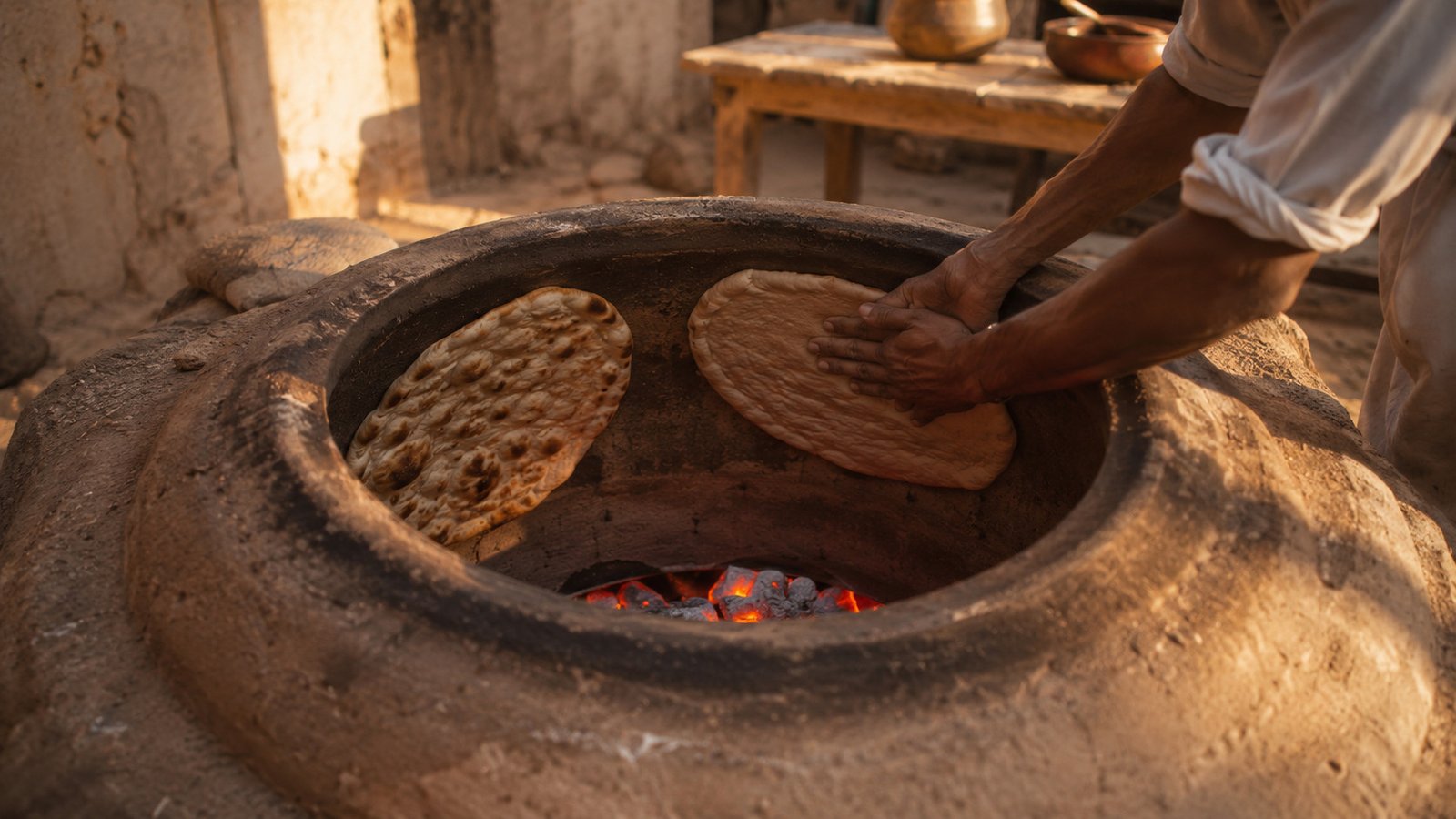
A traditional clay tandoor, built the same way for thousands of years.
The word itself carries that shared history. "Tandoor" comes from the Hindi and Urdu tandūr, borrowed from the Persian tanūr, which most linguists trace back further still to the Akkadian tinūru — a compound of words roughly meaning "mud" and "fire." A name that old, passed between so many languages, is itself a clue to how far and how long this oven has traveled.
Ancient Roots: The Indus Valley Beginnings
Archaeologists tracing the clay tandoor oven origin point to the Harappan settlements of the Indus Valley Civilization, where excavations at sites such as Kalibangan uncovered cylindrical clay ovens sunk into courtyard floors, complete with ash and charred grain nearby. These early ovens date back to roughly 3000 BCE, making them one of the oldest continuously used cooking technologies in the world. Around the same period, similar dome-shaped clay ovens called tannurs appeared in Mesopotamia, used for communal bread baking in dry, wood-scarce regions where retained heat mattered more than open flame.
This overlap between the Indus Valley and Mesopotamia isn't a coincidence — trade routes across ancient Persia carried both goods and building techniques, and the clay oven traveled with them. Further north and west, the Leyla-Tepe culture of the ancient Caucasus, in what is now Azerbaijan, was building comparable clay hearths as early as 4300 BCE, sunk into house floors for warmth as much as cooking. By the time organized kingdoms rose across Central and Western Asia, versions of the tandoor were already a fixture in kitchens from Persia to the Caucasus, each region adapting the shape slightly to local clay and fuel.
Tandoor Traditions Beyond India
It's easy to think of the tandoor as a single Indian invention, but the design fanned out across a huge stretch of the ancient world long before national borders existed. In Uzbekistan and much of Central Asia, the same barrel-shaped oven is called a tandyr and is used to bake round, sesame-topped non bread pressed onto the inner wall exactly like naan. In Armenia and Georgia, a below-ground version known as a tonir or tone is still central to family life, often built into the floor of a courtyard and used for both baking bread and slow-roasting meat and vegetables buried directly in the embers. Turkish and broader Middle Eastern kitchens use a tandır or tannur for flatbreads and kebabs, while parts of Afghanistan rely on a naan-way, a communal oven very close in spirit to the Punjabi sanjha chulha.
What ties all of these regional ovens together isn't a shared border — it's a shared physics problem. Wood and charcoal were often scarce, so societies across Persia, the Caucasus, Central Asia, and the Indian subcontinent independently arrived at the same solution: a thick clay chamber that traps and radiates heat efficiently, letting a modest fire cook far more food than an open flame ever could.
Tandoor History in India: The Mughal Turning Point
While the oven itself is older than any single empire, tandoor history India takes a sharp turn with the arrival of the Mughals. Court chronicles describe Emperor Jahangir's fascination with tandoor-roasted meat, and it's said his cooks built a portable version of the oven so it could travel with the royal camp. That single decision — making the tandoor mobile — helped push the technique out of village courtyards and into the broader food culture of the subcontinent.
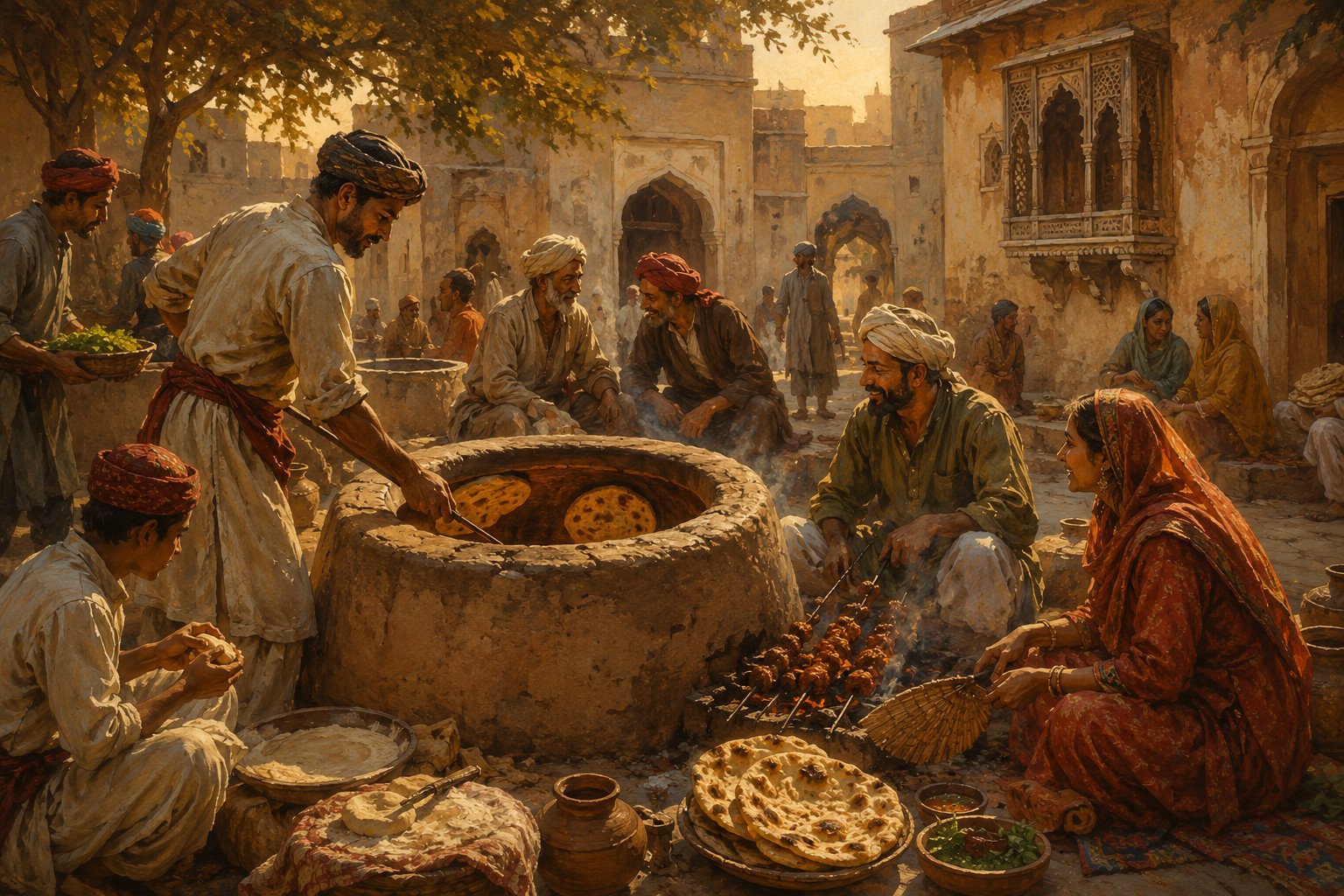
Around the same era, Guru Nanak Dev encouraged communities to build a shared sanjha chulha, a communal clay oven where neighbors of every background baked bread side by side, regardless of caste or class. That tradition of the shared clay pit is part of why tandoor ovens still carry a sense of hospitality wherever they're set up, whether in a Punjab courtyard generations ago or a backyard patio today. In many Punjab villages, communal tandoors are still standing and still fired up daily, a living link back to that same era.
The sanjha chulha tradition: a shared clay oven at the center of village life.
Traditional Clay Oven Cooking Techniques
What makes traditional clay oven cooking distinct is the way heat behaves inside a rounded clay chamber. A wood or charcoal fire at the base drives the interior walls to extremely high heat — often in the range of 900 Degree Fahrenheit — and food cooks through a combination of radiant heat from the clay, direct contact with the flame, and convection from rising hot air. Dough is slapped straight onto the interior wall to puff and char in under a minute, while marinated meat and vegetables are lowered vertically on skewers so dripping juices land on the coals instead of the food, producing that unmistakable smoky flavor without excess oil.
None of this works without the clay itself. Traditional builders mix local clay with straw, husk, or grass fiber in careful ratios to prevent cracking under thermal stress, then insulate the outer shell with sand or packed earth to hold heat and protect anyone standing nearby. It's a surprisingly precise craft dressed up as rustic simplicity.
Marination is just as deliberate as the build. Meat and vegetables are typically coated twice — first in a dry spice rub, then in a thick yogurt-based marinade that tenderizes the protein and helps the char form without burning. This two-step process is a close cousin of dum pukht, the slow, sealed-pot cooking style that developed in Mughal kitchens alongside the tandoor. Where dum pukht traps steam under a sealed lid for a low, even cook, the tandoor does the opposite — searing fast, over intense, direct heat — and the two techniques were often used side by side in the same royal kitchens to produce very different textures from the same ingredients.
From Village Courtyards to Commercial Kitchens
The tandoor's leap into global popularity has a fairly specific origin point: Partition-era Delhi. Refugee restaurateurs, most famously the trio behind Moti Mahal — Kundan Lal Jaggi, Thakur Dass, and Kundan Lal Gujral — brought tandoor cooking with them from Peshawar and introduced dishes like tandoori chicken and, later, butter chicken to a wider audience. Their Delhi restaurant became a gathering place for the city's political and cultural elite, and within a couple of decades tandoori cuisine had crossed oceans, firmly established on restaurant menus in the UK and North America by the 1960s and 70s.
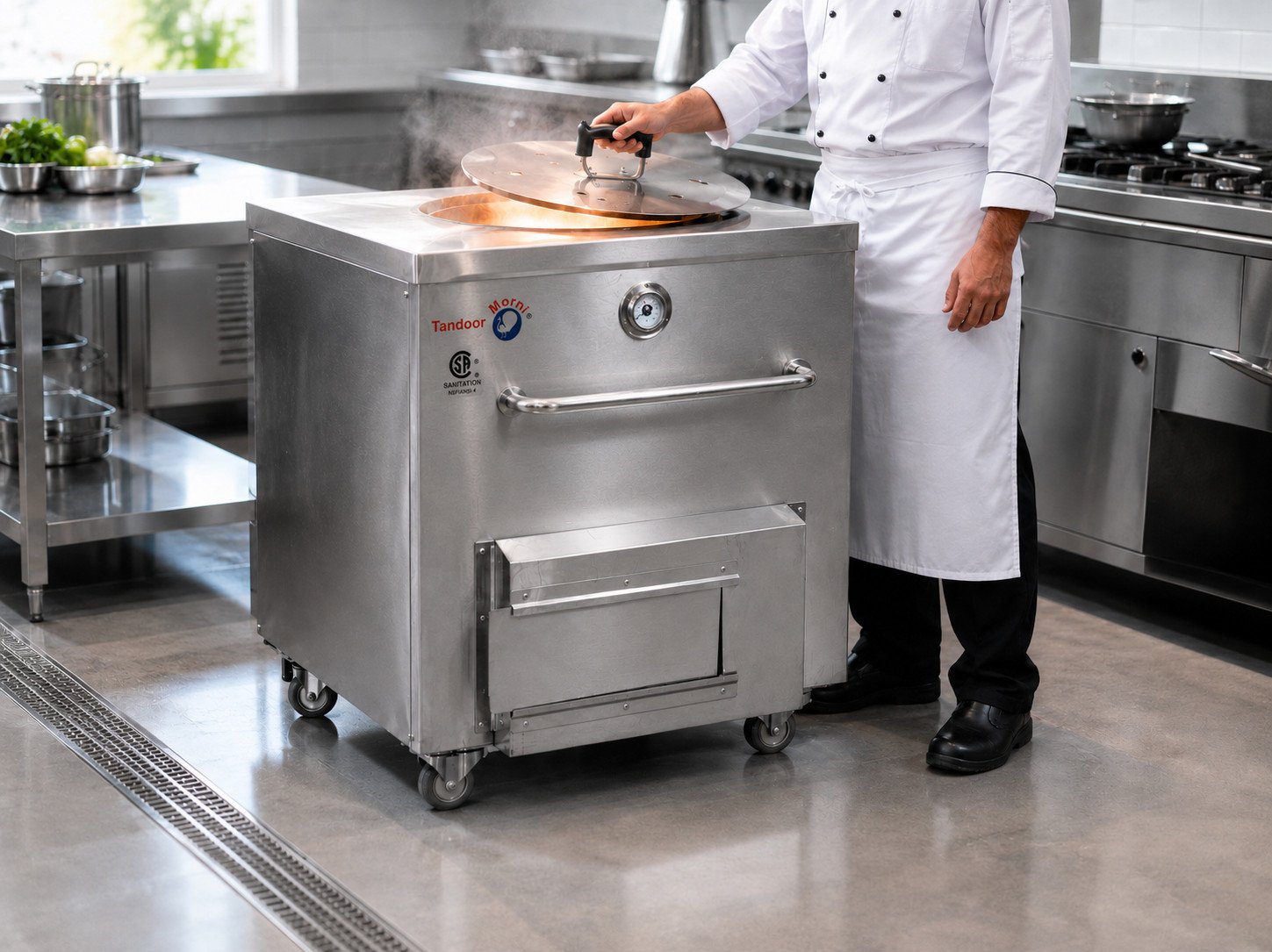
That popularity created demand the old sunken clay pit couldn't always meet. Restaurants needed ovens that were faster to fire, easier to maintain, and safe to run indoors — which is how the modern lineup of commercial tandoor ovens came to exist alongside the traditional clay design, built from steel-clad bodies, gas burners, and thermostatic controls while still keeping the same cylindrical clay-lined core that gives tandoori food its flavor. Today that lineup includes charcoal-fired units for restaurants chasing the most authentic smoke flavor, propane models favored for their easier temperature control, and natural-gas tandoors that connect directly to a kitchen's existing gas line for steady, low-cost daily service.
Choosing a Modern Tandoor Without Losing the Tradition
Anyone researching the history of tandoor oven design eventually asks the practical question: should I buy a traditional clay tandoor, or one of today's restaurant-grade steel units built for volume? The honest answer depends on your kitchen. A clay-lined tandoor still produces the most authentic flavor and is well suited to home patios and boutique restaurants, while steel commercial units are built for consistent daily service, faster recovery time, and easier compliance in a professional kitchen. If you're comparing a tandoor oven for sale, look closely at the clay lining thickness, insulation, burner quality, and footprint — these determine how long the oven holds heat, how evenly it cooks, and whether it fits your existing ventilation setup.
Every Tandoor Morni oven built for commercial use is CSA, ETL, and NSF certified, so restaurants can install our commercial tandoor ovens with confidence. And because a quality tandoor is a real investment, we also offer flexible financing options for anyone weighing the upfront cost against years of daily use rather than paying it all at once.
Whichever style you choose, a clay tandoor rewards a bit of upkeep. The four essentials below keep the clay body sound and the flavor exactly the way generations of tandoor cooks intended.
Curing Before First Use
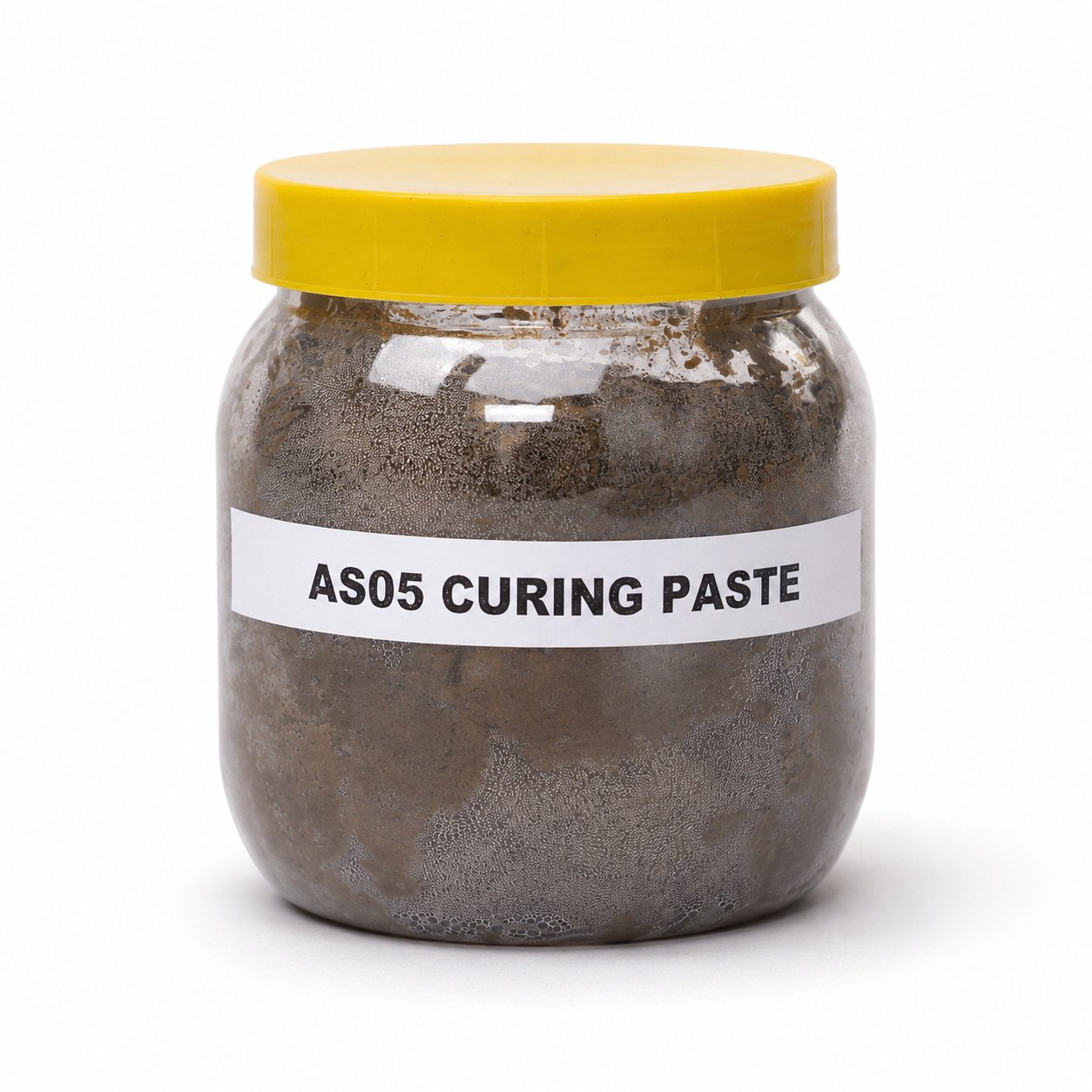
New clay needs to be conditioned slowly so it doesn't crack under sudden heat. The Tandoor Oven Curing Paste AS05 seals hairline gaps in the clay body before your first fire.
Why an Ancient Design Still Wins in Modern Kitchens
It would have been easy for the clay tandoor to disappear the moment electric and convection ovens became affordable. Instead, it did the opposite — it spread further, showing up in cities that had never seen one a century ago. Anyone who follows the history of tandoor oven design will notice the same pattern repeat: flavor that's genuinely hard to replicate any other way. The combination of direct radiant heat, live smoke, and dripping marinade juice hitting hot coals produces a char and depth that a sealed electric box simply can't reproduce. But part of it is cultural, too. A tandoor is almost always a shared, social piece of equipment — bread baked for the table, meat roasted for a gathering — and that sense of communal cooking, going back to the sanjha chulha and the village tonir, still resonates with people looking for more than just another appliance.
For restaurants, there's also a straightforward business case. Guests notice and ask about a visible tandoor in an open kitchen, dishes cook fast enough to keep ticket times reasonable, and a single well-built unit can turn out bread, meat, seafood, and vegetables without needing three separate pieces of equipment.
COMMON QUESTIONS
Tandoor History & Buying: Frequently Asked Questions
How old is the tandoor oven, really?+
Archaeological evidence puts the earliest clay ovens at roughly 3000 BCE in the Indus Valley Civilization, with related tannur-style ovens appearing around the same time in Mesopotamia. That makes the history of tandoor oven design one of the longest-running cooking technologies still in daily use anywhere in the world.
How hot does a traditional clay tandoor get?+
A well-fired clay tandoor typically holds an interior temperature of around 900 Degree Fahrenheit, which is why bread bakes onto the wall in under a minute and skewered meat cooks quickly without drying out.
Is a clay tandoor safe for a commercial kitchen?+
Yes, provided the unit is built and rated for professional use. Tandoor Morni's CSA, ETL, and NSF certified ovens pair a genuine clay-lined interior with a steel-clad exterior so kitchens can meet health and safety codes without giving up authentic flavor.
Do you offer payment plans on a tandoor oven for sale?+
Yes. Restaurants and homeowners can spread out the cost of a tandoor oven for sale through our tandoor oven financing program rather than paying the full amount upfront.
How is a tandoor oven shipped, and is it insured?+
Ovens are crated and shipped freight to protect the clay body in transit. In-transit insurance is available at extra cost for anyone who wants additional coverage on a large or commercial order — just ask our team when you check out.
What's the difference between curing and repairing a clay tandoor?+
Is today's tandoor the same style used in the Indus Valley?+
Not exactly, but the core design has barely changed in thousands of years. Early Harappan ovens were smaller, hand-built pits sunk into courtyard floors, while today's clay tandoors use more refined fiber-reinforced clay bodies and, in commercial models, a steel outer shell. The cylindrical shape, the sunken fire, and the vertical skewer method are all direct carryovers from those original ovens.
What can I cook in a tandoor besides naan and tandoori chicken?+
Quite a lot. Beyond bread and chicken, tandoors handle seekh kebabs, tandoori fish and shrimp, paneer tikka, roasted vegetables, and whole cuts of lamb or beef. The vertical skewer method and radiant clay heat work well for almost anything that benefits from a fast sear and a smoky finish, which is why the Tandoor Skewers & Shish Kebab Skewers AS04 and the Tandoori Naan Rod Pair AS03 tend to be the two most-used tools in any tandoor kitchen.
KEEP THE TRADITION GOING
Accessories Rooted in the Same History
Every accessory below traces back to the same centuries-old cooking method described in the history of tandoor oven design above — they're modern versions of tools that tandoor cooks have relied on since long before restaurants existed.
Tandoor Oven Curing Paste AS05
Conditions new clay before first use
Tandoor Clay Pot Repair Kit AS08
Patches hairline cracks
Tandoor Oven Clay Balls AS07
Traditional heat-retaining insulation
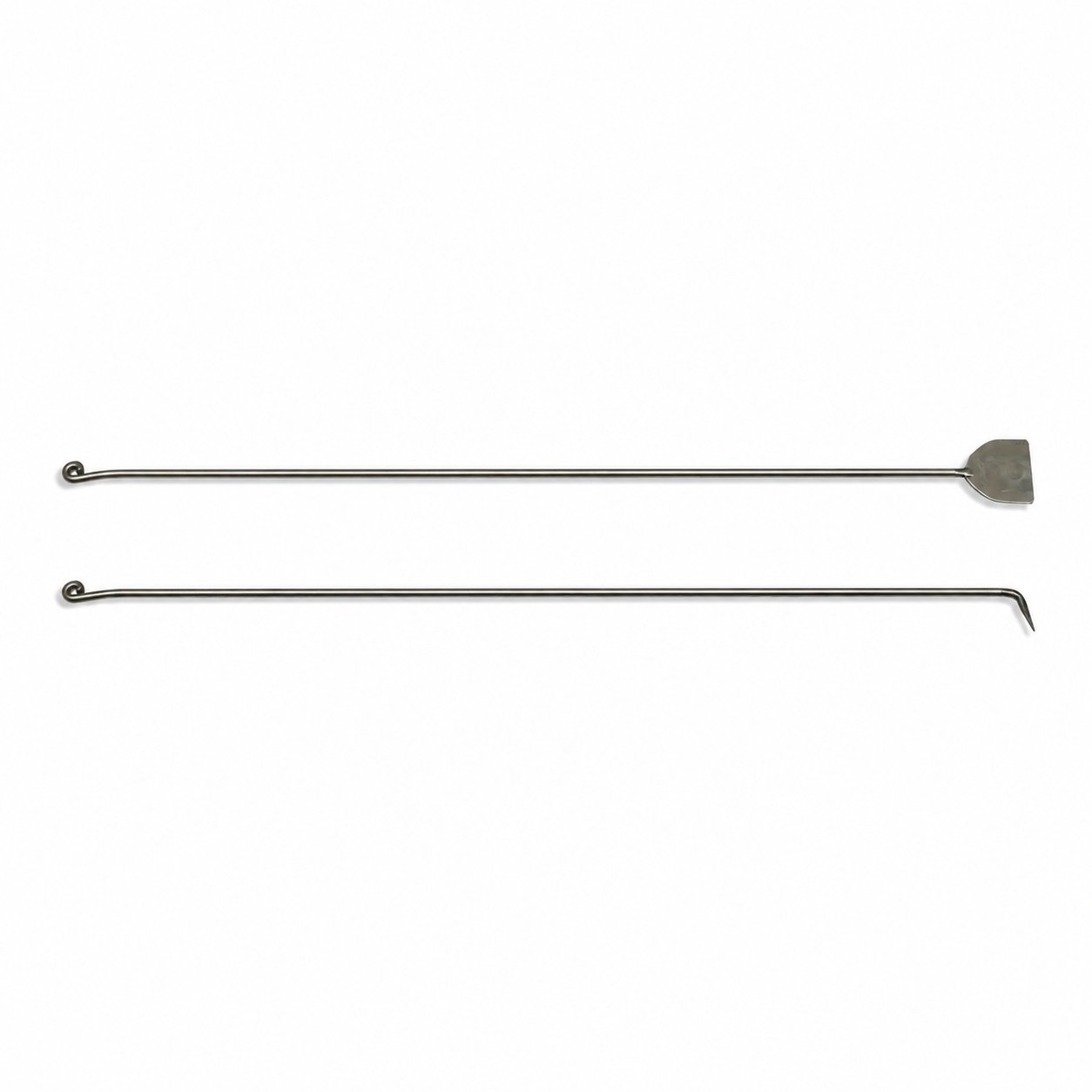
Tandoori Naan Rod Pair AS03
For retrieving bread from the wall
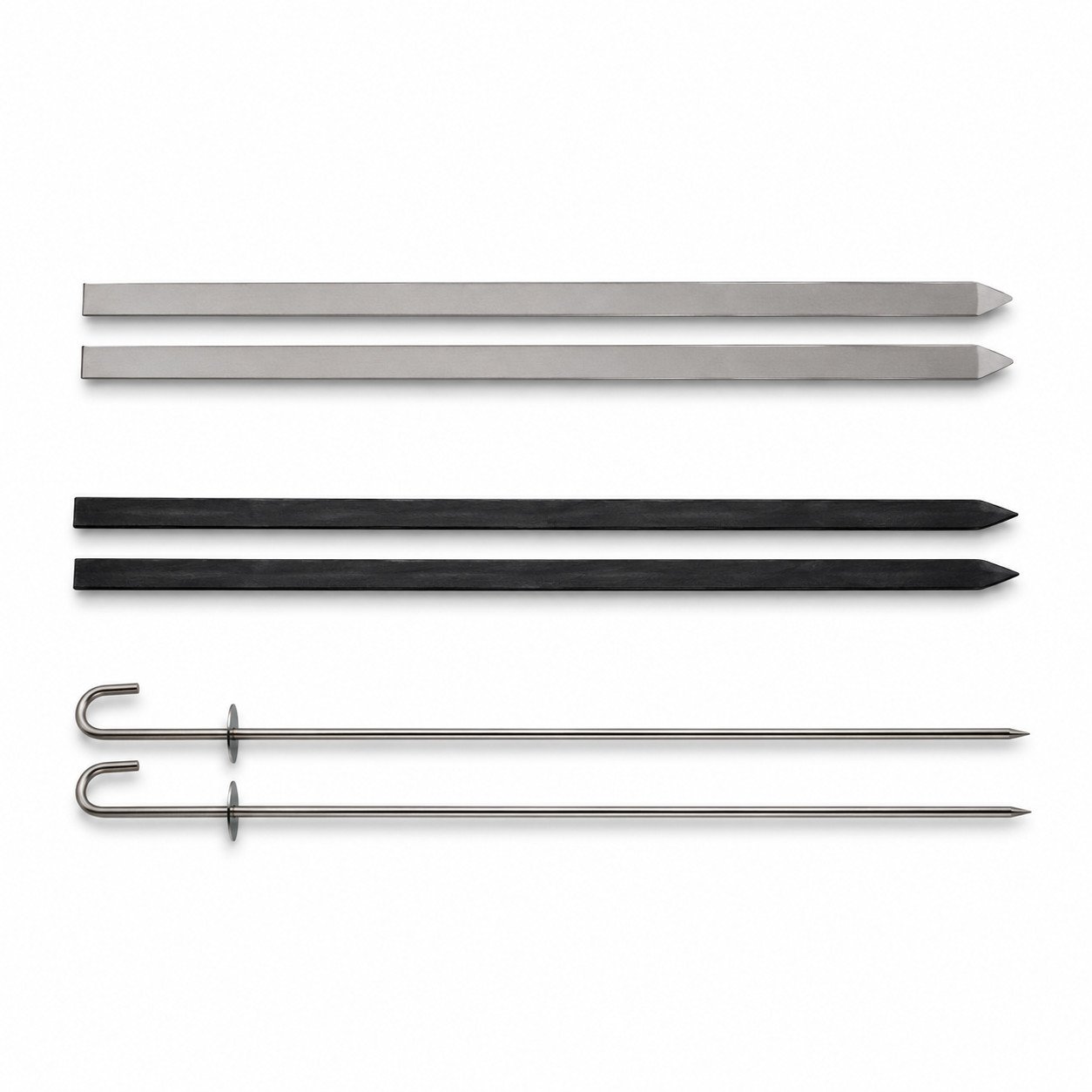
Tandoor Skewers & Shish Kebab Skewers AS04
For vertical meat and vegetable cooking
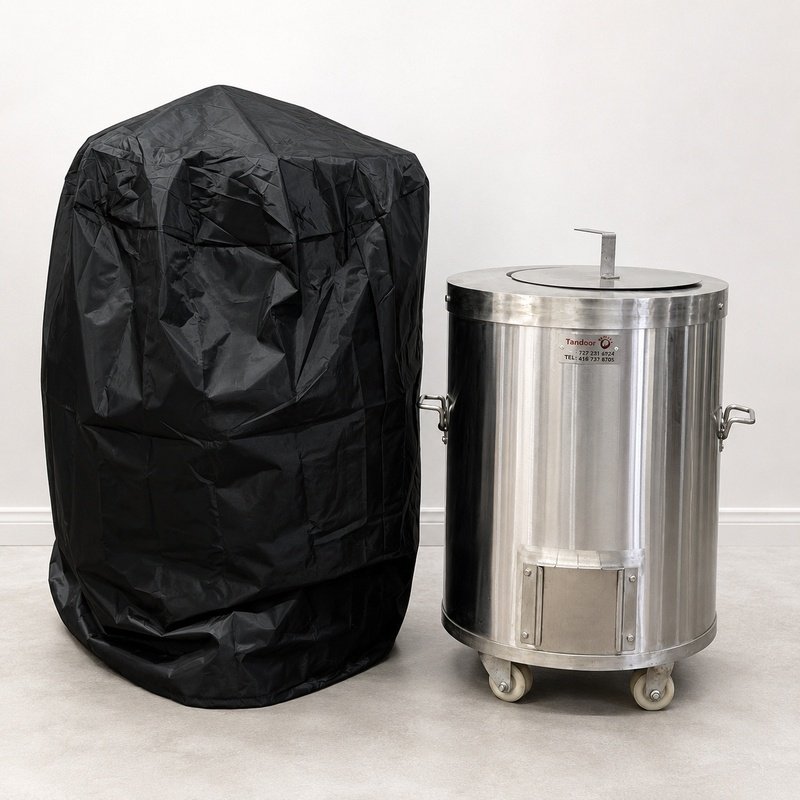
Tandoor Cover – All-Weather Protection AS14
Shields the clay body outdoors
READY TO BRING THE TRADITION HOME
From a 5,000-Year-Old Clay Pit to Your Kitchen
The history of tandoor oven design is really a history of people refusing to let a good idea die — Harappan bakers, Persian traders, Mughal cooks, Partition-era restaurateurs, and now backyard grill enthusiasts and restaurant owners across North America. Tandoor Morni builds ovens that carry that same clay-lined core forward, whether you're after a traditional model or one of our certified commercial tandoor ovens.