Description
Product Overview
Tandoor Oven Curing Paste AS05 — How to Season a Tandoor Oven & Cure New Clay Pots
What Is Tandoor Oven Curing Paste?
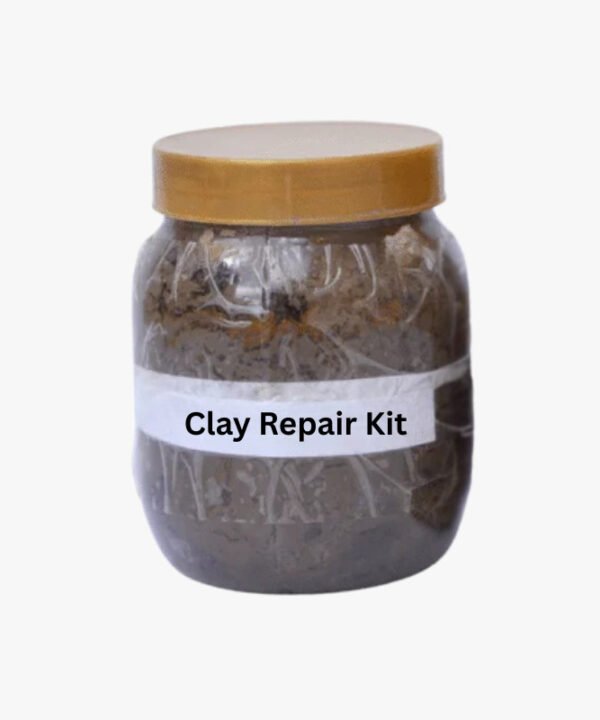
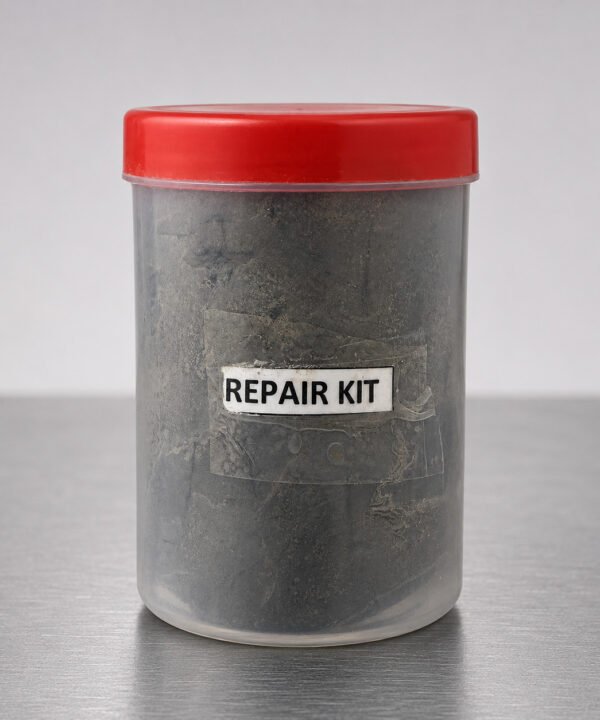
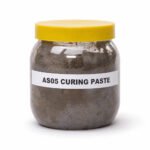
The tandoor oven curing paste AS05 is the most essential tandoor oven accessory and oven accessory for any new clay tandoor oven owner — and a mandatory step before the first cooking session of any new tandoor oven. Knowing how to season a tandoor oven correctly — and why the clay paste is essential — determines whether your clay pot lasts months or years. Tandoor oven curing paste (also called tandoor seasoning, tandoor clay paste, tandoor clay seasoning, new oven preparation paste, clay pot seasoning compound, tandoori oven seasoning, tandoor mitti, lal mitti, clay tandoori oven seasoning compound) is a specially formulated natural clay compound applied to the interior of a brand new clay tandoor pot before its first firing. Its purpose is to condition the virgin clay surface to withstand the extreme thermal cycling — from room temperature to 900 degrees F — that every commercial and home clay tandoor oven undergoes with every cooking session.
Learning how to cure a tandoor oven properly is the single most important step any new clay tandoor owner takes. A new clay tandoor pot that is not properly cured with a tandoor oven curing paste before first use will crack prematurely when exposed to its first cooking-temperature firing. This is thermal shock — the rapid expansion of unconditioned clay under sudden extreme heat. The tandoor oven curing paste AS05 prevents thermal shock cracking by conditioning the clay wall through three progressively hotter sessions, each prepared with a fresh application of curing paste.
The tandoor oven curing paste AS05 is a different product to the clay pot repair clay AS08. Buyers searching for “tandoor clay paste” or “clay tandoori oven seasoning” who arrive on this page are looking for exactly this product — the tandoor oven curing paste AS05 is the industry-standard tandoor clay paste for new clay tandoori oven preparation. The AS08 is used to fix hairline cracks that develop in an already-cured, in-service clay pot. The tandoor oven curing paste AS05 is used exclusively on a brand new clay tandoor pot to prepare it correctly before its first cooking use. Using the clay pot repair clay AS08 in place of the tandoor oven curing paste AS05 for initial curing — or skipping the curing process entirely — are the two most common causes of premature clay pot failure in the first year of ownership.
Food safety & provenance: The tandoor oven curing paste AS05 has been manufactured by Tandoor Morni since 1992 from food-safe natural clay — non-toxic, free from synthetic binders and chemical additives, and fully inert once dried and fired. It is safe for use on the interior cooking surface of any clay tandoor oven. After completing the three curing sessions, no trace of the compound affects the flavour, texture, or safety of food cooked in the oven.
The tandoor oven curing paste AS05 is particularly essential for commercial kitchen and restaurant operators installing a new Tandoor Morni clay oven. Health inspectors regularly check commercial clay tandoor pots for unrepaired structural cracks — a visible unsealed crack may fail a health inspection. Regular restaurant tandoor clay pot maintenance with the tandoor oven curing paste AS05 — including the four-to-six-month re-season tandoor cycle — ensures compliance and uninterrupted service. Knowing how to maintain a tandoor oven correctly is a core requirement for commercial kitchen operators.
Key Features
Why the Tandoor Oven Curing Paste AS05 Is Non-Negotiable for Every New Clay Tandoor
Prevents Thermal Shock Cracking
The leading cause of new clay tandoor pot failure is thermal shock — unconditioned clay cracking under the sudden extreme heat of the first cooking session. The tandoor oven curing paste AS05 conditions the clay wall through three progressively hotter sessions, allowing the clay to expand and contract without catastrophic cracking. No other preparation step prevents this as effectively.
Seals the Clay Surface
New, unfired clay is porous and rough. The tandoor oven curing paste AS05 bonds into the microscopic surface pores of the clay wall, sealing them during the three-session process. The result is a smoother, denser clay surface that releases naan bread cleanly, prevents food absorption into the clay wall, and produces better cooking results from the very first session.
Extends Clay Pot Lifespan Significantly
Regular tandoor oven maintenance with the tandoor oven curing paste AS05 is the most effective way to extend life of tandoor clay. A properly cured clay tandoor pot typically lasts 3 to 5 years in daily commercial use — an uncured or improperly cured pot may crack structurally within the first year. The tandoor oven curing paste AS05 is the single most cost-effective investment in any clay tandoor oven’s service life — protecting a $1,999 to $2,299 commercial oven investment for the cost of a jar of natural clay compound.
Food-Safe Natural Clay Compound
Manufactured from the same natural clay composition as the Tandoor Morni clay tandoor pot itself. No synthetic binders, no chemical additives, no surface coatings. Once dried and fired, the tandoor oven curing paste AS05 is inert and does not affect the flavour, colour, or safety of any food cooked in the oven. The correct food-safe curing paste for any clay cooking vessel.
Included Free With Every Clay Oven
The tandoor oven curing paste AS05 is included in the free accessories kit supplied with every new Tandoor Morni clay tandoor oven — home models (R26, R28, R32), catering models (CS02, CS03), and all commercial clay series (CH02, CH04, CH06, T02, T04, T06). Additional jars are available separately at SKU AS05 for owners who need extra supply for re-seasoning sessions. Keeping a spare jar in stock is the cornerstone of good tandoor clay pot maintenance.
Compatible With All Tandoor Morni Clay Models
The tandoor oven curing paste AS05 is formulated to work with the clay composition of every Tandoor Morni clay tandoor oven — home clay models, catering clay models, commercial clay series, and all Copper Tandoor Oven models (CU02 32×32, CU04 34×34, CU06 36×36, A02 32×32, A04 34×34, A06 36×36). One product for the entire Tandoor Morni clay range.
Specifications
Technical Specifications — Tandoor Oven Curing Paste AS05
| Model | AS05 — Tandoor Oven Curing Paste |
|---|---|
| Product Code | AS05 |
| Quantity | 1 Jar |
| Condition | New |
| Use | Preparing new clay tandoor pots before first use — mandatory three-session curing process for home, commercial kitchen, and restaurant clay tandoor ovens |
| Maintenance | Tandoor oven maintenance and re-seasoning every 4 to 6 months — essential tandoor clay pot maintenance for extending service life |
| Process | Three sessions: Session 1 — wood kindling; Session 2 — quarter charcoal; Session 3 — half charcoal at cooking temperature |
| Material | Natural clay compound — food-safe, food grade curing paste |
| Food Safety | Food safe curing paste — natural, non-toxic, free from synthetic binders, fully inert once dried and fired. Safe for all food contact surfaces. |
| Also Known As | Tandoor seasoning · tandoor clay paste · tandoor clay seasoning · tandoori oven seasoning · new oven preparation paste · clay pot seasoning compound · tandoor mitti · lal mitti · palak tandoor paste (traditional) · tandoor pot primer · tandoor break-in compound · re-season tandoor paste |
| Problem Solved | Thermal shock cracking of new clay tandoor pots; premature clay wall failure in the first year of use |
| Do Not Use Instead Of | Do not use mustard oil, ghee, or cooking fats as a substitute for tandoor oven curing paste AS05 — these are supplementary steps, not replacements for clay-compound curing |
| Compatible Ovens | All Tandoor Morni clay tandoor oven models — home (Mini Clay Tandoor Oven Home R26 20×26, Home Clay Tandoor Oven R28 20×28, Large Outdoor Tandoor Oven R32 20×32), catering (Food Truck Tandoor Oven CS02 24×24, Portable Catering Tandoor CS03), commercial clay series (Restaurant Tandoor Oven CH02 32×32, Natural Gas Tandoor Oven CH04 34×34, Middle Eastern Tandoor Oven CH06 36×36, Indian Tandoor Oven T02 32×32, CSA ETL NSF Tandoor Oven T04 34×34, Punjabi Tandoor Oven T06 36×36) |
| Included In | Free accessories kit with every new Tandoor Morni clay tandoor oven |
| Application | To cool, clean interior clay wall — apply before each curing session, allow 2 hours drying before lighting |
| Drying Time | Minimum 2 hours at room temperature before lighting; allow full cooling between sessions |
| Shipping | Ships to all 48 contiguous US states — rates calculated at checkout |
Official Directions
How to Use Tandoor Oven Curing Paste AS05 — Official Directions for Seasoning Tandoor Ovens
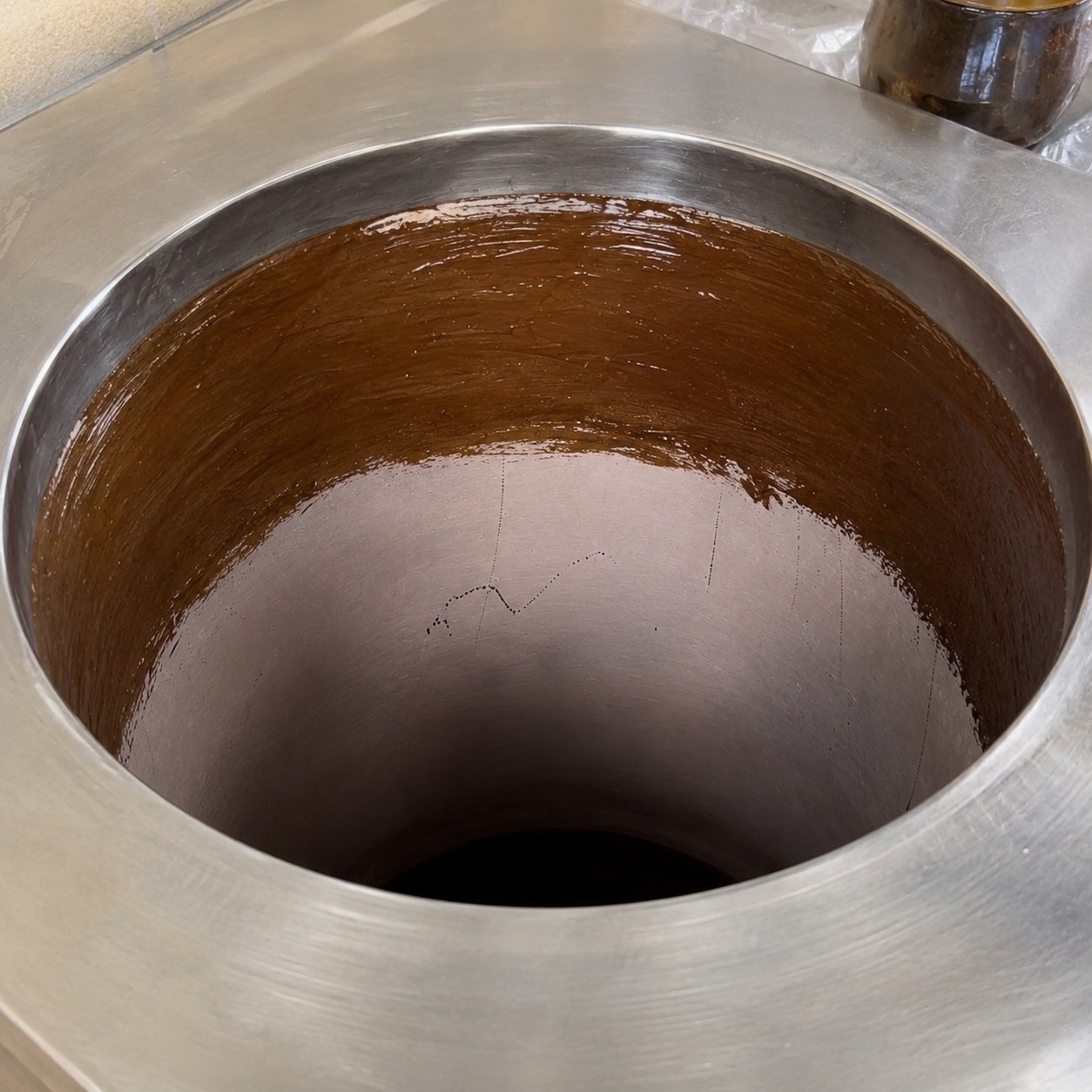
These are the official directions for using tandoor oven curing paste AS05 to season a tandoor oven and cure a tandoor clay pot before its first cooking session. This is the correct method for how to season a new tandoor oven using the AS05 paste. Follow every step in sequence. Do not rush or skip any stage.
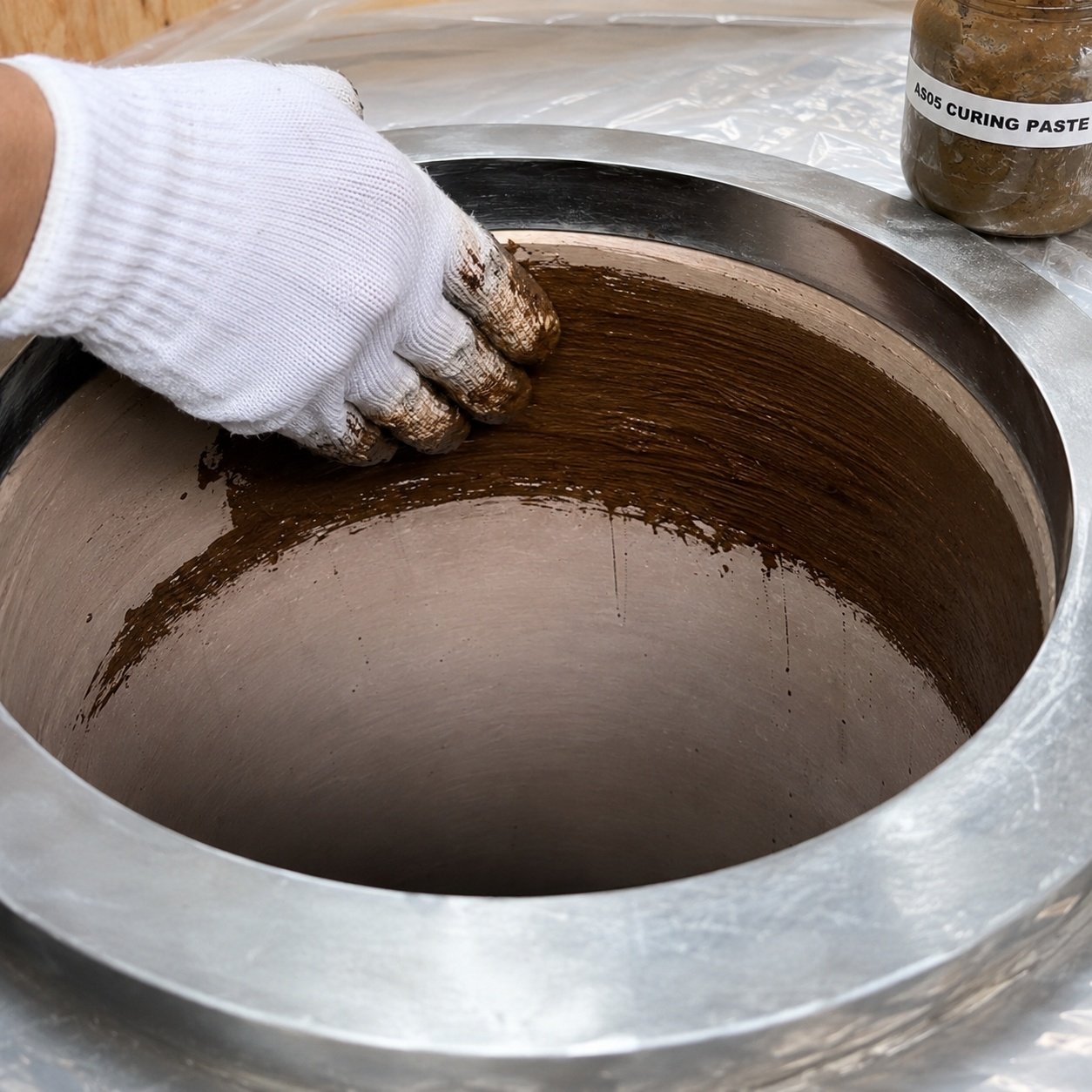
- Pour the tandoor oven curing paste AS05 out of the jar into a clean bowl.
- If the paste is too thick, add a small amount of cooking oil to thin it slightly — the target consistency is just slightly thinner than toothpaste.
- Rub the mixture onto the entire interior clay surface of the tandoor pot using a clean cloth, covering the belly, walls, and upper rim evenly.
- Allow to absorb for 10 minutes. The clay will draw the compound into its surface pores during this time.
- Repeat steps 2, 3, and 4 three more times for a total of four applications in the first coating session. Each application deepens the conditioning of the clay surface.
- Heat the tandoor slowly for a total of 100 hours. You can complete the 100 hours in one continuous session or split it into 5 to 10 shorter sessions — both approaches are correct. Start at 20 percent heat and increase to 35 percent heat after 30 hours of curing. Do not exceed 35 percent heat during the curing process.
- Once cooled, gently wipe off any remaining paste mixture using a metal kitchen scrubber, then finish with a soft cloth to remove all residue.
- Salt-water final preparation (optional but recommended): Take 1 litre of water in a jug, add 10 tablespoons of salt, and stir to dissolve. Soak a clean cloth in this salt water. Apply the wet cloth onto the hot walls of the clay tandoor pot. This salt-water treatment makes it easier to remove naan bread from the clay pot walls using a scraper-skewer during cooking sessions.
Important — Do Not:
- Do not use the top lid of the tandoor oven during the first 40 hours of the curing process.
- Do not use excess heat. Start at 20 percent heat. Increase to 35 percent heat only after 30 hours of curing. The new clay pot will develop cracks with too much heat applied too early.
- Do not rush the curing process by shortening the duration or increasing the heat beyond 35 percent. The walls of the clay oven must become hard like brick before naan bread is slapped onto the clay walls.
- Do not worry about using the tandoor for cooking during curing — the skewers can be used to make tandoori dishes throughout the 100-hour curing process.
Ongoing maintenance & re-seasoning: Re-season the tandoor oven by repeating the full tandoor oven curing paste AS05 process once every 4 to 6 months. This re-season tandoor process maintains the clay surface hardness and extends its service life. Regular re-application of tandoor oven curing paste AS05 enhances the lifespan of the clay pot, keeps the clay surface well-conditioned, and maintains the authentic cooking character of the tandoor over years of service.
Curing vs No Curing
Why You Must Season a Tandoor Oven — Cured vs Uncured Clay Pot Results
The difference between a properly seasoned tandoor and an unseasoned one becomes visible within the first three months of use. New tandoor oven first use without proper tandoor seasoning is the leading cause of premature clay pot failure.
- Smooth, sealed clay interior surface from Session 1
- Hairline surface cracks develop slowly and predictably — normal and manageable with clay pot repair clay AS08
- Naan bread releases cleanly with no clay residue
- Clay pot lifespan 3 to 5 years in daily commercial use — tandoor oven maintenance with AS05 every 4 to 6 months extends life further
- Health inspection compliant from day one of service
- Rough, porous clay surface — food absorption and gritty residue on naan
- Naan sticking to tandoor walls — unseasoned clay has no grip for dough adhesion
- Tandoor clay cracking and flaking — uncured clay expands uncontrollably under extreme heat
- Thermal shock cracking in the first session — deep structural cracks
- Clay fragments may separate and enter food — health inspection risk
- Clay pot may fail entirely within weeks of first use
- Structural damage is irreparable — full clay pot replacement required
- Clay does not cool fully between sessions — moisture and heat stress compound
- The paste cannot dry and bond correctly between sessions
- Produces partial conditioning only — surface appears cured but structural resilience is inadequate
- Clay pot typically cracks within the first year rather than after 3 to 5 years
- Cannot be recovered by tandoor oven maintenance alone — full re-season tandoor process required
After Curing — First Cook
What to Cook in Your Newly Cured Clay Tandoor — Best First Dishes
After completing the three-session AS05 curing process, your clay tandoor pot is fully conditioned and ready for cooking. These are the best first dishes — and why the freshly cured clay wall produces particularly good results in the early sessions.
Customer Reviews
What Our Customers Say
Verified reviews from Google Business — real customers, real experiences.
|
“No cracks after the first firing — the curing paste worked exactly as promised.”
RRupsaNov 6, 2025 — Verified Buyer
|
“Easy to apply and dries fast. My new tandoor handled the first firing without a single crack.”
NNagenderNov 6, 2025 — Verified Buyer
|
“Followed the three-session process exactly as directed — zero hairline cracks so far.”
BBaljit singhNov 6, 2025 — Verified Buyer
|
||
|
“Simple to use and it really does protect the clay wall from day one.”
RRinshu mittalNov 6, 2025 — Verified Buyer
|
“Spreads on smooth and even. My clay pot came through the first firing without a scratch.”
TTabish zahidNov 6, 2025 — Verified Buyer
|
“Cured my new clay pot exactly as instructed — no cracks, no worries going into the season.”
TTouseef ahmedNov 6, 2025 — Verified Buyer
|
||
Complete Curing Guide
How to Season a Tandoor Oven — Complete Guide to Tandoor Oven Maintenance & Clay Pot Care
How to Season a Tandoor Oven for New Tandoor Oven First Use
How to season a tandoor oven correctly is one of the first things any new clay tandoor owner must master. Tandoor seasoning is not optional — it is the process that determines how long the clay pot survives and how well it performs. The tandoor oven curing paste AS05 is the correct product for how to season a new tandoor oven before first use — the official tandoor break-in compound for all Tandoor Morni clay models. Season a tandoor oven for new tandoor oven first use with this paste across 100 hours of gradual heat, and the clay wall becomes dense, heat-retaining, and resilient against cracking.
How to Cure a Tandoor Oven — Step Overview
Knowing how to cure a tandoor oven means understanding the difference between seasoning a tandoor surface and conditioning the clay body. To cure a tandoor correctly, apply the tandoor oven curing paste AS05 four times before the first heating, then build heat gradually. How to cure a tandoor oven at the wrong speed — rushing the process or exceeding 35 percent heat in the first 30 hours — causes the cracking the curing process is designed to prevent. Seasoning a tandoor oven is a process of patience: 100 hours at the right heat produces a clay pot that lasts years.
Tandoor Oven Maintenance — Re-seasoning Every 4 to 6 Months
Tandoor oven maintenance does not end after the first curing. Effective tandoor clay pot maintenance requires a full re-season tandoor process every 4 to 6 months. This re-season tandoor cycle — repeating the 100-hour heat process with tandoor oven curing paste AS05 — extends life of tandoor clay significantly. Restaurant operators who understand how to maintain a tandoor oven as part of their equipment schedule consistently report clay pot lifespans of 4 to 5 years in daily commercial use. Knowing how to maintain a tandoor through seasonal re-seasoning is the single most effective way to extend clay pot life beyond its uncared-for equivalent.
Mustard Oil Tandoor, Palak Tandoor Paste & Other Traditional Alternatives
Many traditional tandoor preparation methods involve mustard oil tandoor application, palak tandoor paste, jaggery tandoor mixtures, lal mitti clay compounds, or a homemade tandoor paste recipe made from spinach, oil, and spices. The mustard oil tandoor tradition, palak tandoor seasoning, and other traditional oil methods are cultural practices passed down through generations — the spinach jaggery tandoor paste and jaggery tandoor mixture methods have real heritage value. However, none of these replaces a professionally formulated clay-compound curing process. The tandoor paste recipe from the tandoor seasoning oil tradition is a surface treatment; the AS05 is a structural clay treatment. Both can coexist: complete the AS05 curing process first, then apply mustard oil or any traditional tandoor seasoning oil preparation as an additional surface step if your practice calls for it.
Tandoor Mitti, Lal Mitti & Clay Tandoori Oven Preparation Terminology
South Asian buyers searching for tandoor mitti (clay), tandoor mitti paste, lal mitti (red clay), clay tandoori oven seasoning compound, or tandoori oven seasoning paste are looking for exactly this product — the tandoor oven curing paste AS05. The tandoor mitti and tandoor mitti seasoning clay used in the AS05 is the same natural clay composition as the clay tandoori oven itself. Tandoor mitti for seasoning and lal mitti for curing are the traditional terms for what the AS05 provides in a professionally standardised, commercially consistent form. The “tandoori” and “tandoor” spelling variants describe the same product and the same process.
Common Problems — Naan Sticking, Naan Falling Off, Clay Flaking, and Cracking
The most common problems caused by skipping or rushing the curing process are naan sticking to tandoor walls during cooking, naan falling off tandoor walls before baking completes, tandoor clay flaking from the interior surface, and cracking of the clay pot. Naan sticking to tandoor clay in the wrong way indicates an unseasoned or partially seasoned surface. Naan falling off tandoor walls before baking completes indicates the surface is too smooth and unconditioned. Tandoor clay flaking is a sign of either an uncured pot or a pot that has not been through its re-seasoning cycle. The answer to “why is my tandoor cracking?” — particularly early cracking in a new pot — is almost always an incomplete or rushed curing process. Every one of these symptoms can be prevented by completing the full AS05 curing process correctly.
How to Prevent Tandoor Cracks & How Long to Season a New Tandoor
How to prevent tandoor cracks: the answer is the AS05 curing process done correctly at the right heat and over the full 100 hours. How long to season a new tandoor oven? 100 hours of total heat time, spread over at least 3 sessions, at 20 to 35 percent heat maximum. How to prevent tandoor cracks long-term: re-season with AS05 every 4 to 6 months as part of regular tandoor oven maintenance. The tandoor break-in with AS05, done correctly, constitutes the complete new-oven process — and a consistent tandoor clay pot maintenance schedule thereafter eliminates the most common causes of clay pot cracking across the full service lifespan of the oven.
FAQ
Frequently Asked Questions — Tandoor Oven Curing Paste AS05
Is curing a new clay tandoor oven mandatory?
How many jars of tandoor oven curing paste AS05 do I need for the curing process?
What happens if I skip the tandoor curing process?
Is the tandoor oven curing paste AS05 food-safe?
How is the tandoor oven curing paste AS05 different from the clay pot repair clay AS08?
How long does the curing process take?
Can I use mustard oil or ghee instead of tandoor oven curing paste AS05?
Do hairline cracks during curing mean something went wrong?
Where can I buy tandoor oven curing paste AS05 near me?
Is the tandoor oven curing paste AS05 included when I buy a new tandoor oven?
Can I use a palak tandoor paste or spinach-jaggery tandoor paste instead of AS05?
Why is my tandoor cracking — and how do I prevent it?
Why is naan sticking to or falling off my tandoor wall?
Do you have to season a tandoor oven before using it?
What temperature should I use when seasoning a tandoor oven with AS05?
Can I re-cure a tandoor oven that was not properly cured the first time?
How often should a commercial kitchen or restaurant re-season a clay tandoor oven?
How do I know when the tandoor oven curing paste AS05 process is complete?
Order & Enquiries
Order the Tandoor Oven Curing Paste AS05
Order a spare or replacement tandoor oven curing paste AS05 jar before your current supply runs low — the 4-to-6-month re-seasoning cycle means most restaurant and commercial kitchen operators reorder at least annually.
Contact our tandoor specialists to order, ask about compatibility with your model, or visit one of our 8 US showrooms — Edison NJ, Manteca CA, Houston TX, Chicago IL, Tampa FL, Washington DC, Algona WA, Boulder CO.
Other Accessories
All 17 Tandoor Morni Accessories
All 17 Tandoor Morni accessories are compatible with the All the Tandoor Morni Tandoor Ovens. Browse all accessories below or call +1 (727) 251-6924 for spare parts, replacement components, and additional skewer sets.
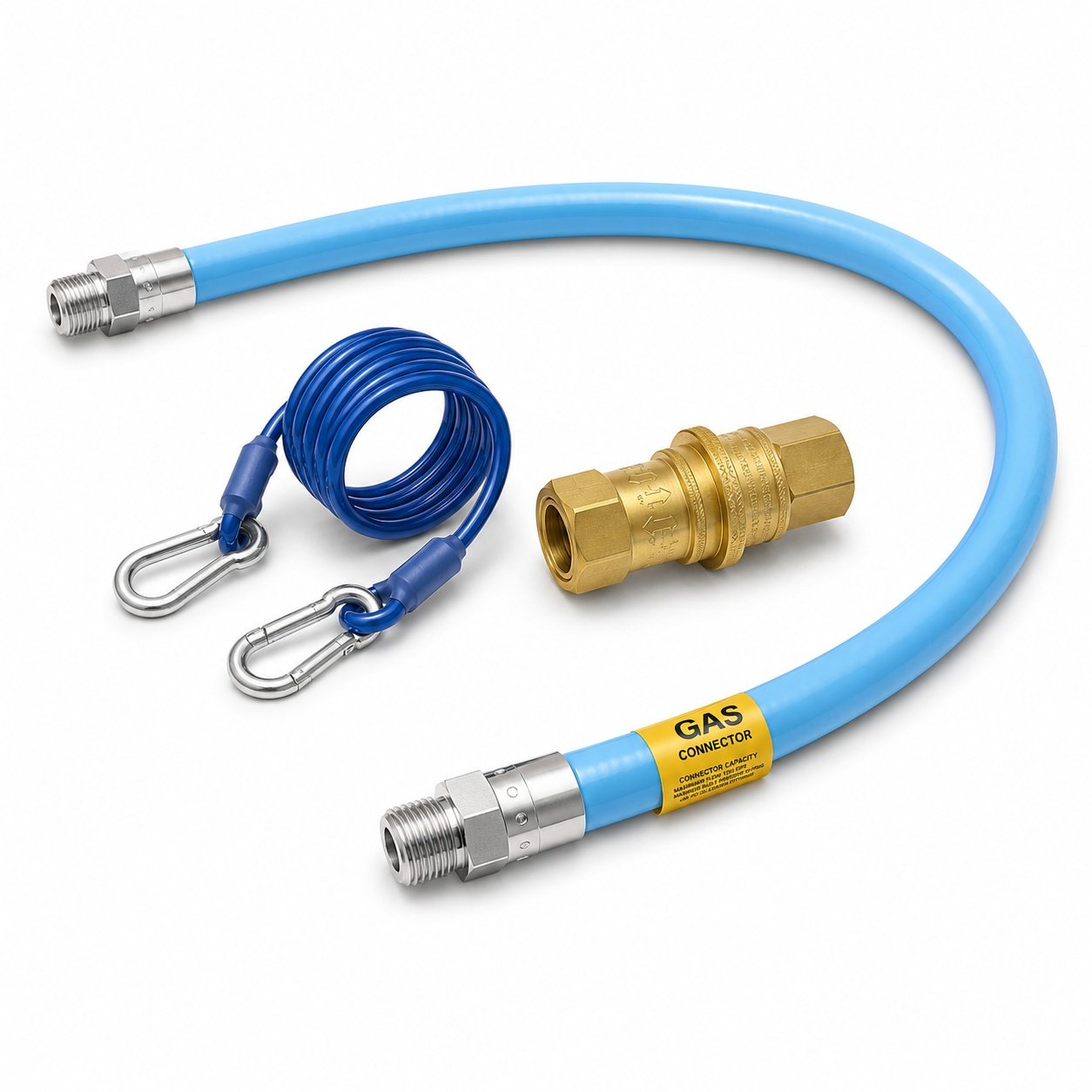
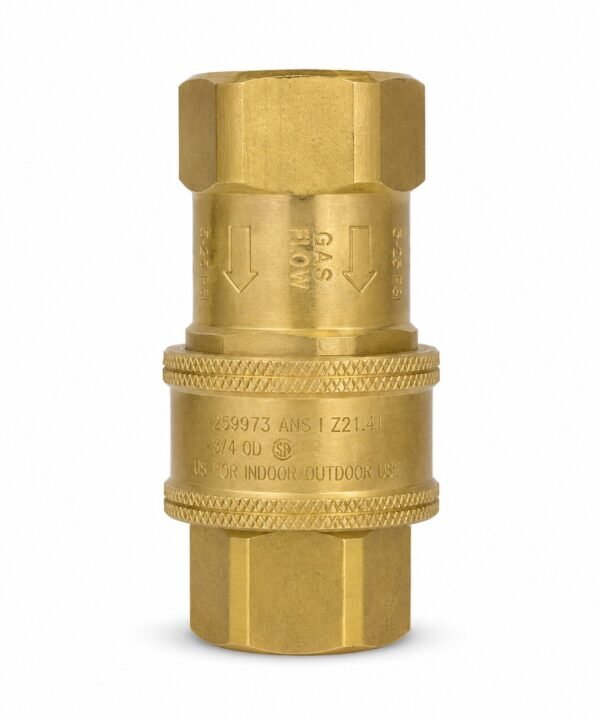
Tandoor Flexible Gas Hose & Commercial Gas Connector Kit AS01
CSA-certified flexible gas hose kit for propane and natural gas connections.
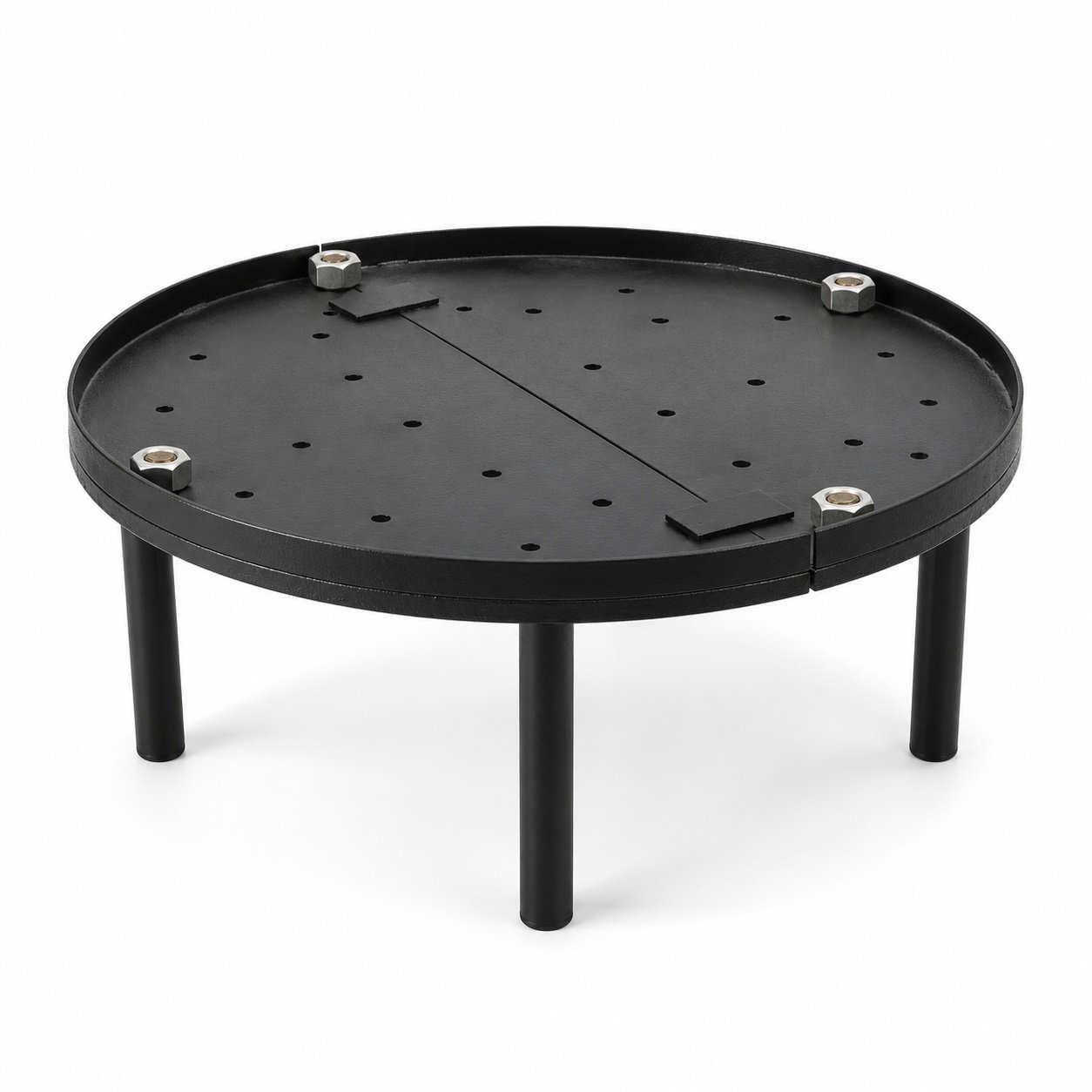
Tandoor Baffle Plate AS02
Stainless steel baffle plate for improved heat distribution in the clay pot.
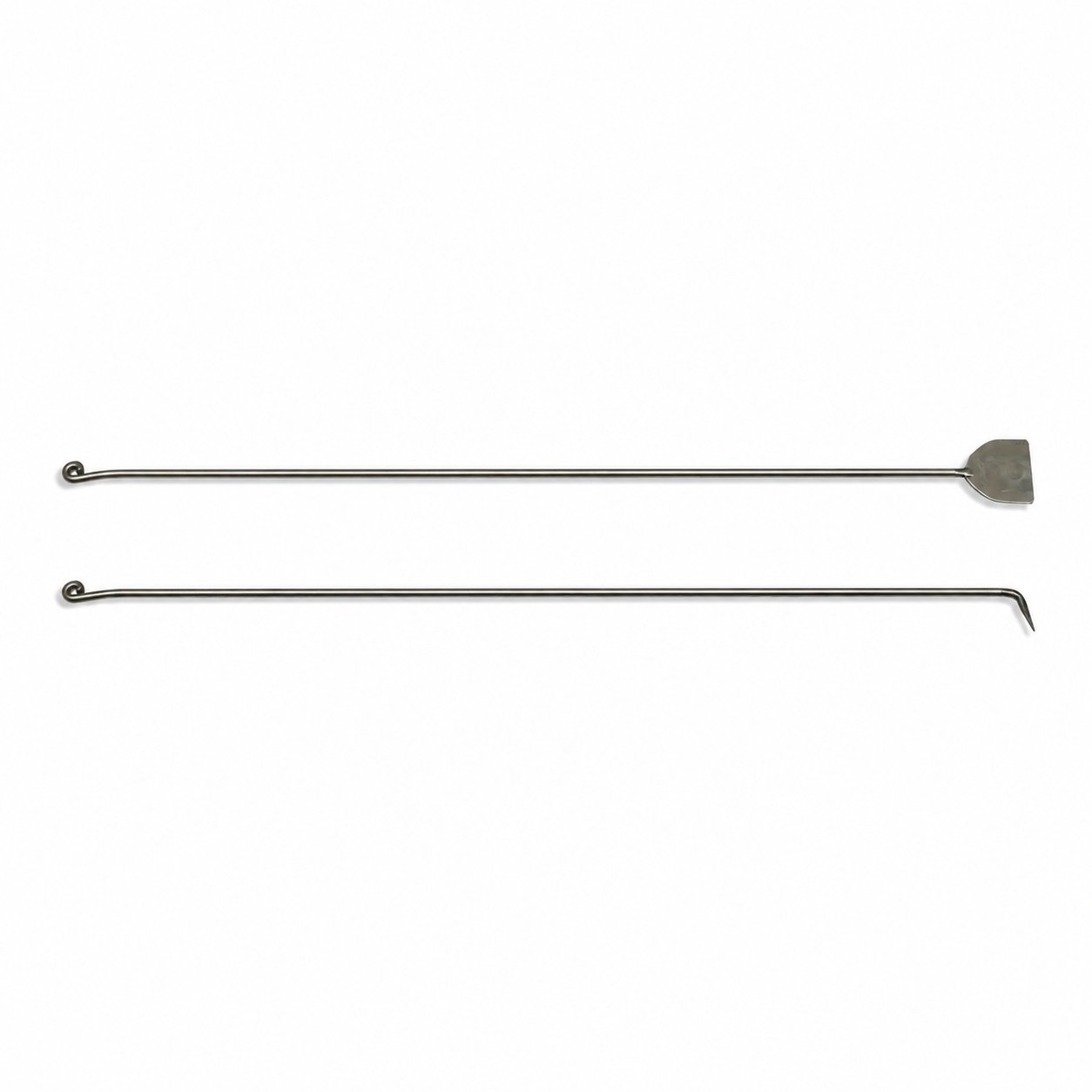
Tandoori Naan Rod Pair AS03
Ergonomic naan rods for safe bread placement and removal from the clay interior.
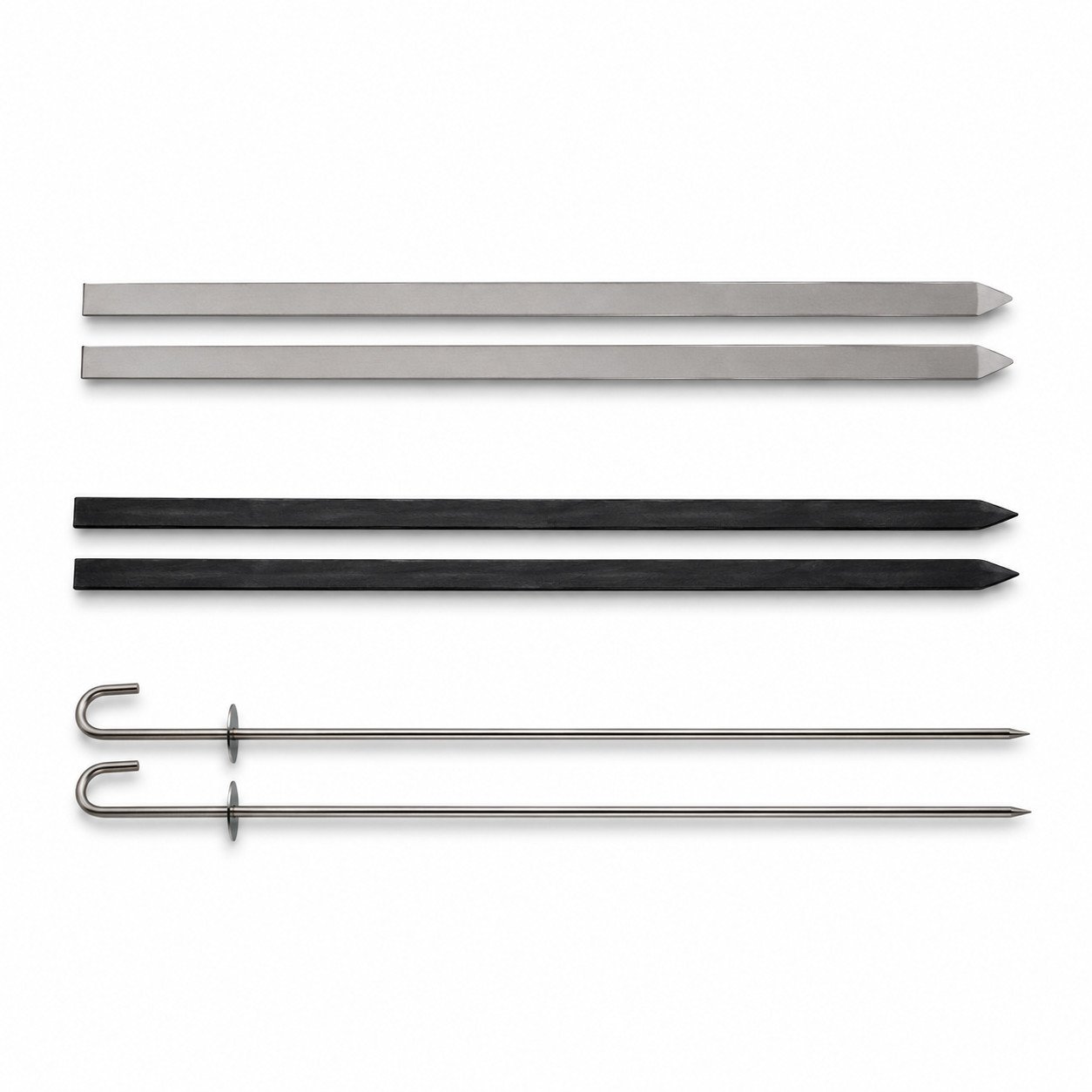
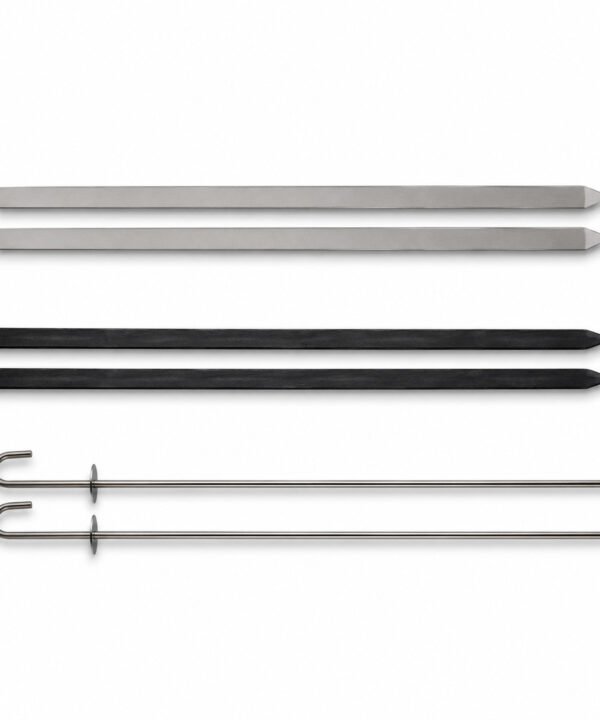
Tandoor Skewers & Shish Kebab Skewers — Flat Metal Grilling Rods AS04
Flat, round, and hook-style skewers for seekh kebab, tikka, and whole meats.
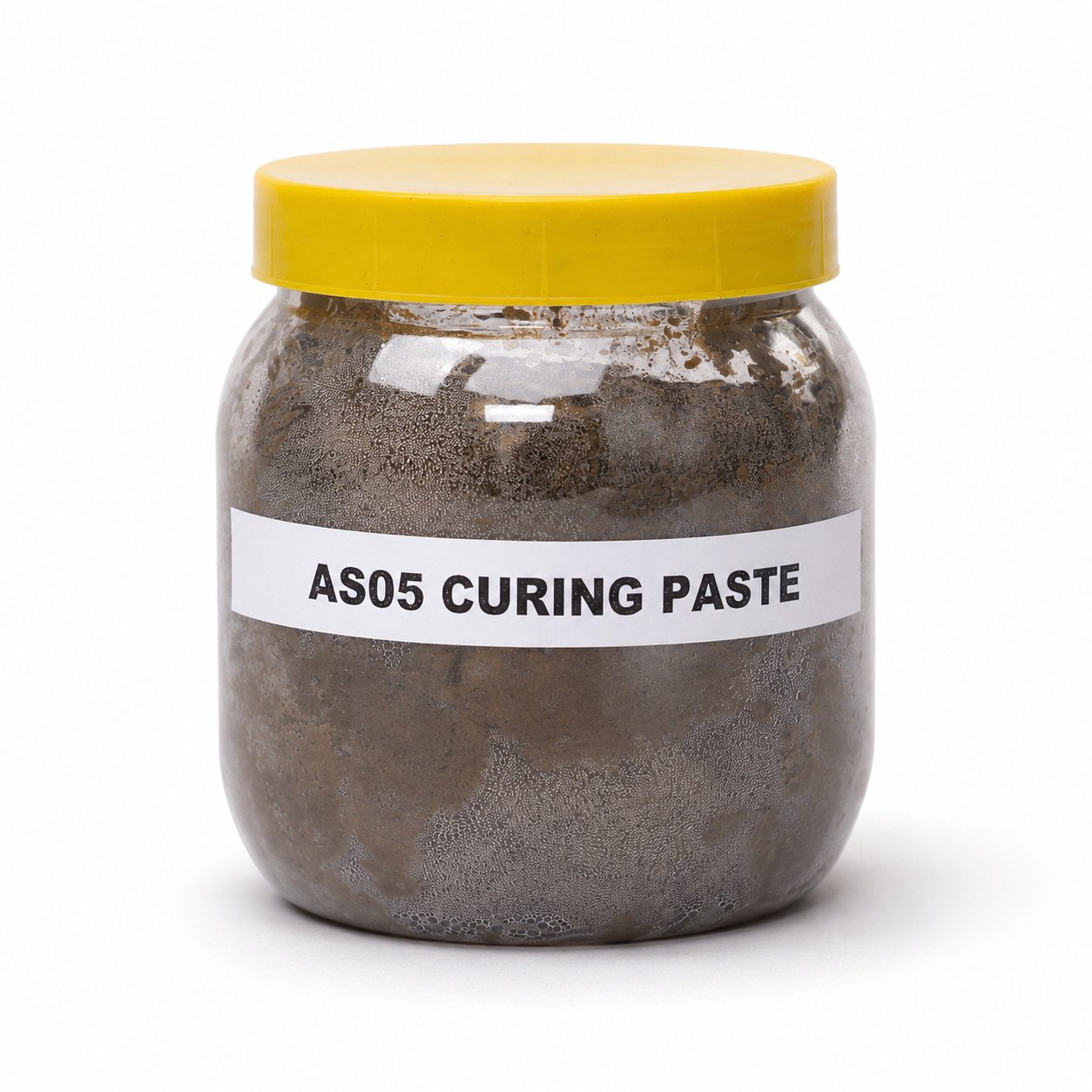
Tandoor Oven Curing Paste AS05
Season the clay interior correctly before first use for a long-lasting, crack-free pot.

Tandoor Oven Burner AS06
Replacement gas burner compatible with the Round Catering Clay Tandoor Oven CS01.

Tandoor Oven Clay Balls AS07
Clay balls for heat retention and even distribution inside the tandoor belly.
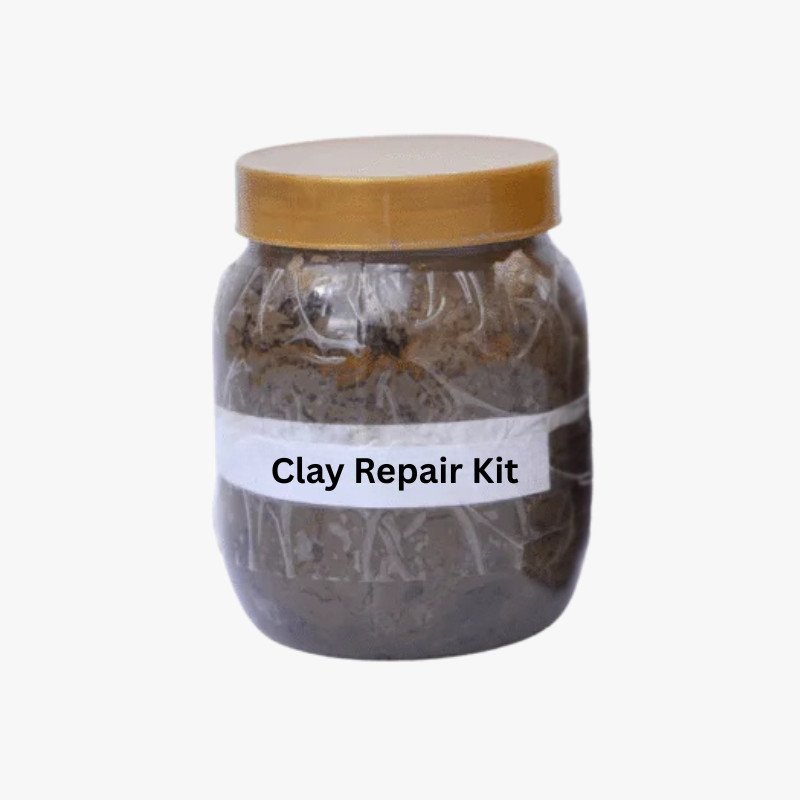
Tandoor Clay Pot Repair Kit AS08
Clay pot repair and maintenance kit for long-term clay interior care.

Tandoor Oven Naan Gaddi AS09
Traditional naan gaddi cushions for pressing bread onto the clay wall (pair).
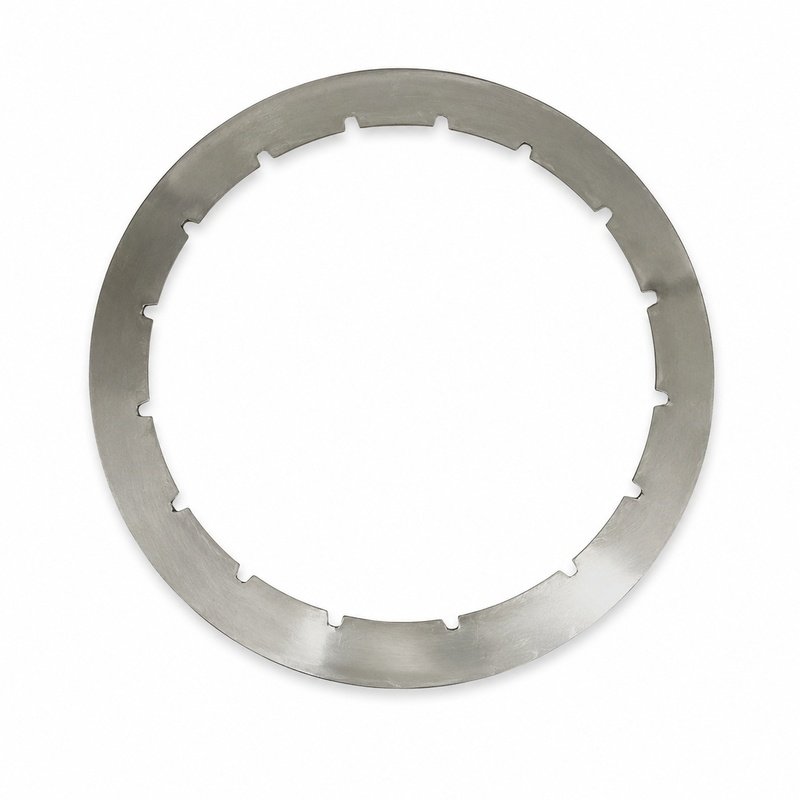
Tandoor Skewers Ring AS10
Skewer ring for safe, convenient resting of hot skewers during service.
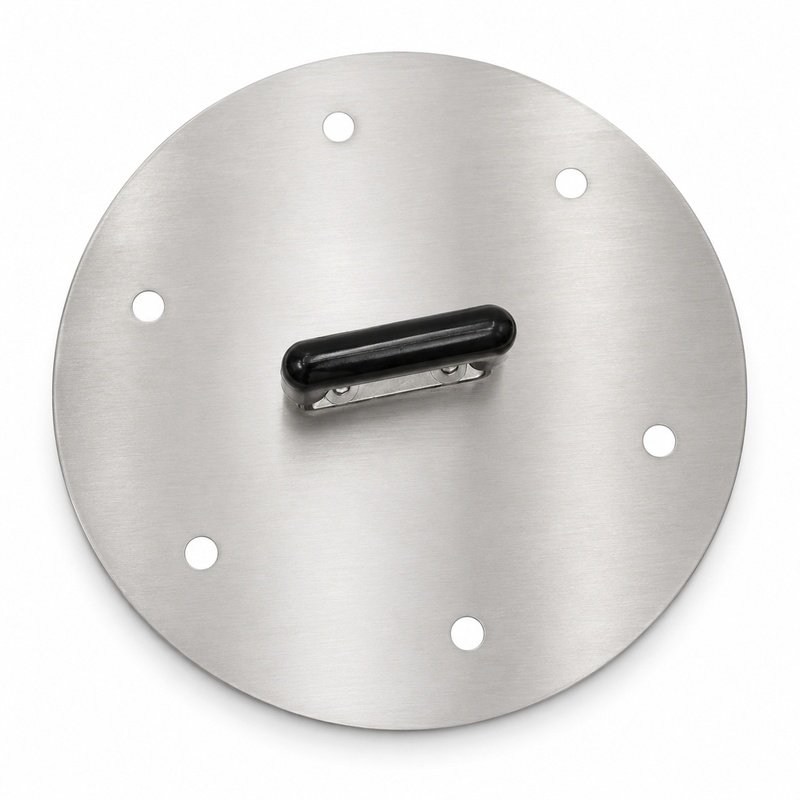
Stainless Steel Tandoor Oven Lid AS11
Mirror-finish stainless steel lid for heat retention between batches and oven storage.
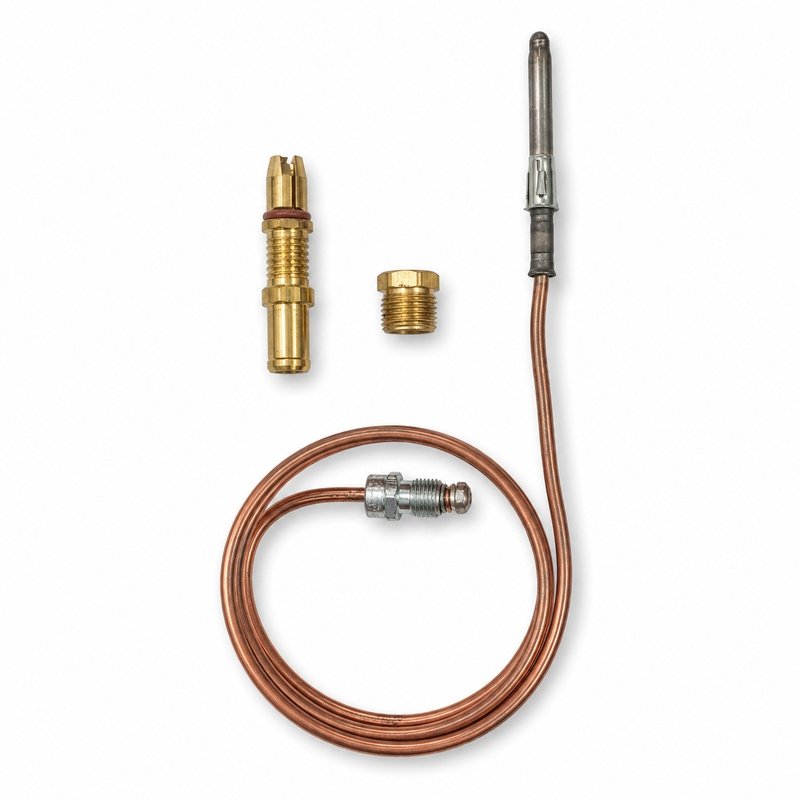
Tandoor Oven Thermocouple AS12
Replacement thermocouple for the gas safety system on all Tandoor Morni gas models.
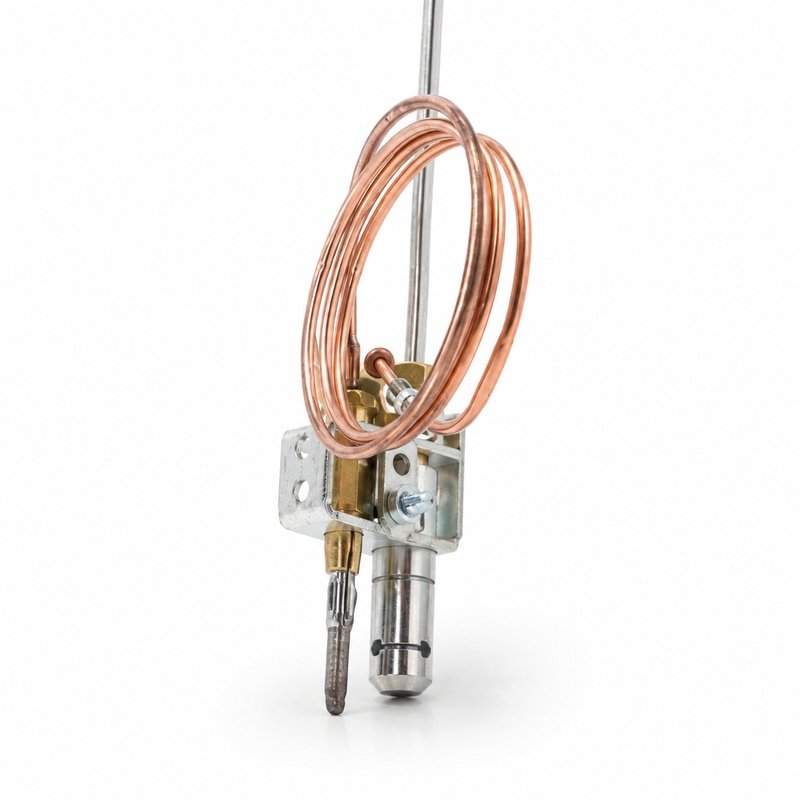
Gas Tandoor Pilot Assembly AS13
Replacement pilot assembly for all Tandoor Morni gas tandoor oven models.
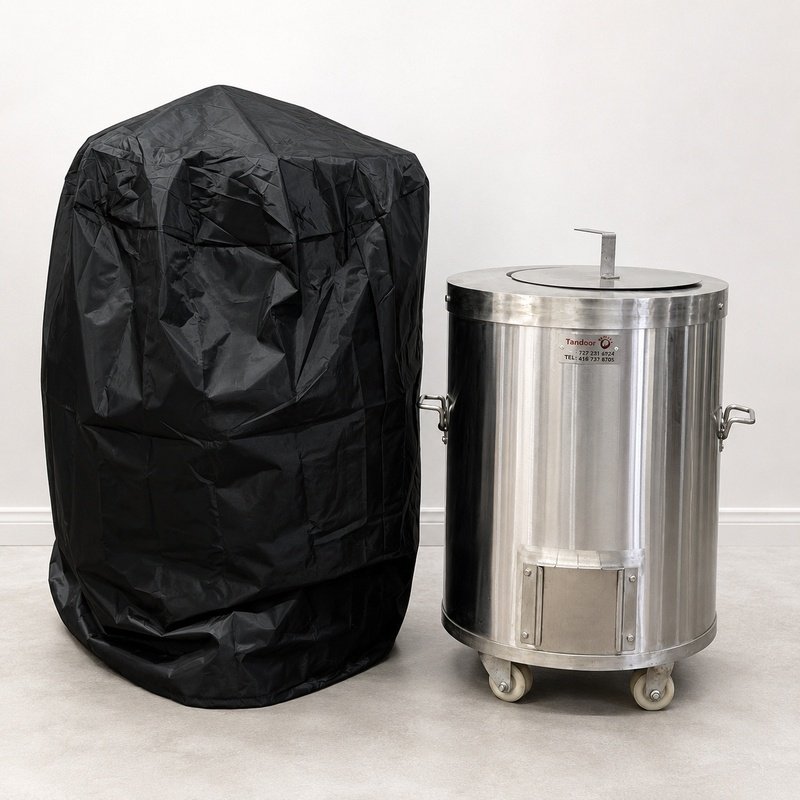
Tandoor Cover — All-Weather Protection AS14
All-weather protective cover — essential for outdoor catering events and storage.

Tandoor Heat Resistant Gloves AS15
Double-layer heat resistant gloves for safe handling at 900 Degree Fahrenheit operating temperatures.

Digital Thermometer Gun AS16
Infrared thermometer gun for instant clay surface temperature readings during catering service.

Tandoor Oven Meat Hanging Hook AS17
Stainless steel S-hook for hanging whole chicken, leg of lamb, and large cuts inside the clay pot.
See Every Tandoor Morni Model In Person
Walk into any of our 9 North American showroom and warehouse locations to inspect the Commercial Gas Connector Kit AS01, confirm compatibility with your gas tandoor oven, and place your order on-site.