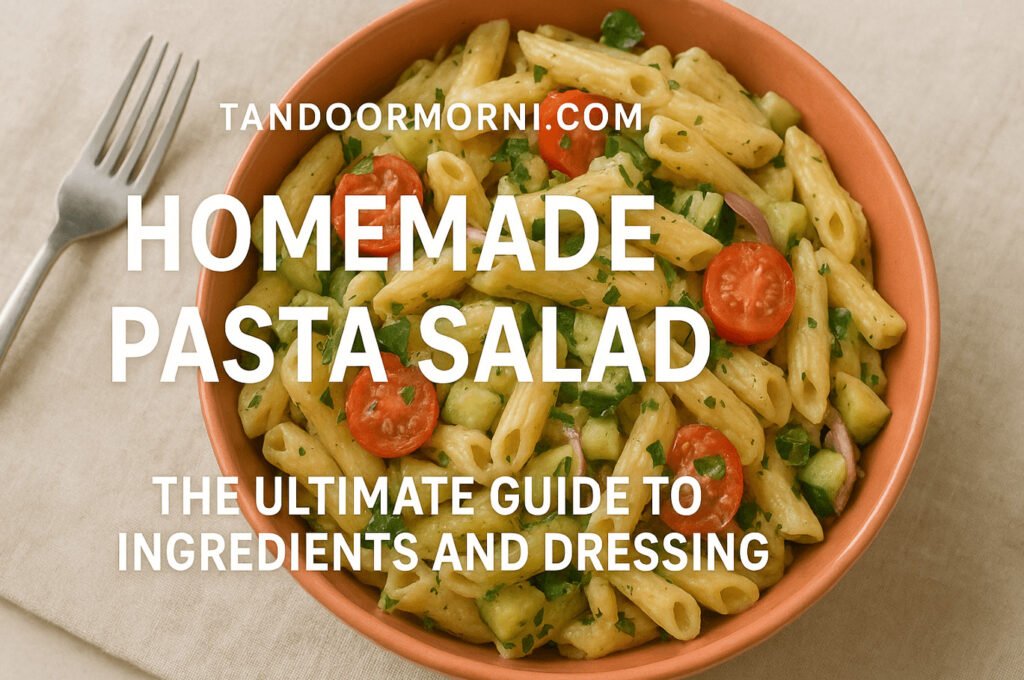
Homemade pasta salad, the ultimate guide to ingredients and dressing
Few dishes are as refreshing, crowd-pleasing, and colorful as a pasta salad. The best part is that you can customize them endlessly with fresh pasta salad ingredients, creative designs, and vibrant seasonal vegetables.
In this article, we will be diving into everything that you need to know for creating. Your own homemade pasta salad recipes, from choosing the perfect pasta type to creating a flavorful dressing that ties it all together. So, let’s make your next pasta salad recipe that you will remember.
Why is pasta salad a summer staple?
The well-made summer pasta salad is quick to prepare, can be kept in the fridge, and tastes even better the next day. Pasta salads are also incredibly versatile. You can just go Mediterranean with olives and feta, Indian inspired twist with the spiced yogurt dressing, or also Italian with mozzarella and basil. With the right mix of textures and flavors, every bowl of pasta salad turns out to be a new creation.
Choice of the right pasta for your salad
The foundation of any good pasta salad recipe starts with the pasta itself. You’ll be wanting something that holds the shape and texture even after chilling. Short pasta shapes work best because they trap the dressing and hold up well when mixed with other ingredients. The best pasta types for the salads are rotini as the spiral shape that captures bits of dressing and veggies, penne or rigatoni is great for the hearty pasta salads with the larger chunks of vegetables or meat, fusilli are similar to rotini, but slightly tighter spirals for a denser texture, farfalle (bow-tie pasta), adds a touch of fun and elegance to your dish.
The tip to be followed is to cook the pasta al dente to the bite to prevent it from turning mushy when mixed with dressing later.
The must-have pasta salad ingredients
A perfect pasta salad combines the freshness, crunch, and flavor in every bite. There are endless rooms for creativity, but the key pastas have ingredients that you can mix and match for the best results.
- Fresh vegetables – always make sure to make it colorful and crisp with some great options like cherry tomatoes, bell peppers, cucumbers, red onions, sweet corn, broccoli, broccoli florets, and carrots. The veggies add brightness and texture while making the pasta salad visually appealing and full of nutrition.
- Proteins – add protein to make the salad more fulfilling and balanced. Try tuna or salmon, grilled chicken or shrimp, chickpeas or black beans, hard-boiled eggs or cubed paneer or tofu for the vegetarian twist.
- Cheese – cheese adds the creaminess and depth, and some delicious options that you can try out include mozzarella pearls for the Italian-style pasta salads, feta cheese for a tangy Mediterranean note, and parmesan shavings for the umami-rich finish.
- Herbs and extras – fresh herbs can transform the salad. You can try cilantro, basil, or parsley, all of which will work beautifully. For the crunchy touch, toss in toasted nuts, sunflower seeds, or croutons.
Preparing the perfect pasta salad dressing
A dressing is the soul of any pasta salad recipe that ties all the ingredients together, balancing freshness and richness. Go creamy, tangy, or hearty depending on the taste. The dressing ideas you can use are:
- Classic Italian dressing – it is perfect for this zesty summer pasta salad. The dressing combines olive oil, mustard, garlic, vinegar, and Italian herbs. It’s light, refreshing, and also enhances the natural flavors of the vegetables. The ingredients include half a cup of olive oil, 1 tsp of Dijon mustard, 3 tbsp of red wine, vinegar, one clove of garlic that is minced, 1 tsp of Italian seasonings, salt, and pepper for taste. Place them together and toss them with pasta oil. Also, it’s still slightly warm to absorb the flavors.
- Creamy ranch dressing – when you prefer the rich texture, try the creamy version that pairs well with the grilled chicken or bacon bits. The ingredients required are half a cup of mayonnaise, 2 tbsp lemon juice, 1/4 cup cream or Greek yogurt, one tsp garlic powder, salt and pepper, and 1 tsp dried dill or parsley. Mix them thoroughly and chill before using.
- Lemon herb dressing – a refreshing choice for the warm weather, the light dressing brings brightness and balance to any pasta salad recipe. The ingredients required are juice of 1 lemon, 1 tbsp honey or maple syrup, ⅓ cup olive oil, one teaspoon chopped fresh thyme or basil, a pinch of salt, and pepper. Drizzle them generously before serving for a clean earth, citrusy flavor.
Tips for making the best pasta salad
For making your pasta salad taste great every time, follow the tried-and-true tips:
- Rinse your pasta after cooking. It stops the cooking process and removes the excess starch, while keeping the salad tight.
- Toss with a bit of olive oil before chilling – it prevents the sticking and adds a subtle flavor.
- Use the seasonal produce – fresh summer veggies like tomatoes, peppers, and cucumbers make the best summer pasta salads.
- Add dressing gradually – pasta absorbs liquid as it sits, so reserve a small portion for refreshing before serving.
- Chill before serving – make sure to let your salad rest for at least 30 minutes, allowing flavors to meld.
Creative variations of the pasta salad recipes
There’s no single right way to make pasta salad recipes, and that’s what makes them so fun. A few themed versions you can try are as follows:
- Mediterranean pasta salad – it combines the olives, cherry tomatoes, feta, cucumber, and oregano with the lemon olive oil.
- BBQ chicken pasta salad – use shredded grilled chicken, black beans, and corn with a smoky barbecue dressing.
- Indian fusion pasta salad – mix the paneer, yogurt, cilantro dressing, and the roasted peppers for the spicy twist.
- Caprese pasta salad – toss mozzarella, basil, cherry tomatoes with the balsamic glaze for the Italian favorite.
Every version always celebrates the versatility of the pasta salads, letting you adapt them to your taste, diet, or season.
Why does pasta salad belong on every table?
Whether you’re cooking for the family lunch, outdoor party, or catering event, or looking for the big day meal, the pasta salad always delivers the best. It’s easy to make a budget-friendly and endlessly customizable salad option as well. You can just pair it with the grilled meat, serve it alongside the favorite Tandoor Morni dishes, or also enjoy it as a refreshing standalone meal during the hot summer afternoons. A perfectly balanced pasta salad recipe combines the comfort of pasta with the freshness of the seasonal ingredients that will fit every occasion.
Final thoughts
Homemade pasta salads are proof that simple ingredients can come together to create something vibrant and satisfying. Never forget to complement your meal with the colorful bowl of summer pasta salad, the perfect balance of texture, taste, and freshness.