
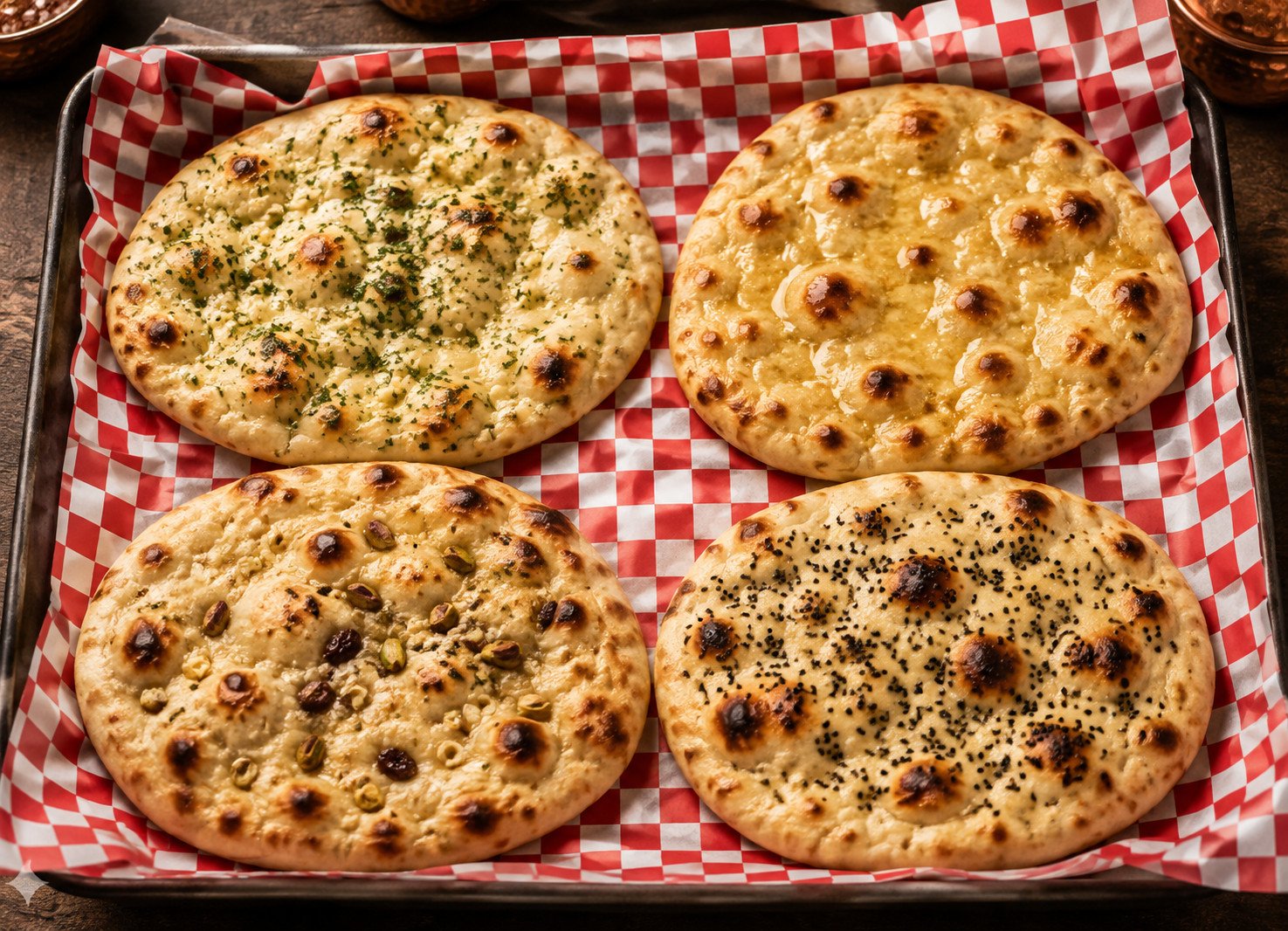
These naan varieties tandoor cooks reach for most often all start from the exact same leavened dough and the exact same 90-second wall bake — the differences come entirely from what gets pressed into, folded into, or brushed onto that dough before or after it hits the wall. Once you've made one type of naan bread, the other four are variations on a technique you already know rather than five separate recipes to learn.
The first two ideas below link out to full step-by-step recipes with complete technique breakdowns. The other three are shorter, different naan recipes clay oven cooks turn to for something beyond plain — a rich butter finish, a sweet stuffed version, and a seed-topped variation traditional across North India.
Table of Contents
Oven and Accessories for These Naan Varieties
All five naan varieties below were developed on the oven and accessories listed here — the same setup works across every variation, since the dough and wall-baking technique don't change, only the toppings and fillings do.
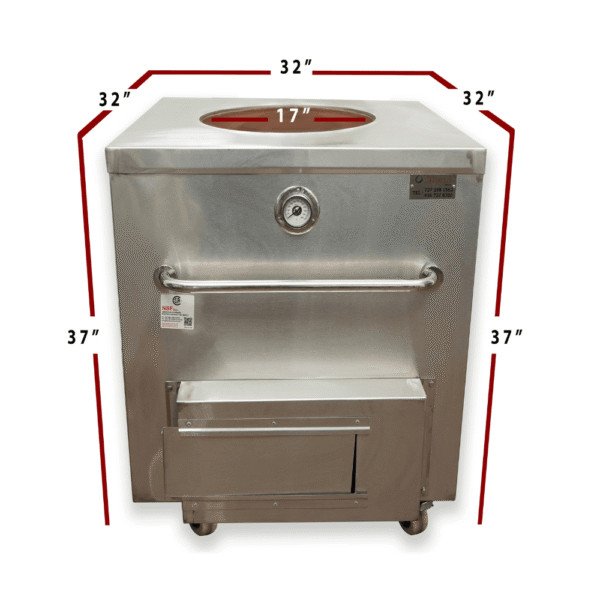
The oven used across this roundup. 32x32x37 inches, with enough wall surface to run a full batch of naan at once.
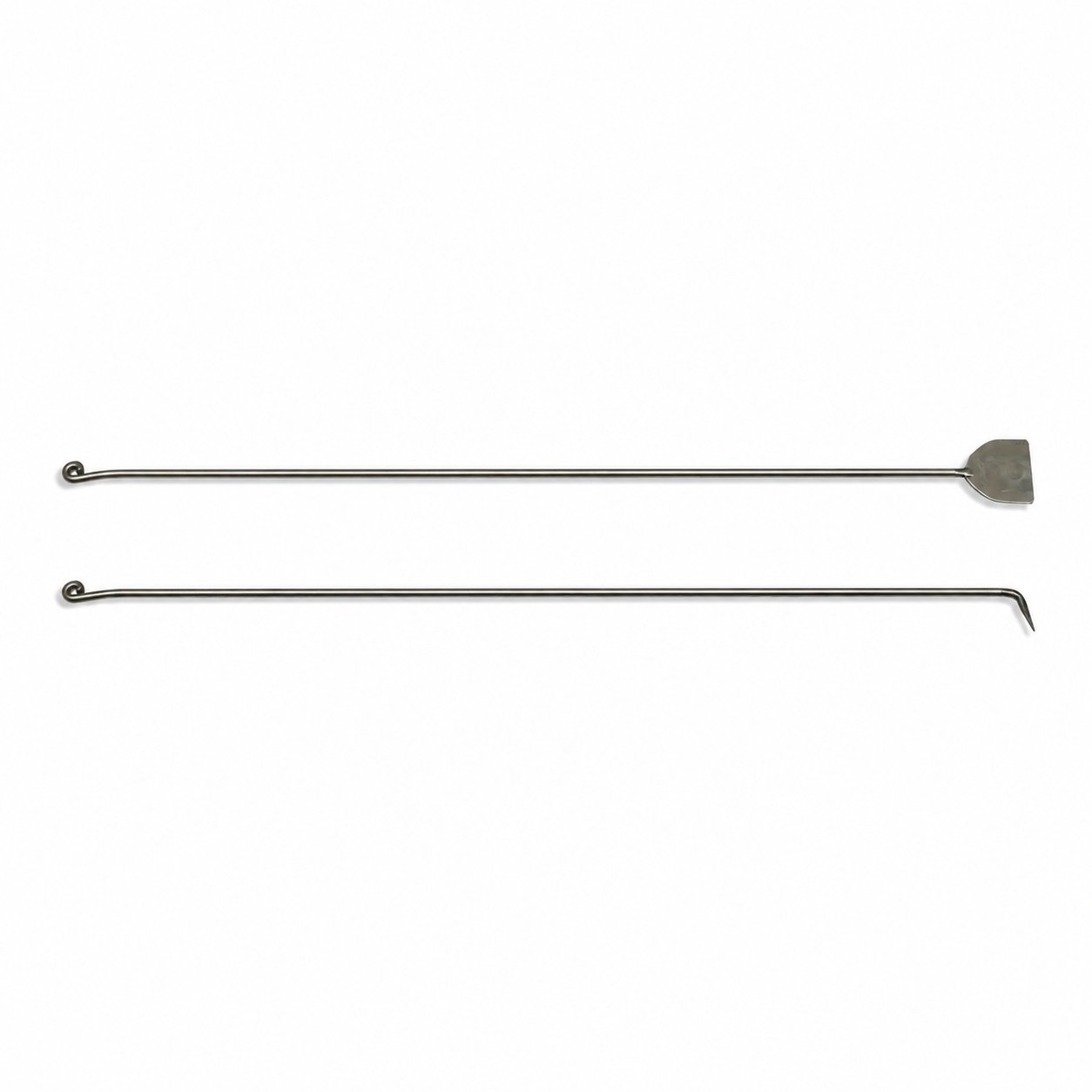
Retrieves any of these naan varieties from the wall cleanly at the 90-second mark, without tearing the dough.
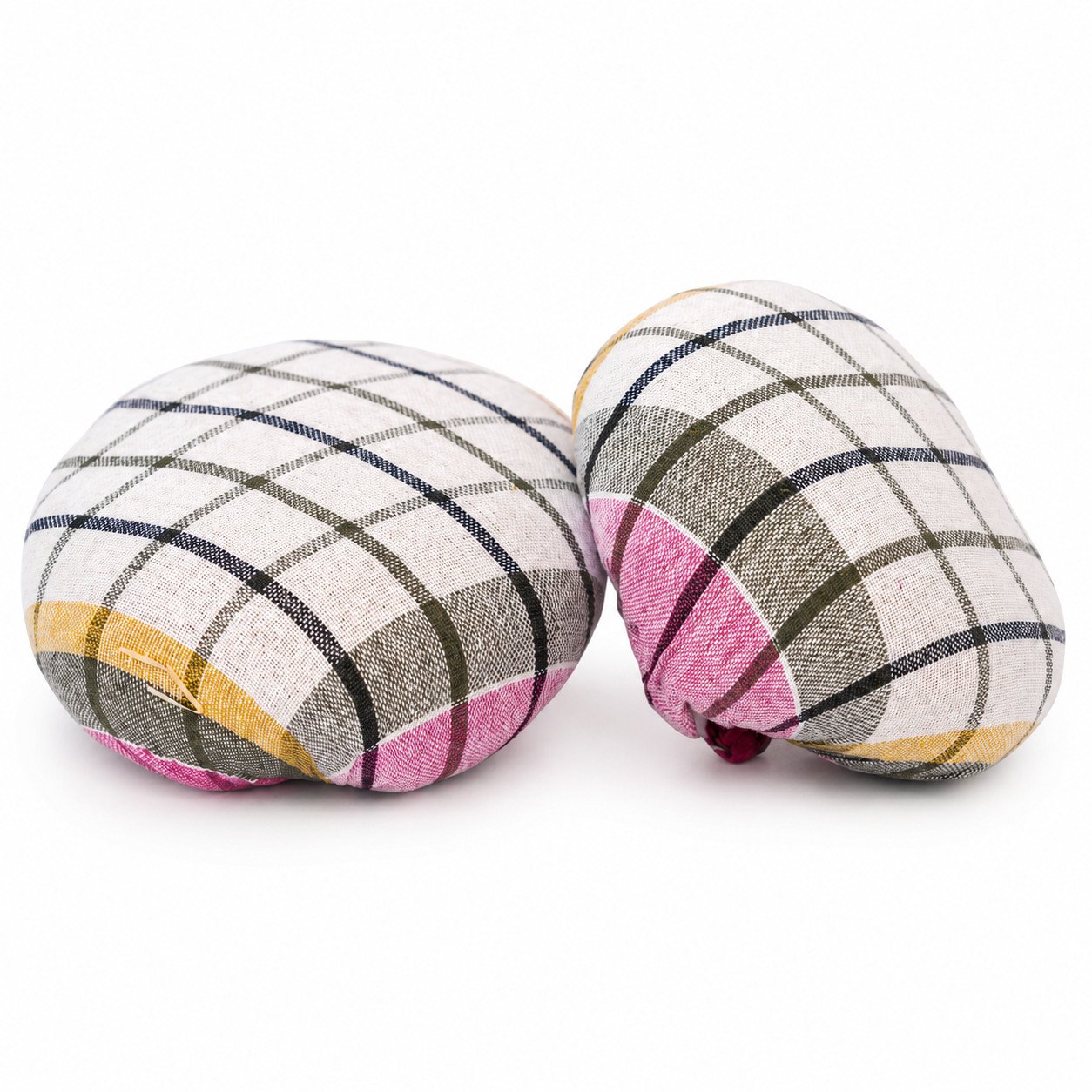
Presses rolled dough evenly onto the wall in one motion, especially useful for the stuffed Peshawari variation below.

Recommended throughout, since hands work close to a wall preheated past 600°F for every variety here.
All Tandoor Morni ovens carry CSA and NSF/ANSI 4 certification, and financing is available at checkout.
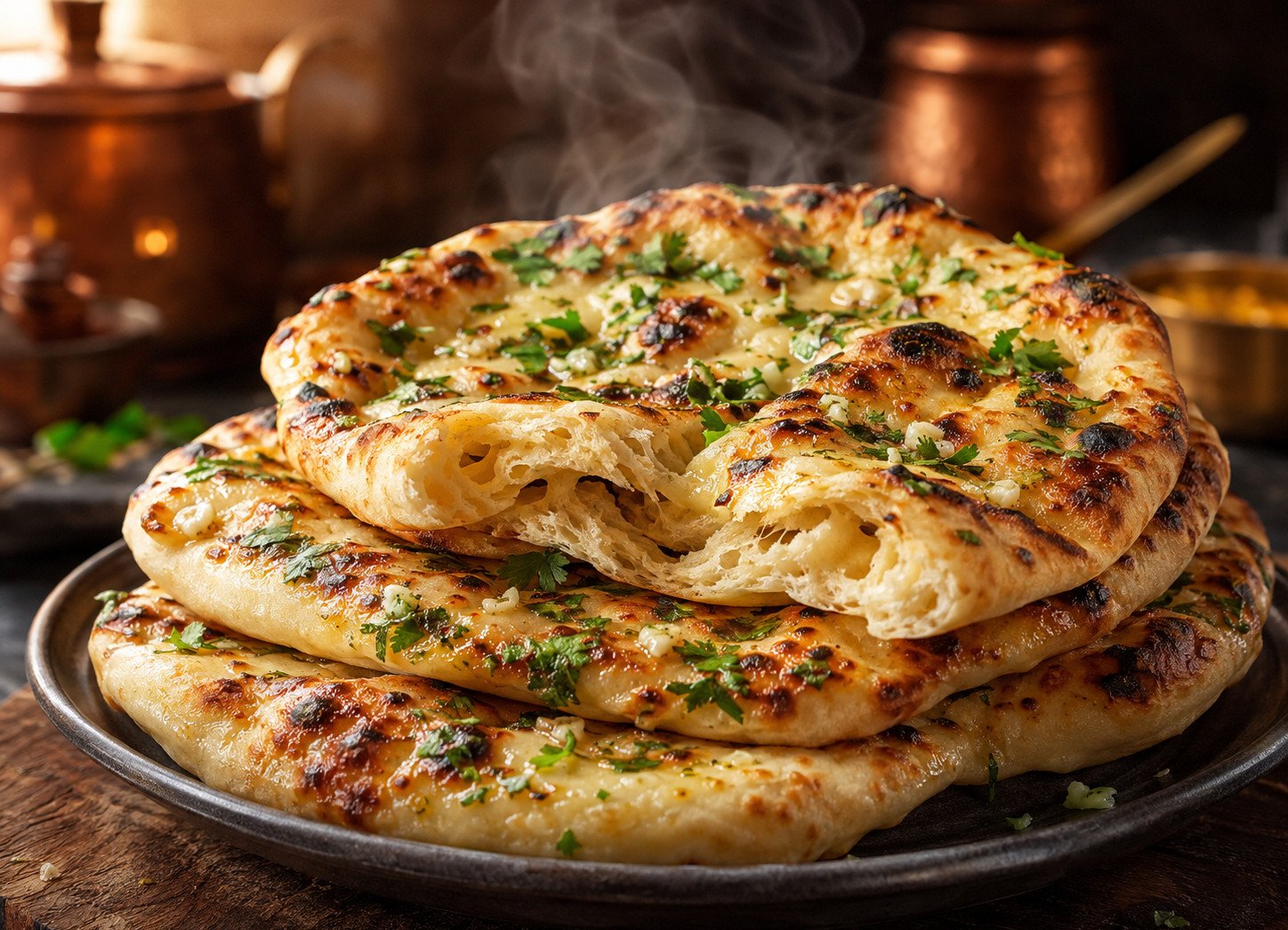
1. Garlic Naan
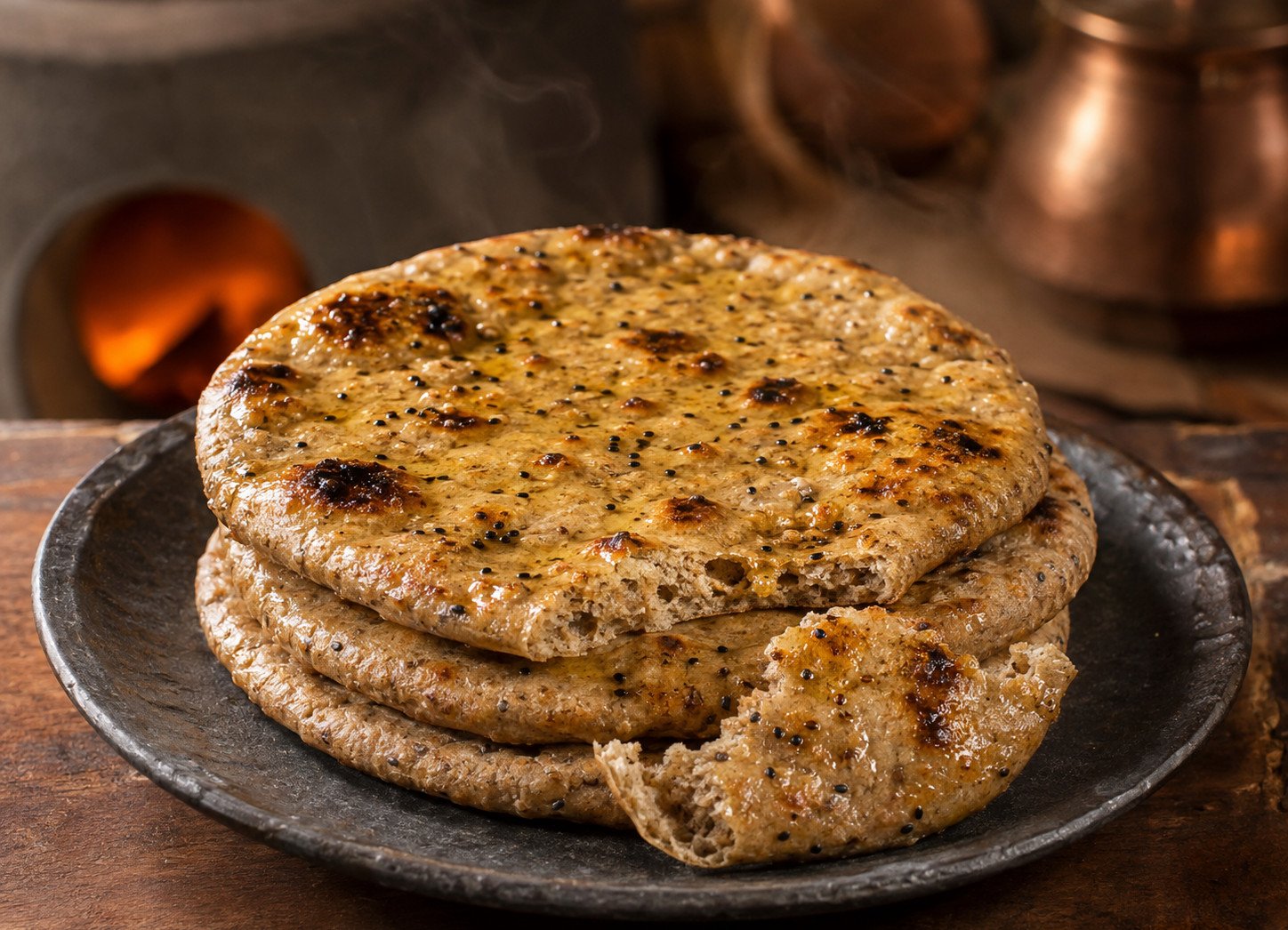
2. Multigrain Naan
Butter Naan
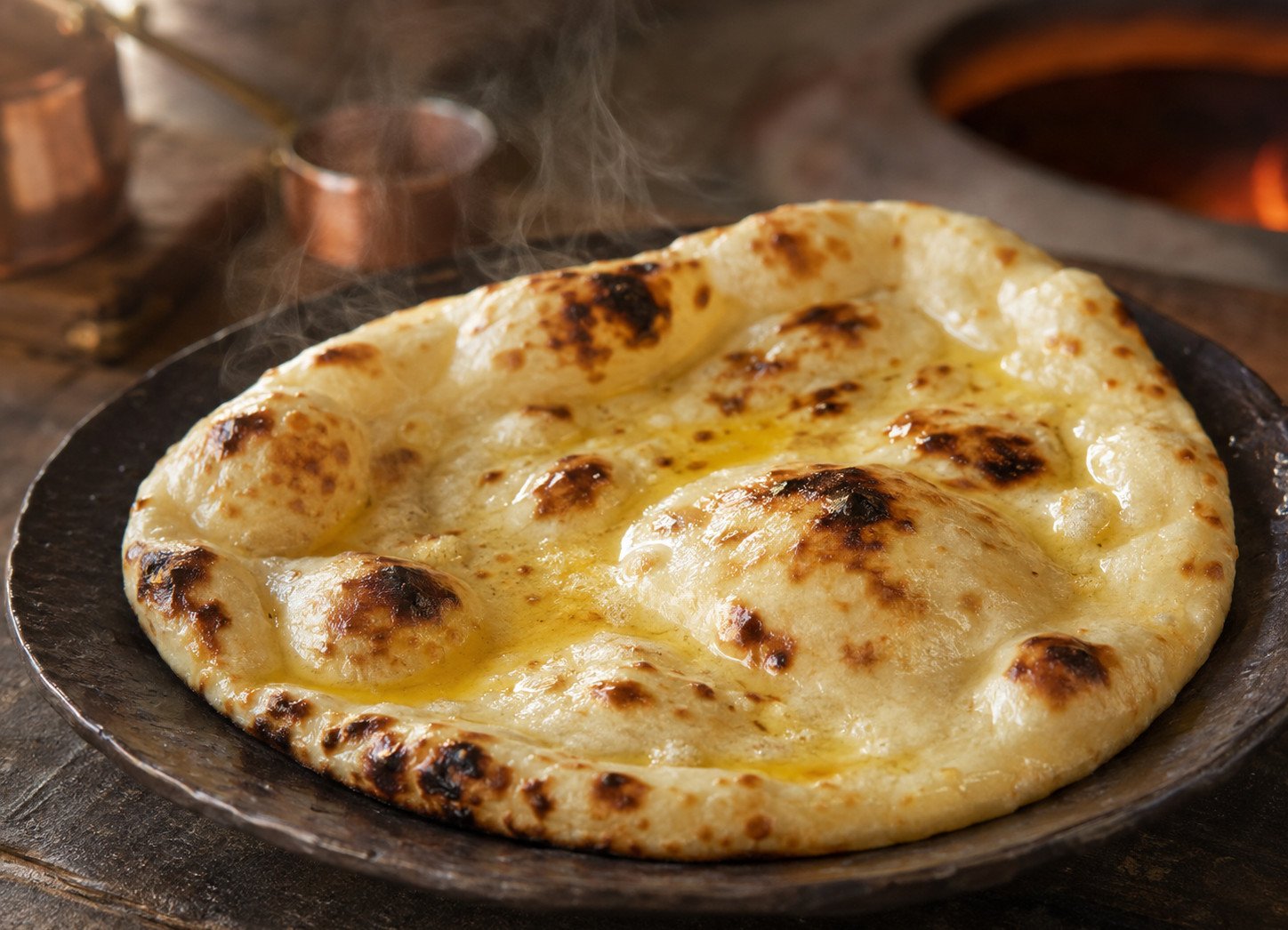
The simplest of the five — no topping, no filling, just the same base dough brushed generously with melted butter the moment it comes off the wall. What it lacks in complexity it makes up for in how well it pairs with almost any curry on the table.
- 2 cups maida (refined flour)
- 1 tsp instant yeast
- 1 tsp sugar
- ½ tsp salt
- ¼ cup plain yoghurt
- 2 tbsp oil
- ¾ cup warm water
- 4 tbsp melted butter, for brushing
- Make and rise the base dough as with plain naan.
- Divide, rest, and roll into ovals.
- Wall-bake about 90 seconds at 600–650°F.
- Brush generously with melted butter straight off the wall.
Peshawari Naan
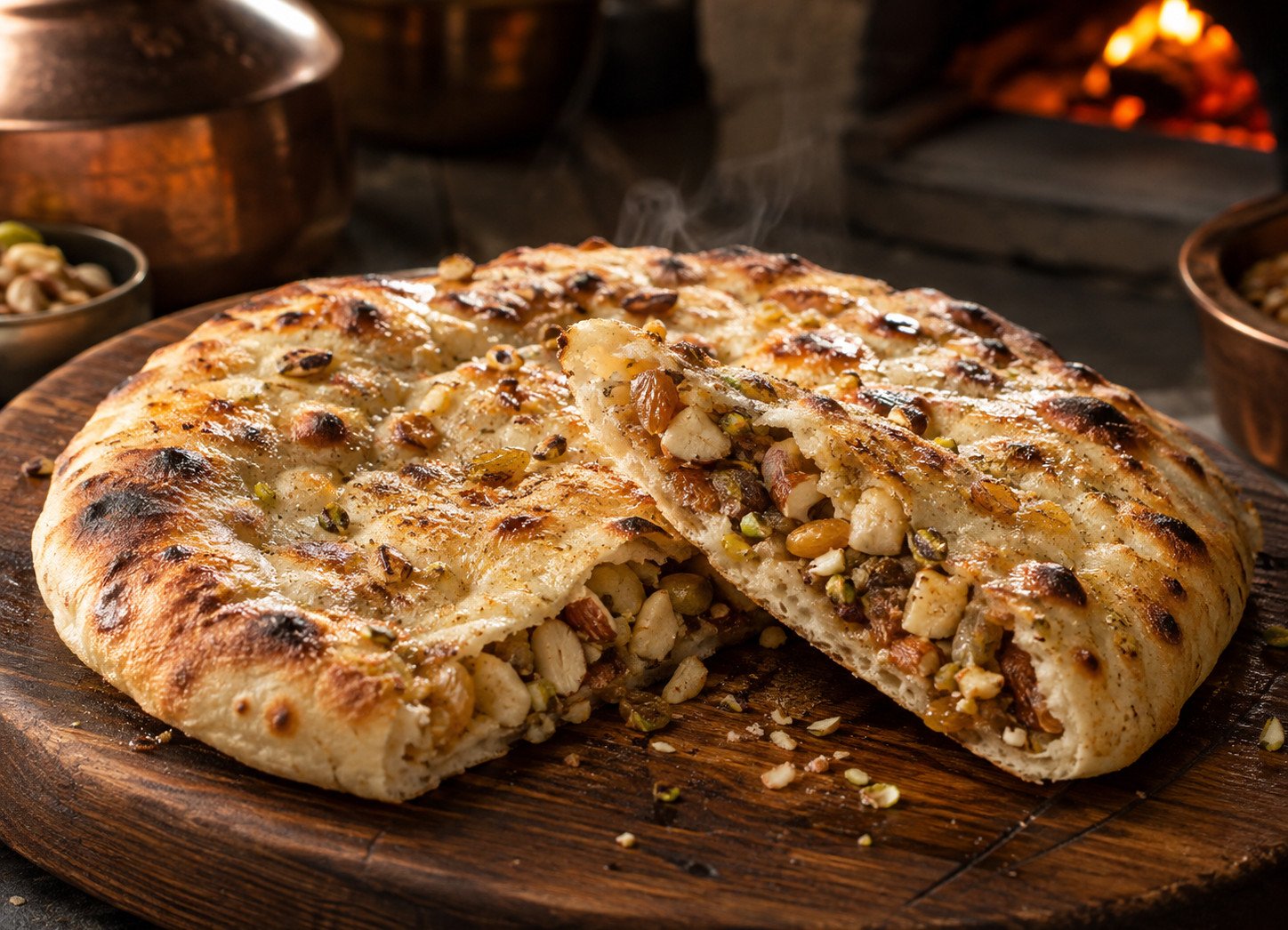
A sweet, stuffed variation from the Northwest Frontier region — closer to a dessert bread than a curry accompaniment. The filling has to be sealed in carefully, since a tear during rolling lets the nuts and dried fruit burn against the wall instead of staying protected inside the dough.
- 2 cups maida (refined flour)
- 1 tsp instant yeast
- 1 tsp sugar
- ½ tsp salt
- ¼ cup plain yoghurt
- 2 tbsp oil
- ¾ cup warm water
- ½ cup chopped mixed nuts and raisins
- 2 tbsp desiccated coconut
- 2 tbsp sugar syrup, for brushing
- Make and rise the base dough as with plain naan.
- Divide, flatten, and fold the nut and dried fruit filling inside each portion, sealing the edges firmly.
- Roll gently into an oval without letting the filling tear through.
- Wall-bake about 90 seconds to 2 minutes, and brush with sugar syrup while hot.
Kalonji (Nigella Seed) Naan
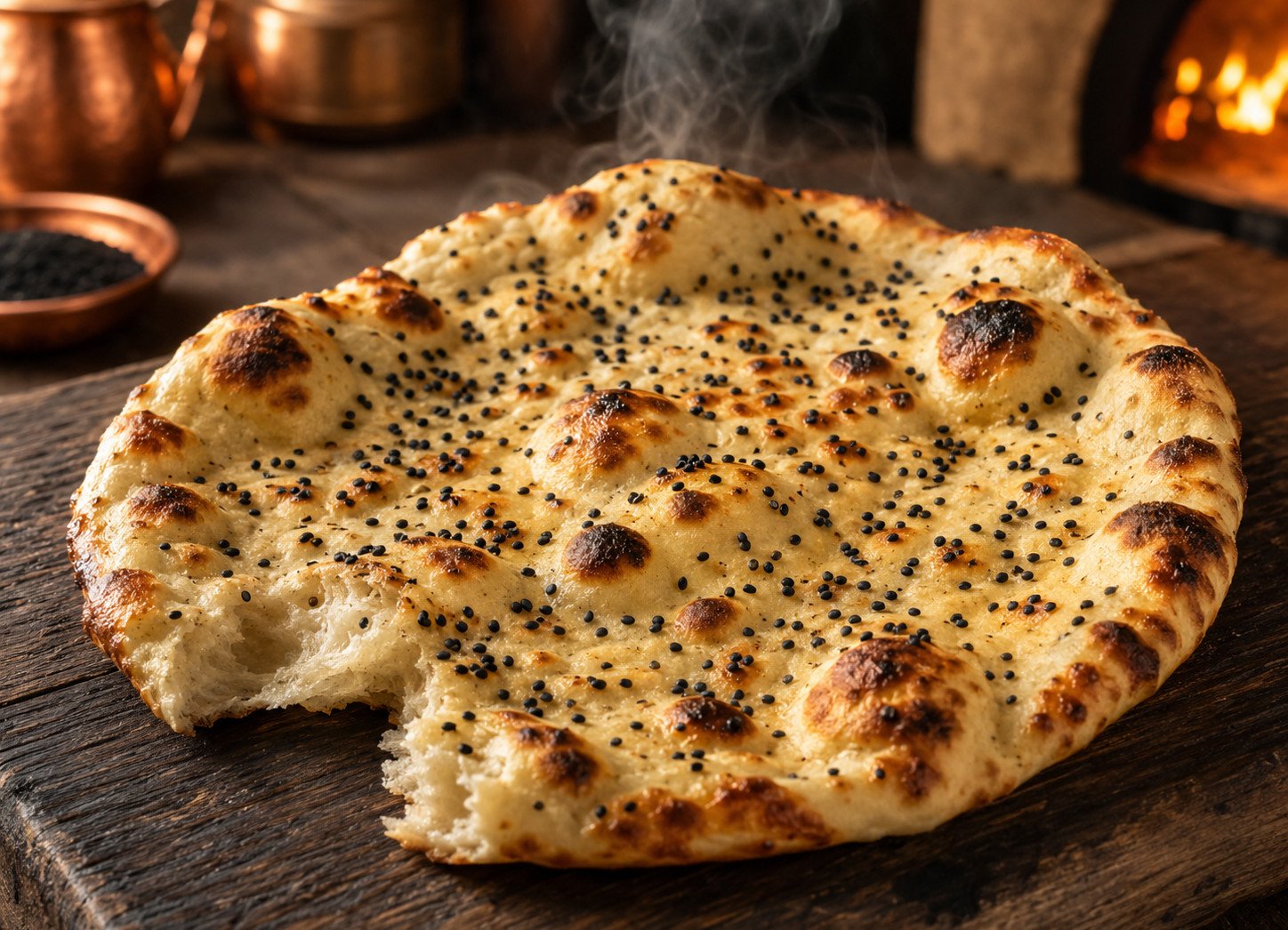
The most subtle of the five — nigella seeds pressed into the surface before baking, the same way garlic goes into garlic naan, but with a milder, slightly bitter, oniony note instead of pungent garlic. A good middle ground for anyone who wants more than plain naan without going as bold as the garlic version.
- 2 cups maida (refined flour)
- 1 tsp instant yeast
- 1 tsp sugar
- ½ tsp salt
- ¼ cup plain yoghurt
- 2 tbsp oil
- ¾ cup warm water
- 2 tbsp nigella seeds
- 2 tbsp melted butter, for brushing
- Make and rise the base dough as with plain naan.
- Divide, rest, and roll into ovals.
- Press nigella seeds into the surface before baking.
- Wall-bake about 90 seconds, and brush with melted butter.
Why One Dough Makes Five Different Breads
Every naan variety in this roundup starts from the same enriched, yeast-leavened dough — flour, yeast, yoghurt, oil, and warm water, kneaded and rested until doubled. What changes between these five types of naan bread is almost entirely what happens in the minute before or after that dough meets a wall preheated to 600 to 650°F, the same radiant, high-heat principle behind tandoori cooking more broadly. Garlic and kalonji seeds get pressed in before baking, so the wall's heat toasts them in place. Butter goes on after, carrying its flavour across an already-hot surface. Peshawari naan works differently still, folding a filling inside the dough itself rather than adding anything to the surface at all.
Understanding that single shared foundation is more useful than memorizing five separate recipes — once the base dough and the 90-second wall bake are second nature, every different naan recipe clay oven cooks make is really just a decision about what goes on, in, or after that same process.
Frequently Asked Questions — Naan Varieties
Do all these naan varieties use the same base dough?
Which of these naan varieties is easiest for a first attempt?
Can I make all five in one baking session?
Why does Peshawari naan take longer to prepare than the others?
What's the naan gaddi used for across these recipes?
How do I know my tandoor wall is hot enough before any of these naan go in?
Which Tandoor Morni oven is best suited to baking different naan recipes clay oven style at home or in a restaurant kitchen?
Commercial Tandoor Ovens for These Naan Varieties
All five naan varieties above were developed on the oven below — the main difference between the ovens listed here is wall surface for running a bigger batch at once, not bake quality.
32x32x37 inches. The oven used across this roundup — a solid fit for most restaurant kitchens.
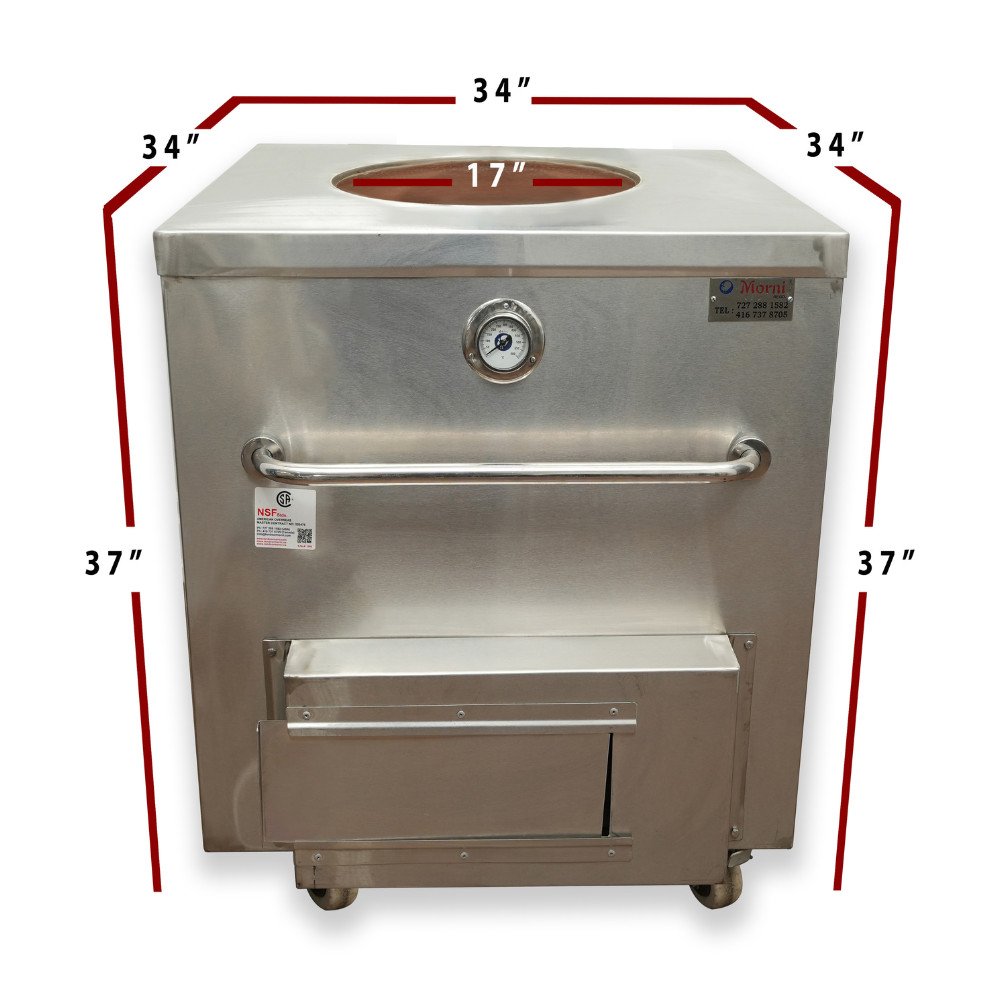
34x34x37 inches. More wall surface for higher-volume naan service.
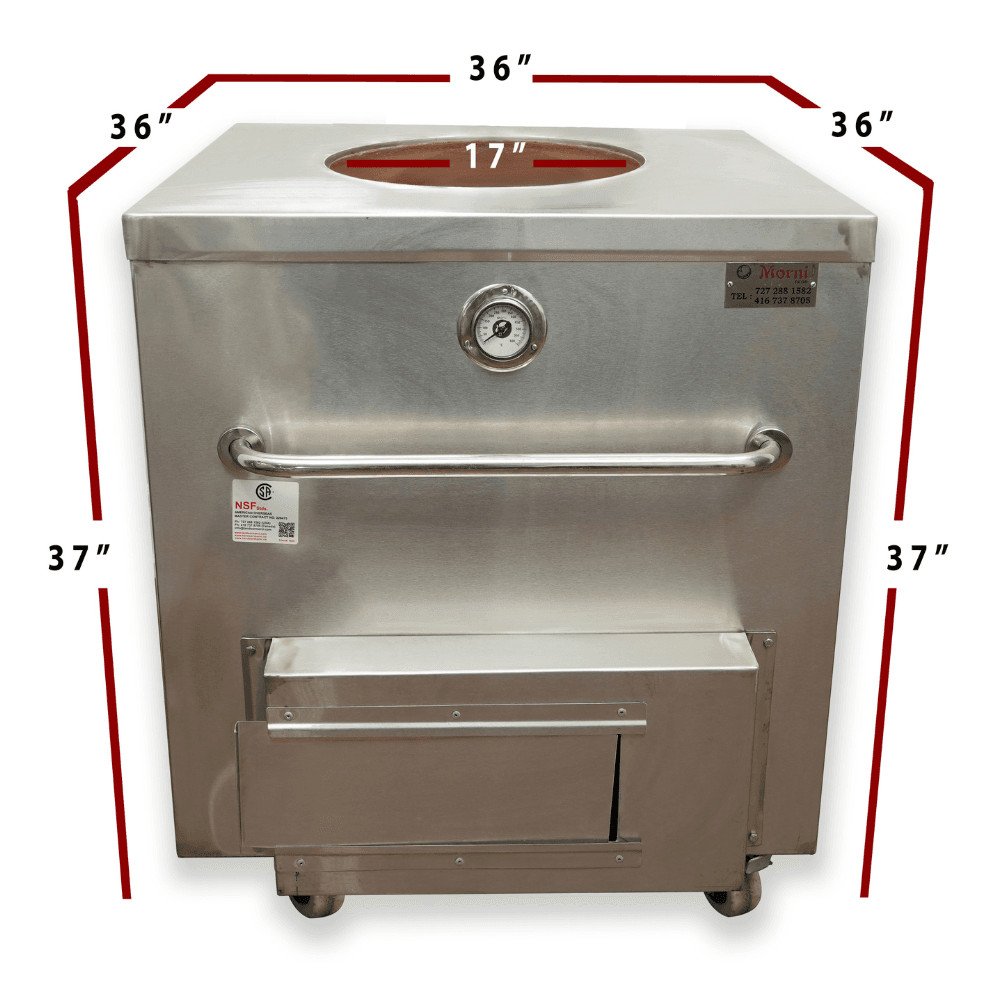
36x36x37 inches. The largest of the three, useful for kitchens running a full naan menu alongside kebabs and tikka.